Overall impression: Reviews of Lillington Health & Rehabilitation Center are mixed, with distinct patterns of both notable strengths and recurrent operational weaknesses. Many families and residents praise individual caregivers, therapists, and the facility’s physical environment; at the same time a substantial set of concerns about staffing, consistency of care, and communication recurs across accounts. Prospective residents and families should weigh the facility’s clinical and social strengths against these operational risks.
Care quality and clinical oversight: Several accounts describe effective, motivating rehabilitation and strong nursing interventions that supported return-to-home goals. Conversely, other accounts indicate lapses in routine clinical monitoring (for example, missed bathing, delayed attention to skin integrity, unassisted eating, and multiple falls). Medication-management problems — including delays, incorrect administrations, or supply interruptions — were mentioned and constitute a measurable operational risk for higher-acuity residents.
Staff and teamwork: Individual staff members and departments receive frequent praise for compassion and going beyond assigned duties; therapy staff in particular are often singled out for clinical skill and encouragement. However, staffing appears uneven by shift and day of week: reviewers describe short-staffing, overworked CNAs, and diminished oversight on weekends and nights. There are also reports of concerns about staff conduct and tone, and language barriers that can impede effective communication between aides, residents, and families.
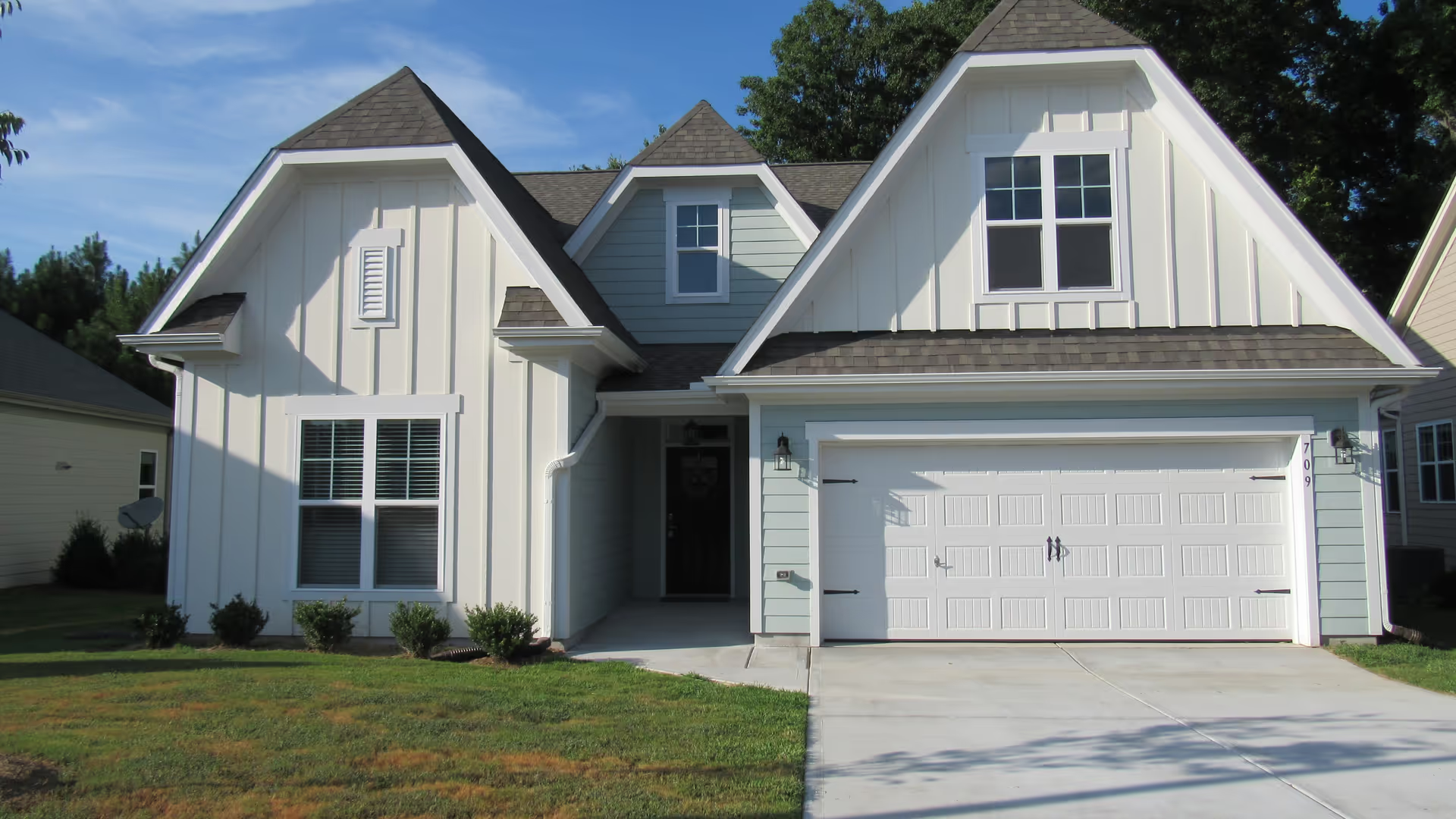
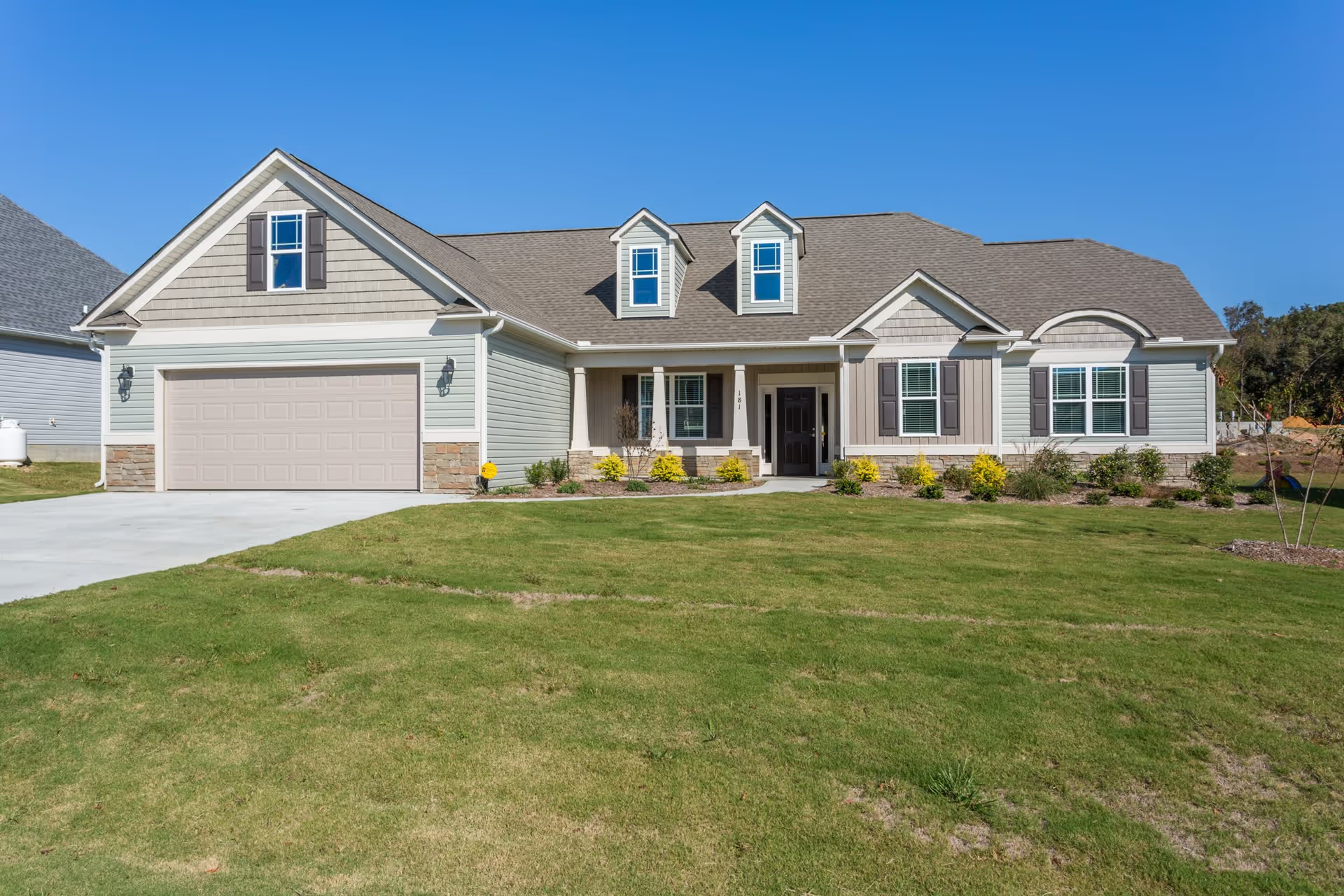
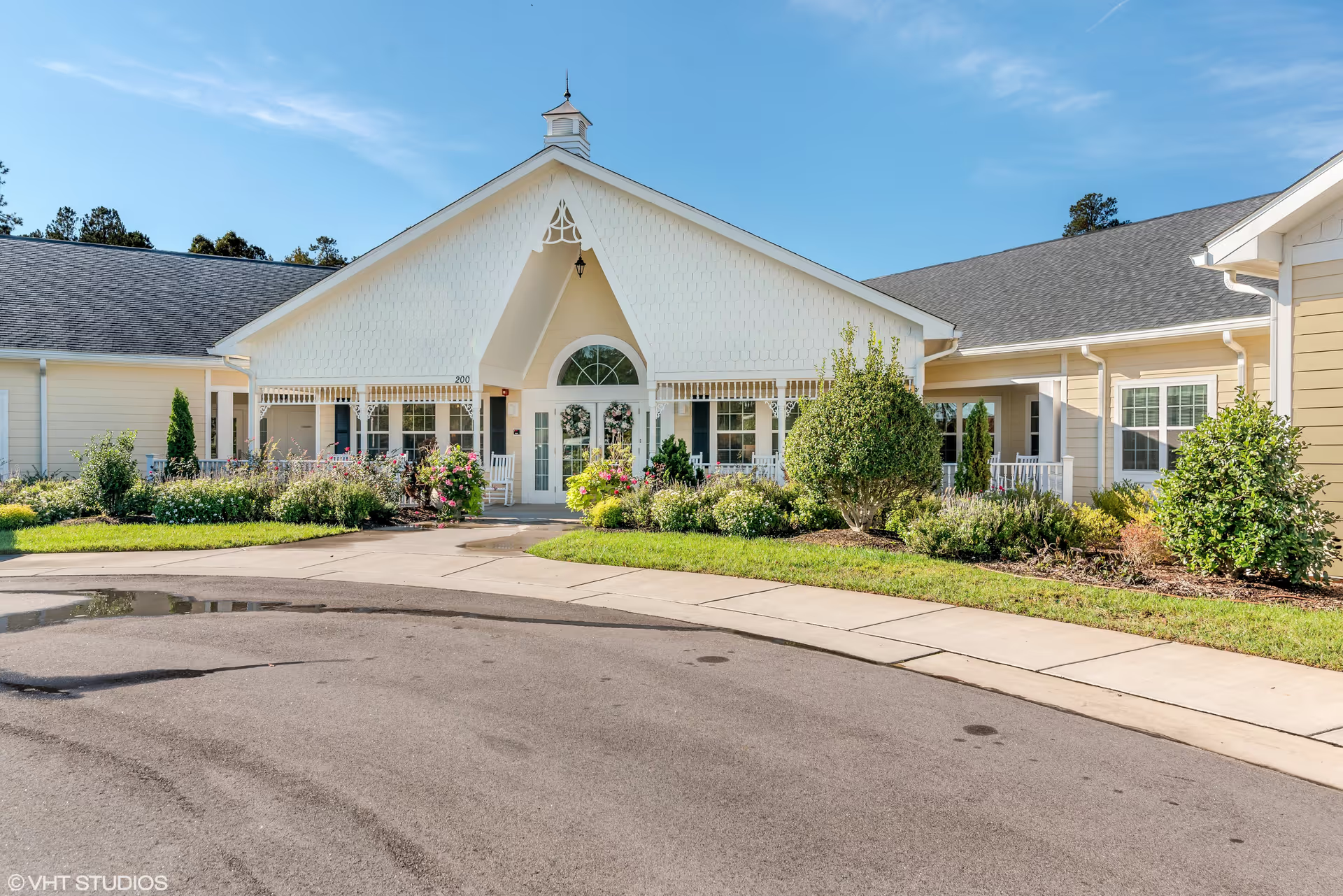
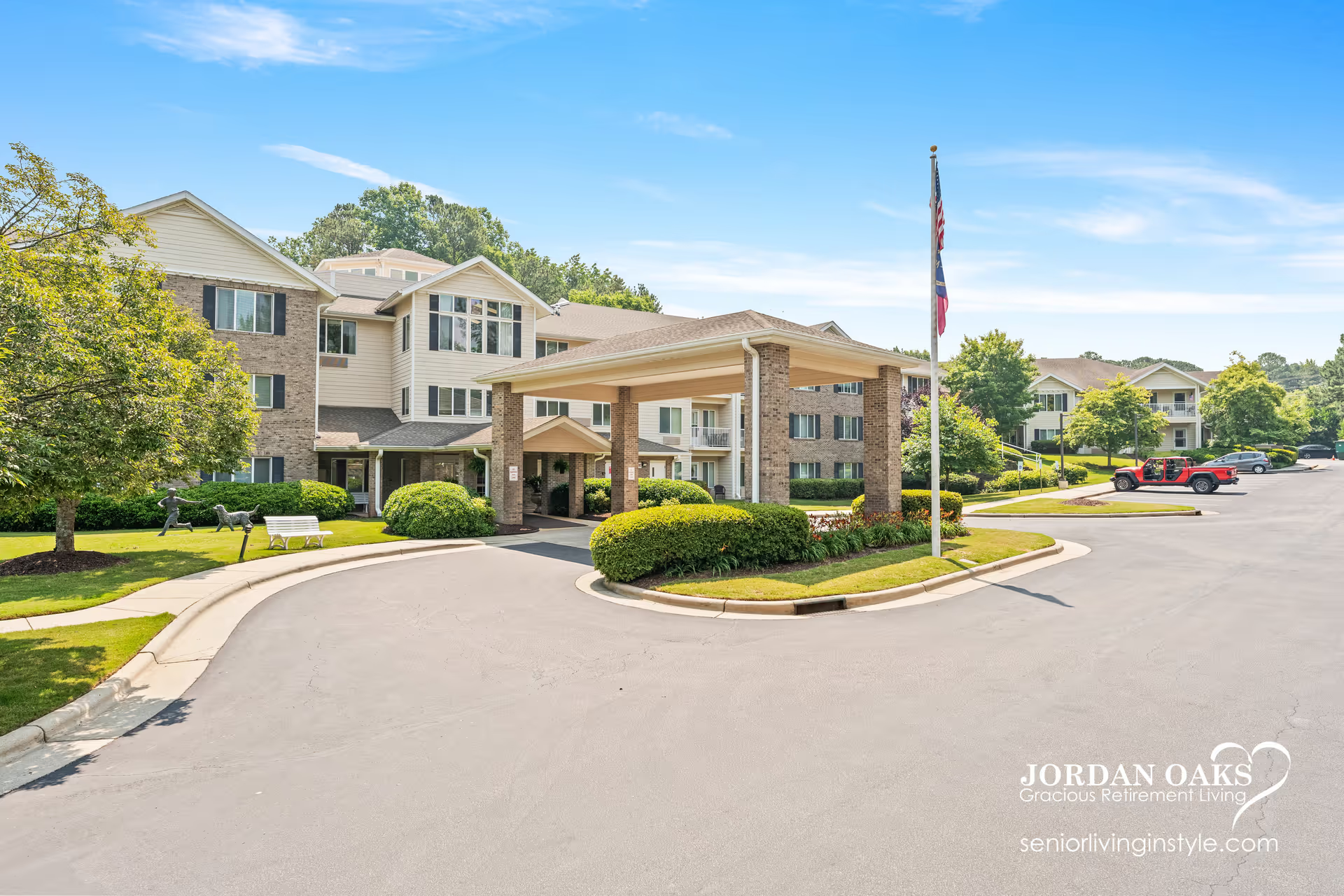
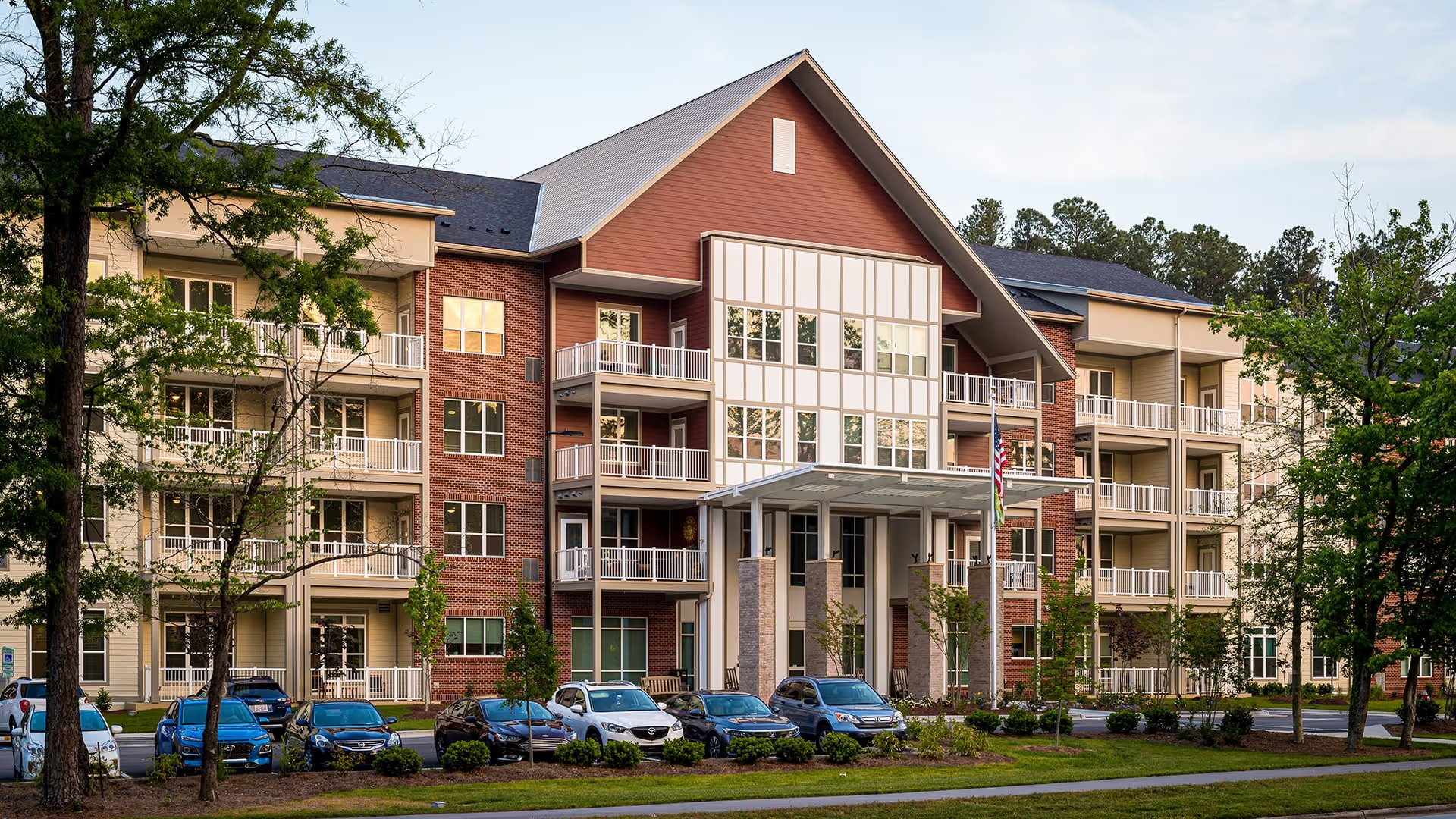
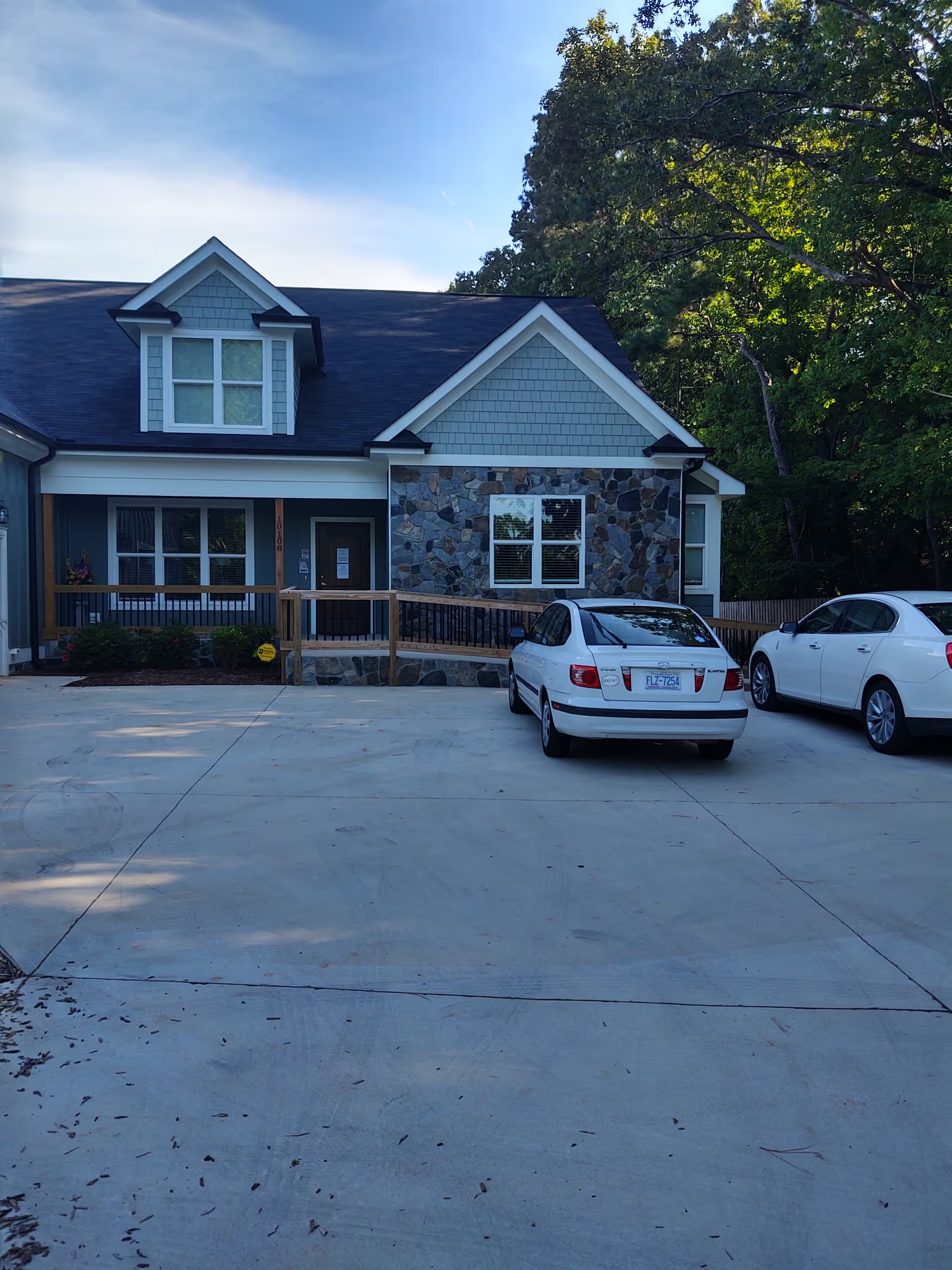
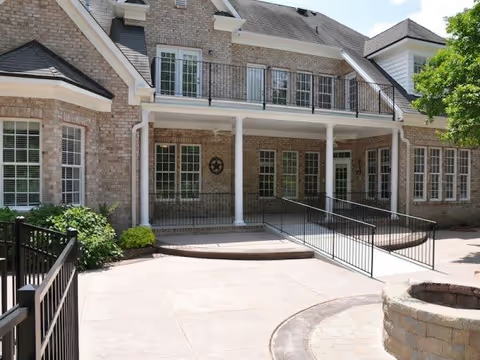
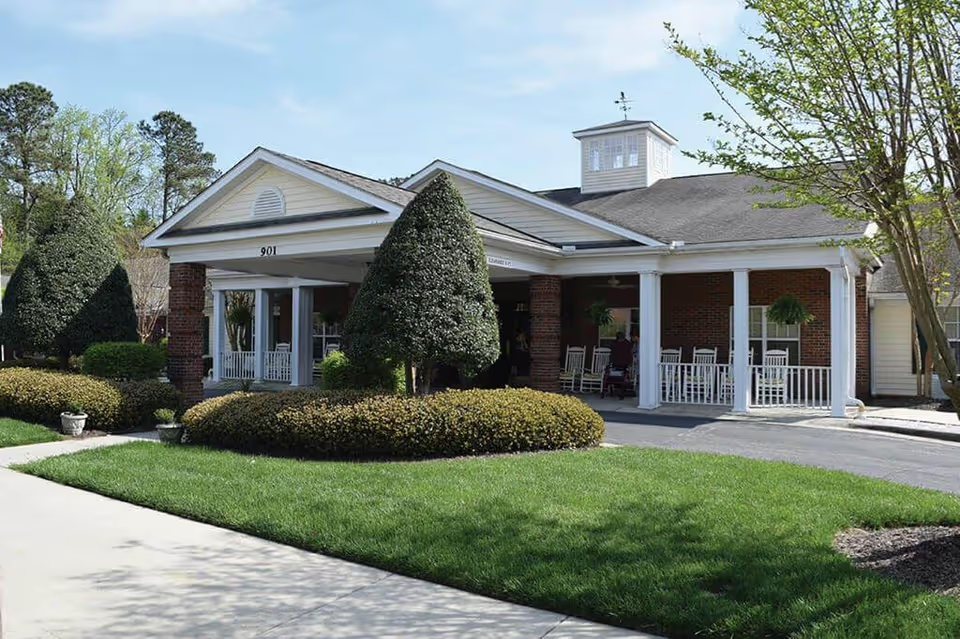
Dining, housekeeping, and environment: The facility’s physical plant is frequently described as clean, modern, and homelike, and many reviewers note a pleasant atmosphere and engaging common areas. At the same time, there are repeated sanitation and housekeeping inconsistencies (including pest-control concerns in dining/rooms and sticky or unkept surfaces in some accounts). Dining experiences are variable: some residents find meals satisfactory and appropriate for recovery, while others describe cold, repetitive, or poorly presented meals and a lack of restaurant-style dining options.
Management, communication, and family engagement: Admissions and front-desk interactions are often characterized as welcoming and helpful. However, management responsiveness and family communication are inconsistent: reviewers cite unreturned calls, dismissive interactions from specific staff, and difficulties obtaining timely contact during clinical incidents or following a resident’s death. Billing and perceived financial priorities were also raised as a concern by some families.
Activities and suitability: Activity programming and social engagement are strengths for many residents, with an active activities department and a family-like culture reported. The facility provides 24-hour nursing and is appropriate for residents who need structured rehabilitation or long-term care with family oversight. That said, reviewers cautioned that residents without regular family advocacy may experience greater risk from the variability in staffing and oversight.
Bottom line and recommendations: Lillington Health & Rehabilitation Center offers clear strengths in therapy, several committed caregivers, and a pleasant facility environment. However, persistent operational issues — inconsistent staffing, gaps in clinical monitoring, medication-management inconsistencies, variable housekeeping, and uneven management communication — create variability in the resident experience. Families considering this facility should conduct an in-person visit that includes mealtime observation, a review of staffing patterns (including weekends/nights), questions about medication-supply protocols, language-support capabilities, and examples of incident-response and family-notification procedures. Asking for recent state inspection results and speaking directly with current family members can also help clarify whether the facility’s strengths align with a prospective resident’s clinical and social needs.