Experiences at Ashton Health and Rehabilitation vary considerably. Many residents and families describe effective rehabilitation, caring staff, and a clean, welcoming setting; other accounts raise substantial concerns about consistency in daily care, particularly during evening and overnight shifts. Reviews span different periods, and some families note changes in ownership, management, or staffing over time, so experiences may not reflect current operations uniformly.
Rehabilitation is a recurring strength. Residents recovering from strokes, surgery, and other serious health events describe helpful physical, occupational, and speech therapy, individualized support, and meaningful improvements in mobility and daily function. Some reviewers also praise coordination among therapists, nursing staff, and other clinicians. However, other accounts describe delayed assistance, uneven therapy experiences, and concerns about whether discharge decisions adequately reflected a resident’s needs.
Staff experiences are mixed. Positive reviews describe warm, respectful interactions, staff who know residents personally, and compassionate support for people with dementia or long-term care needs. Other families report short staffing, variable staff conduct, slow responses to call lights, and difficulty obtaining timely help with personal care. Concerns about medication administration, medication reconciliation, clinical follow-through, and communication with families recur in negative accounts. One family raised end-of-life care concerns after describing delayed evaluation and treatment of an infection; that individual account cannot establish causation. A resident also described an inappropriate exchange with an administrator and a disagreement over discharge arrangements.
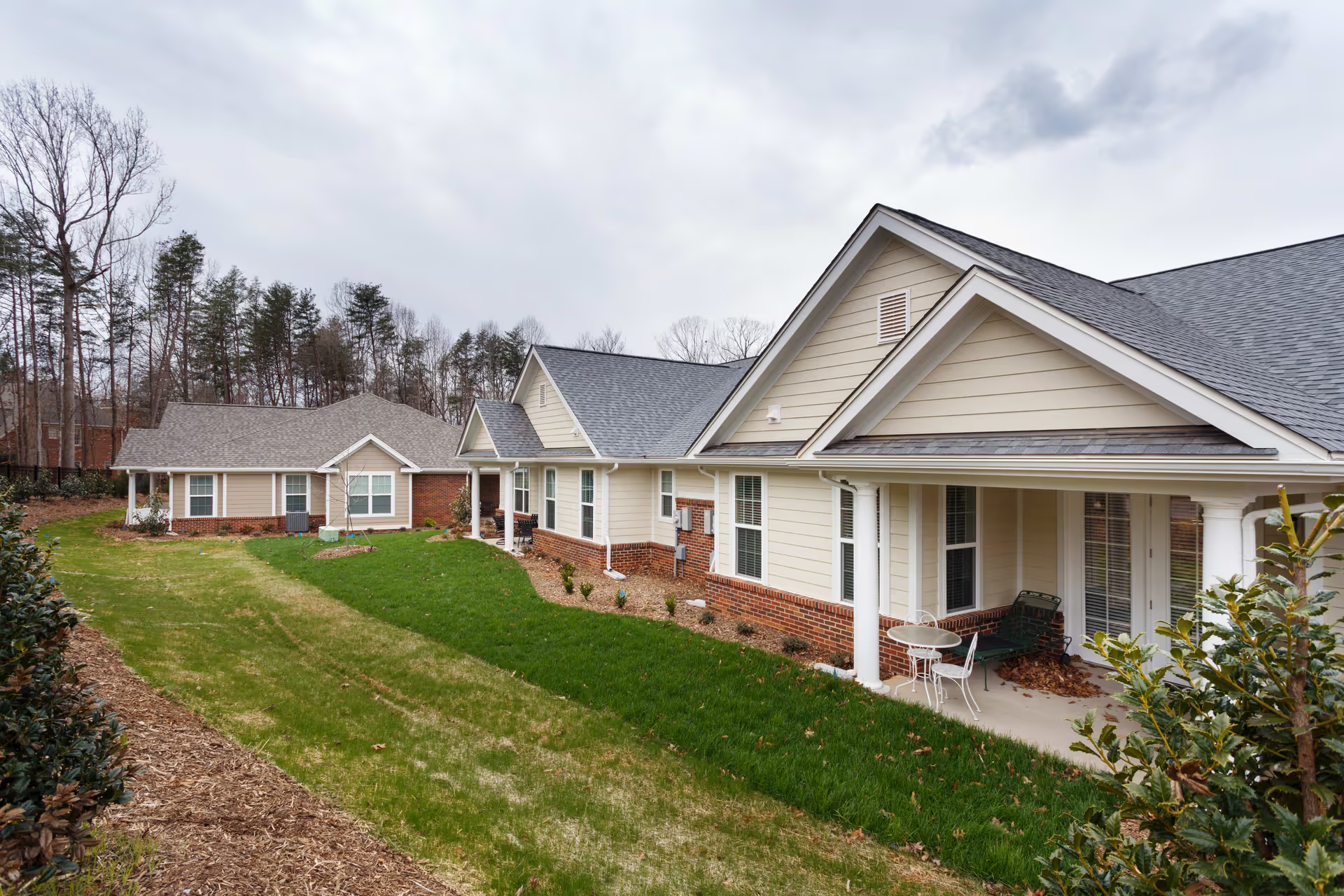
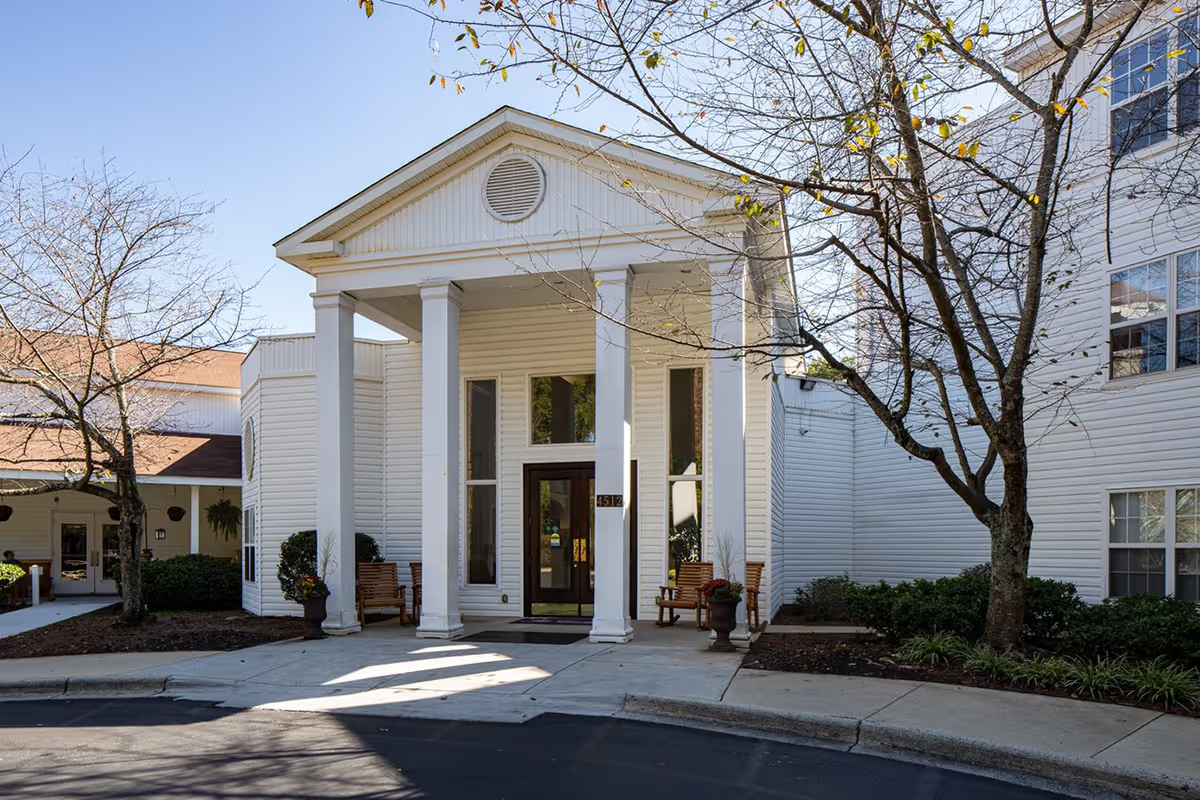
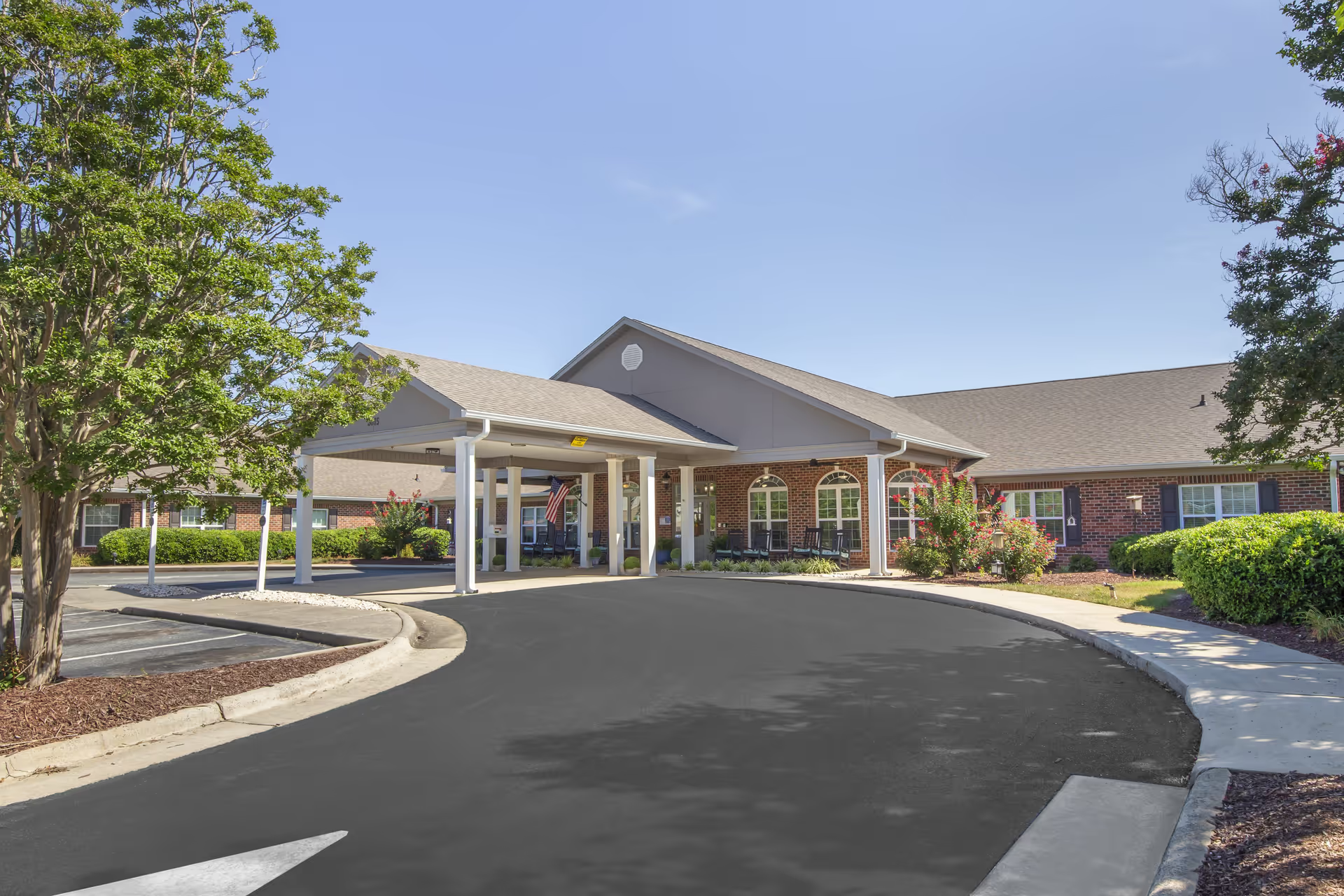
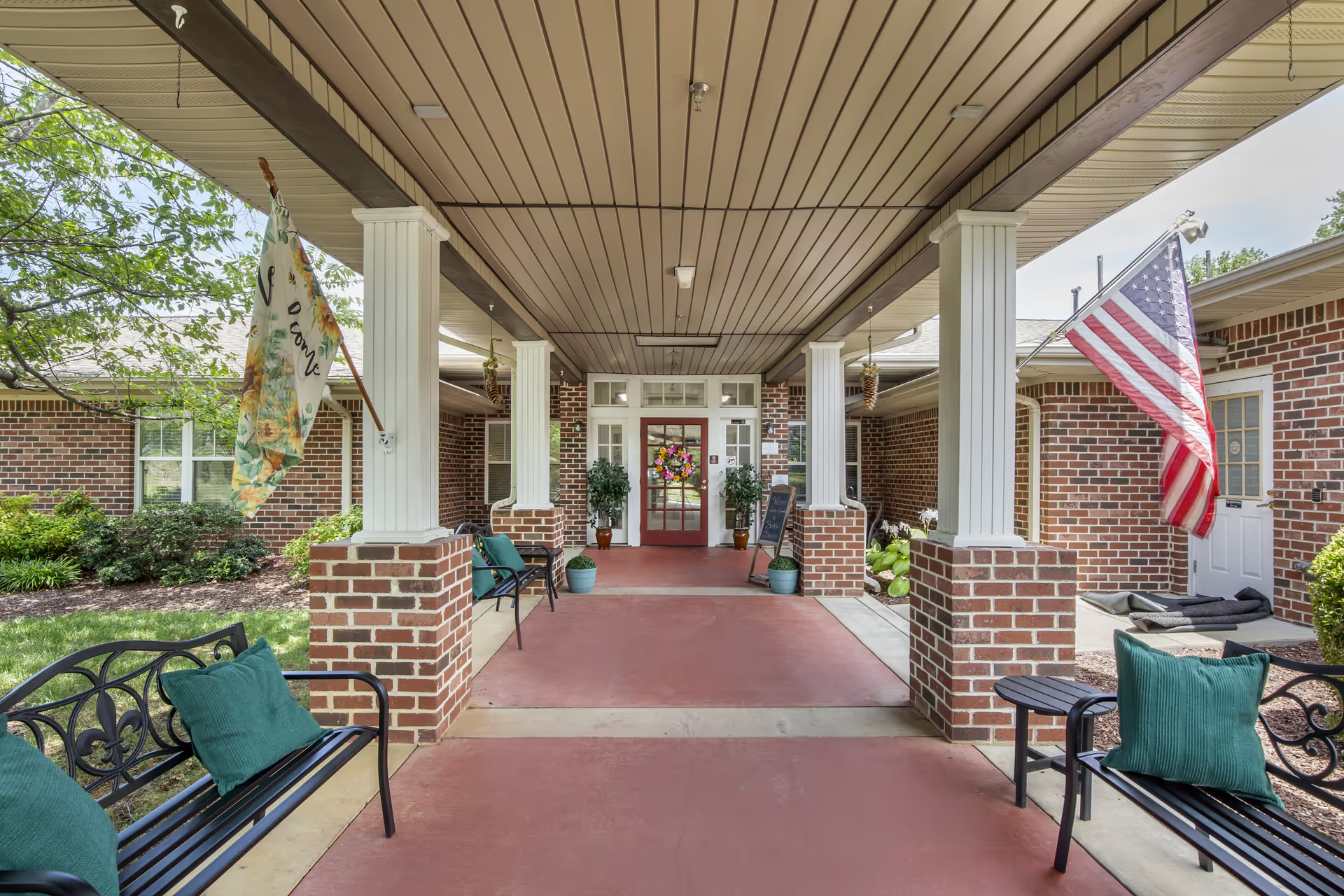
Dining is one of the most consistently cited weaknesses, although experiences differ. Some residents find meals acceptable or enjoyable, while others describe food as cold, limited in choice, or poorly suited to dietary needs. Families also mention difficulty obtaining alternatives when a resident does not care for the meal. The facility itself is often praised for being clean, bright, and spacious, with attractive outdoor areas and accessible rooms. Other accounts point to uneven room or bathroom upkeep and inconsistent temperature control or HVAC maintenance.
Activities such as bingo, music, and spiritual services are appreciated by some residents, and families describe staff engaging residents in ways that suit their interests and cognitive needs. Activity access and alternatives appear less consistent for others. Management and administrative experiences are similarly mixed: some reviewers praise admissions, social work, transportation, and discharge assistance, while others describe unreturned admissions calls, unresolved complaints, billing questions, or documentation problems at discharge. Overall, Ashton appears capable of providing strong rehabilitation and supportive long-term care, but prospective residents and families may wish to ask specifically about staffing by shift, medication safeguards, personal-care response times, meal options, and how concerns are escalated.