Overall impression: Reviews present a mixed but specific picture. Many families and residents describe a welcoming, bright facility with strong rehabilitation and nursing capabilities, good communication from some staff and management, and a variety of amenities and activities. At the same time, a subset of reviewers raised operational concerns that point to inconsistent experiences depending on shift, unit, or staff assignment.
Care quality and clinical services: Several reviewers praised the facility’s nursing and rehabilitation programs, noting attentive care, effective rehab outcomes, and relief for families when needs were addressed promptly. These positive accounts indicate that clinical capability and rehabilitative programming are strengths. However, other reviews described variability in responsiveness and care task completion, including delays in attending to residents and gaps in coordination that affected appointments and transport. That pattern suggests uneven performance across staff or shifts rather than a uniform level of service.
Staff and management: Staff are frequently described as friendly, helpful, and familiar with residents by name; aides and nurses receive specific praise in many accounts. Conversely, there are repeated remarks about unprofessional conduct from some individuals, perceptions of staff being overworked, and inconsistent tone or empathy. Management and private ownership receive positive mention for responsiveness in some cases, but the presence of both high and low experiences points to variability in staff training, supervision, or staffing levels.
Dining and activities: Dining is generally viewed positively in terms of food quality and availability of church services and group activities (sing-a-longs, crafts, spiritual programs). The facility offers a robust schedule of daily activities and on-site amenities such as a salon and chapel, which families regard as beneficial. Practical issues were noted as well — specifically, the distance to the dining room and occasional inconsistencies in meal-service logistics — which may affect mobility-limited residents.
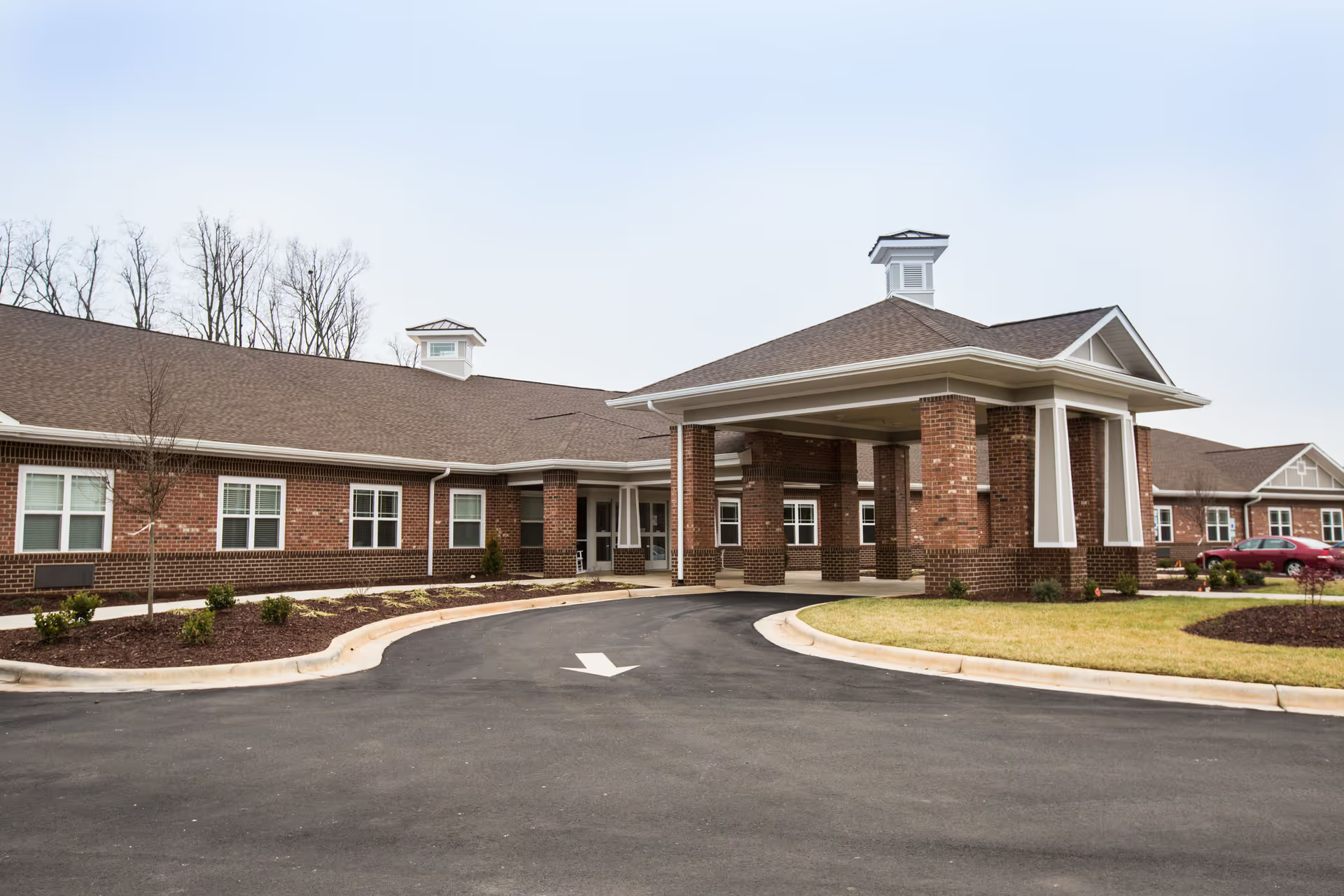
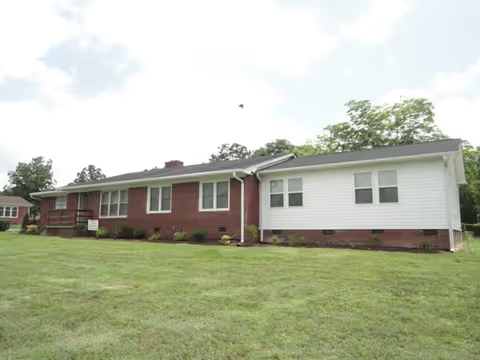
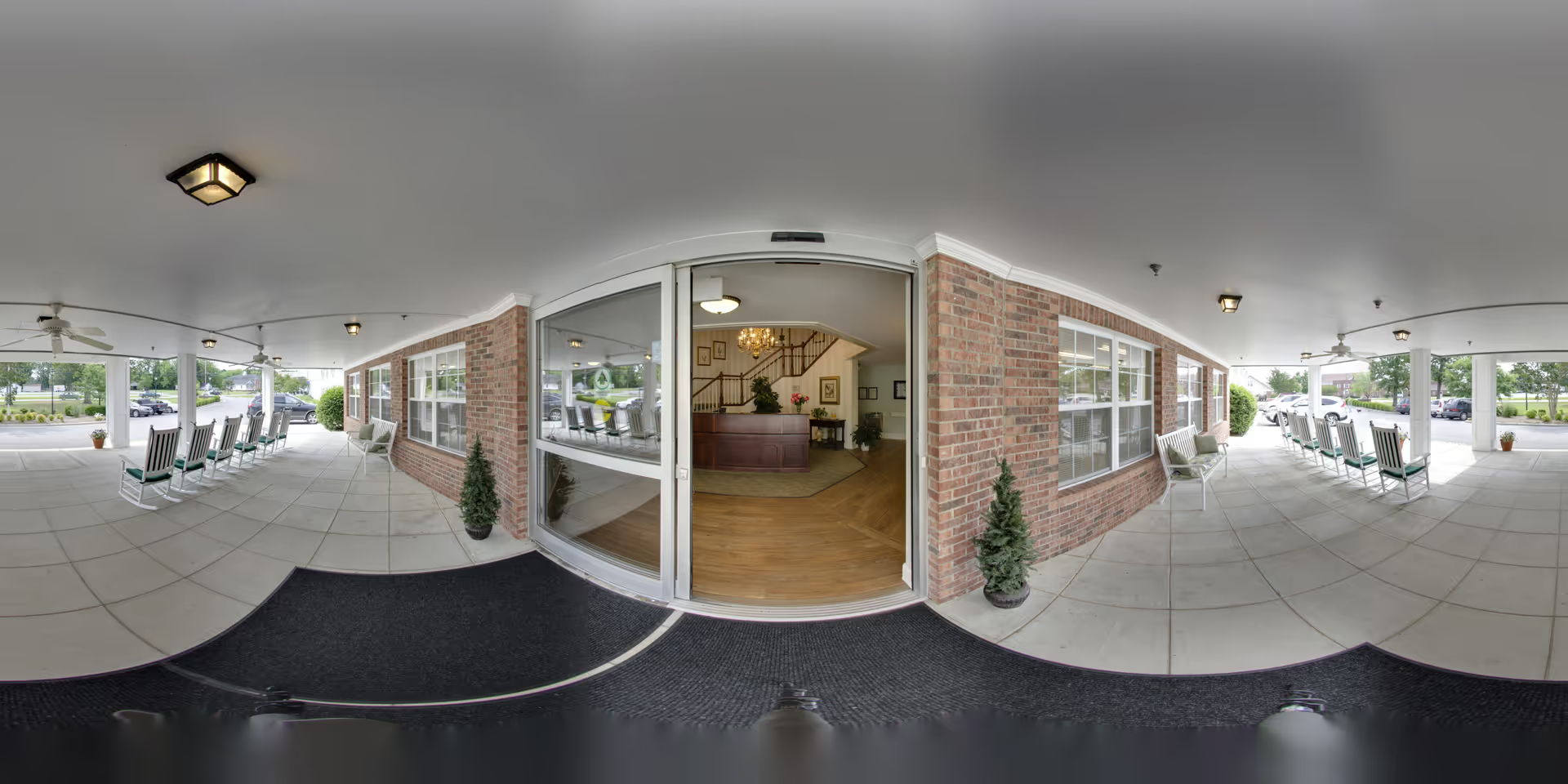
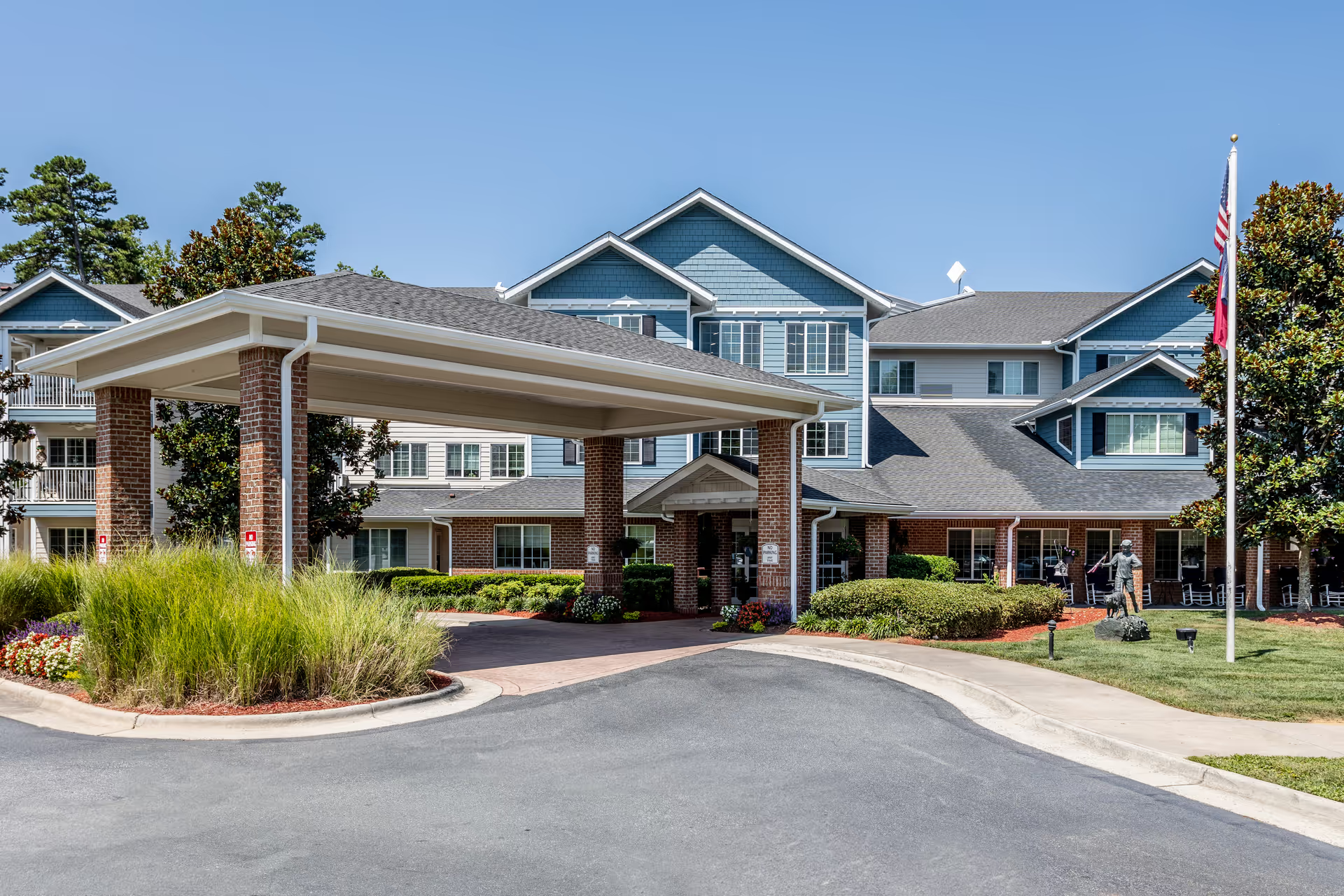
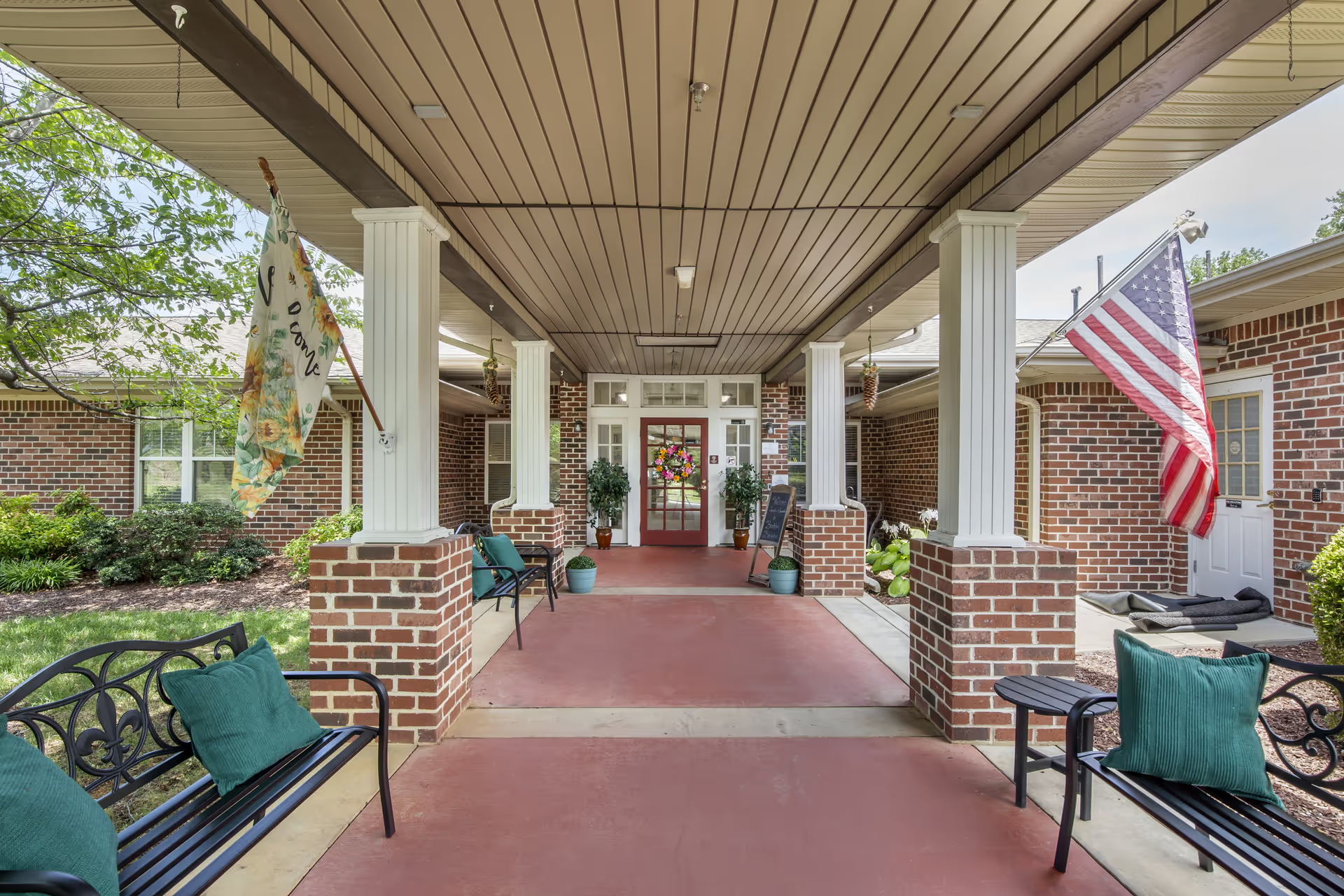
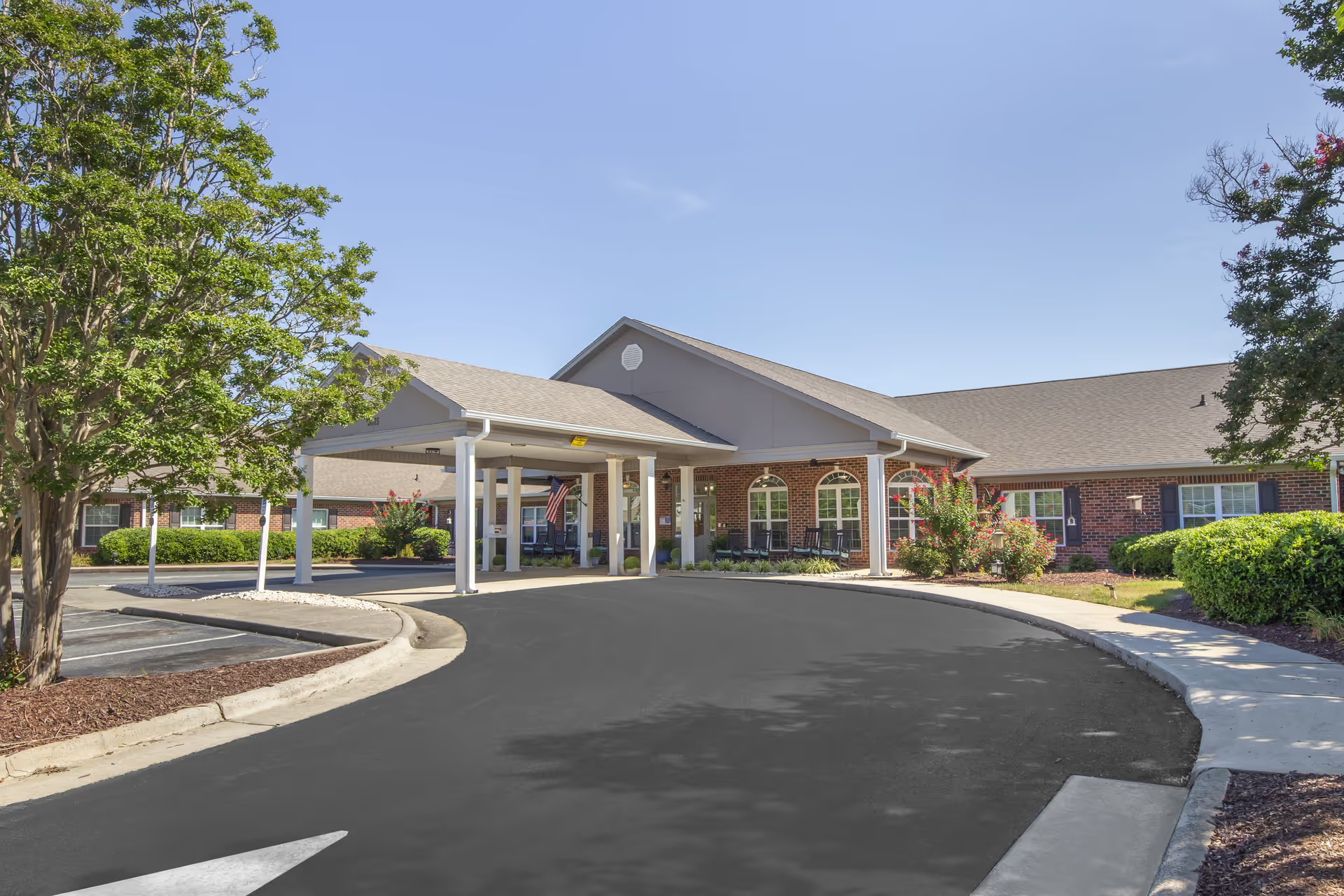
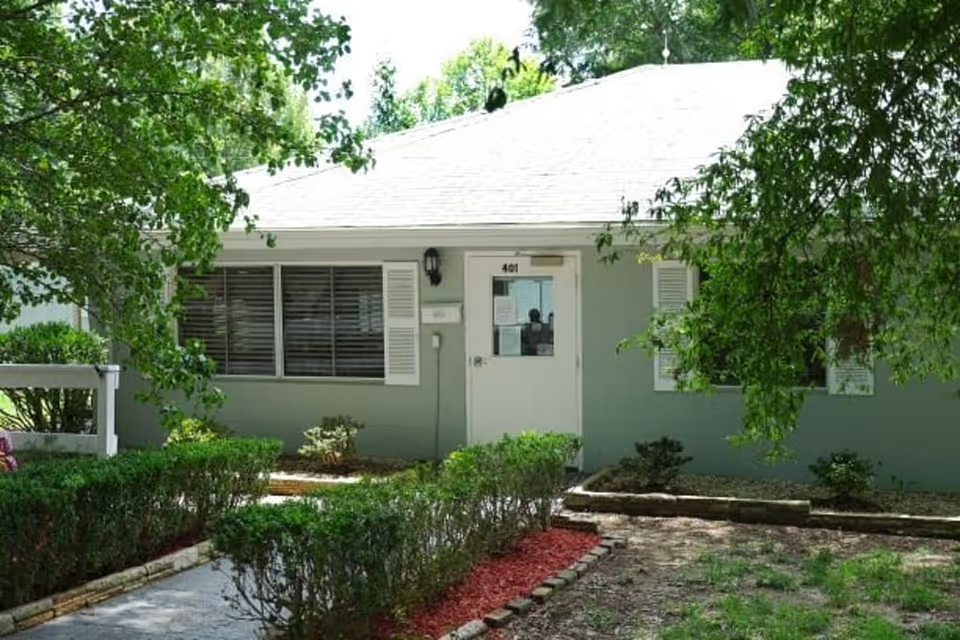
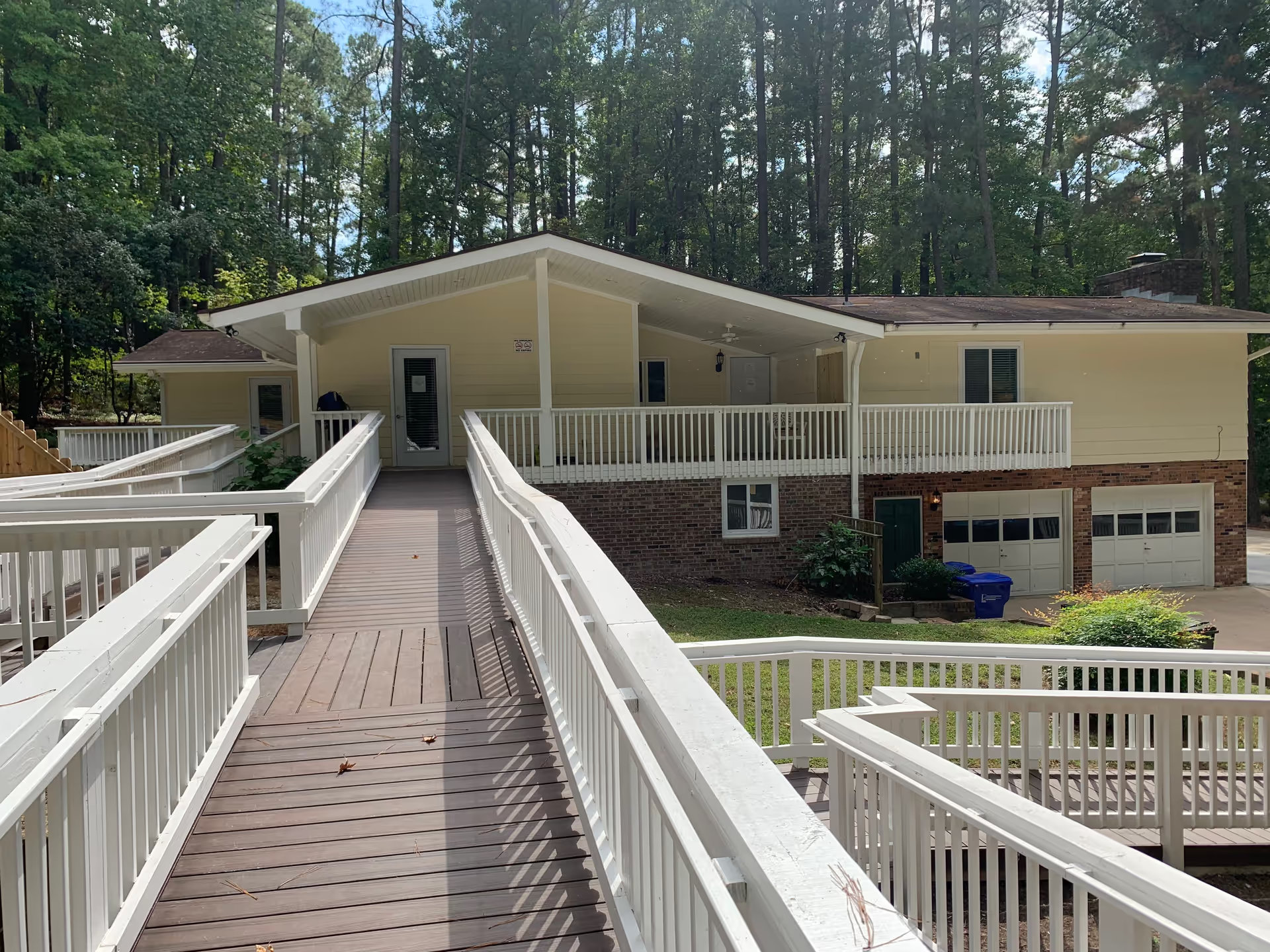
Facilities and environment: The facility’s grounds, parking, wide halls, and bright common areas receive favorable comments. At the same time, reviewers identified aging infrastructure and dated furnishings in resident rooms and some common spaces, along with odor concerns and occasional sanitation issues in select areas. These observations indicate that while public spaces are often well kept, some interior maintenance and environmental-control issues may need attention.
Notable patterns and considerations: The dominant theme is variability — many positive testimonies about compassionate care, effective rehab, and a pleasant environment coexist with reports of inconsistent professionalism, responsiveness, and coordination. This polarization suggests that individual experiences may depend on staffing patterns, specific caregivers, or particular units. Prospective residents and families may benefit from focused questions on staffing levels, transportation and appointment processes, cleanliness protocols, and recent maintenance updates during a tour to assess whether the facility’s strongest features match their needs.