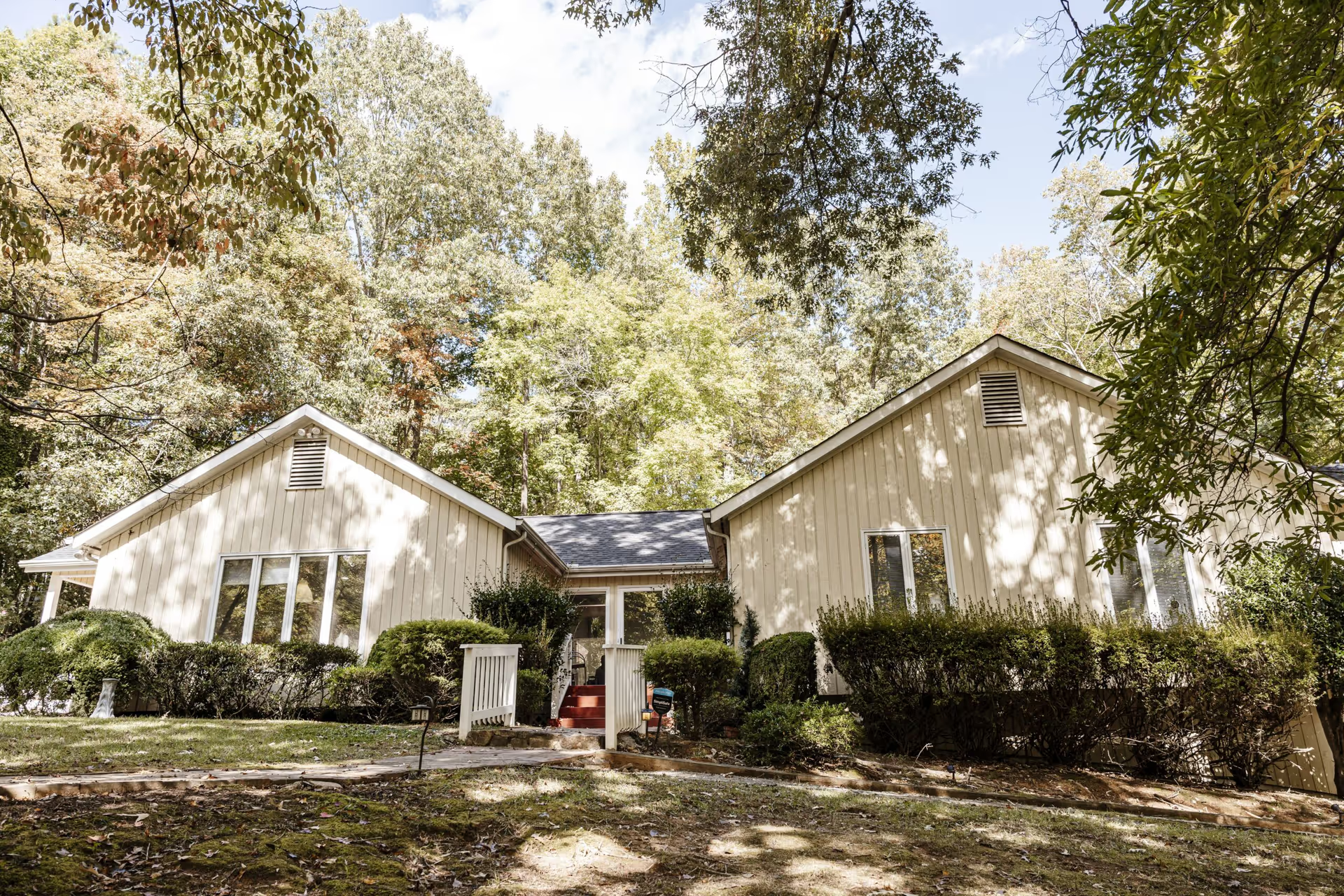
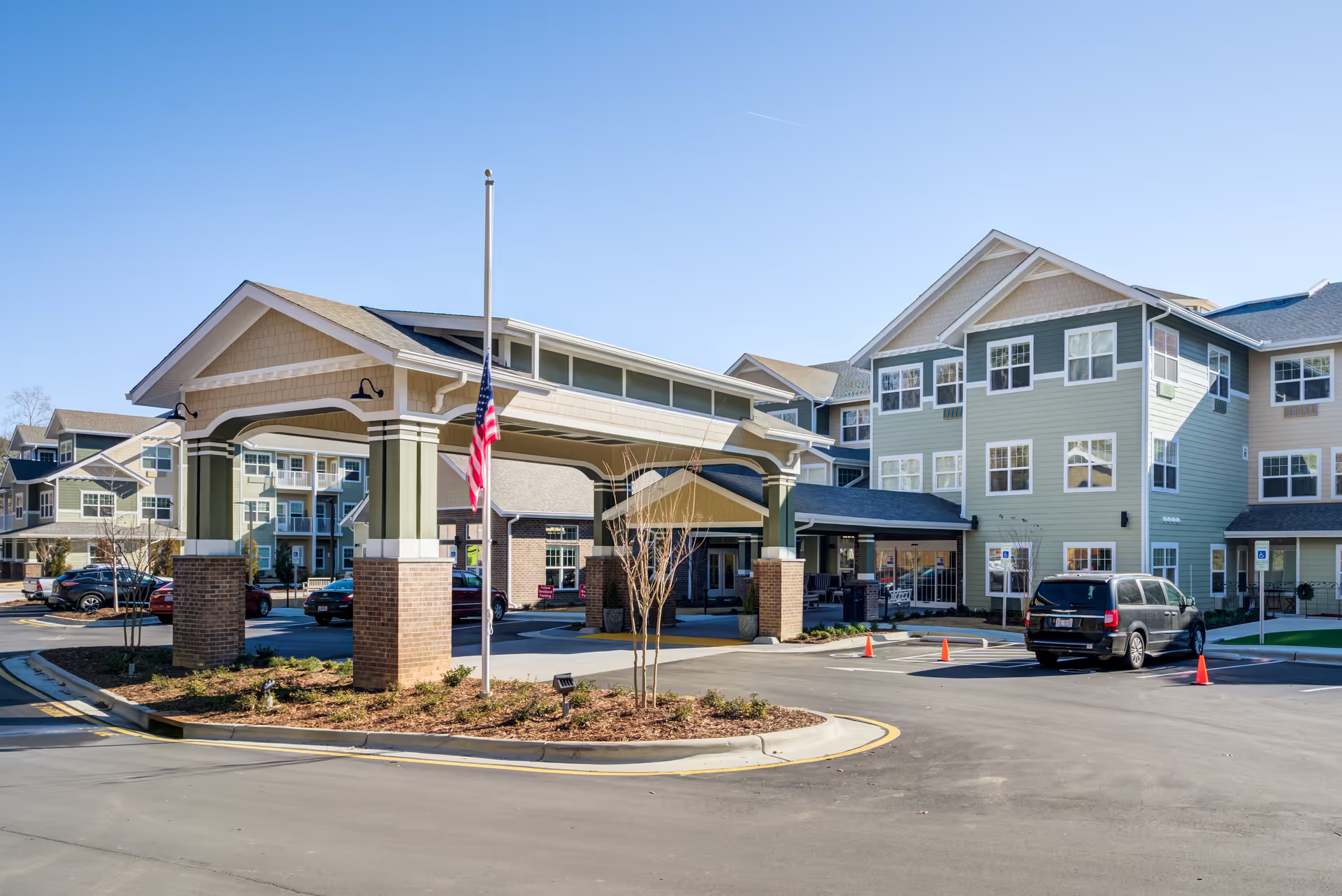
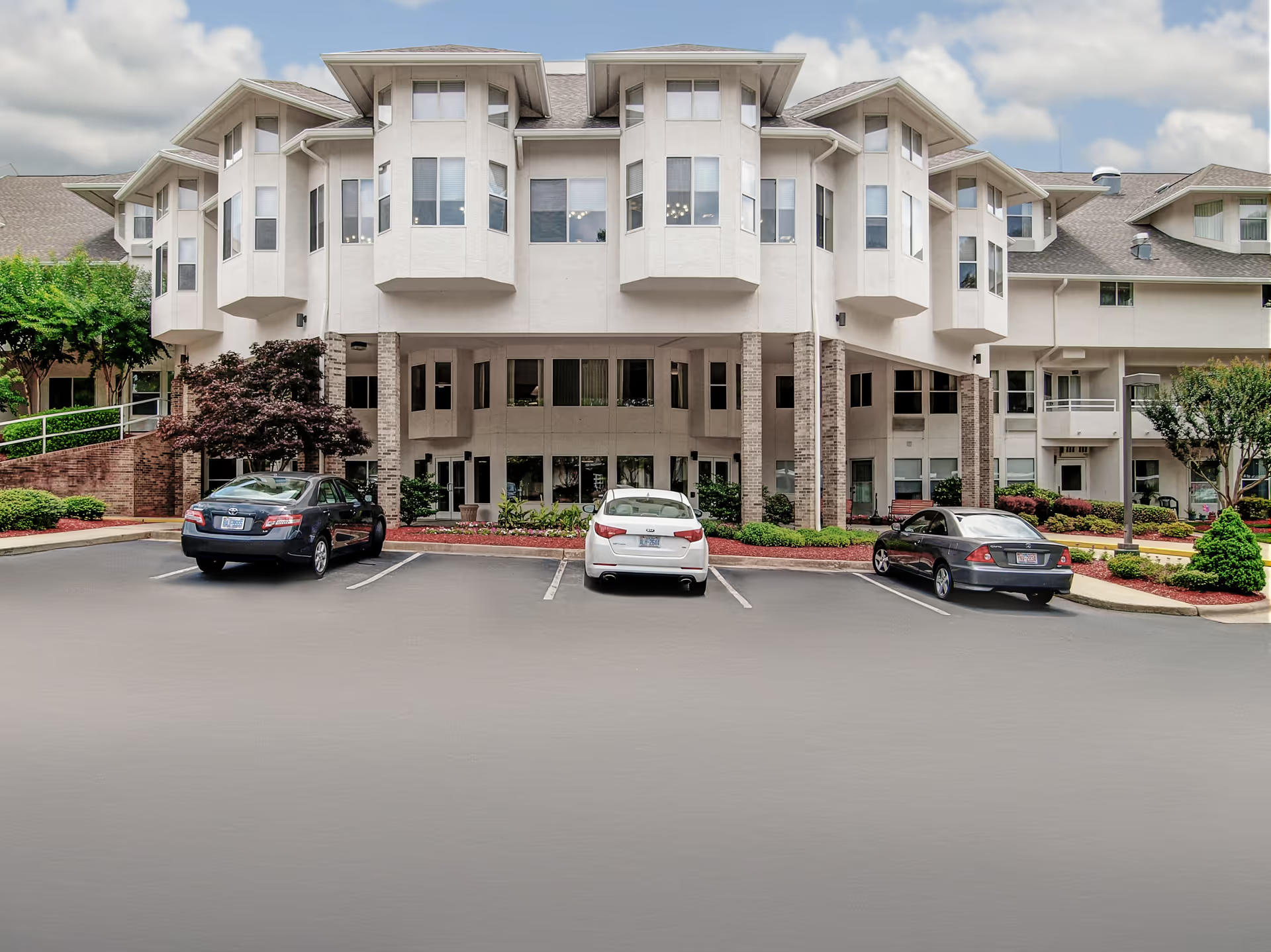
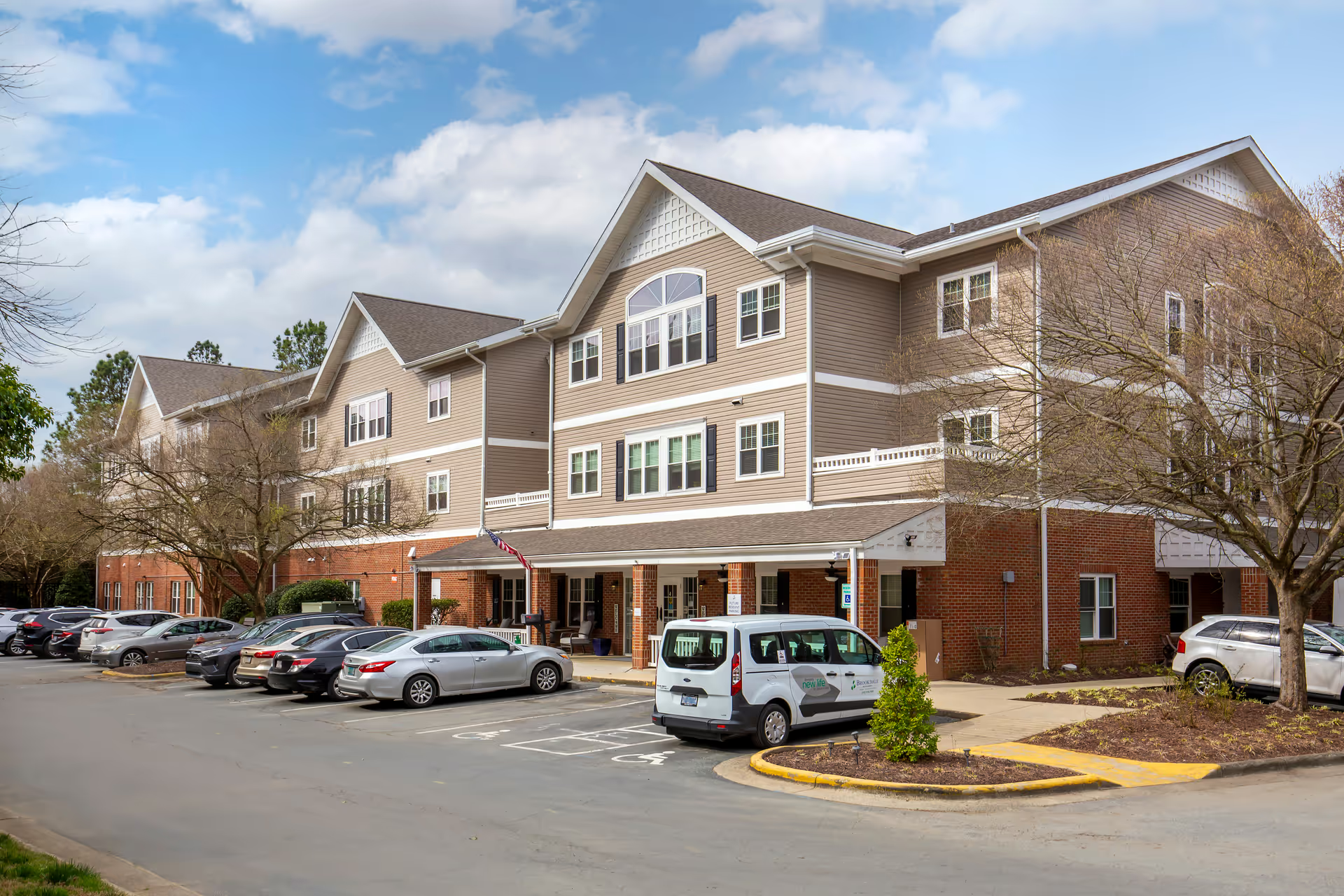
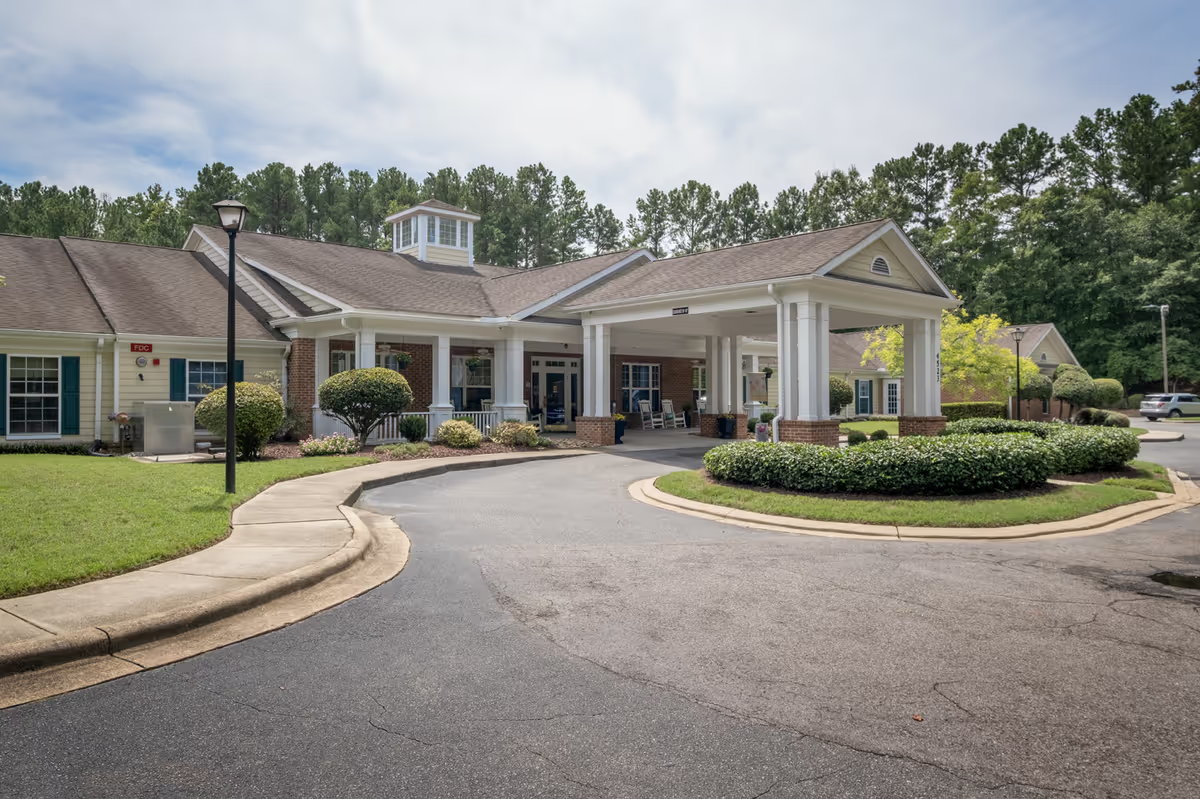
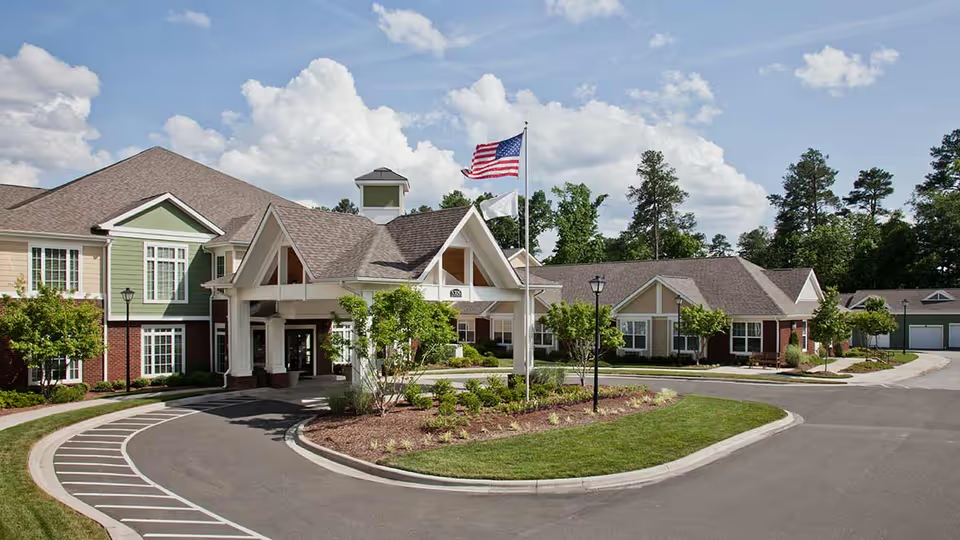
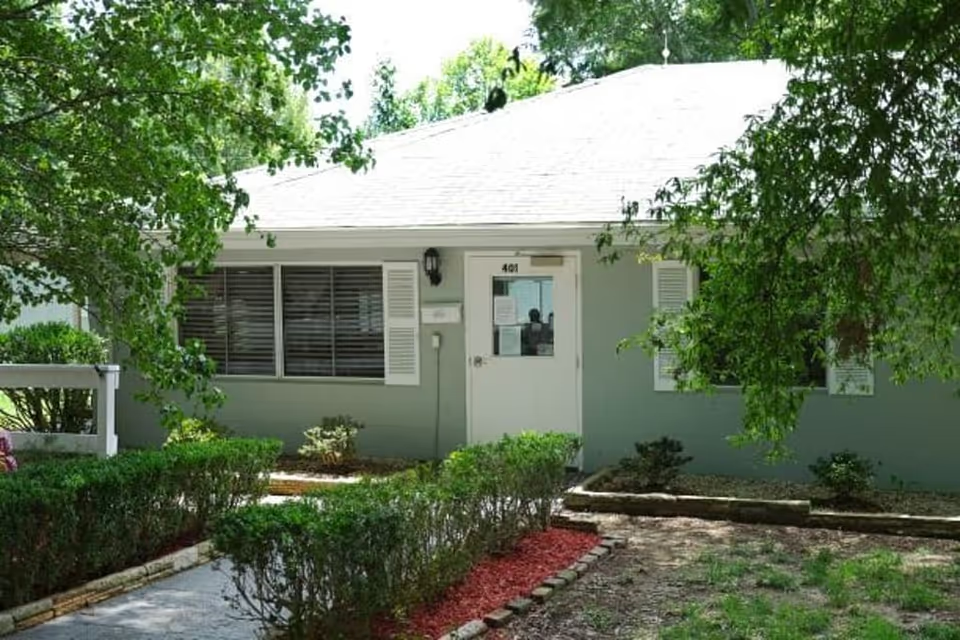
LiveWell @ Duke Forest is described as a small-house, microcommunity-style provider with many features families find attractive: a homelike atmosphere, a focus on dementia-friendly care, low staff-to-resident ratios, and well-kept grounds that include walking trails and a heated indoor pool with professional aquatic therapy. Numerous observers praised direct-care staff as compassionate, patient, and attentive; many accounts describe close supervision, individualized attention, and staff who take time to engage residents. The environment is frequently characterized as clean, comfortable, and tranquil, with welcoming common spaces and a family-like culture in several of the homes.
At the same time, there are recurring operational concerns that prospective families should weigh. Medication-administration practices are the most prominent area of concern: reviewers described inconsistencies in how medications are given and in following physician or consent orders. Related to this are gaps in privacy and consent procedures, including allegations of monitoring without documented consent, which raise compliance and family-trust issues. Communication and follow-through from management are uneven—some families report clear, proactive leadership and an attentive executive director, while others describe unprofessional phone interactions, poor responsiveness, and failure to deliver promised services.
Dining and program offerings are another mixed area. Several homes are noted for home-cooked meals and residents dining together, while other accounts point to limited kitchen capacity, packaged meals, difficulty accommodating special diets (for example, gluten-free needs), and promised activities or outings that did not materialize. Staffing reliability also appears variable: where consistent caregiver assignments are maintained, families report strong relationships and continuity of care; where staffing shortages or turnover are present, families expressed safety and service-delivery concerns. Maintenance responsiveness likewise varies—common praise for cleanliness coexists with reports of delayed repairs or inconsistent upkeep in specific situations.
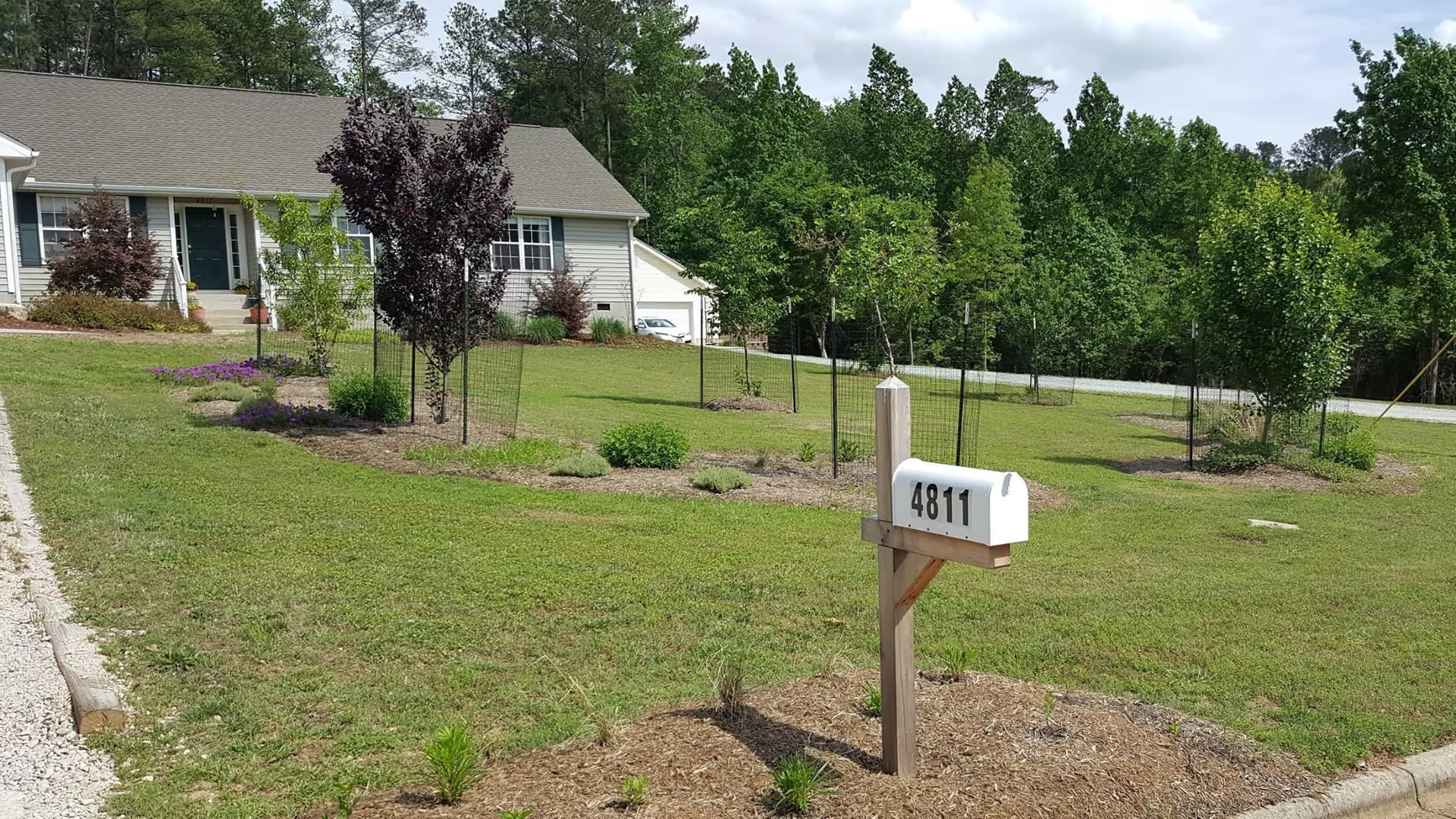
Facilities and amenities are frequently highlighted as strengths: scenic wooded settings, a calm porch and common areas, well-decorated homes, and safety features such as a new sprinkler system. Pricing is noted as relatively high, and families should consider cost against the level of services and consistency they require. In summary, LiveWell @ Duke Forest offers many features associated with high-quality small-house memory care—compassionate staff, individualized attention, and attractive grounds—but prospective families should explicitly evaluate clinical controls (especially medication procedures), privacy/consent policies, staffing stability, dining accommodations for special diets, and management responsiveness during their tour and contract discussions.
Practical suggestions for families: verify written medication-administration policies and audit practices, request the facility's privacy/monitoring consent procedures, ask about staff turnover and typical caregiver assignment continuity, sample menus and special-diet accommodations, examples of recent activity calendars and outing frequency, and typical maintenance-response times. Observing staff–resident interactions during a visit and asking for references from current families can help clarify whether the particular home you are considering reflects the positive patterns or the operational inconsistencies described above.