Review feedback for Clear Creek Nursing and Rehabilitation Center is mixed, with consistent praise for clinical rehabilitation services and the facility’s physical environment alongside repeated operational and management concerns. Strengths center on the rehabilitation and therapy program, wound-care nursing, and portions of the direct-care team; weaknesses center on staffing consistency, responsiveness, and administrative practices.
Care quality: Many families highlight strong outcomes from the therapy team (PT/OT/ST), a large, well-equipped gym, and effective wound-care interventions that led to measurable improvement for certain residents. These accounts suggest capability in rehabilitative and specialty nursing care when clinical resources are present. At the same time, reviews describe variability in basic nursing and personal-care tasks: delays in medication administration, inconsistent assistance with toileting and repositioning, and intermittent gaps in monitoring that contributed to falls or infection concerns. There are repeated mentions of challenges coordinating end-of-life and hospice needs.
Staff and management: Reviewers praise specific caregivers and departments — named nurses, CNAs, reception and admissions staff — for compassion and clear communication. However, staffing patterns appear inconsistent; agency personnel and night/weekend coverage are cited as points of variability. Several comments describe differences in conduct and responsiveness between shifts, and multiple reviews identify slow callbacks, unanswered phones, and a perceived lack of managerial follow‑through. Administrative stressors also include disputed billing, unclear charge explanations, and slow resolution of paperwork or insurance submissions.
Dining, activities, and amenities: The facility’s dining and activity offerings receive generally positive remarks: appealing dining spaces, holiday and weekly programming (bingo, chapel activities), and dietary tailoring for health needs. Some reviewers found the food bland or suggested bringing personal seasonings. On-site conveniences such as a salon, multiple dining areas, and a welcoming admissions process were noted as facilitators of transition and family engagement.
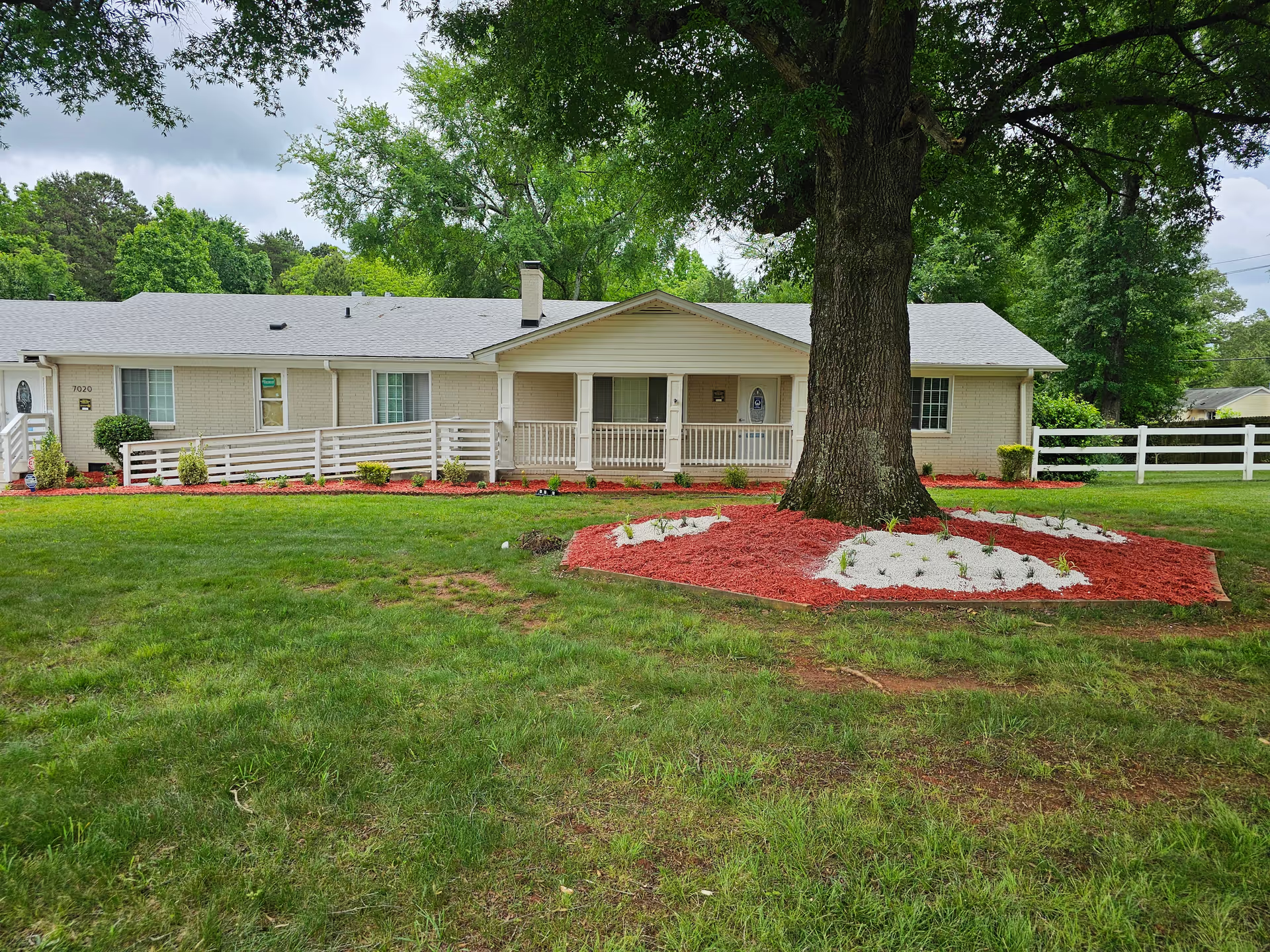
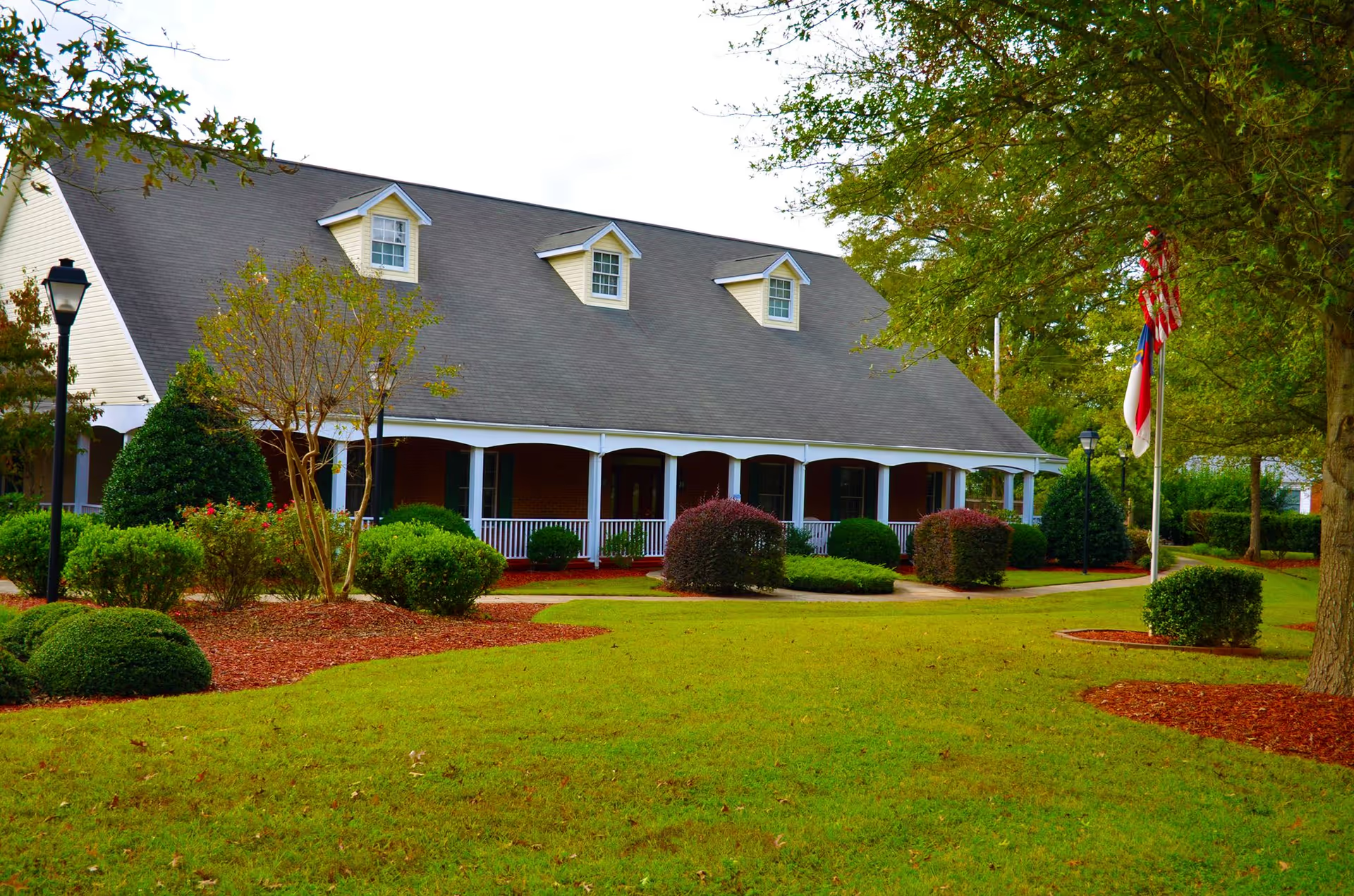
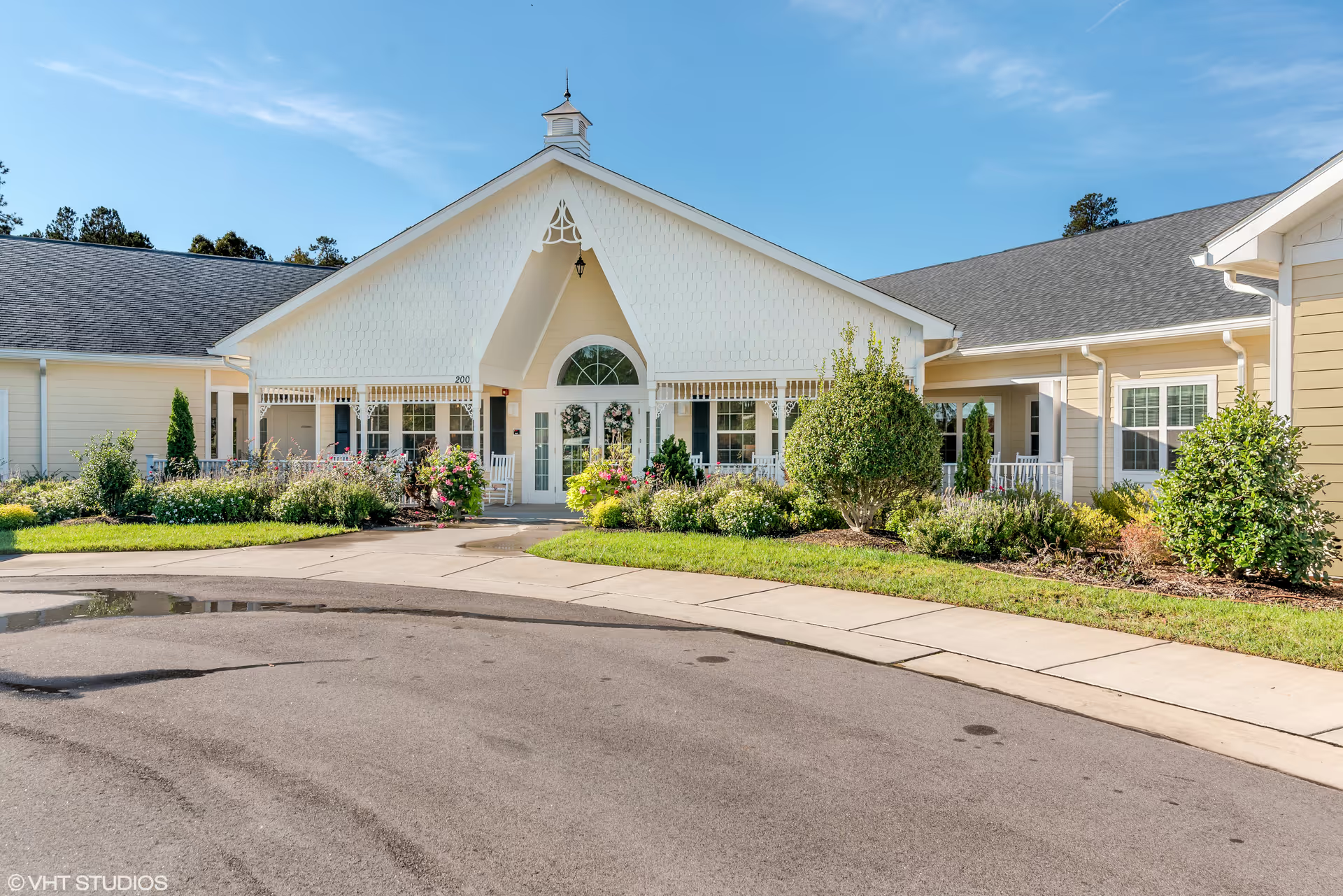
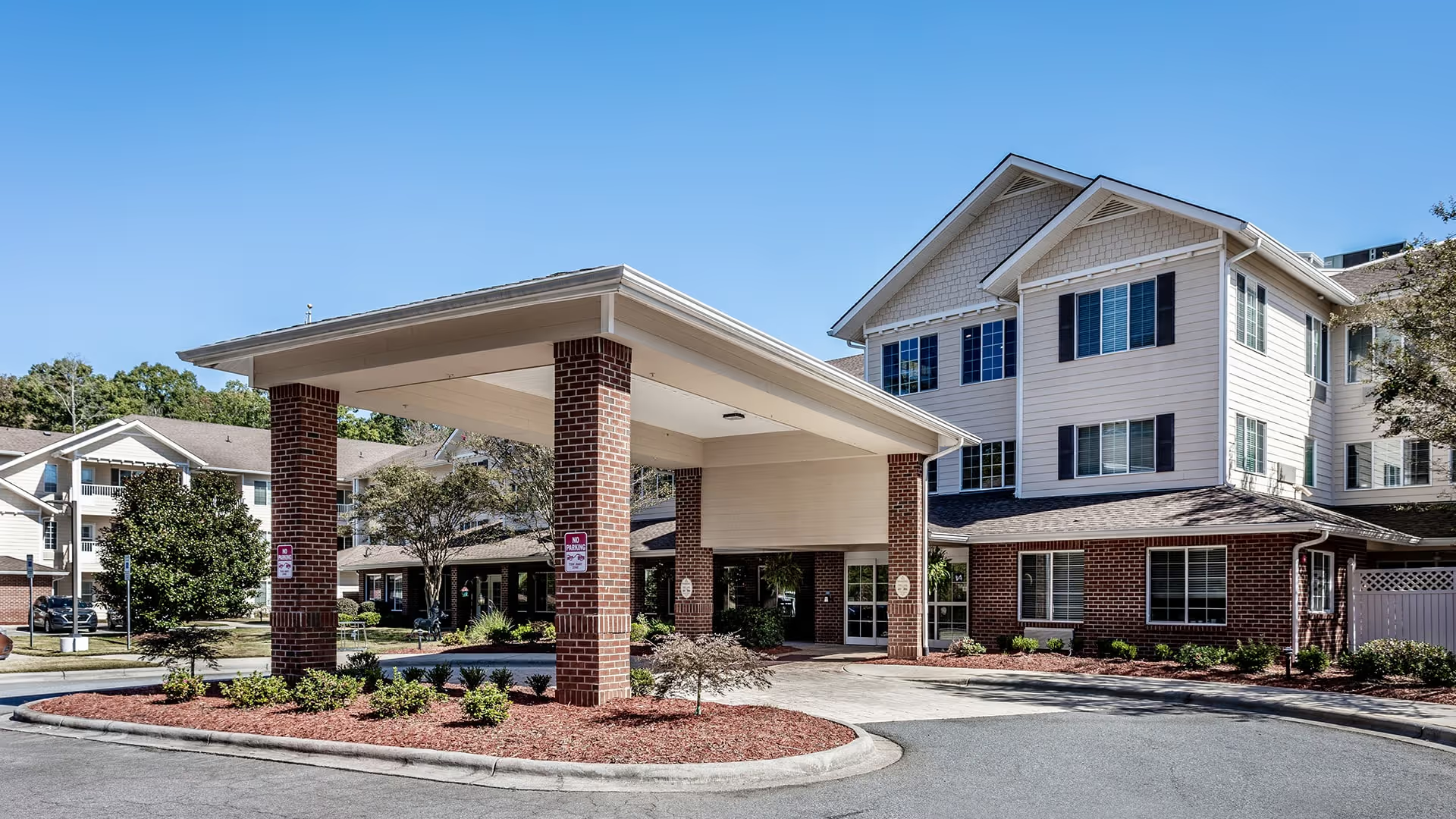
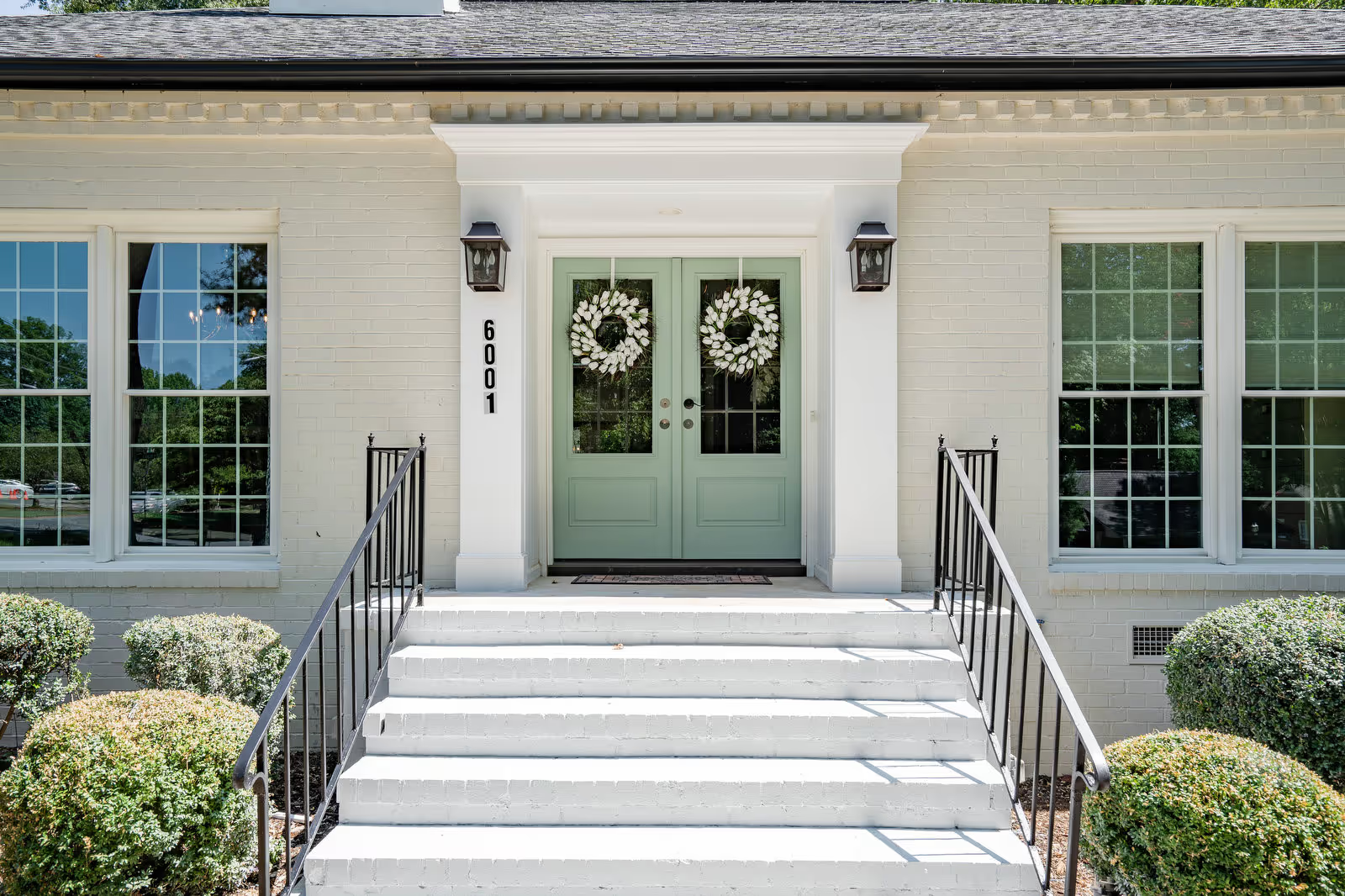
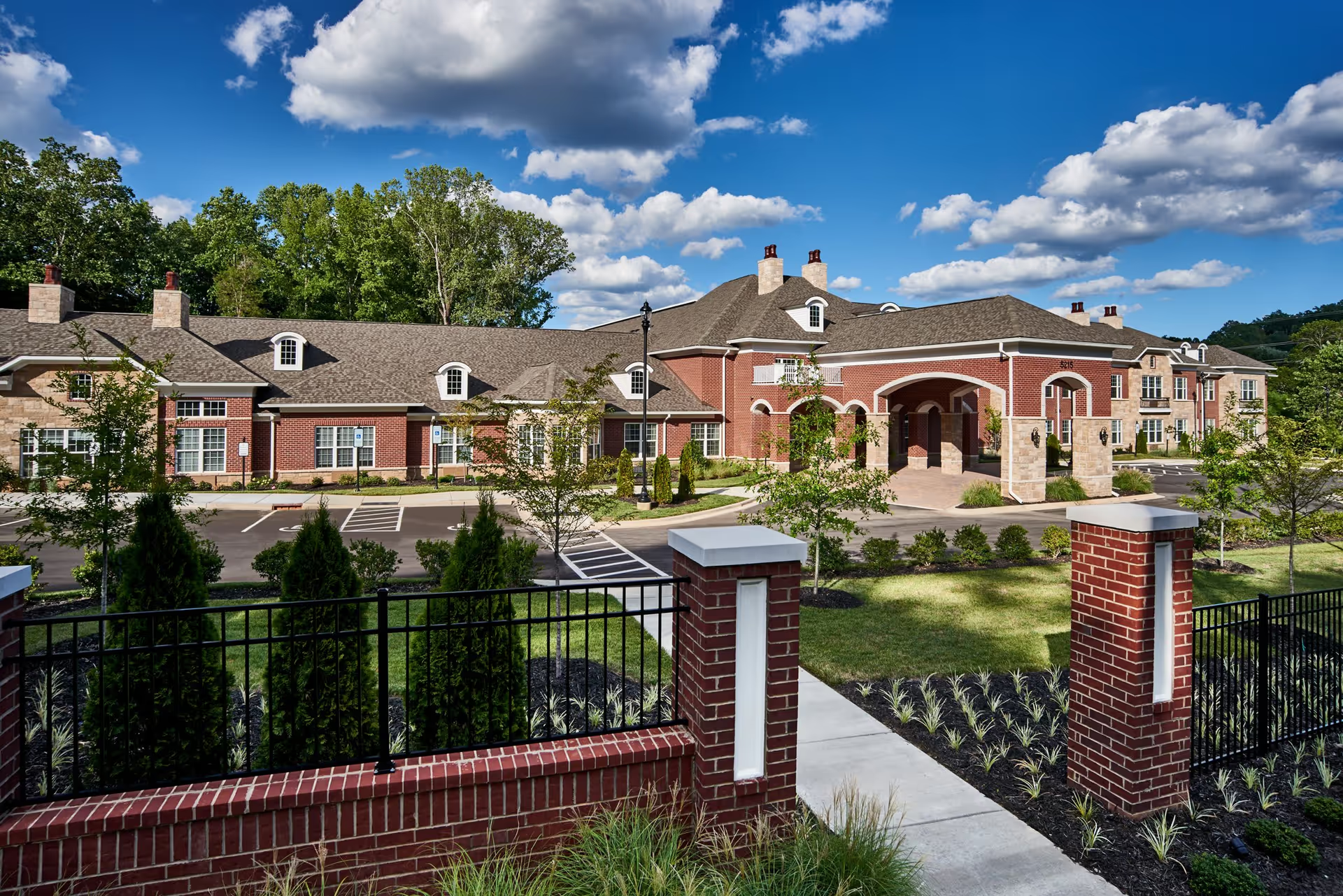
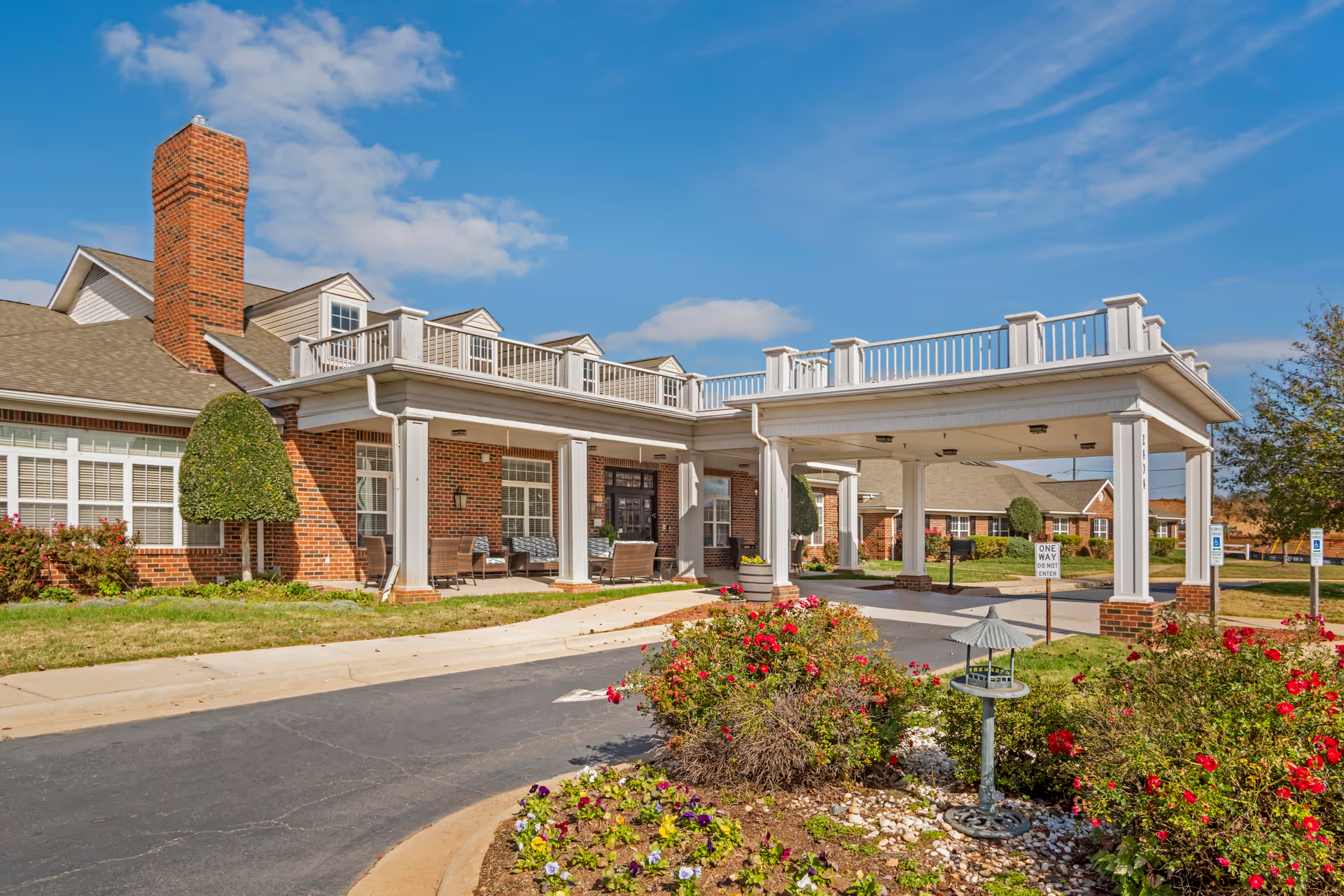
Facilities and environment: The center is frequently described as clean, modern, bright, and attractively maintained with a pod-style layout and barrier‑free showers. The physical plant and therapy areas are considered strengths that support rehabilitation goals. A number of reviews, however, reference localized sanitation and pest‑control concerns, and some families reported missing personal items tied to laundry or property processes.
Notable patterns and guidance: The overall pattern is one of clinical capability combined with operational inconsistency. When staffed and supervised effectively, the facility provides strong rehabilitative care and family communication; when staffing or administrative systems falter, families report delays in basic care, medication timing issues, laundry/property problems, and billing disputes. There are isolated, serious allegations involving staff conduct and legal action; these underscore the importance of verifying current staffing ratios, medication and wound‑care protocols, infection‑control status, and the facility’s processes for lost property and billing before placement. Prospective families may benefit from asking about shift staffing, weekend/night coverage, how call‑bell and phone responses are tracked, recent inspection findings, and examples of how the facility has addressed past complaints.