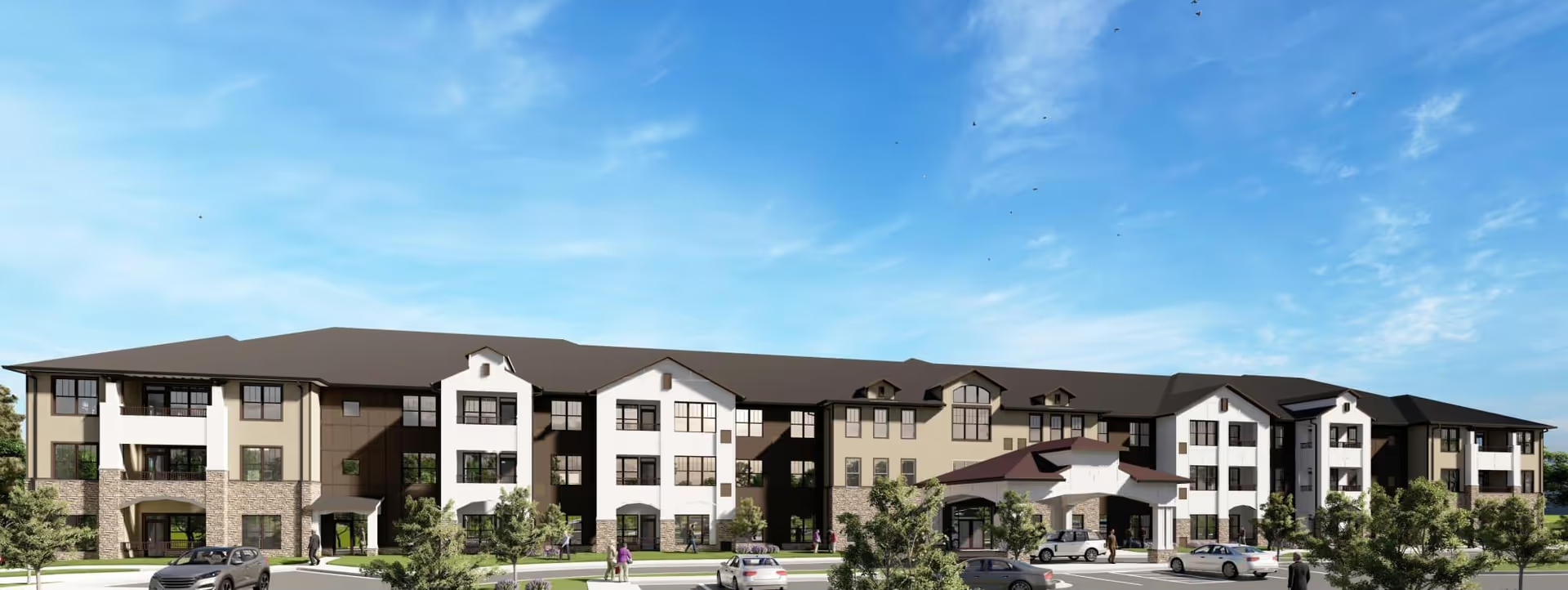
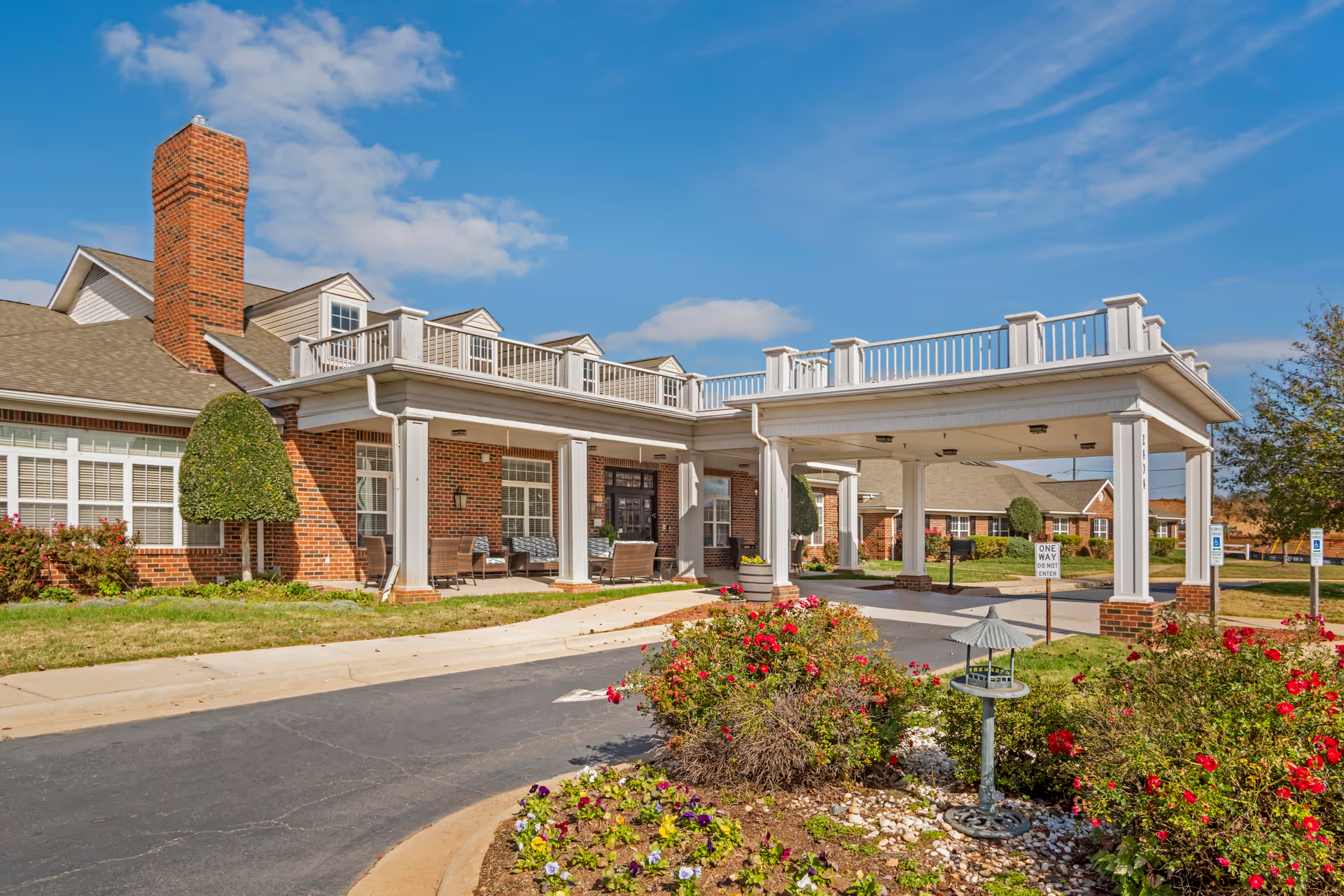
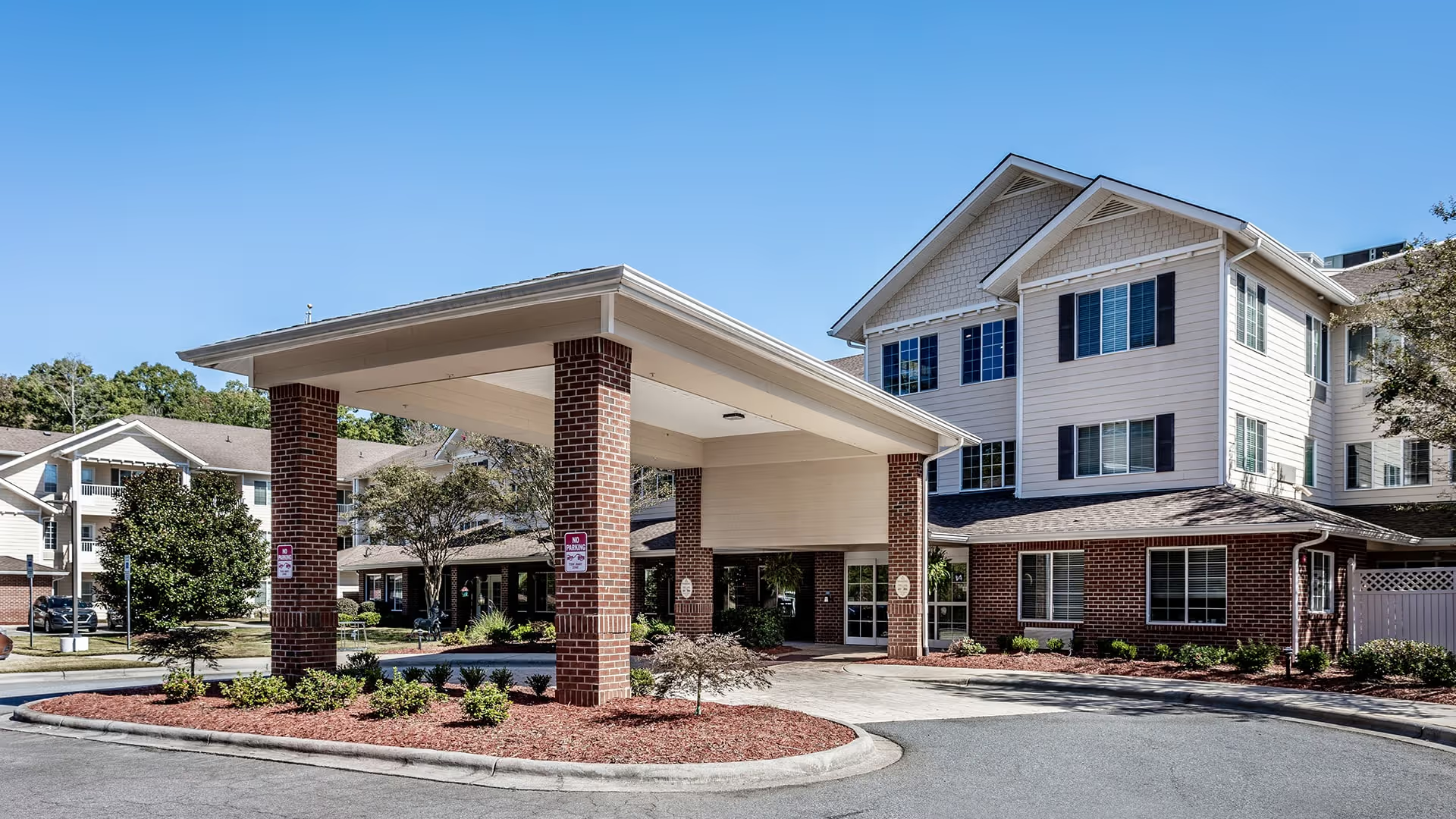
The reviews describe a facility with strong strengths in rehabilitation and environmental presentation but also persistent operational weaknesses. Many families and former residents praised the PT/OT services, therapy gym/pool, skilled therapists, and several nursing and CNA staff members who provided attentive, compassionate care. Housekeeping and room cleaning are frequently described as excellent, and the building’s appearance and amenities receive consistent positive mention. The nutrition team and dining areas are also highlighted for engagement and some well-prepared meals, and volunteers and activity programming contributed positively to resident experience during several stays.
At the same time, a recurring theme is chronic understaffing and inconsistent staffing patterns. Reviewers reported long waits for assistance, delayed call-bell responses, and uneven availability of staff across shifts (particularly nights and weekends). That staffing pressure appears to be associated with operational gaps: delayed or missed medication administration, inconsistent hygiene and incontinence-care assistance, lapses in linen and supply management, and occasional safety events such as falls or transfer-related issues. Several reviews describe heavy reliance on agency personnel and high staff turnover, which reviewers linked to variability in care quality and less continuity for residents.
Communication and management practices are another prominent pattern. Some families praised individual leaders and newer management for responsiveness and improved processes, but a sizable number of reviewers reported difficulty getting timely updates, limited administrative availability after hours, problems with admission/discharge coordination, and ongoing billing or arbitration disputes. Infrastructure and logistics also received repeated criticism — broken or absent room phones/intercoms, inconsistent laundry service, and meal-temperature/variety problems were cited across multiple accounts.
There are a few serious concerns referenced by reviewers that extend beyond routine operational complaints, including allegations of financial coercion and questions about consent for certain medications. These are described by a minority of reviewers but are matters that families and advocates typically treat as high priority to verify during intake and oversight. In addition, reviewers mention infection-control and visitation-policy impacts related to COVID-era restrictions; families should clarify current policies directly with facility leadership.
For families considering this facility: weigh the clear strengths in rehabilitation, therapy, housekeeping, and certain compassionate staff against the documented patterns of understaffing, communication gaps, and supply/medication management inconsistencies. When evaluating the facility in person, ask about current staffing ratios by shift, weekend and night physician coverage, call-button response targets, linen and supply protocols, medication-administration safeguards, recent regulatory findings or ombudsman contacts, and specific discharge/billing procedures. Meeting therapy staff, touring the therapy areas, and requesting references from recent families who completed rehab stays can help distinguish whether a prospective admission is likely to align with the better outcomes described in many reviews or to face the operational challenges documented by others.