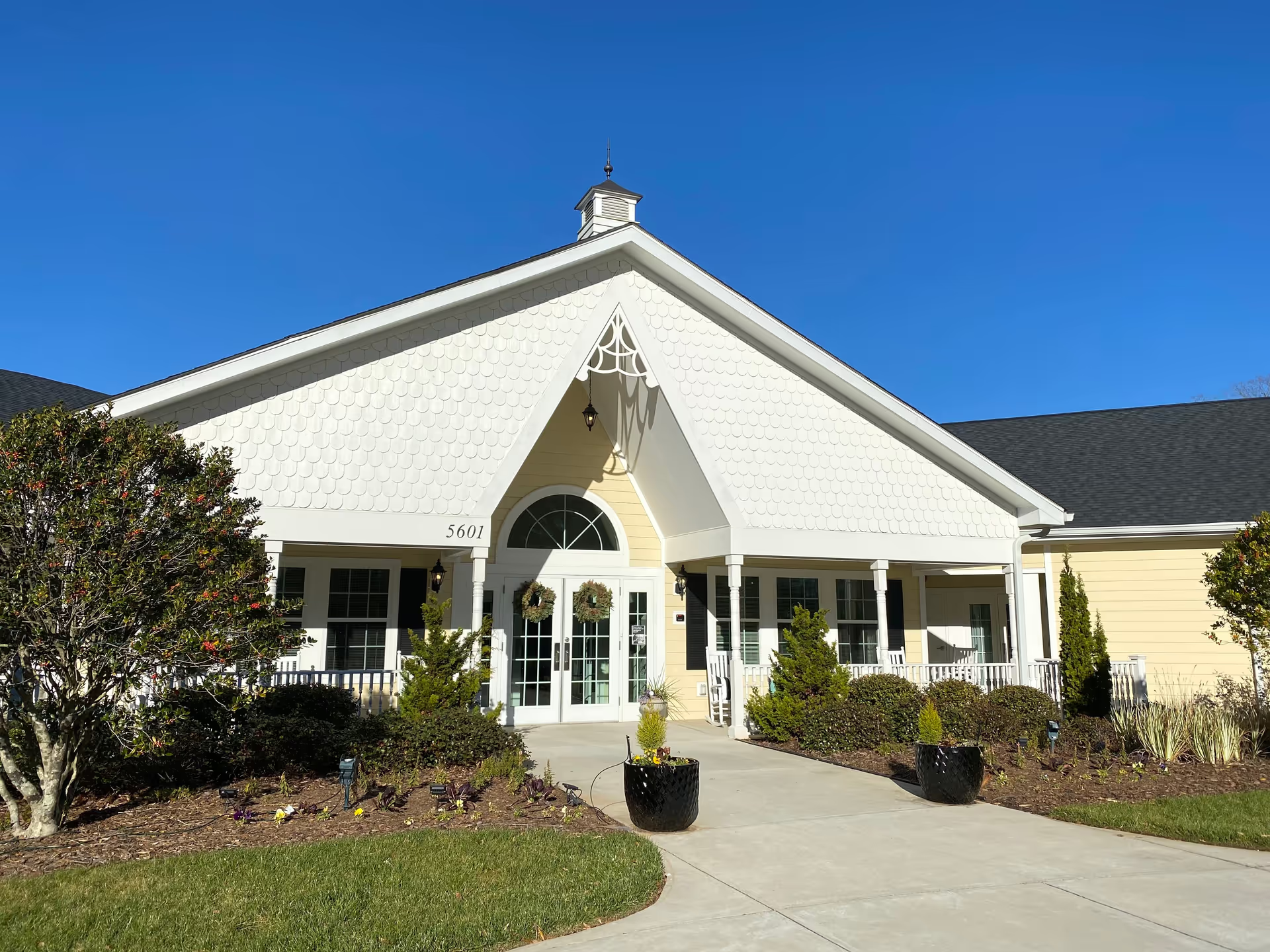
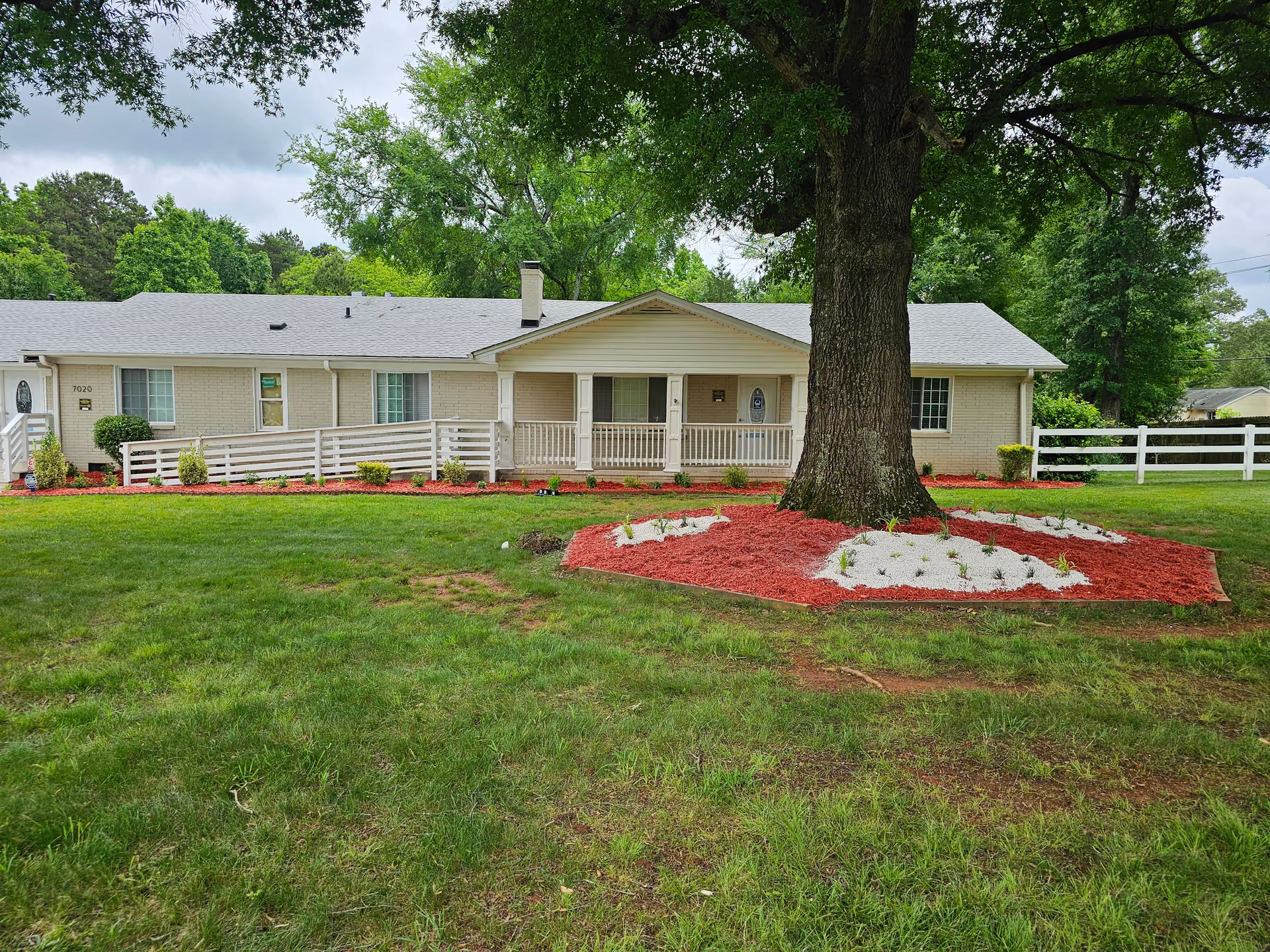
This facility elicits a strongly mixed set of impressions. Several families praised the clinical and rehabilitative aspects: a step-down/rehab atmosphere, well-equipped therapy programs, an effective exercise program, and knowledgeable hospice support. Multiple reviewers also described direct-care staff as caring and friendly, and some visitors characterized interior common areas as clean and well maintained. The combination of clinical capacity and positive experiences with therapy and hospice contributes to the facility’s demand and waiting list status.
At the same time, there are recurrent operational concerns that affect perceived quality of care. Reviewers raised problems with housekeeping consistency and overall sanitation, including specific issues in bathing and shower areas and lingering odor concerns. Pest-control concerns were described in relation to resident rooms and personal spaces. Several comments point to gaps in incontinence-related care and related procedures, and to delays in attending to resident needs. These issues appear to contribute to family discomfort and diminished confidence in day-to-day care practices.
Staffing and communication patterns are another notable theme. While many families found individual staff members to be compassionate, others reported delayed responses to call bells, limited physician contact, an unresponsive social-work function, and instances where staff accountability was questioned. Understaffing and staff time spent on noncare activities were described as contributing factors. There are also reports of clothing and personal-property management lapses and of administrative practices—such as discharge decisions tied to insurance/billing—that families found inflexible.
Management and policy items were repeatedly mentioned. Visitation limits and quarantine protocols during rehabilitation periods were described as restricting family involvement. A small number of reviews expressed concerns serious enough to prompt calls for external regulatory review; families raising such concerns cited a need for clearer incident follow-up and stronger clinical oversight. At the same time, other families expressed satisfaction with hospice coordination and aspects of clinical care, indicating variability in experience across units and shifts.
For prospective residents and family members: consider an in-person visit focusing on housekeeping routines, pest-control protocols, bathing/maintenance procedures, staffing levels at different shift times, continuity of clinical oversight, property-handling policies, and the facility’s approach to family communication and visitation during clinical events. Ask management for documentation of infection-control measures, staffing ratios, and recent corrective actions addressing the sanitation and responsiveness issues described by families.