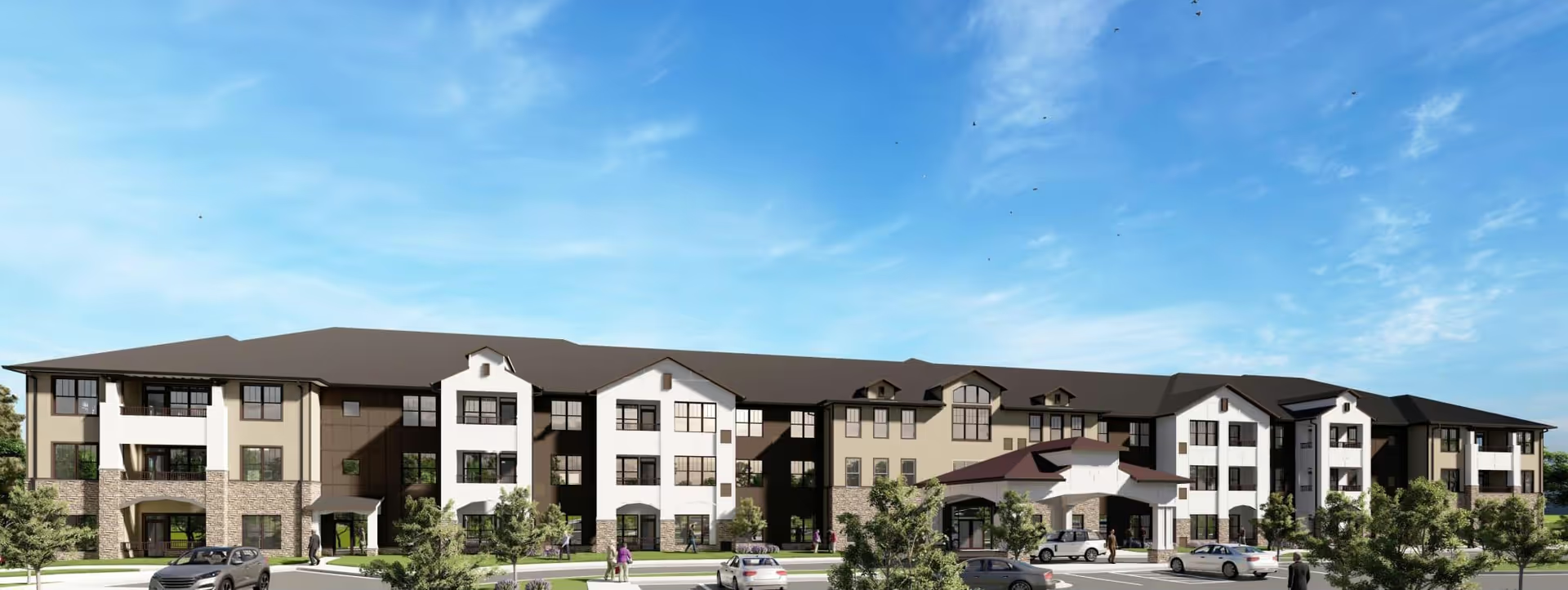
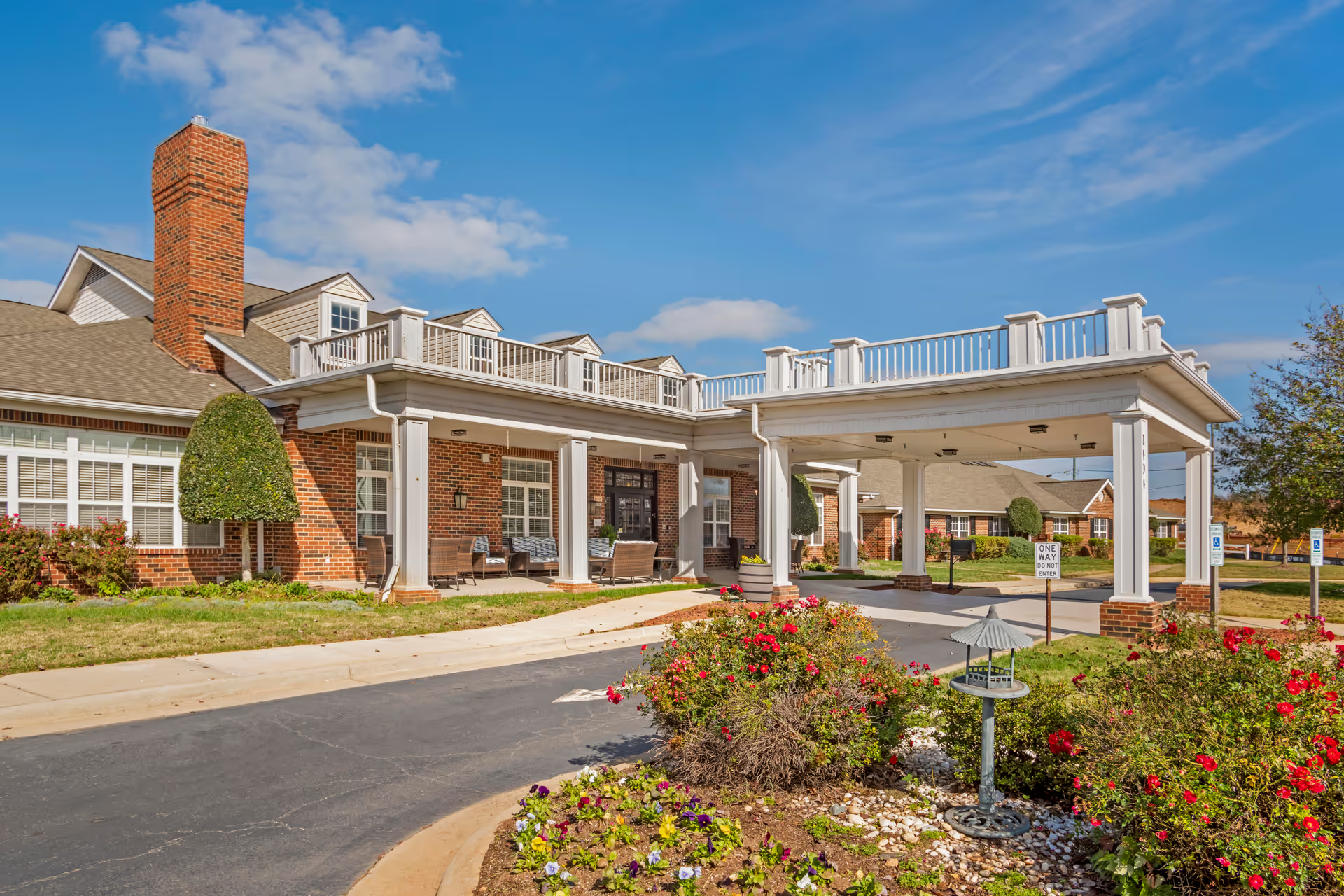
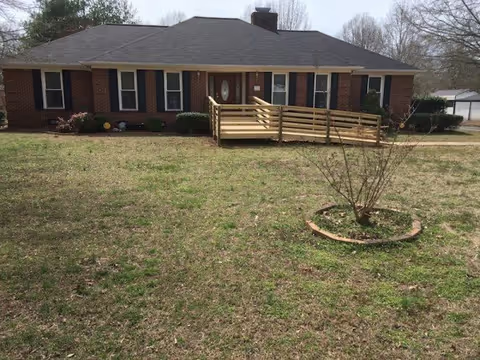
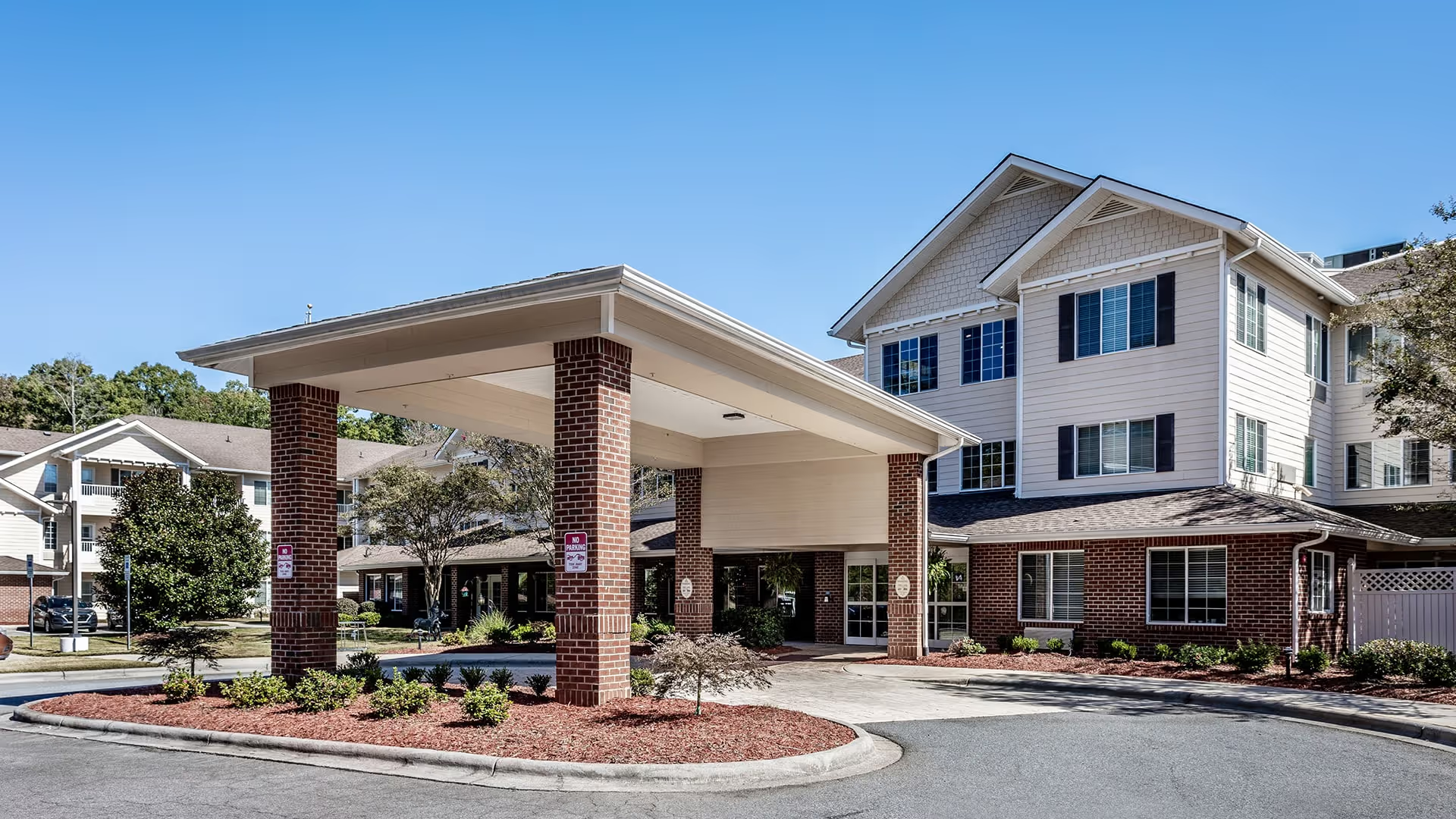
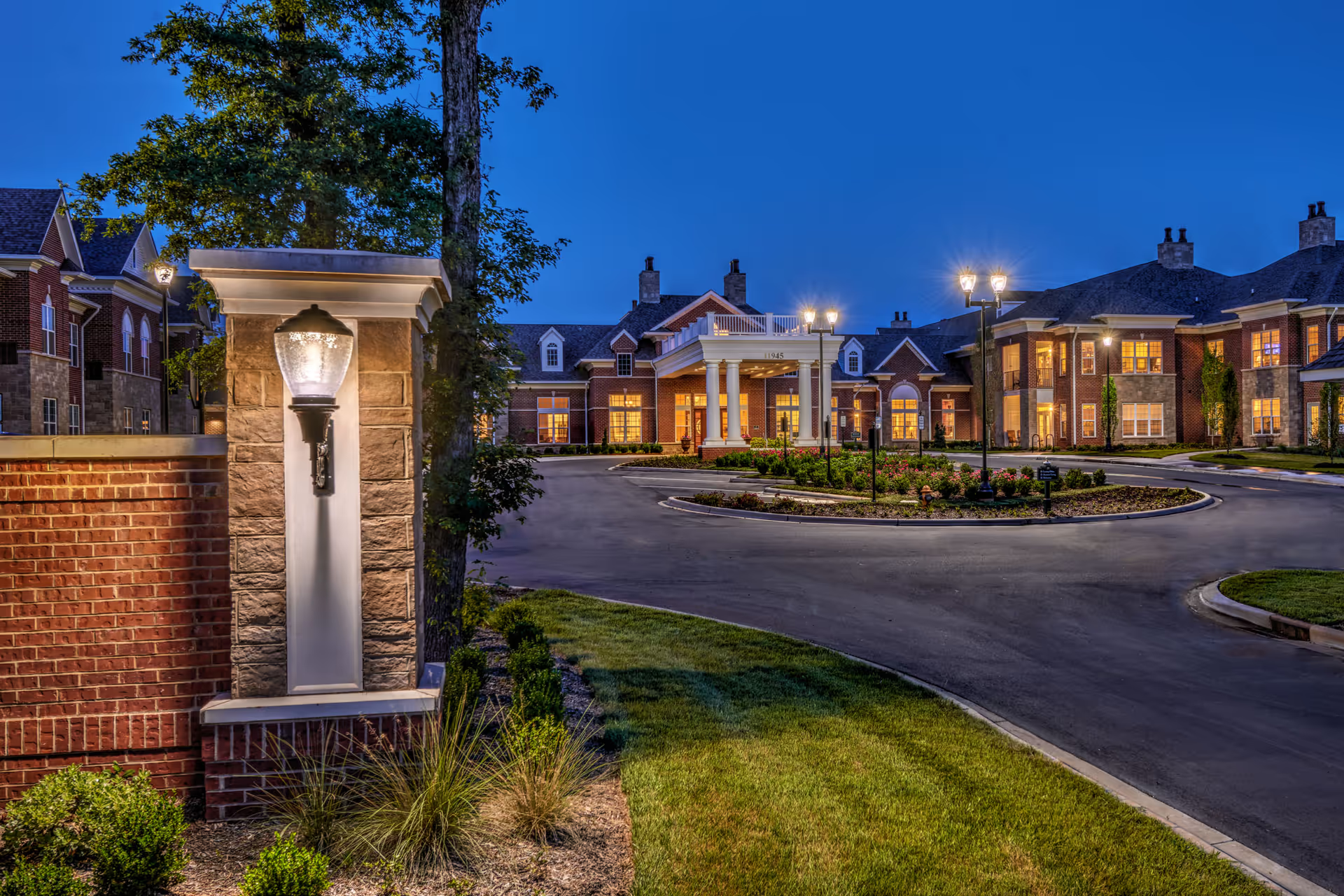
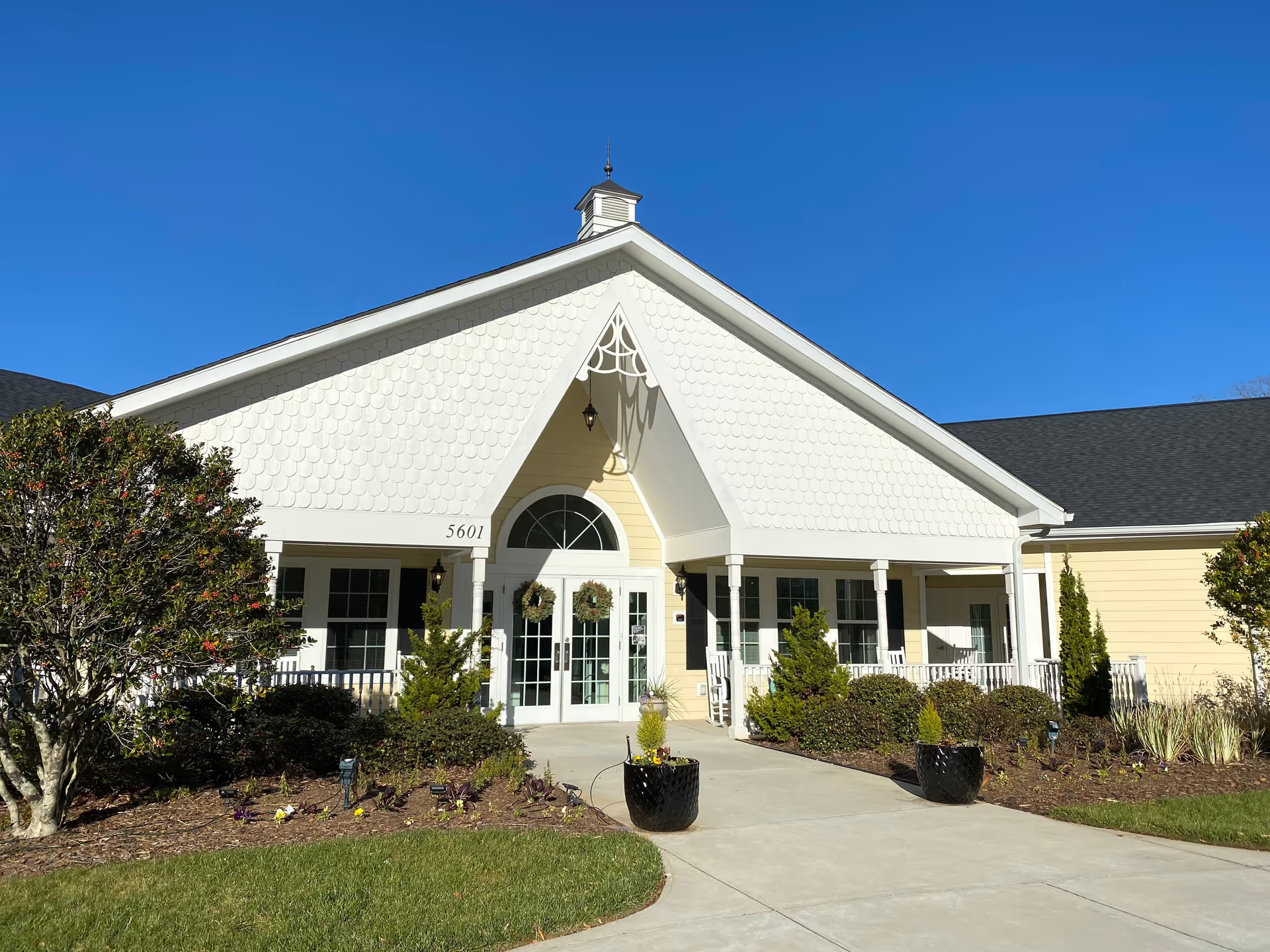
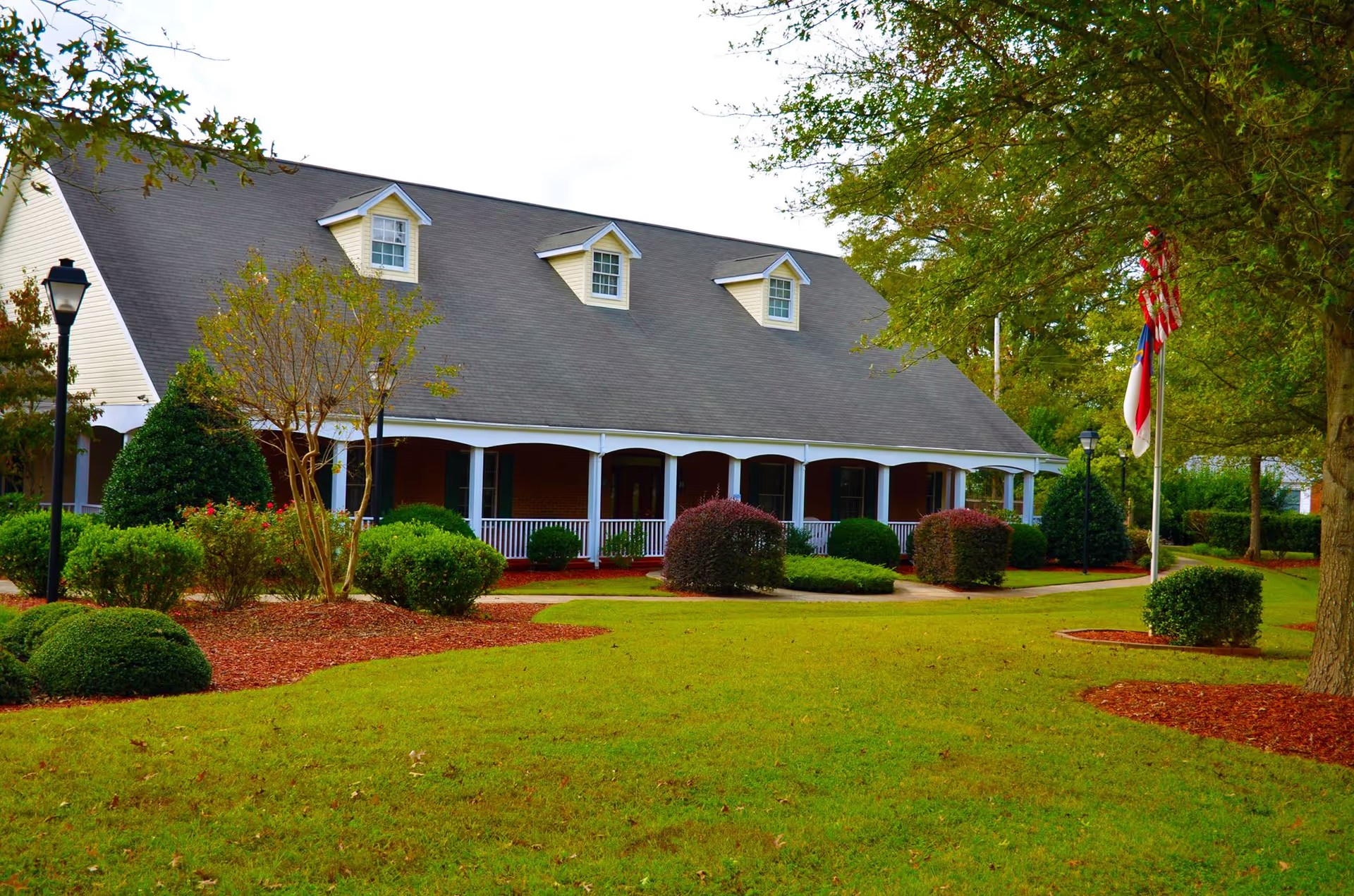
Reviews present a mixed picture: the community offers many features families value — a welcoming exterior, well-appointed common areas, bright rooms, regular social spaces and an active front porch — and numerous reviewers praised compassionate frontline caregivers, a capable memory-care coordinator, and instances of strong hospice coordination. When operations align, residents are described as content, engaged in activities such as gardening and family dinners, and supported by staff who are professional and personable.
Care quality shows notable variability. Positive accounts highlight attentive bedside care and consistent medication administration under some leadership teams. At the same time, several accounts raise concerns about clinical-process reliability: gaps in documentation, questions about medication management, and inconsistent application of consent procedures. There are also reports of delayed responses to clinical events and of emergency-alert systems not functioning reliably. There are allegations of unauthorized medication administration and unconsented lab work in a limited number of accounts; such claims suggest the need for careful verification of current clinical controls before placement.
Staffing and team stability are recurring themes. Many families praised individual caregivers as compassionate and knowledgeable, and a number of reviewers credited new or engaged managers for improvements. Conversely, high staff turnover, frequent management change, and use of temporary or agency personnel were cited repeatedly as contributors to uneven care continuity and training gaps. These patterns are linked in reviews to inconsistent communication with families, including delayed or absent notifications about changes in condition.
Dining and activities receive mixed feedback. Some reviewers describe satisfying meals, themed family dinners, and a range of daily activities that promote socialization. Others note limited programming for residents with higher-care or memory needs, canceled or incomplete activity offerings, and an absence of regular outings for certain care levels. Prospective families should confirm the current activity schedule and programming available for the specific level of care required.
Facility maintenance and privacy issues are also inconsistent. Many comments note clean, bright common areas and attractive décor, while other reports cite sanitation and maintenance lapses in particular areas (carpet and leak-related concerns), delayed repairs, and instances of privacy or room-access problems. These mixed observations suggest that housekeeping and maintenance performance may vary by area and over time.
Management and administration appear to be a pivotal factor in overall experience. Positive experiences were often tied to accessible, hands-on management and an executive director with clinical background. Negative experiences were commonly associated with unresponsive corporate contacts, inconsistent billing and pricing communication, and perceptions that financial considerations sometimes outweighed resident-focused decision-making. Several reviewers recommended verifying current leadership, recent inspection history, and billing practices before committing.
Overall, the community shows clear strengths in environment and in the dedication of many frontline caregivers, but multiple operational weaknesses emerge around staffing stability, clinical documentation and medication controls, communication with families, and maintenance consistency. Prospective residents and families should tour the community, ask specific questions about staffing ratios and turnover, review recent state inspection reports, inquire about incident-notification protocols and medication oversight, and confirm billing and Medicaid/insurance handling to ensure the facility’s current practices match expectations.