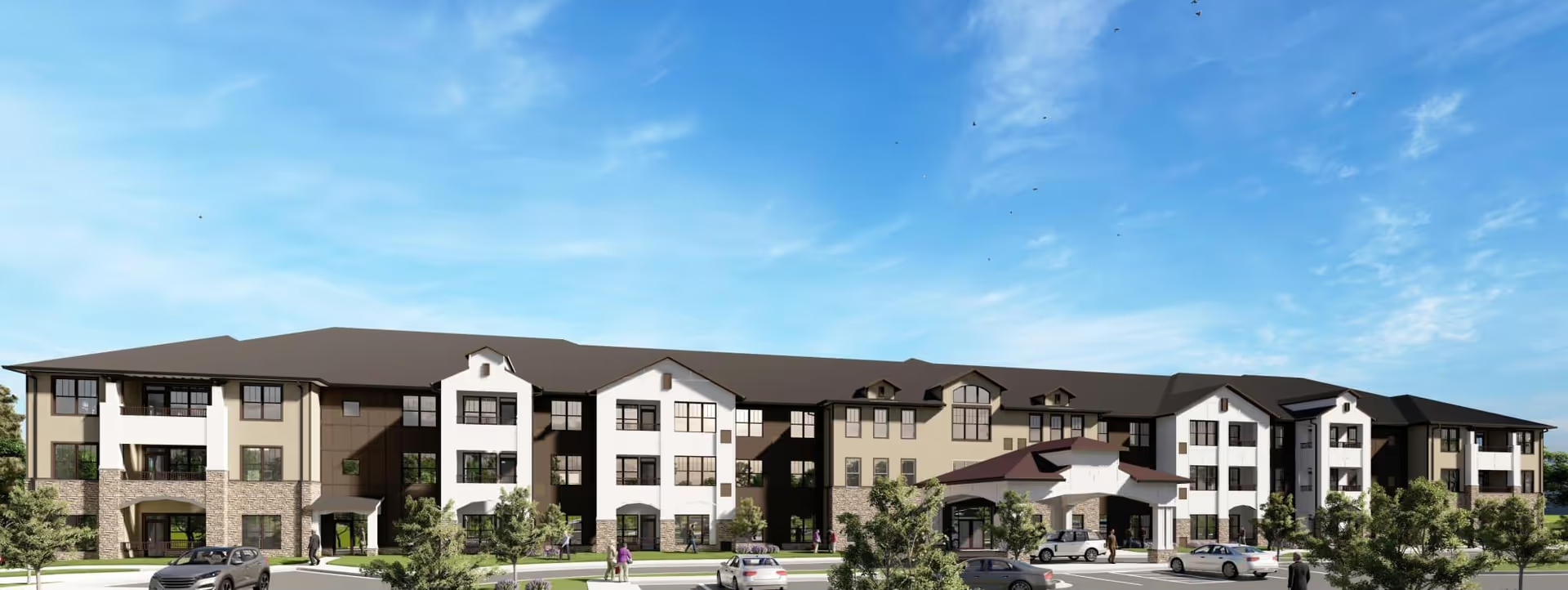
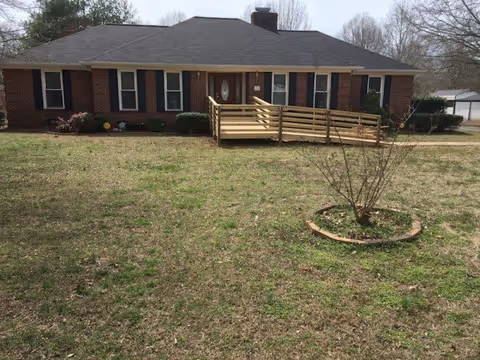
Overall impression: Woodridge presents as a campus with a broad continuum of services and several operational strengths, while also exhibiting notable variability across units and shifts. Families and residents complimented the presence of clinical staffing around the clock, on-site medical professionals and routine physician/NP visits, and designated memory-care staff who are described as trained and attentive. The campus offers multiple care levels, including independent living townhomes with meal service, assisted and memory care, which supports transitions in needs without relocating offsite.
Care and clinical oversight: Positive comments emphasize trained clinical staff and regular medical visits, which contribute to a sense of clinical oversight. At the same time, reviewers identified patterns that suggest gaps in clinical incident prevention and response — specifically fall-prevention practices and the facility’s handling of acute events that resulted in emergency department transfers or hospitalizations. Concerns about medication management were also raised, indicating a need for closer pharmacy/medication-administration review and family communication around medication changes.
Staff and management: Feedback about staff is mixed. Many reviewers described staff as caring, helpful, and responsive, particularly in memory-care settings where some staff were described as going beyond routine duties. Conversely, other accounts pointed to inconsistent staff conduct, discourteous interactions, and management communication that was perceived as threatening or unhelpful. After-hours accessibility gaps were a recurring theme, with families noting difficulty reaching the right person outside daytime hours. These contrasts suggest variable performance between shifts or units and highlight opportunities for consistent training, supervision, and escalation protocols.
Dining and activities: Dining areas and communal activity spaces received favorable remarks for size and cleanliness in parts of the campus. Food quality was described positively by several residents. The community offers an active clubhouse program with frequent events, volunteer entertainers, and religious services, plus transportation for outings and appointments. However, programming appears less robust for memory-care residents; reviewers specifically cited limited activity variety in those units, with more passive offerings such as music or familiar television programs rather than diversified engagement tailored to cognitive impairment.
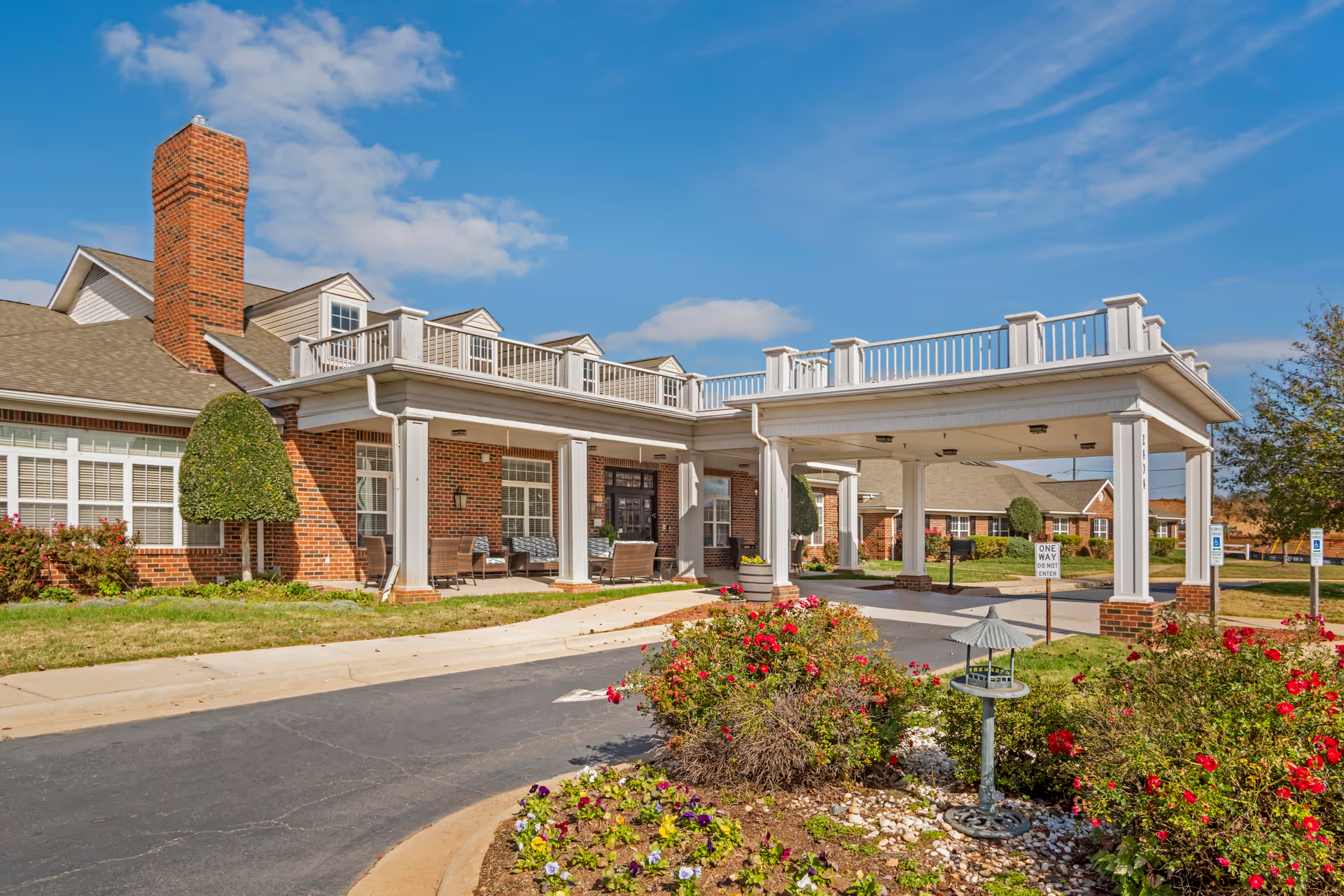
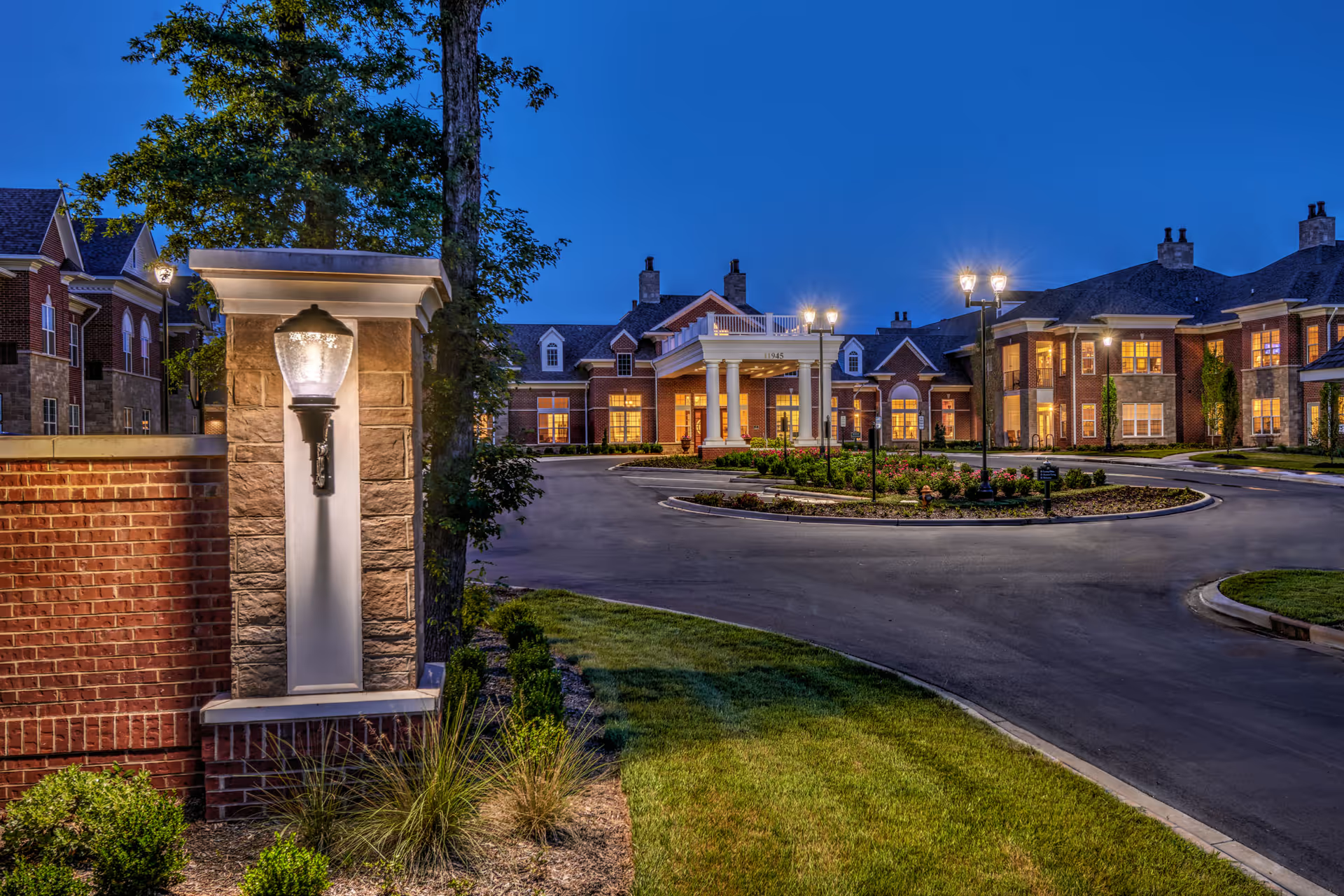
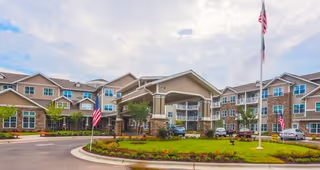
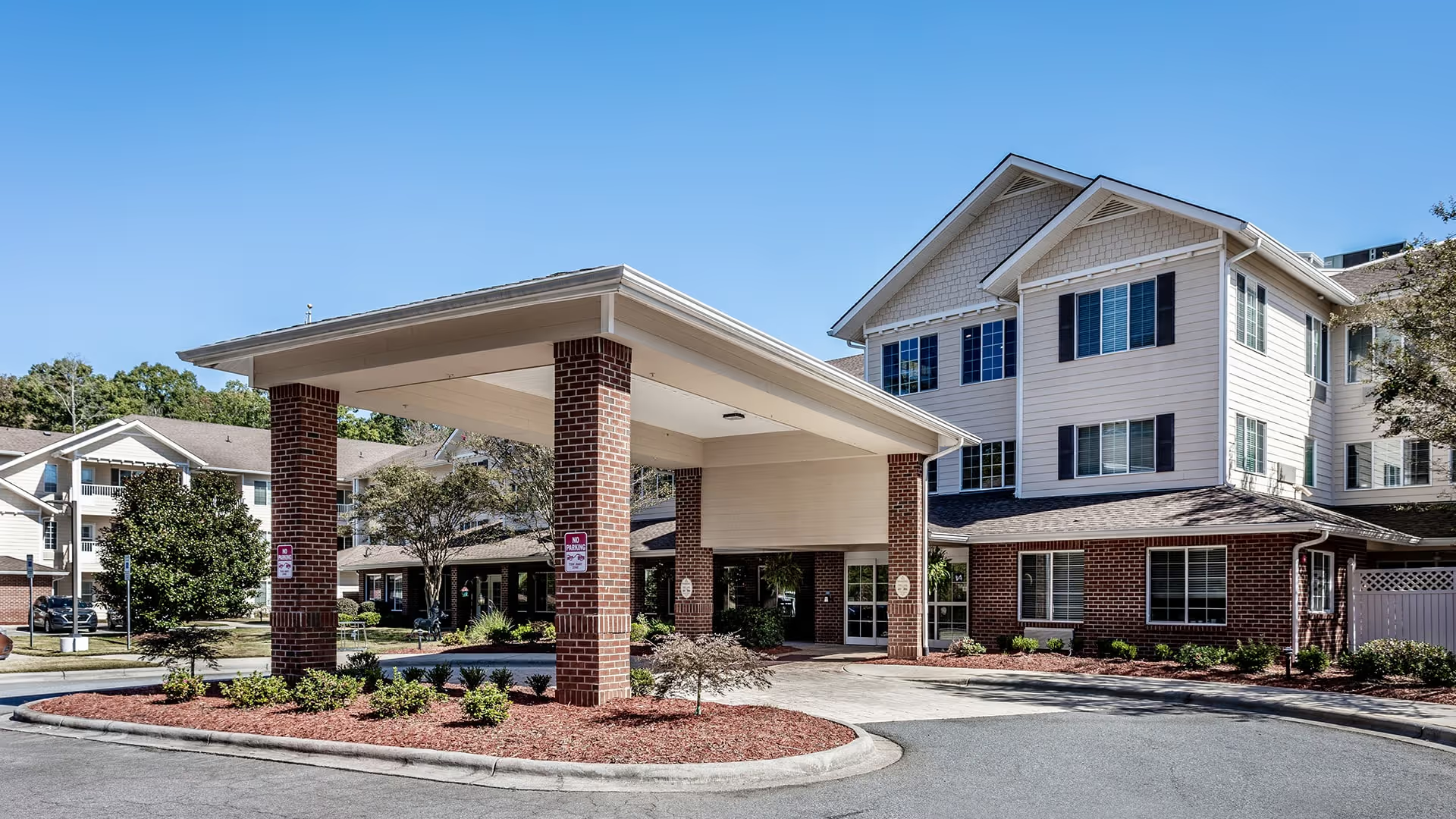
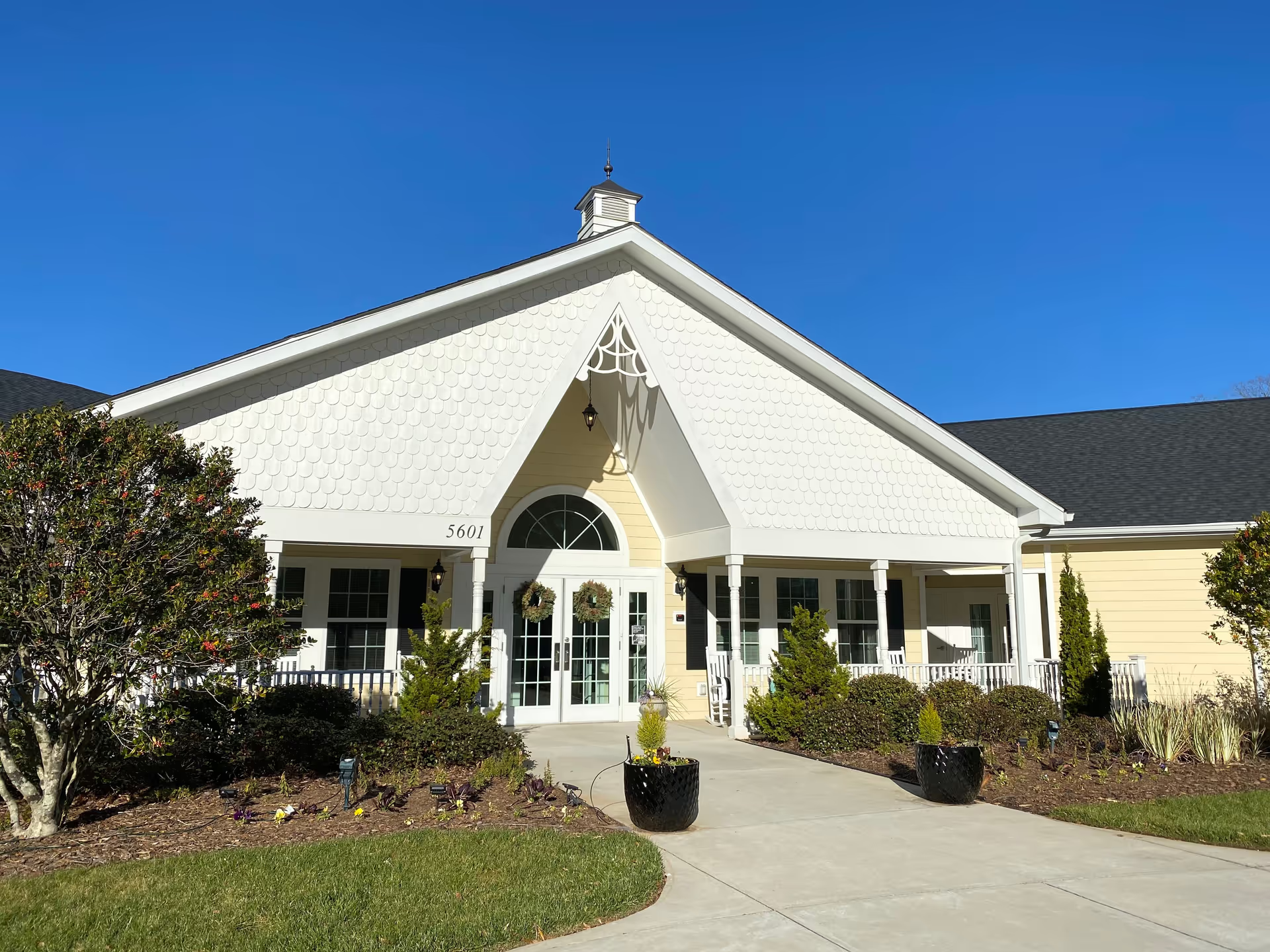
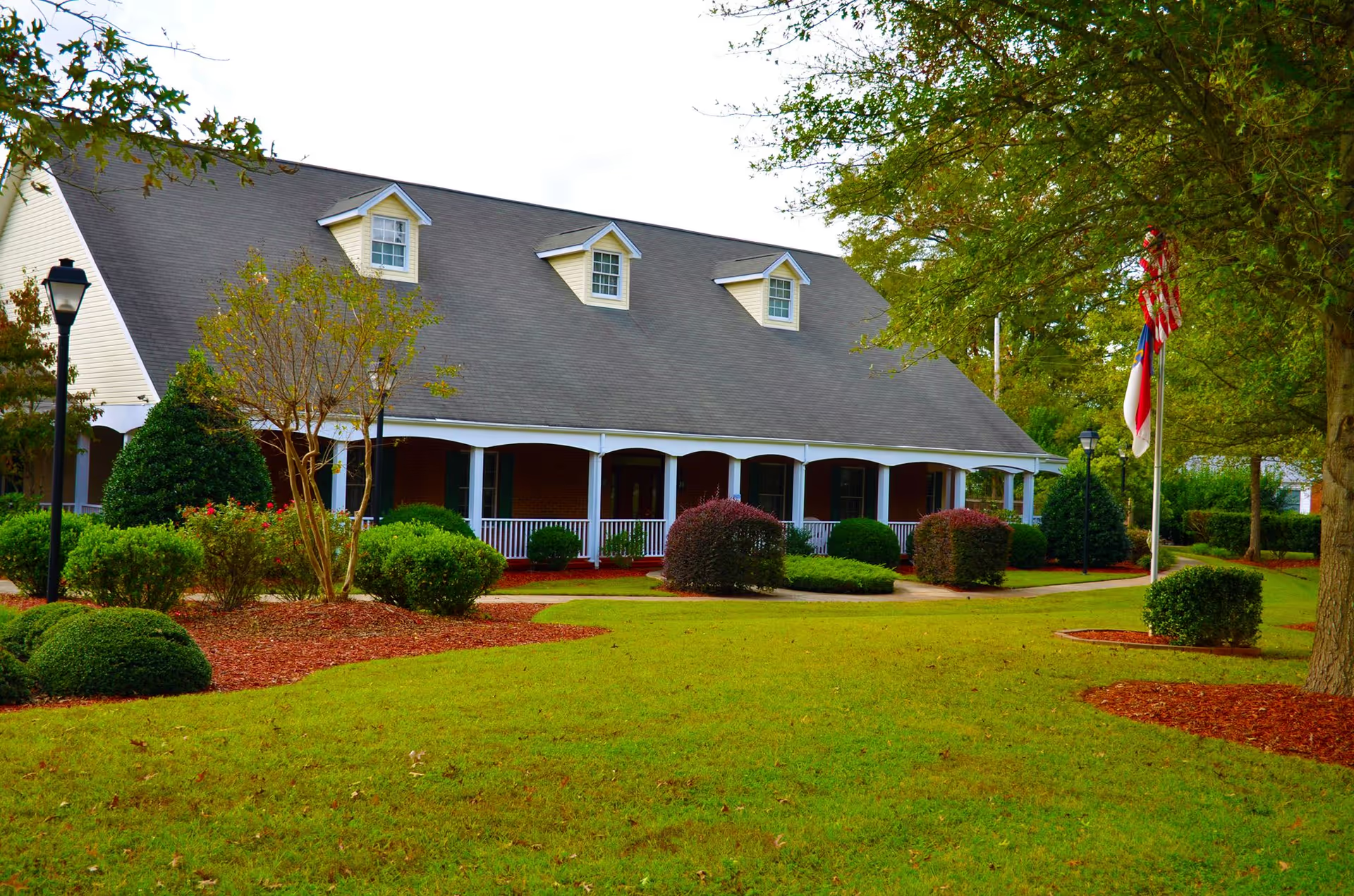
Facilities and security: Physical plant strengths include well-maintained grounds, a pleasant location, and secure signature-entry access that families found reassuring. Many rooms and common areas were described as clean and odor-free. That said, there are inconsistencies: certain sub-units were singled out for cleanliness and sanitation concerns and one unit experienced a service disruption, indicating variability in housekeeping and operational consistency across the campus.
Notable patterns and recommendations for prospective families: The dominant pattern is a facility that offers strong structural supports (24/7 staffing, clinical visits, multiple care levels, transportation, and active programming) but with uneven execution across units and times. Prospective residents should ask targeted questions about the specific unit they would occupy, inquire about fall-prevention protocols and medication administration practices, request details on after-hours communication and escalation paths, and review activity schedules for memory-care residents. For families, meeting unit managers and touring the specific apartment/townhome and its nearby common areas will provide the best sense of whether a particular unit’s cleanliness, room size, and staff culture align with expectations.