Accordius Health at Mooresville elicits strongly mixed impressions. Several families and residents describe positive aspects such as compassionate direct-care staff, an effective admissions team, solid physical-therapy programs and an active activities calendar. Multiple reviewers highlighted individual nurses, therapists, and administrators who provided attentive support and made transitions easier. Recent leadership changes are cited as driving improvements by some families.
At the same time, a consistent set of operational concerns appears across reviews. Staffing levels and continuity are uneven — reviewers describe frequent turnover, thin coverage on nights and weekends, and periods when call bells and bedside needs were not addressed promptly. These staffing issues are linked to delays in bathing and toileting care, inconsistent incontinence support, and problems with medication administration including late, missed, or incorrect doses. Several reviewers expressed concern about clinical monitoring and follow-up; these are significant because they affect daily comfort and clinical safety.
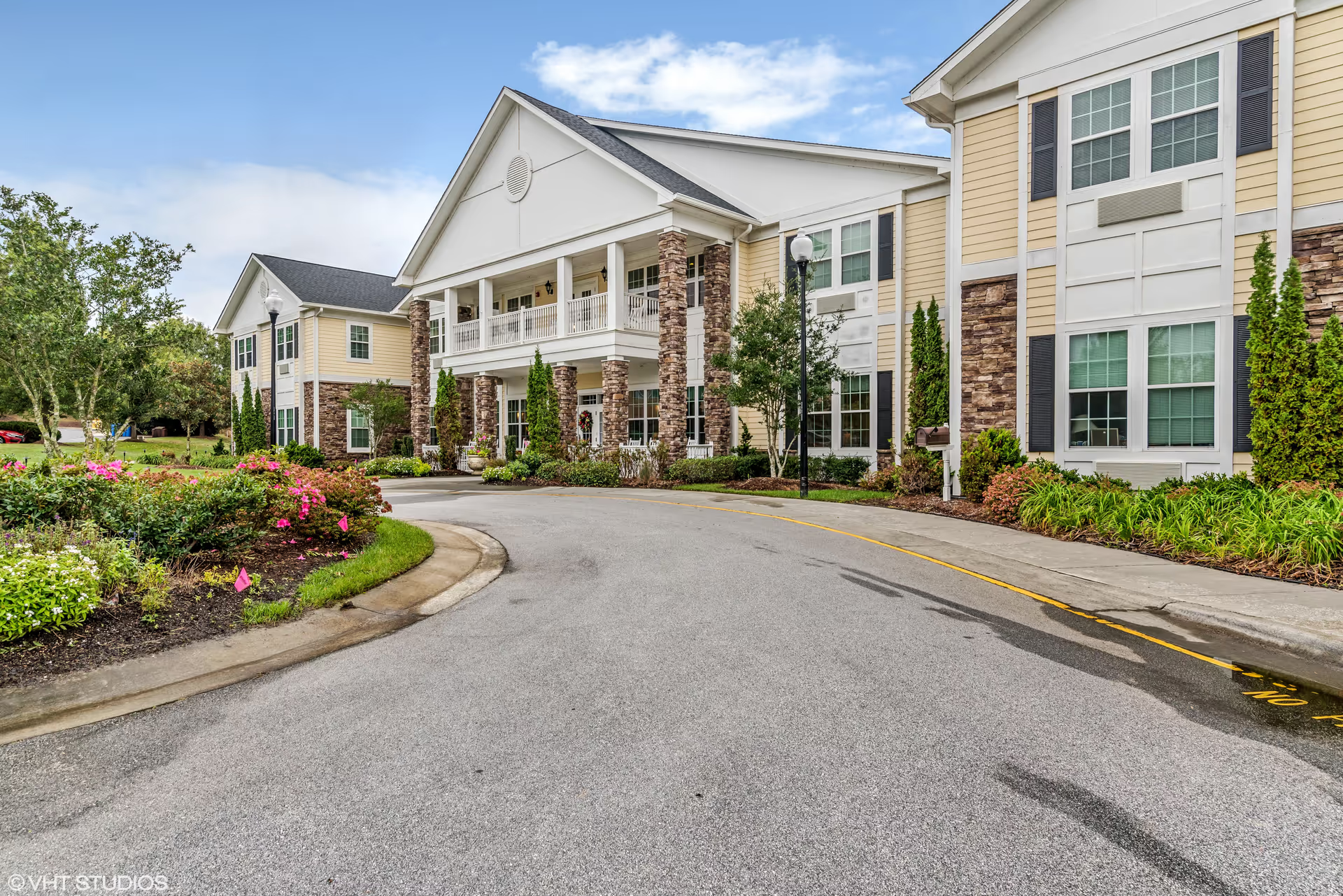
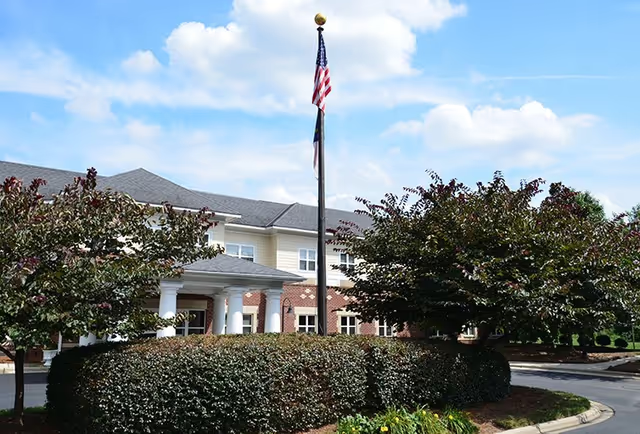
Housekeeping and dining show similar variability. Positive accounts describe a clean facility and pleasant grounds, but other reviewers reported sanitation concerns in resident rooms and restrooms, odors in common areas, and instances where cleaning was not performed to expected standards. Meal quality and service were frequently described as inconsistent — complaints include cold or overcooked entrees, repetitive menus, and delayed meal delivery — while some families reported satisfactory dining experiences. Personal-property handling and laundry processes were also cited as unreliable in a number of accounts.
Communication and administrative processes are a recurrent theme. Families reported difficulty reaching the business office, long phone hold times, lost or delayed paperwork (including Medicaid enrollment), and unanticipated charges on bills. These issues, combined with concerns about billing transparency and occasional pressure around financial decisions, reduce trust for some families. A subset of reviews praised specific administrative staff for responsiveness and coordination, indicating variability in office performance.
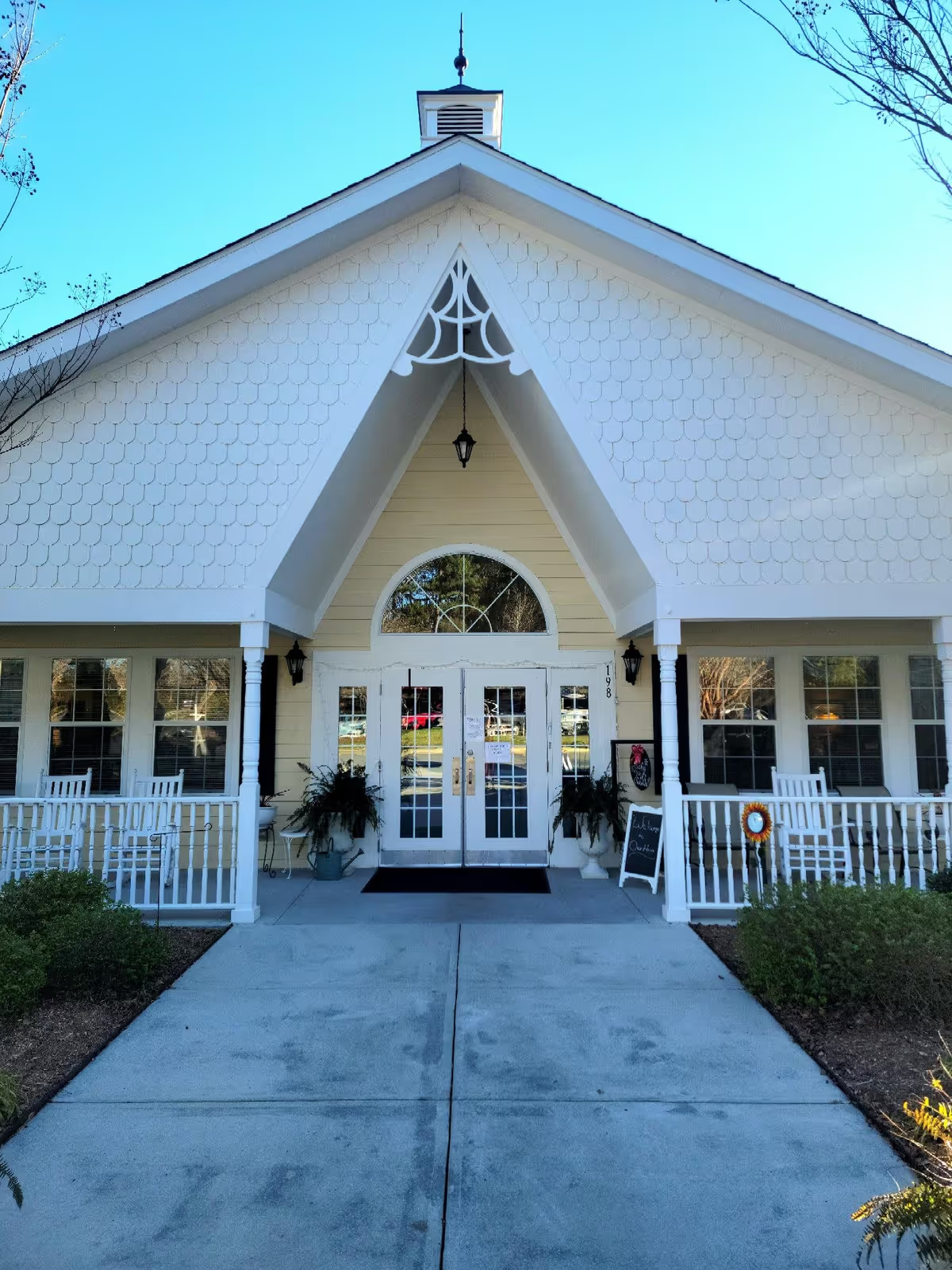
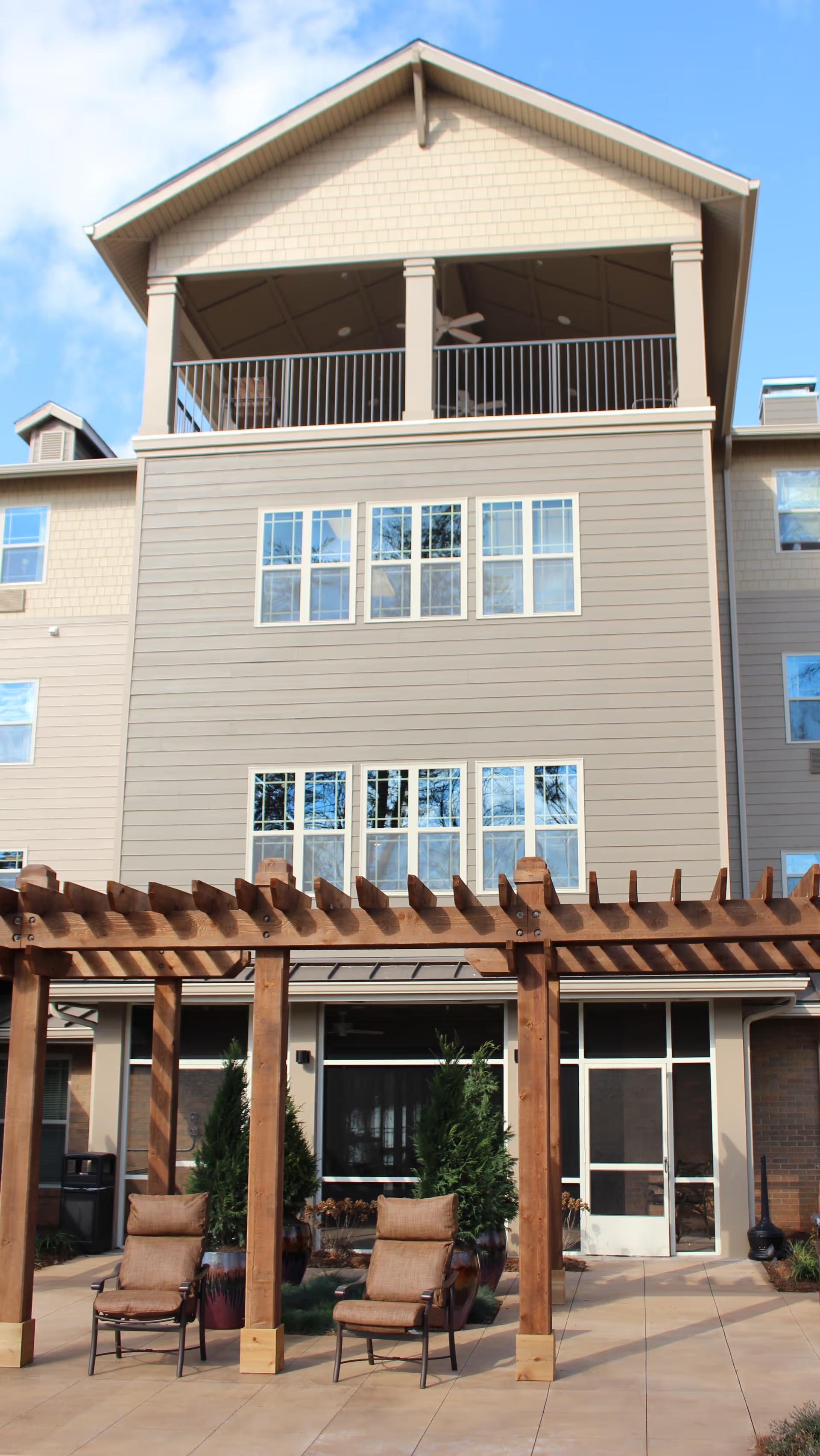
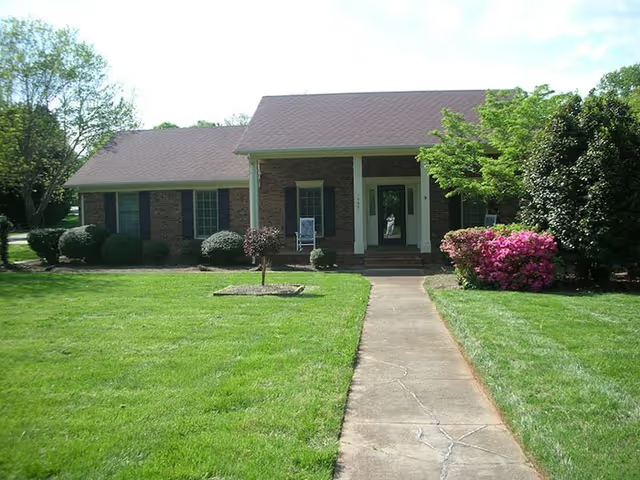
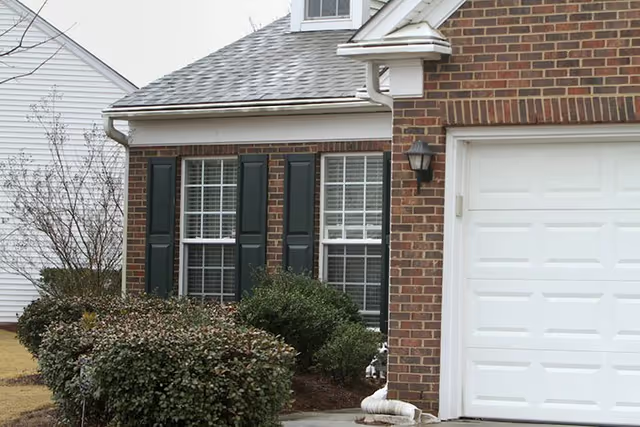
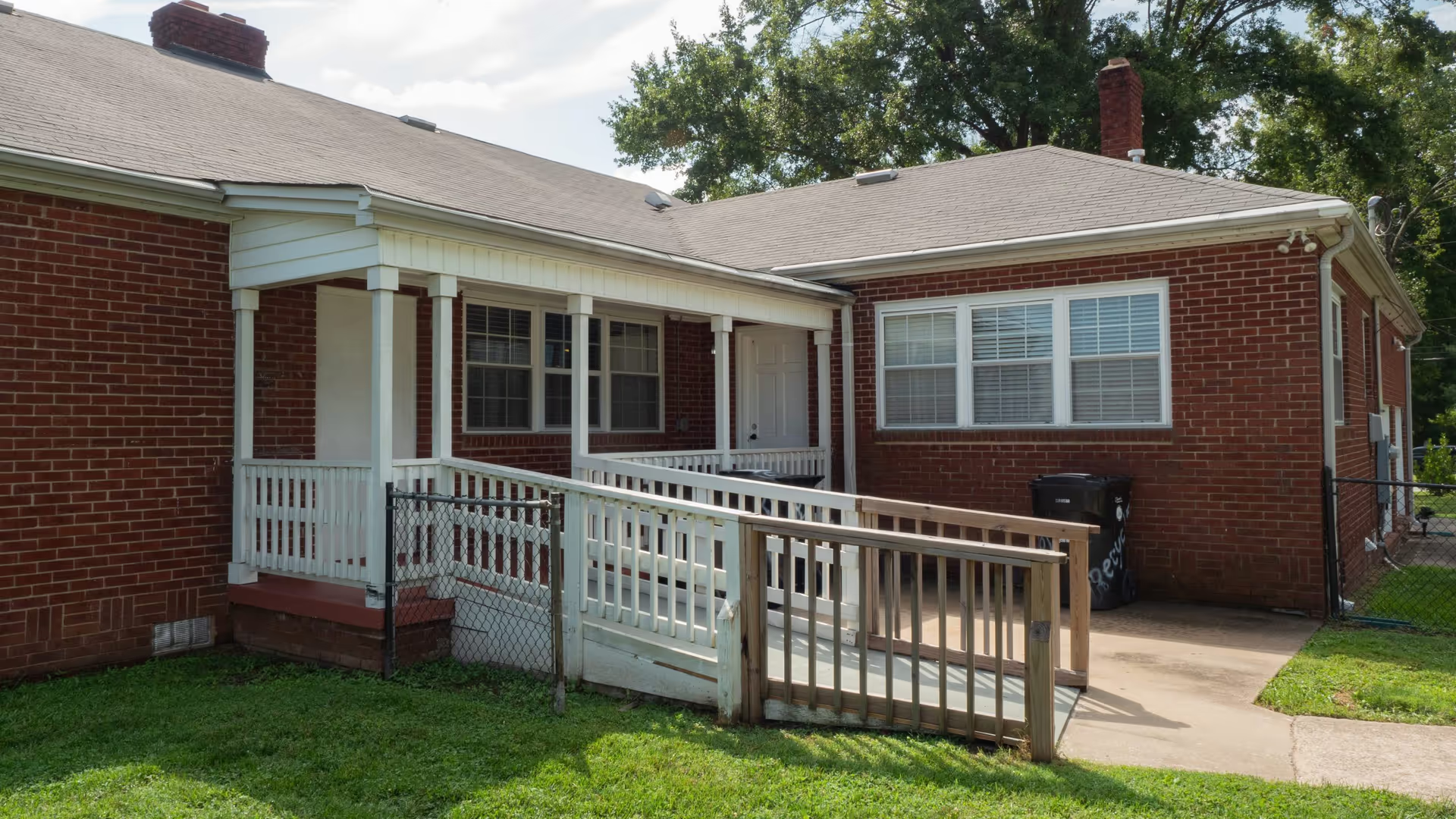
Facility and safety issues were noted: the physical plant is viewed by some as dated, with small double-occupancy rooms and a compact dining area. Reviewers raised infection-control and pest-control process gaps and concerns about accepting infectious patients without clear communication. Several reviewers recommended additional monitoring and oversight to address safety and supervision gaps. Conversely, others reported that the environment felt homelike and that residents were engaged and content under current programming.
In summary, prospective residents and families will see a polarized picture: there are identifiable strengths in rehabilitation, certain clinical staff, admissions, and activities, and there are recurring operational weaknesses around staffing consistency, sanitation processes, medication management, dining quality, and administrative transparency. Given the variability described, a recommended approach is an in-person visit focused on current staffing ratios (including nights/weekends), medication administration protocols, sanitation audits, recent regulatory history, sample menus and meal observation, and a clear discussion of billing and paperwork procedures. Recent leadership changes suggest the facility is in transition; verify which practices have changed and ask for concrete examples of sustained improvements before making placement decisions.