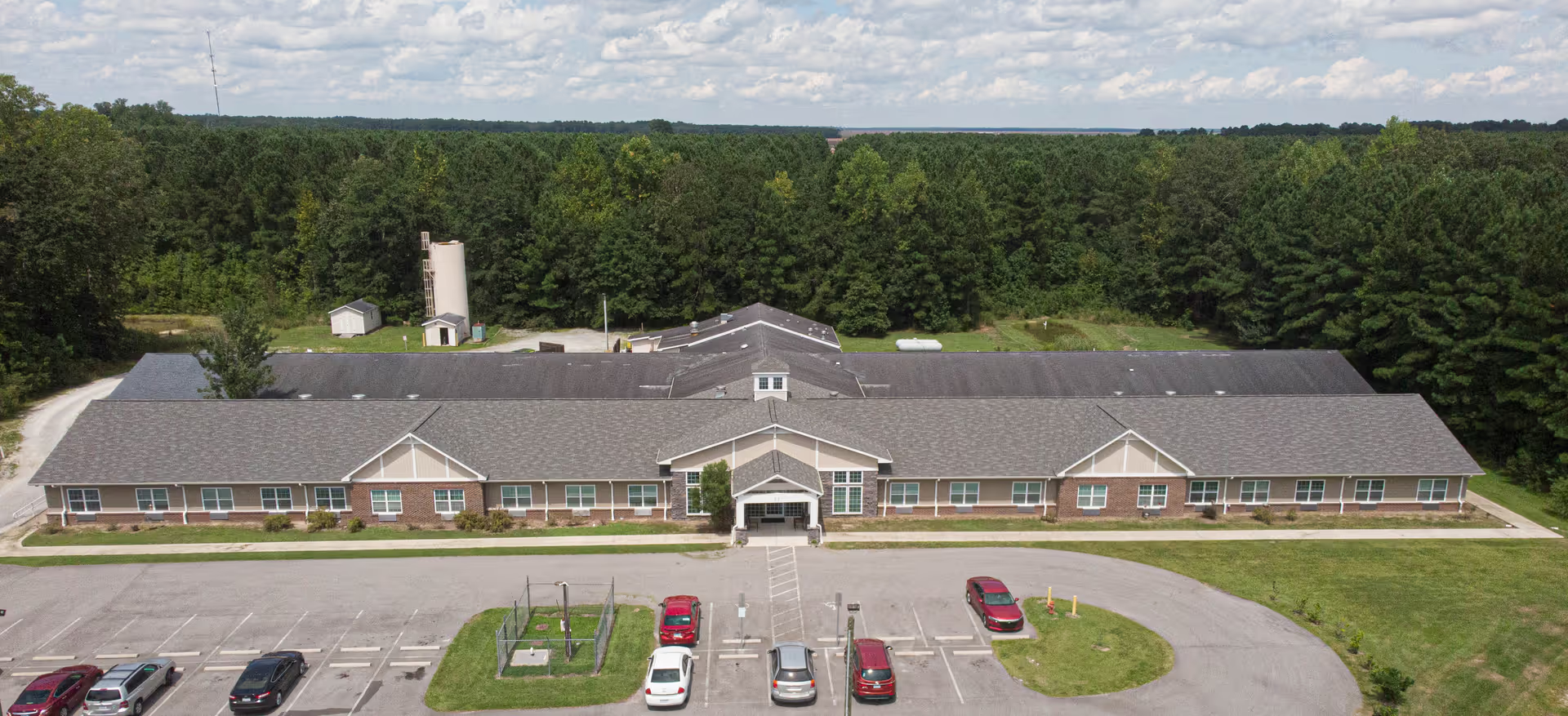
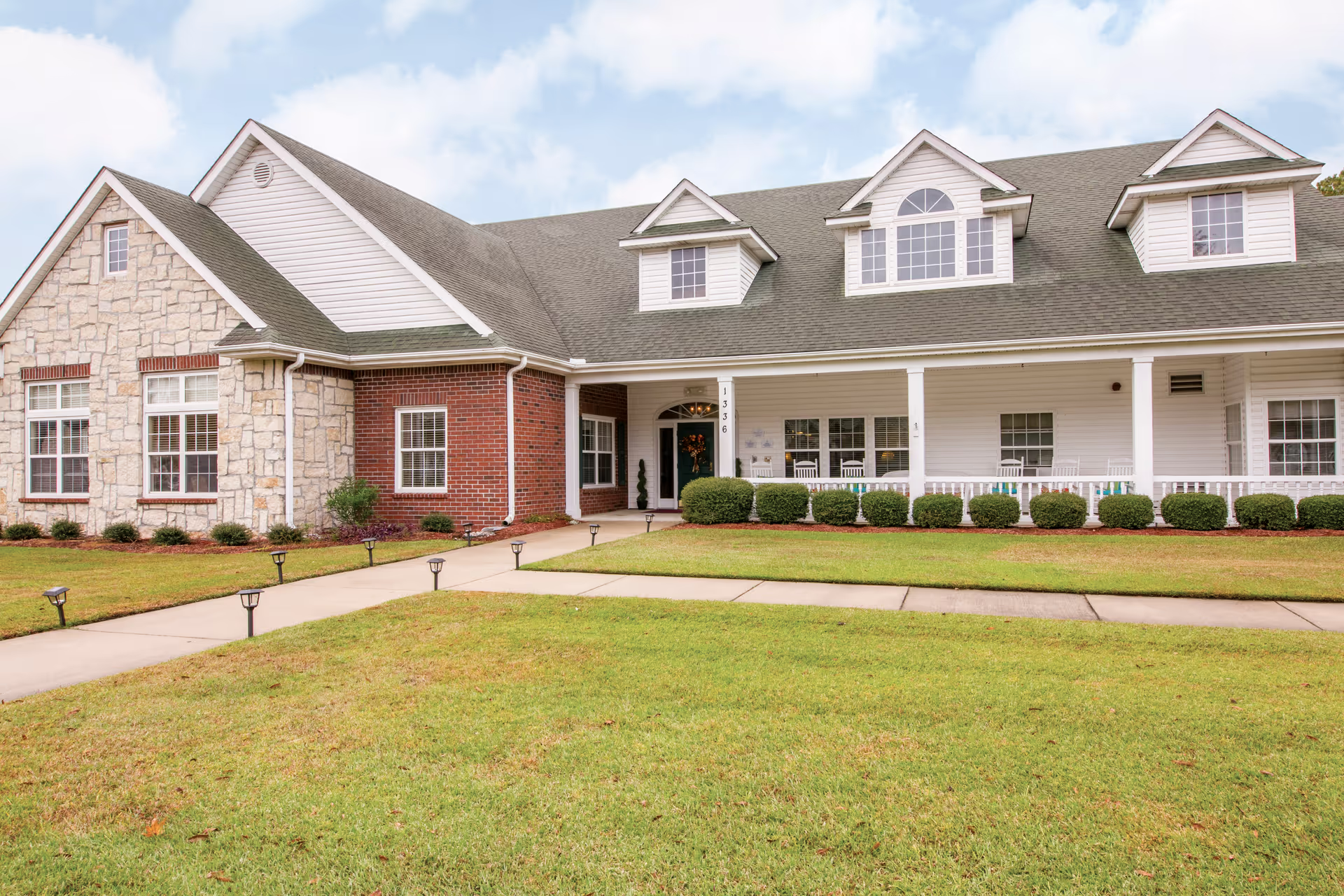
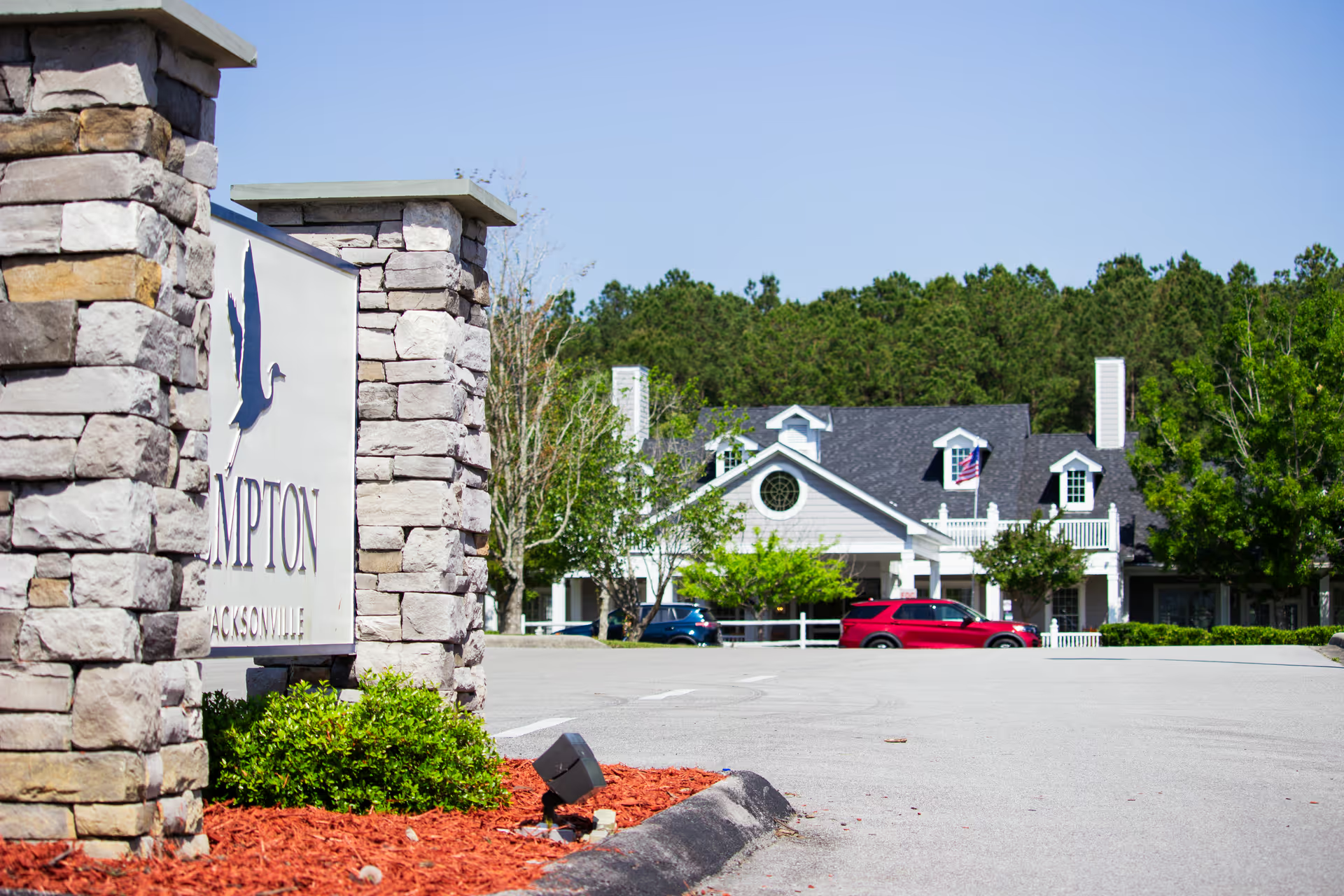
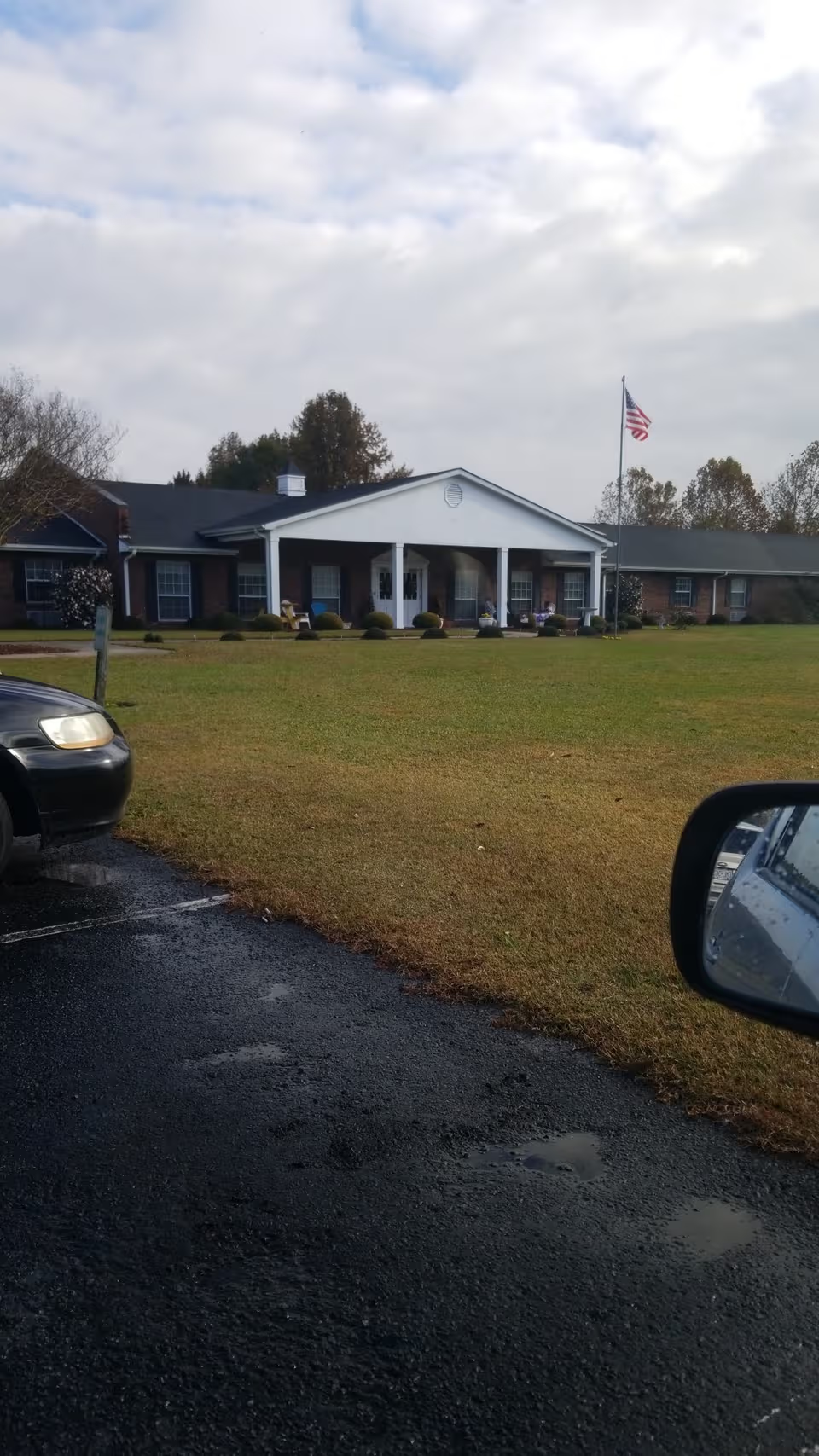
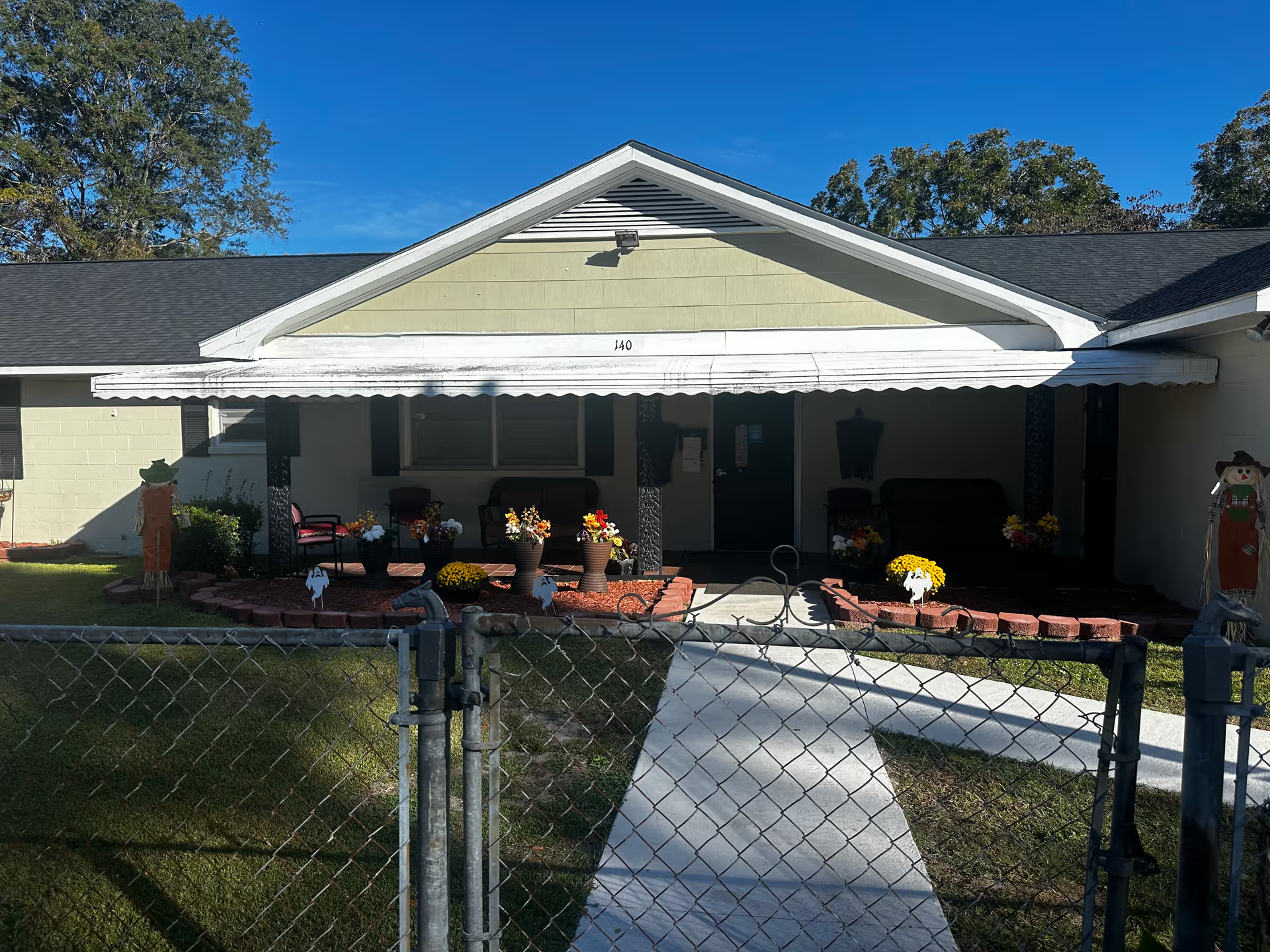
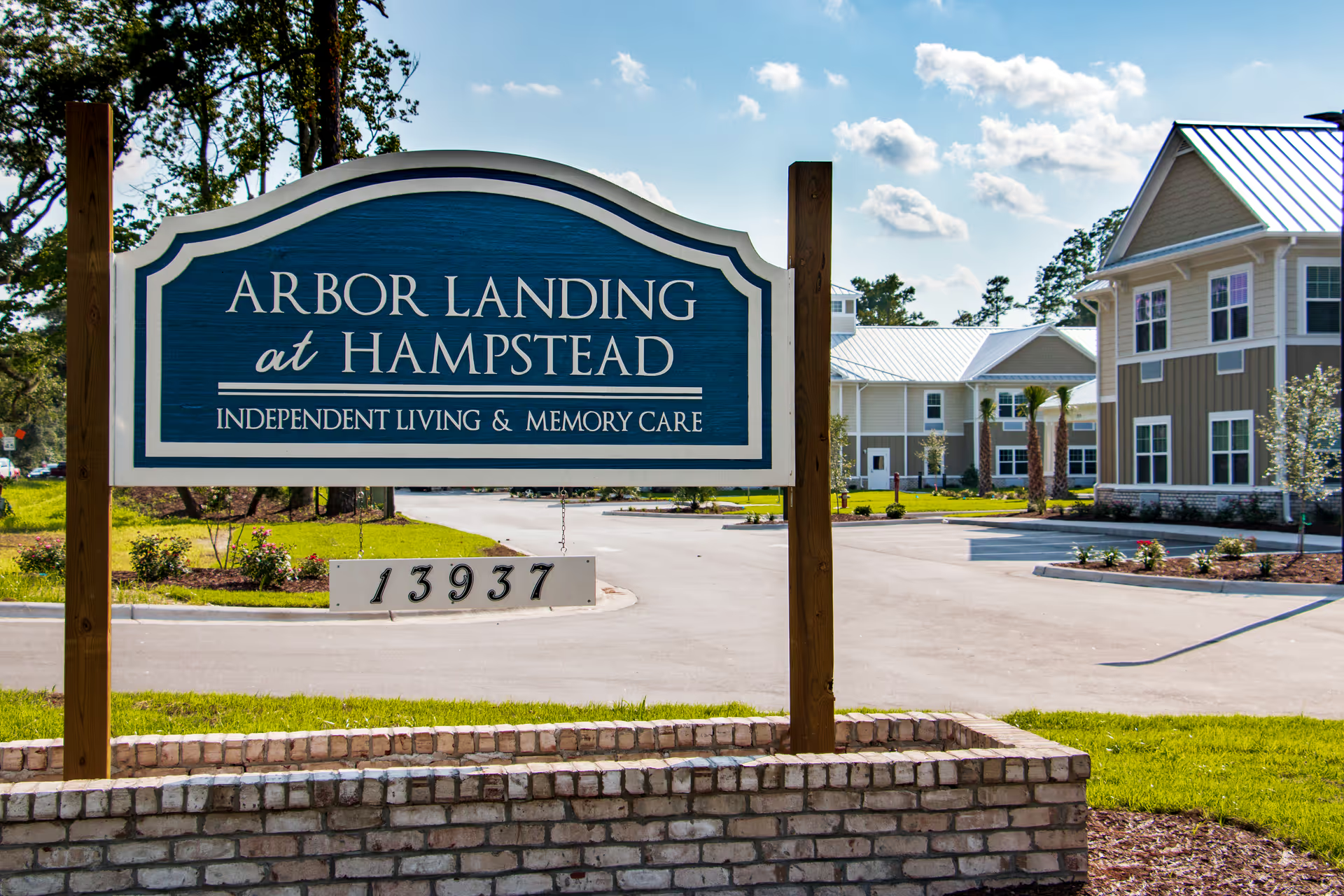
Overall impression Carteret Landing is frequently described as a clean, modern, and well-maintained assisted living and memory-care community with many on-site amenities. Reviewers commonly highlight an attractive, upscale interior, well-kept grounds and courtyard, kitchenette-equipped rooms, and communal spaces such as a theater, library, salon, and private dining rooms. The community projects a family-like atmosphere for many residents, and numerous families praised staff compassion and the supportive tone of caregiving and administrative teams.
Care quality and clinical operations Care experiences are mixed in the reviews. Many families praise attentive, compassionate caregivers and staff who go above and beyond, and the facility receives specific positive mention for responsive memory-care transitions and support. However, a consistent operational concern is medication-management reliability: reviewers cite instances of medications not being consistently provided or assistance with medications lacking. There are also examples of clinical or operational breakdowns that families found serious — these illustrate variability in care consistency. In addition, reviewers noted limitations in the facility’s capacity and training to manage residents with aggressive or complex behavioral needs.
Staffing and management Staff are broadly described as friendly, professional, and knowledgeable, and several reviewers singled out individual directors and wellness staff for strong leadership. At the same time, the community has experienced staffing shortages (frequently linked to Covid-era retention challenges) that reviewers say have affected dining service, activities programming, laundry, and responsiveness to family inquiries. Some families described communication and responsiveness gaps from administration — delayed phone responses and variable follow-through — and one family account raised a serious billing/eviction and refund dispute that would warrant follow-up. Overall, administrative responsiveness appears uneven: strong in many families’ experiences but inconsistent enough that prospective families should inquire about current staffing, escalation procedures, and financial policies.
Dining and nutrition Dining receives both praise and criticism. Several reviewers lauded high-quality meals, menu variety, and accommodating kitchen staff, while others described inconsistent food quality, frequent fried or prepackaged items, cold or simple sandwiches, and refusal to adjust meals for dietary needs such as low-sodium requests. In-room meal service is available and described positively at times, but service timing and continuity have been inconsistent for some residents. These patterns suggest the kitchen delivers good experiences under normal staffing but is vulnerable to staffing and management constraints.
Activities and social life The community offers a wide range of activities—movie afternoons, crafts, fitness and balance classes, hobby areas, and organized social programs—contributing to a sense of community for many residents. That said, activity-program continuity has been susceptible to interruptions during infection-control events and staffing shortages; some families observed reduced programming or the absence of activity logs. Physical-access policies (for example, outdoor areas requiring staff escort) and restrictions on room personalization were also mentioned and may affect perceived independence for active residents.
Facilities, unit layout, and comfort Physical facilities are generally a strong point: newer construction, modern finishes, attractive common spaces, and well-maintained grounds. Room sizes and unit variety are a limitation for some families: reviewers noted smaller private rooms and a lack of one-bedroom/couple-unit options, which can be important for couples wishing to share living space. Other environmental concerns include centralized thermostat control in some common areas (for example, a locked theater thermostat) that may affect individual comfort during events.
Notable patterns and recommendations for families The dominant positives are cleanliness, a caring staff culture, broad amenity offerings, and a strong memory-care transition capability. The dominant operational risks are inconsistent medication practices, staffing-related service variability (dining, activities, laundry, responsiveness), and uneven meal/dietary accommodations. Prospective residents and families should clarify medication-administration protocols, dietary accommodation policies, laundry and wardrobe-management procedures, staffing ratios and contingency plans, availability of one-bedroom or couple units, and financial/refund policies during tours. Asking about recent staffing trends, activity schedules, and examples of behavioral support protocols will help assess fit given the mixed operational feedback.