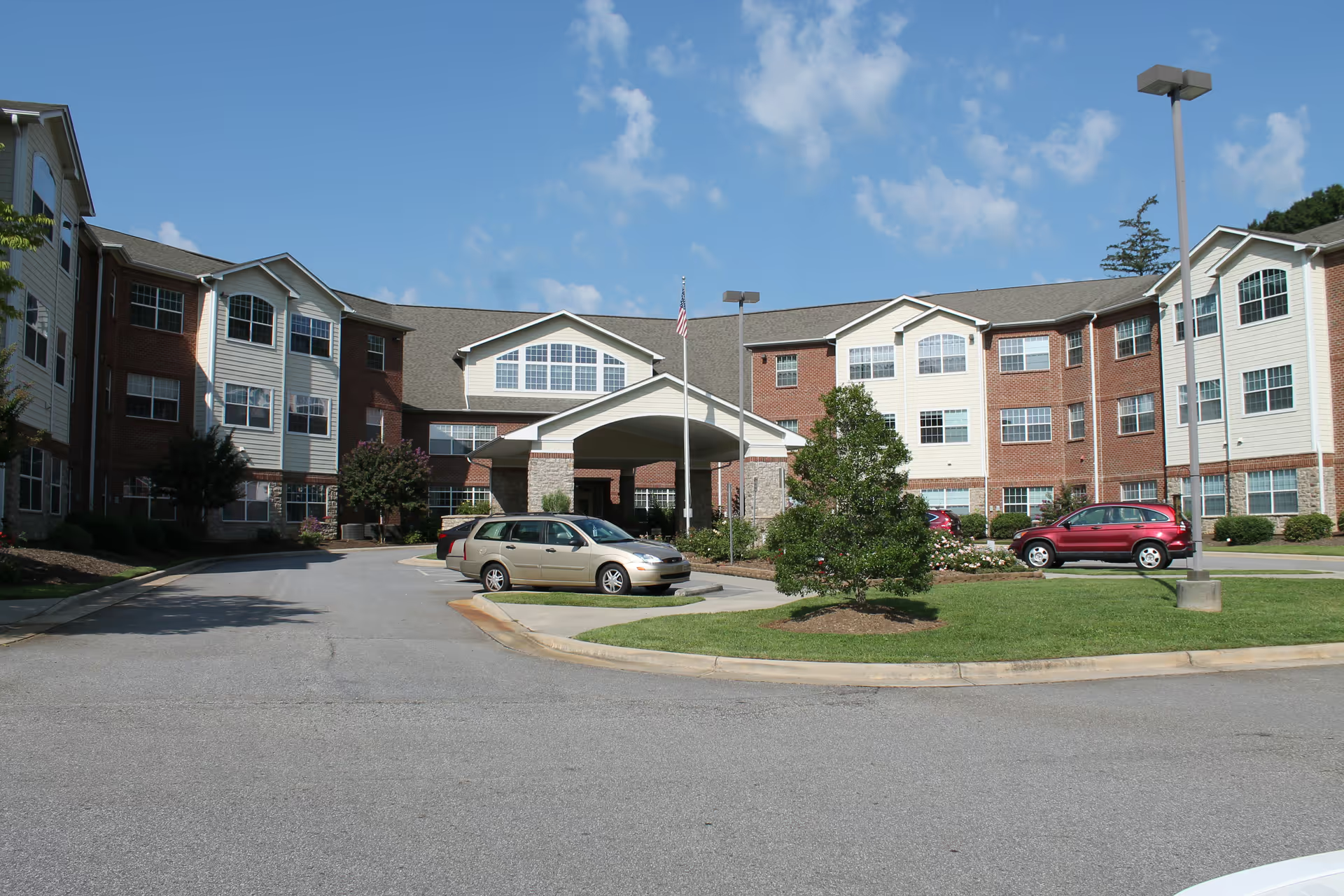
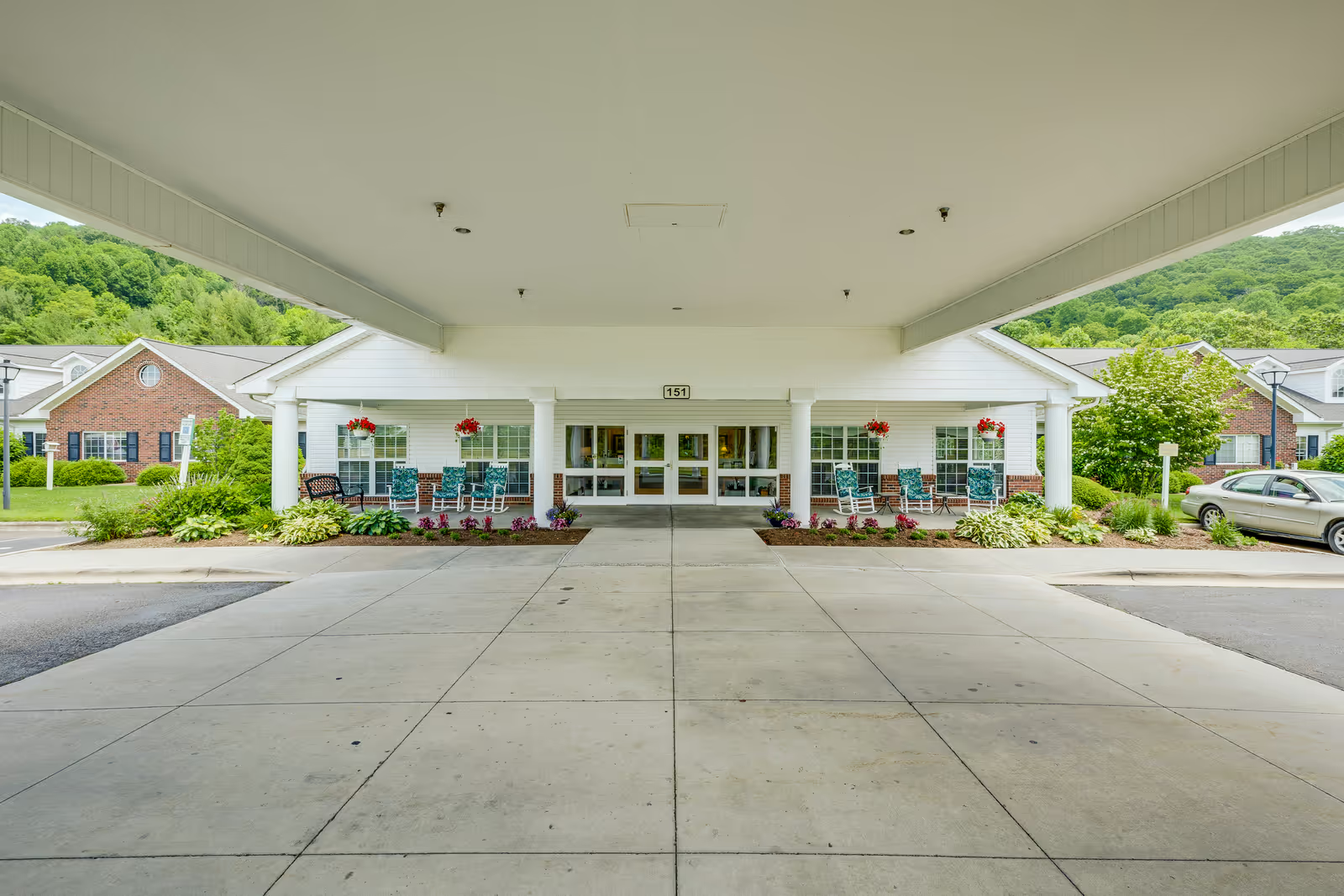
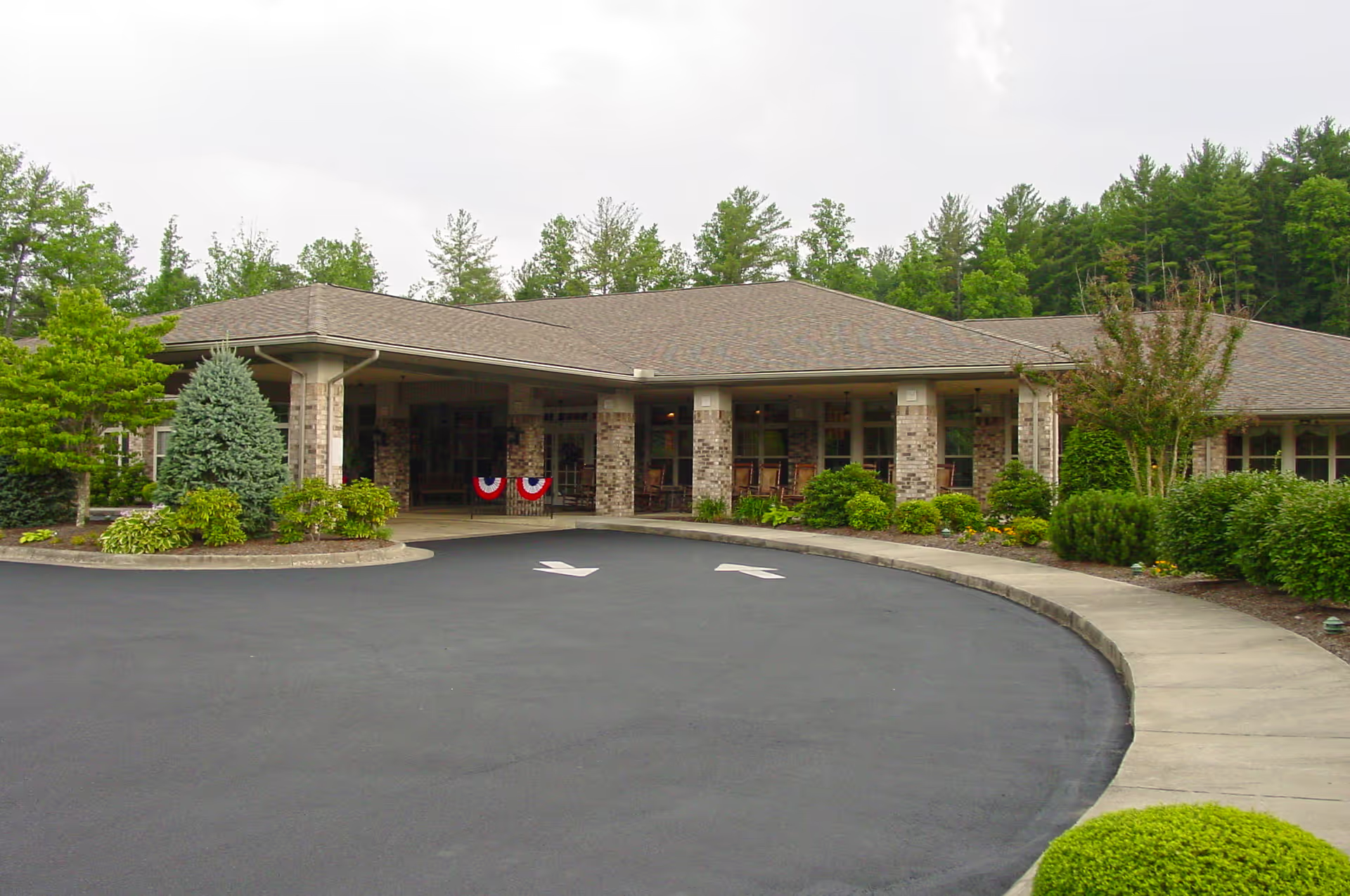
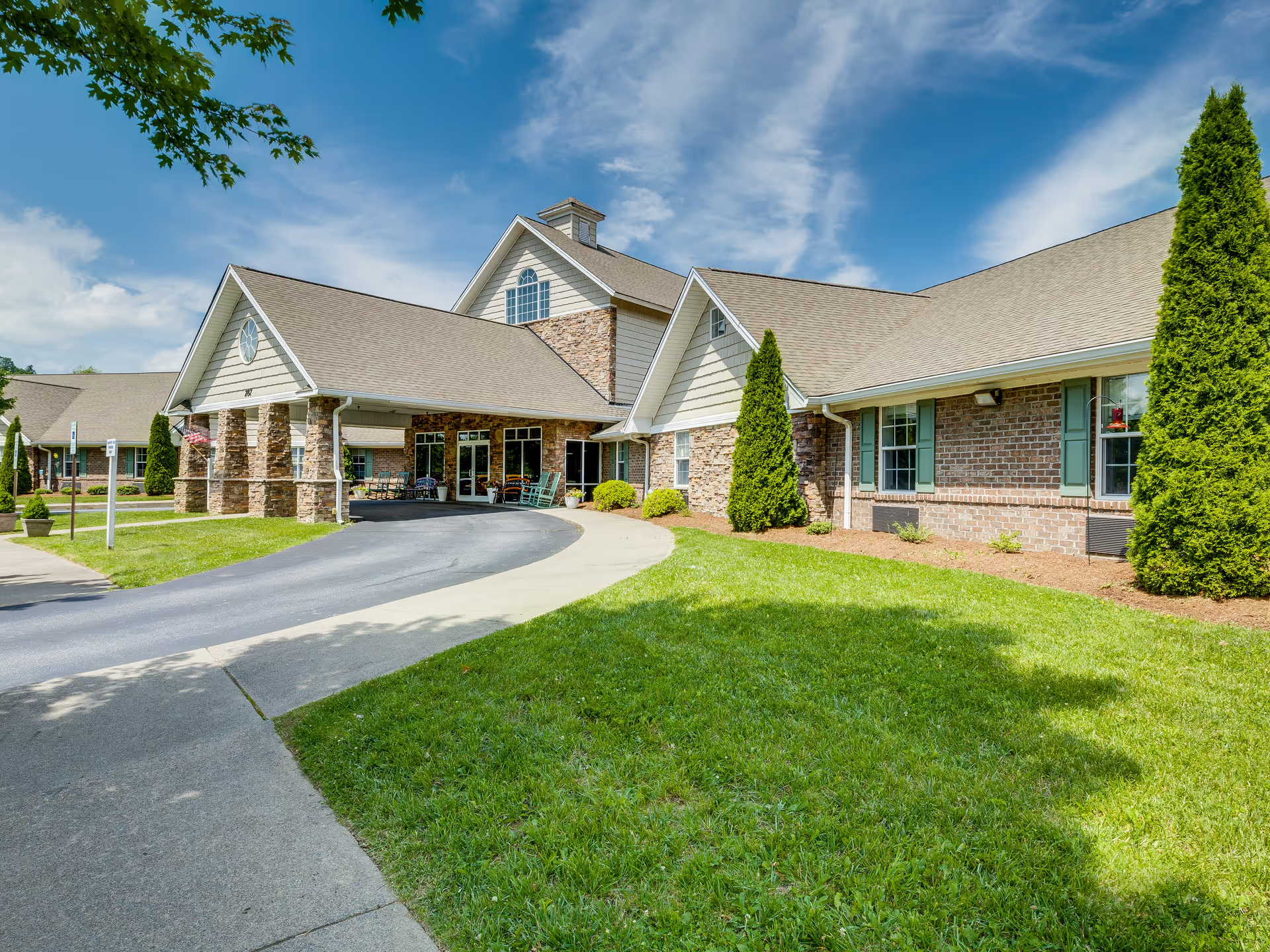
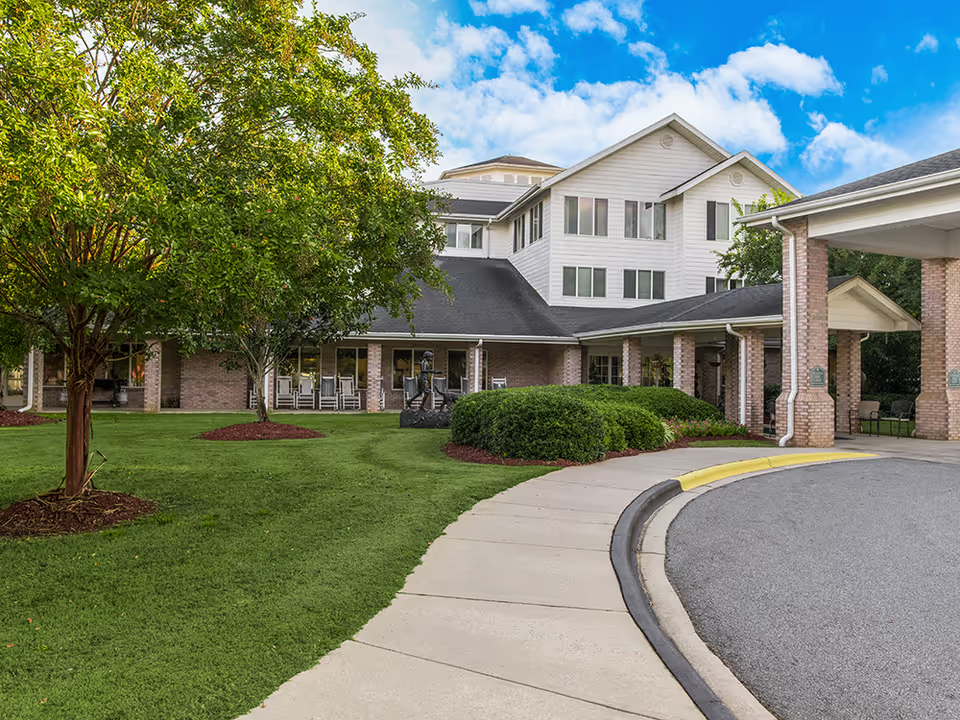
Rose Glen Manor is repeatedly described as a small, well‑kept assisted living community with a strong emphasis on personalized, compassionate caregiving. The dominant positive themes across reviews are the facility’s cleanliness, warm décor, and the staff’s attentiveness. Families and residents frequently note daily housekeeping and laundry, decorated common spaces, courtyard seating, and a home‑like atmosphere. Administrative staff, resident-care coordinators, and activity directors are often singled out for being responsive and supportive during admissions, transitions, and ongoing care coordination.
Care quality is generally portrayed as good to excellent. Many reviewers emphasize attentive, patient staff who provide emotional as well as physical support; 24/7 monitoring and a sense of safety are commonly reported. At the same time, reviewers describe variability in caregiver availability and conduct across shifts. A recurring operational concern is CNA coverage on the floors; some families would like more direct-care staff present during peak times. There is also occasional mention of communication delays or difficulty reaching staff by phone, which can affect family confidence during urgent needs.
Dining and nutrition receive mixed commentary. Numerous reviewers praise nutritious, tasteful meals and a friendly kitchen staff, but others note inconsistent food quality and expressed dissatisfaction on certain occasions. Meal service continuity and dining-room usage (for multiple purposes, e.g., exercise) were also described, suggesting operational tradeoffs between dining and activity spaces. Prospective families may wish to review current menu samples and meal-service schedules during a tour.
Activities and social programming are a clear strength for many residents: reviewers describe active calendars, milestone celebrations, card games, outings, and seasonal decorations that contribute to resident engagement. However, several comments point to a quieter or less stimulating experience specifically within the memory‑care unit; some families perceived the memory‑care ambiance as subdued and would prefer more tailored enrichment for residents with cognitive impairment.
Facility management and responsiveness are often commended, with named staff repeatedly praised for going beyond expectations and maintaining open lines of family communication. Nevertheless, there are operational-level concerns relating to incident handling. An isolated allegation of an unprovoked physical incident requiring external medical attention was described; this and related comments prompted questions about incident-response procedures and family communication in specific cases. Reviewers advise asking about current protocols for clinical incidents, staffing ratios, and how the facility documents and communicates follow‑up when unusual events occur.
In summary, Rose Glen Manor presents as a clean, caring, small-scale assisted living community with many families valuing its staff, décor, and activity offerings. The primary areas for prospective residents to evaluate during a visit are current CNA staffing levels and shift coverage, consistency of meal service, memory‑care programming and ambiance, and the facility’s incident-response and family-communication procedures. These operational details will help align the facility’s strong relational and environmental assets with an individual resident’s clinical and engagement needs.