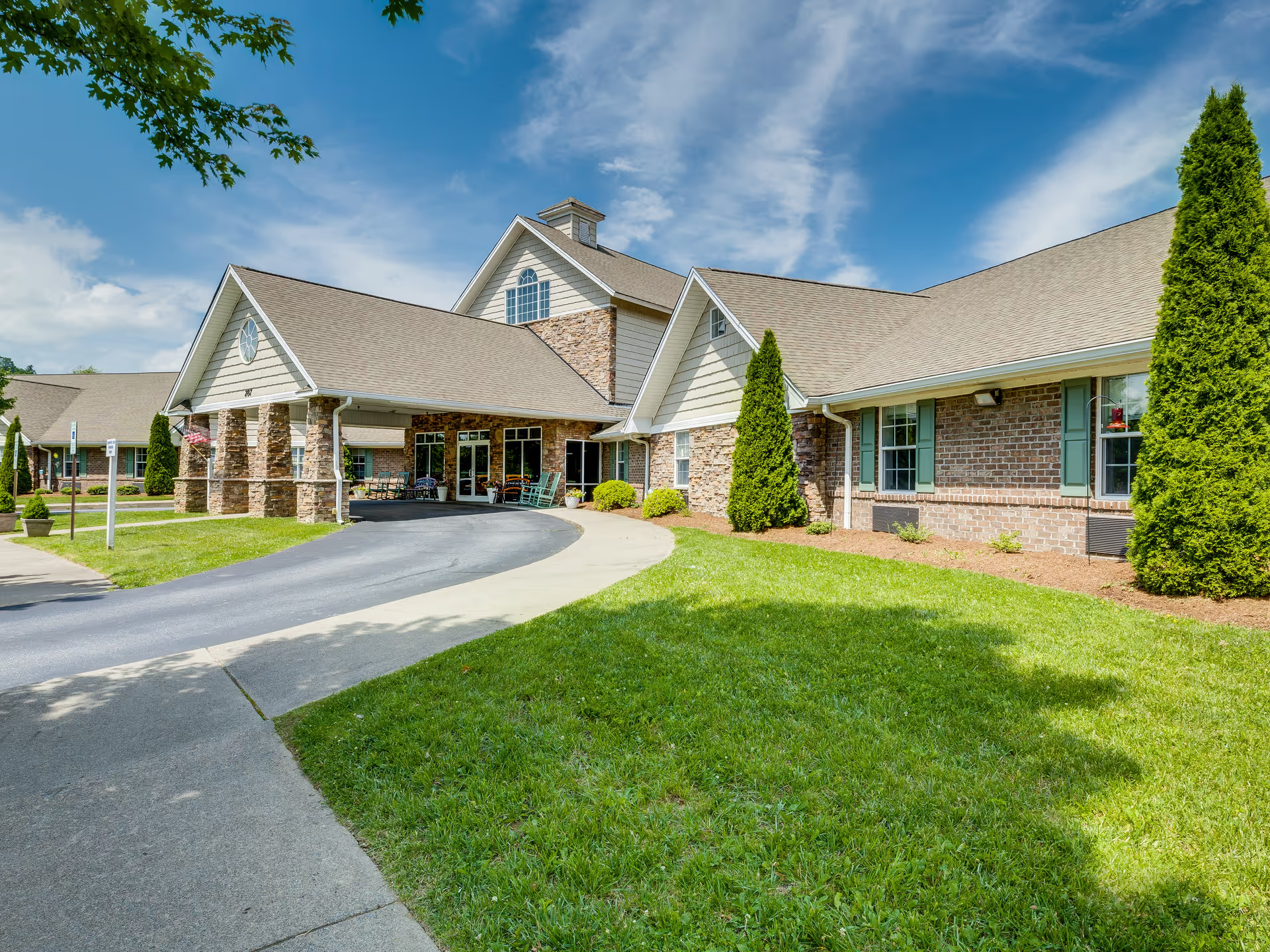
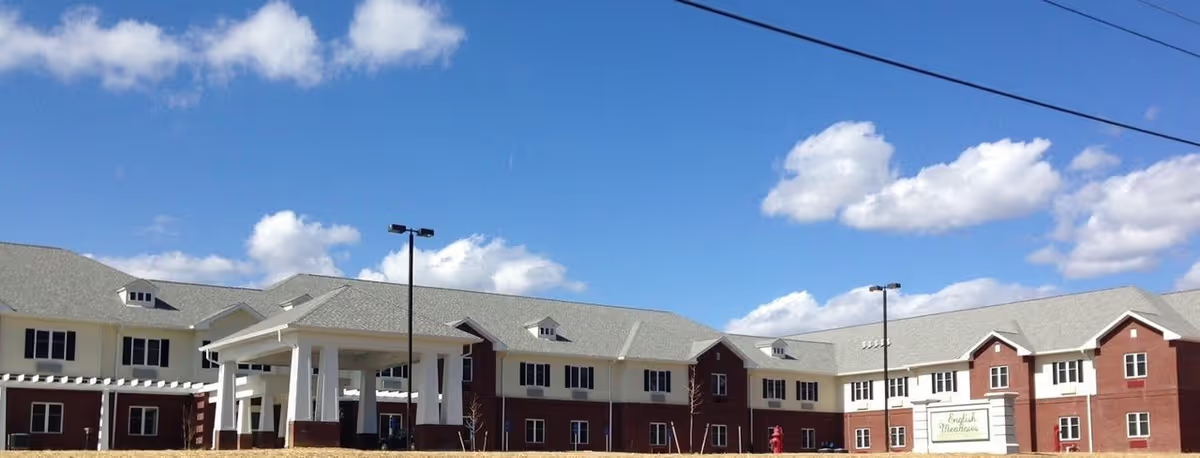
Overall impression Forest Ridge presents as a well‑kept, active assisted‑living community with many families praising its clean appearance, welcoming environment, and an emphasis on resident engagement. Reviewers consistently note a broad activity program (music groups, crafts, games, seasonal events, field trips) and family‑inclusive programming that appears to support socialization and meaningful daily structure. Dining is described positively in most accounts — balanced menus, three meals plus snacks and special‑event fare — and several families observed a bright, home‑like atmosphere that helped loved ones adjust.
Care and staff Staff are the most frequently cited strength: reviewers describe caregivers as compassionate, supportive, and willing to go beyond basic duties to make residents comfortable. Leadership and onsite coordination are often praised for being responsive to care plans, and the facility offers memory‑care programming as well as onsite hospice coordination and assistance with VA financial questions. At the same time, there are recurring operational concerns. Several accounts point to inconsistent nursing care quality, episodes of poor communication with families, and specific gaps in how clinical incidents and end‑of‑life situations are handled and communicated. These issues are described in ways that suggest variability in responsiveness and tone among staff rather than uniformly poor care.
Dining, activities, and daily life Activity programming is a clear strength: scheduled exercise, music and singing groups, craft sessions, game day, field trips, and seasonal events are noted repeatedly, and many residents are described as actively participating and forming social connections. Meals are generally characterized as healthy and satisfactory, with families noting balanced offerings and responsive food service for events. The community atmosphere and opportunities for residents to bring personal belongings, contribute to charitable activities, and engage in outings are frequently cited as factors that support quality of life.
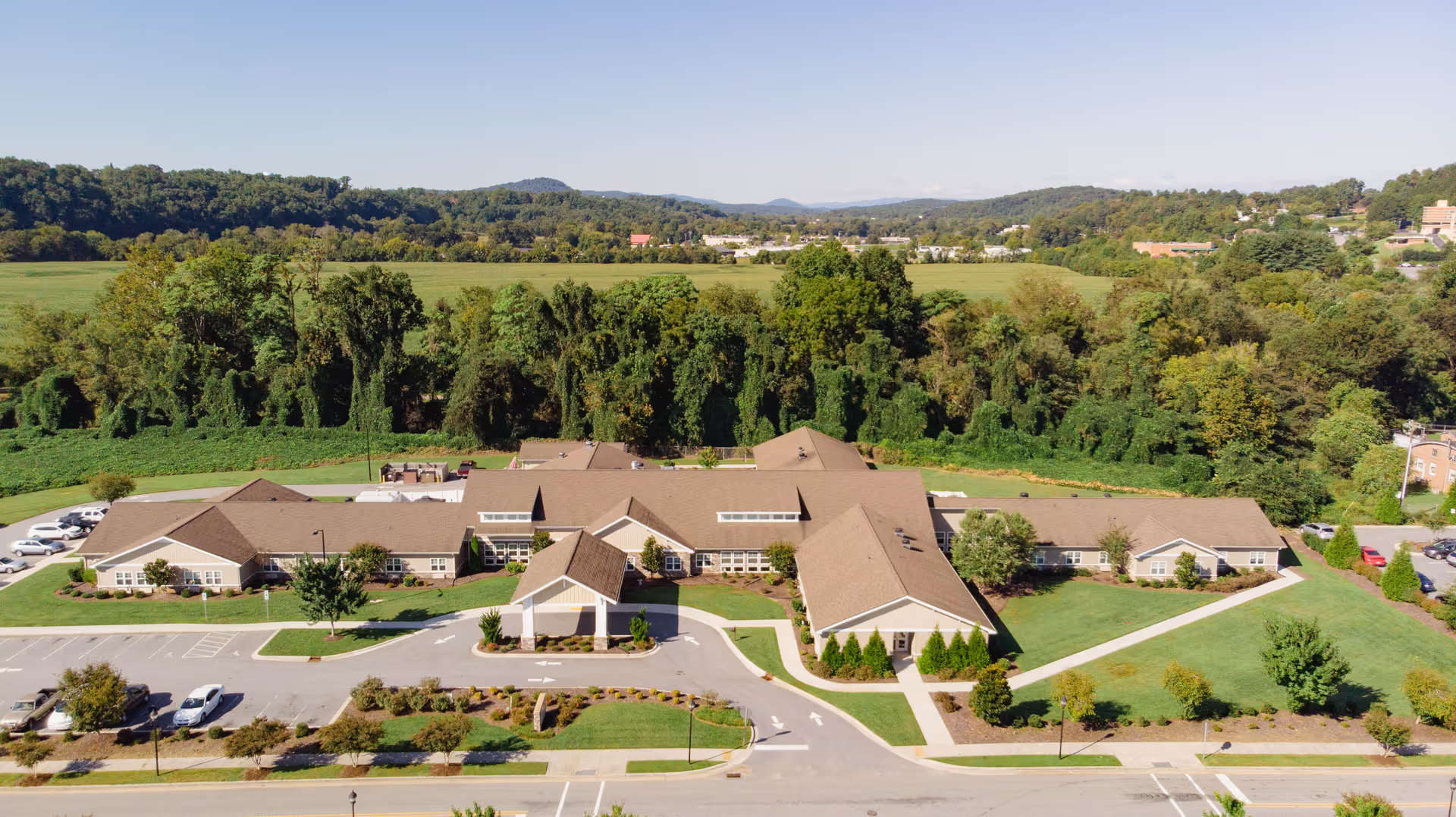
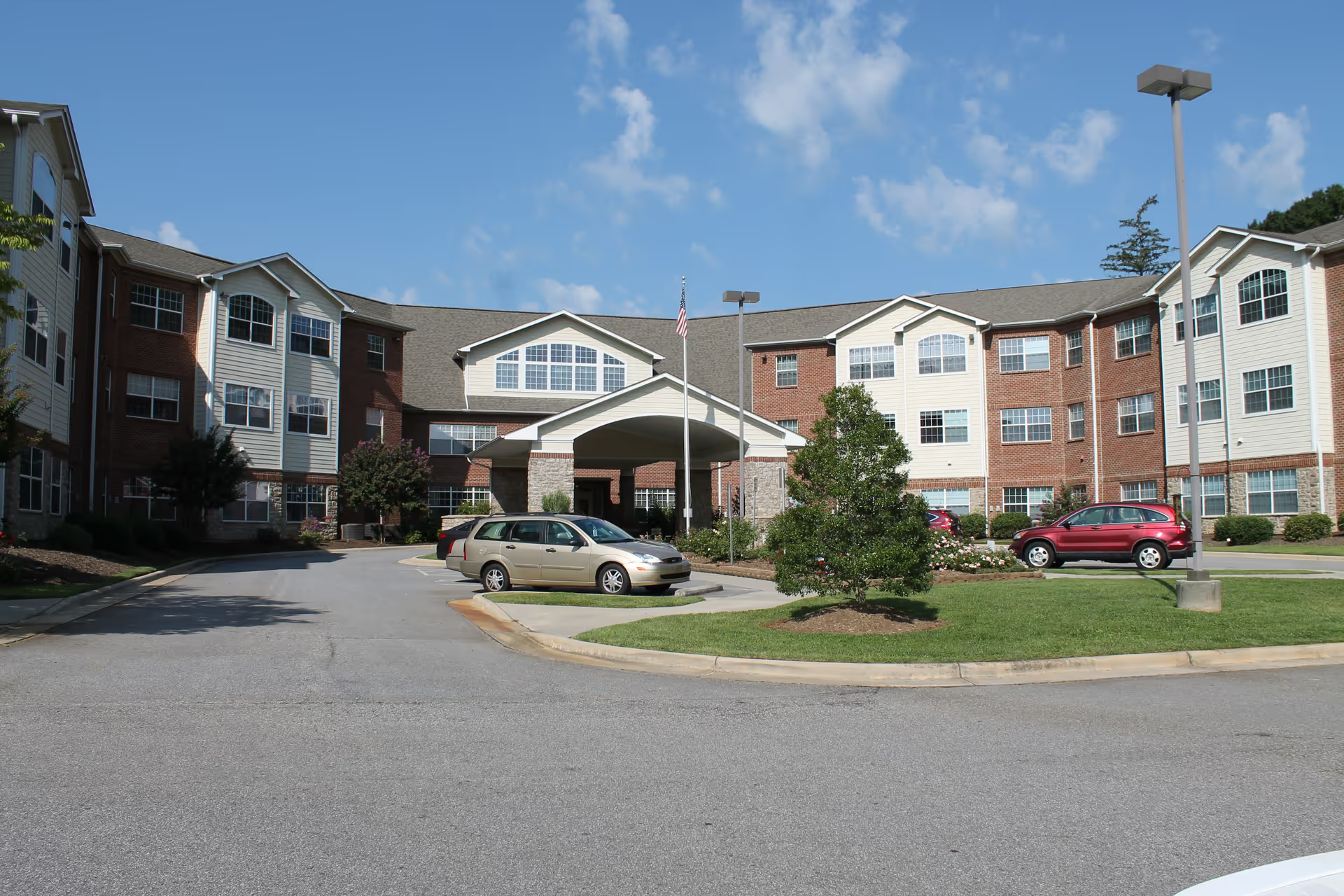
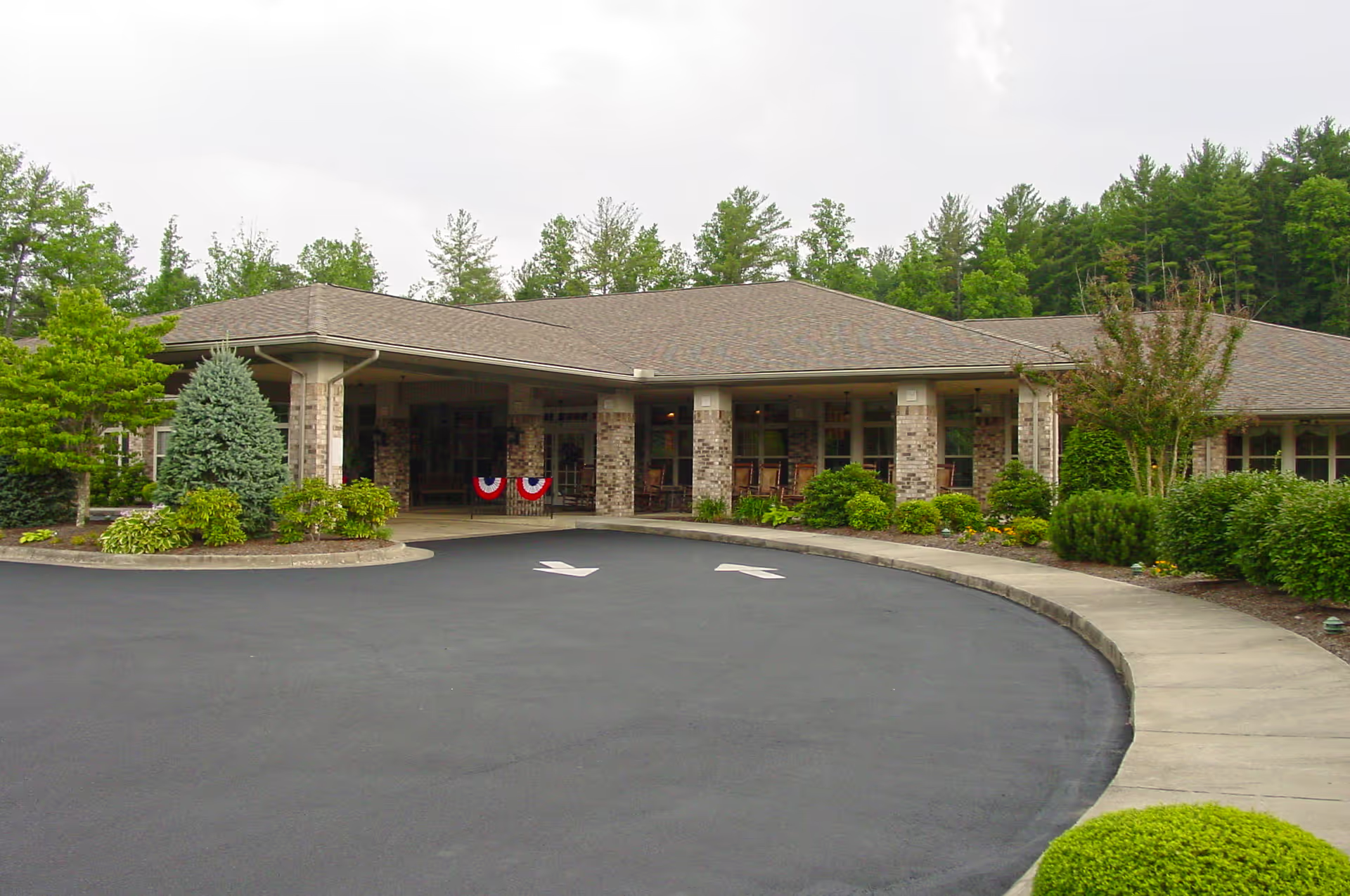
Facilities and operations Physical facilities are described as attractive and well maintained with private rooms and en suite bathrooms in many units, adequate closet space, and pleasant grounds. However, several operational limitations appear across reviews: some units have small rooms, there are reports of odor concerns in certain care areas, and families have experienced inconsistent laundry service and inconvenient entry or visitor access controls (for example, lack of a clear way to announce a visit). Staffing levels are mentioned as an issue in some accounts, and there have been changes to pet policies that reduce pet friendliness for some residents.
Management and notable patterns Management and leadership receive positive comments for a resident‑first orientation and proactive updates, yet recurring themes point to areas needing improvement: transparent disclosure of fees (including community or admission fees), consistent nursing practices, reliable ancillary services (laundry, entry processes), and clearer protocols for communicating during clinical incidents. The unexpected non‑refundable admission fee noted by some families and concerns about financial handling suggest prospective residents and their representatives should confirm fee schedules and POA processes in writing. Given the mixed but generally favorable feedback, prospective families may benefit from in‑person visits that include observing staff‑resident interactions, asking about staffing ratios and incident‑response procedures, reviewing the contract for fees and refund policies, and clarifying pet and laundry policies prior to admission.