Pembroke Center elicits strongly polarized impressions: many families and residents praise the compassion and dedication of bedside caregivers, the responsiveness of admissions staff, and a capable therapy and respiratory program, while others describe persistent operational shortcomings that affect daily care. Positive elements frequently cited include a strong social-work presence, active activities and social engagement opportunities (resident garden, entertainment, bingo), reliable technology for family connections, and examples of cohesive teamwork among staff. Several reviews also note helpful front-desk support, assistance with medical appointments, and ongoing facility renovations.
Care quality descriptions are mixed. Numerous accounts highlight attentive, comforting interactions from nurses and aides and effective therapy services that support rehabilitation and respiratory needs. At the same time, recurrent themes include slow responses to assistance requests, inconsistent hygiene and incontinence-care practices, and delays in obtaining necessary equipment or transport. A subset of reviewers raised clinical-safety concerns relating to IV care, medication handling, and follow-through after clinical events; these accounts suggest variability in clinical practice rather than uniformly poor care.
Staffing and management emerge as a central tension. Positive reports emphasize compassionate staff and responsive administration — including examples of 24/7 communication — while critical reports describe chronic understaffing, high turnover, and uneven supervisory oversight. These operational pressures are linked in reviews to longer wait times, inconsistent housekeeping, and variability in staff conduct and training. Families also described administrative challenges such as billing inconsistencies, phone access problems during off hours, and isolated allegations of property-handling and documentation errors that merit further inquiry.
Dining and activities are similarly mixed. The facility runs an active activities program and has been credited with preserving social engagement, even during COVID-19 via video chat. Meals receive variable feedback: some reviewers praised particular items and meal service, while others reported repeated dissatisfaction with meal quality and temperature. Prospective families should ask for current menus and recent meal-service evaluations.
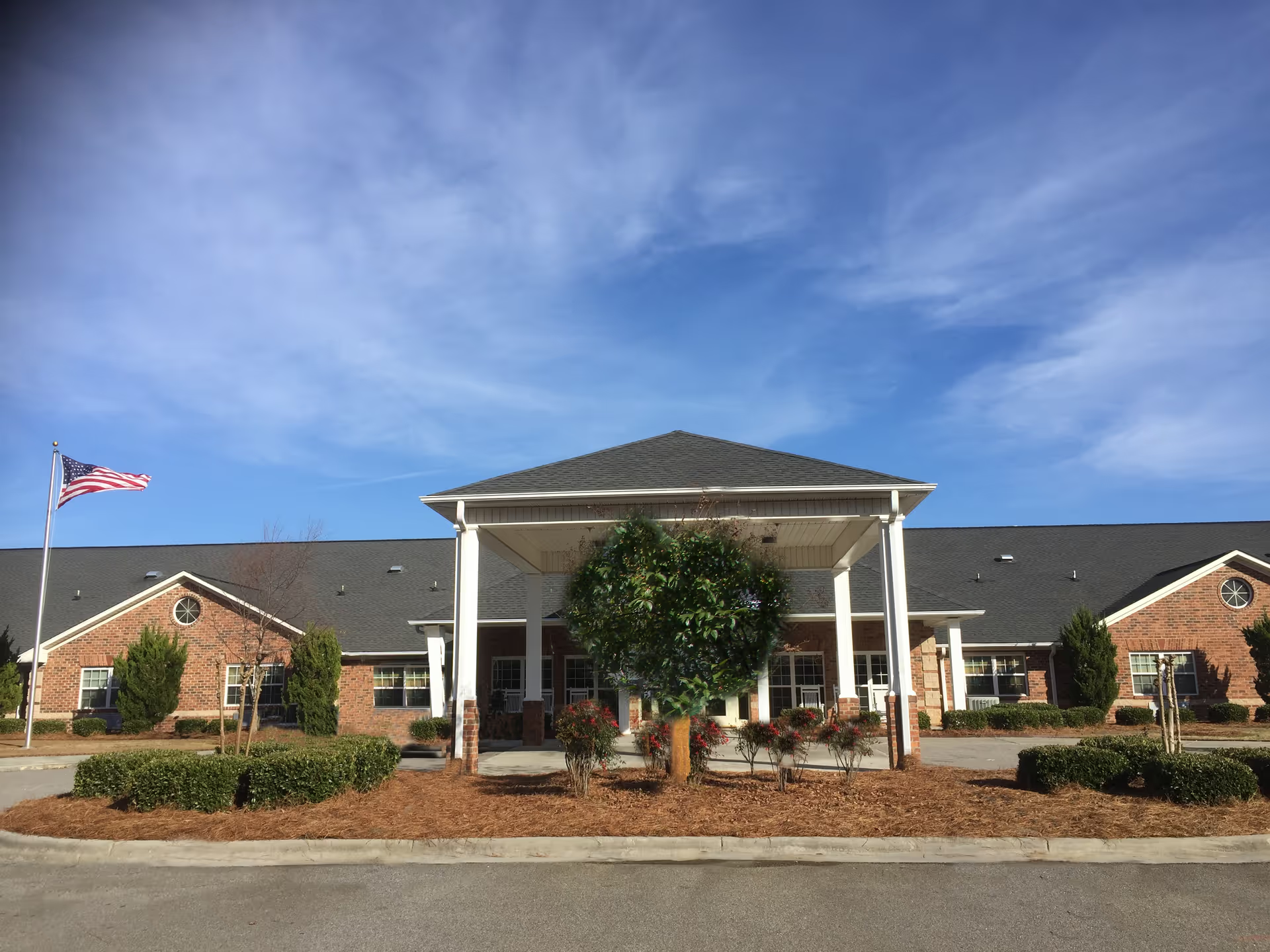
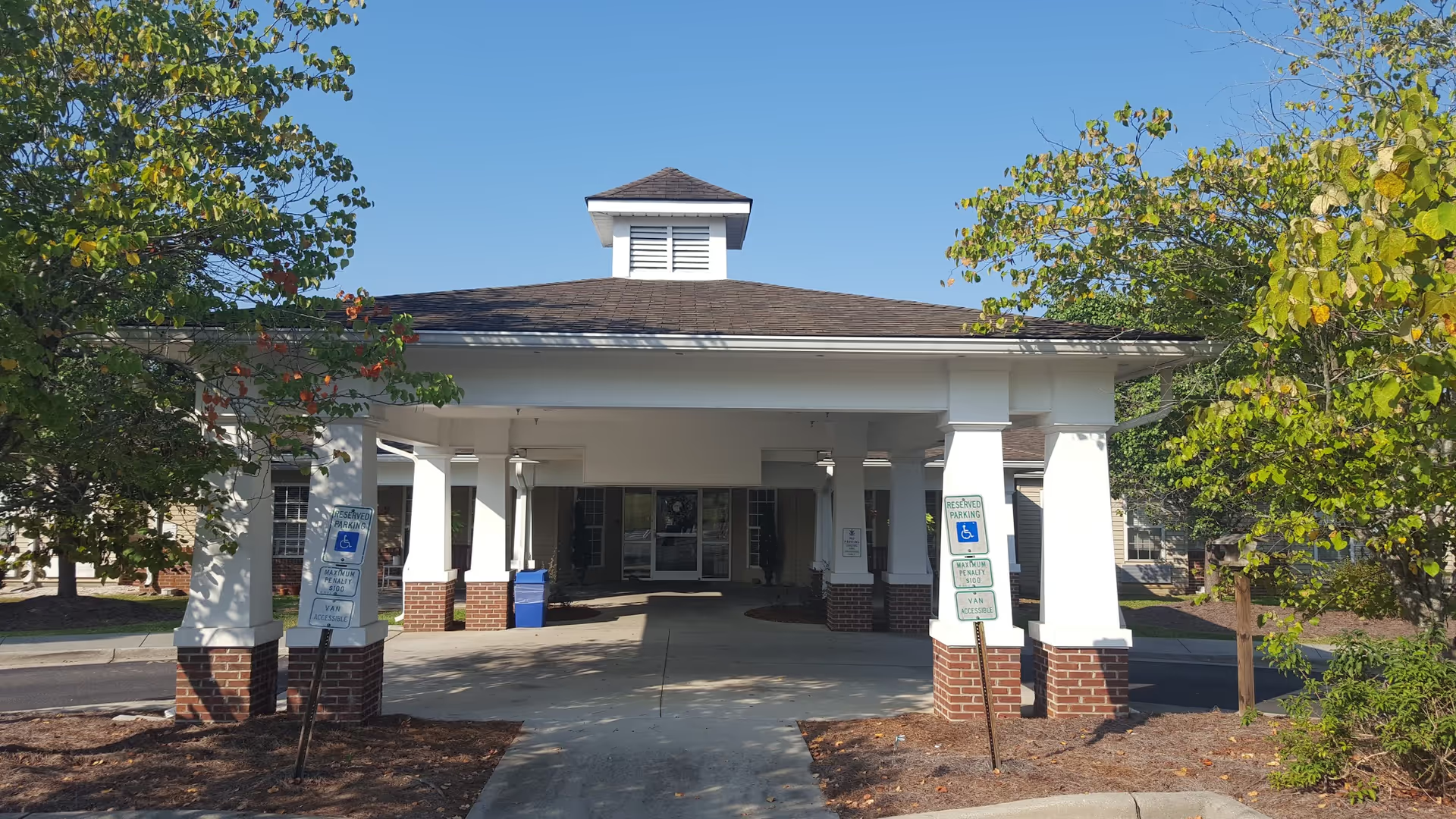
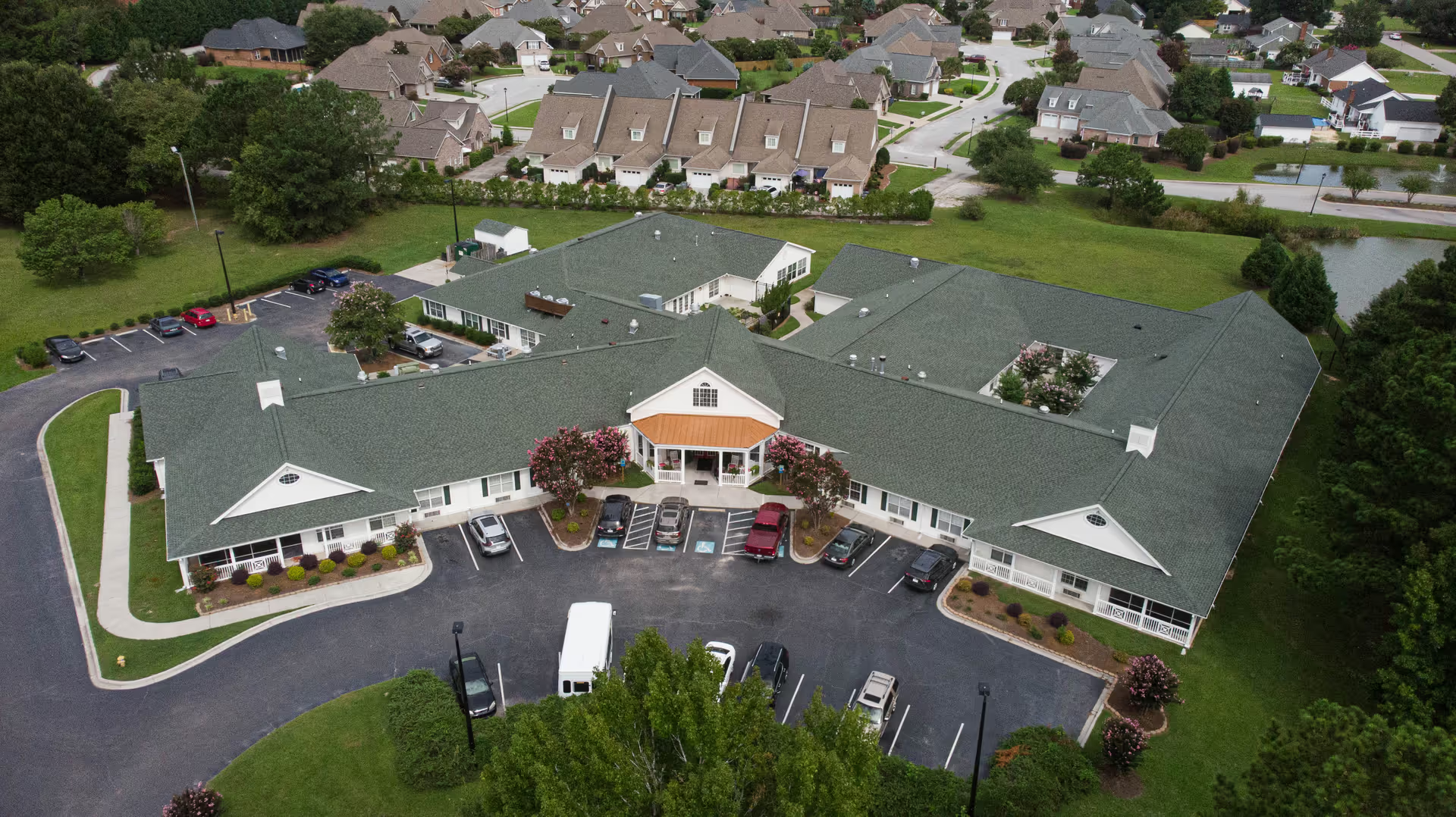
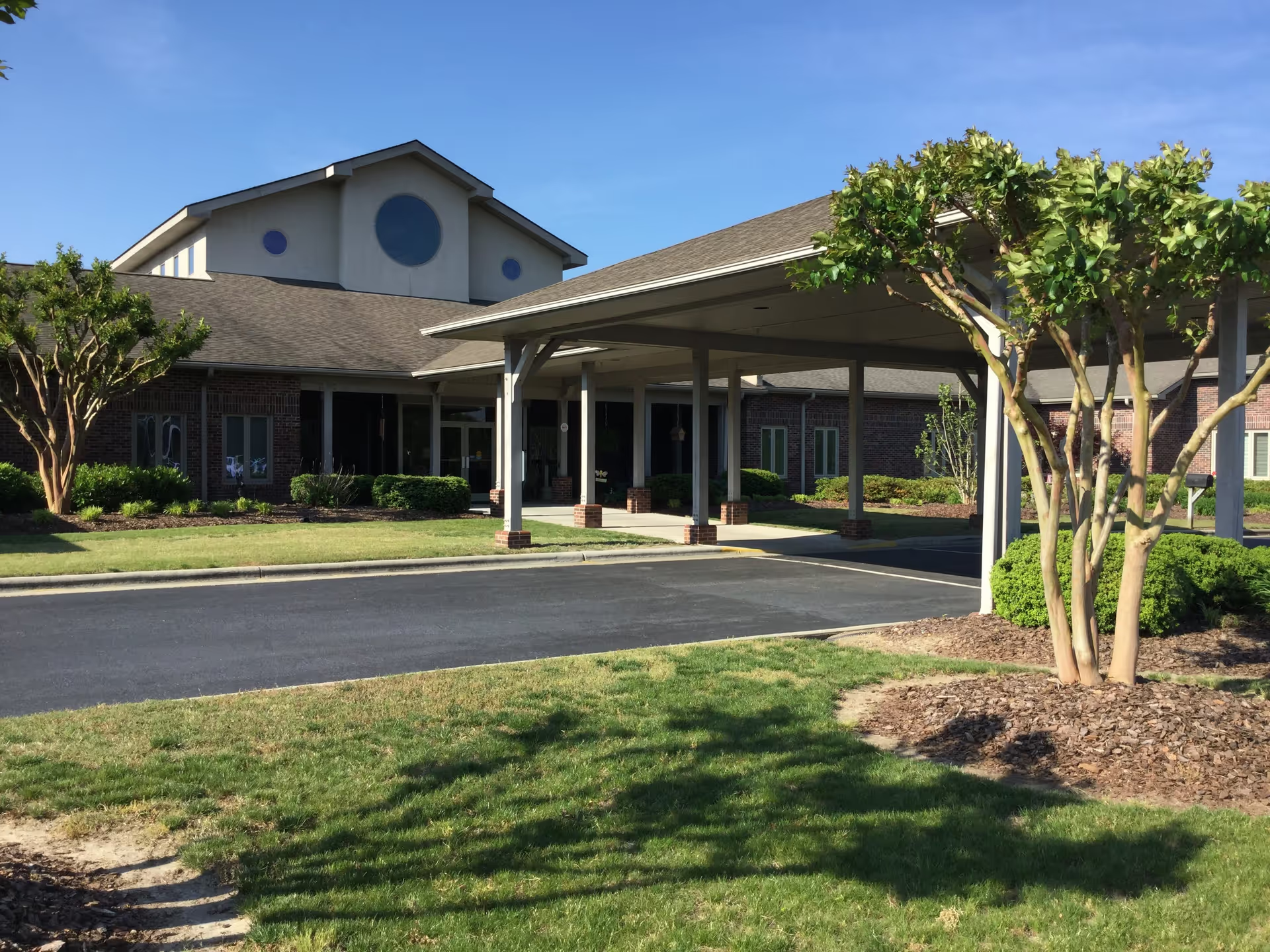
Facility condition and operations show divergence across reports. Several reviewers describe clean, well-maintained areas and ongoing renovations; others cite sanitation and laundry-service inconsistencies, odor and pest-control concerns, and stained or poorly laundered clothing. Equipment and supply availability is described as intermittent in some accounts, contributing to delays in care delivery.
Notable patterns to consider: the facility demonstrates clear strengths in therapy services, social-work support, and individual caregiver compassion, but these strengths can be undermined by operational weaknesses tied to staffing, supervision, housekeeping, and administrative controls. Prospective residents and family members should arrange a multi-shift tour, review recent state inspection reports, inquire about current staffing ratios and turnover, ask for specifics on laundry/housekeeping and pest-control protocols, confirm escalation pathways and after-hours management, and request documentation on therapy and clinical-safety programs. Doing so will help determine whether the facility’s positive clinical and social resources are consistently delivered in day-to-day operations.