Pinehurst Healthcare & Rehabilitation Center elicits strongly mixed impressions. Many families praise the facility’s therapy capabilities, warm interpersonal care, and active social programming; others raise operational concerns that affect safety, responsiveness, and the resident experience. The facility appears to perform well for short-term rehabilitation and social engagement, while its longer‑term skilled-nursing operations show more variability.
Care and clinical services: The therapy department is a clear strength — reviewers consistently describe effective physical and occupational therapy, including intensive schedules and measurable recovery outcomes. Nursing and admissions staff are often characterized as warm and supportive, with individual caregivers and nurses receiving specific praise for compassionate, dignity-preserving care. However, multiple operational patterns undermine clinical reliability: chronic understaffing, delayed alarm response, occasional medication-timing issues, and inconsistent aide performance. These patterns have been linked in reviews to safety events and family dissatisfaction. Families should ask about current staffing levels, alarm-response protocols, and medication‑management procedures during a tour.
Staff and communication: Interpersonal rapport is a central positive theme — staff who go out of their way, celebrate residents’ milestones, and foster social connections are repeatedly noted. At the same time, communication and accountability are uneven. Some families describe timely issue resolution and visible leadership involvement, while others describe slow or absent notifications about incidents and difficulties locating missing personal items. End-of-life and post‑mortem communication processes were also cited as an area needing clearer procedures and more consistent family engagement.
Dining and activities: Activity programming and family-inclusive events receive consistent praise; staff-organized celebrations and opportunities for socializing contribute to resident satisfaction. Dining impressions are mixed: reviewers mention both accommodating menu options and room service as positives, but also note inconsistent meal quality and limited menu appeal in some instances. Prospective residents should sample meals and review menu cycles with the dietary manager.
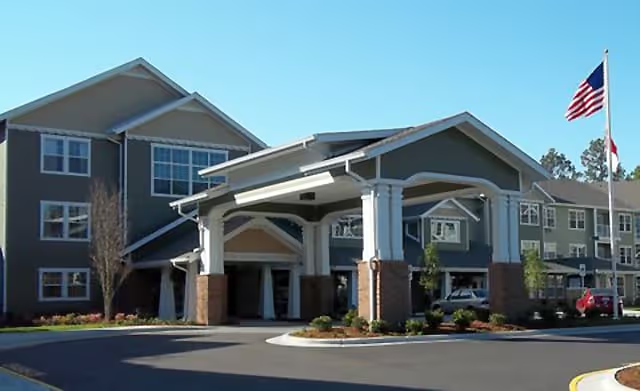
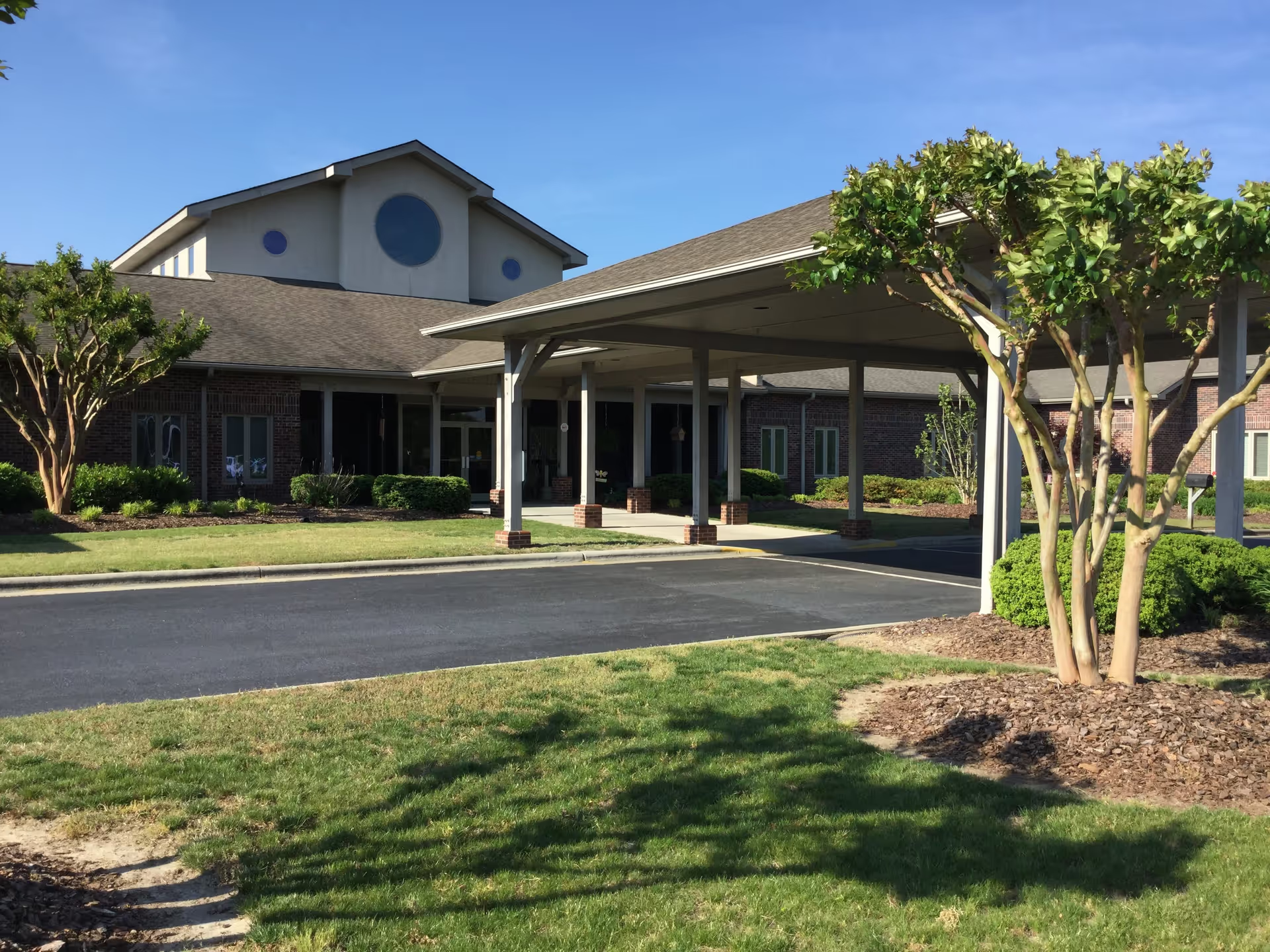
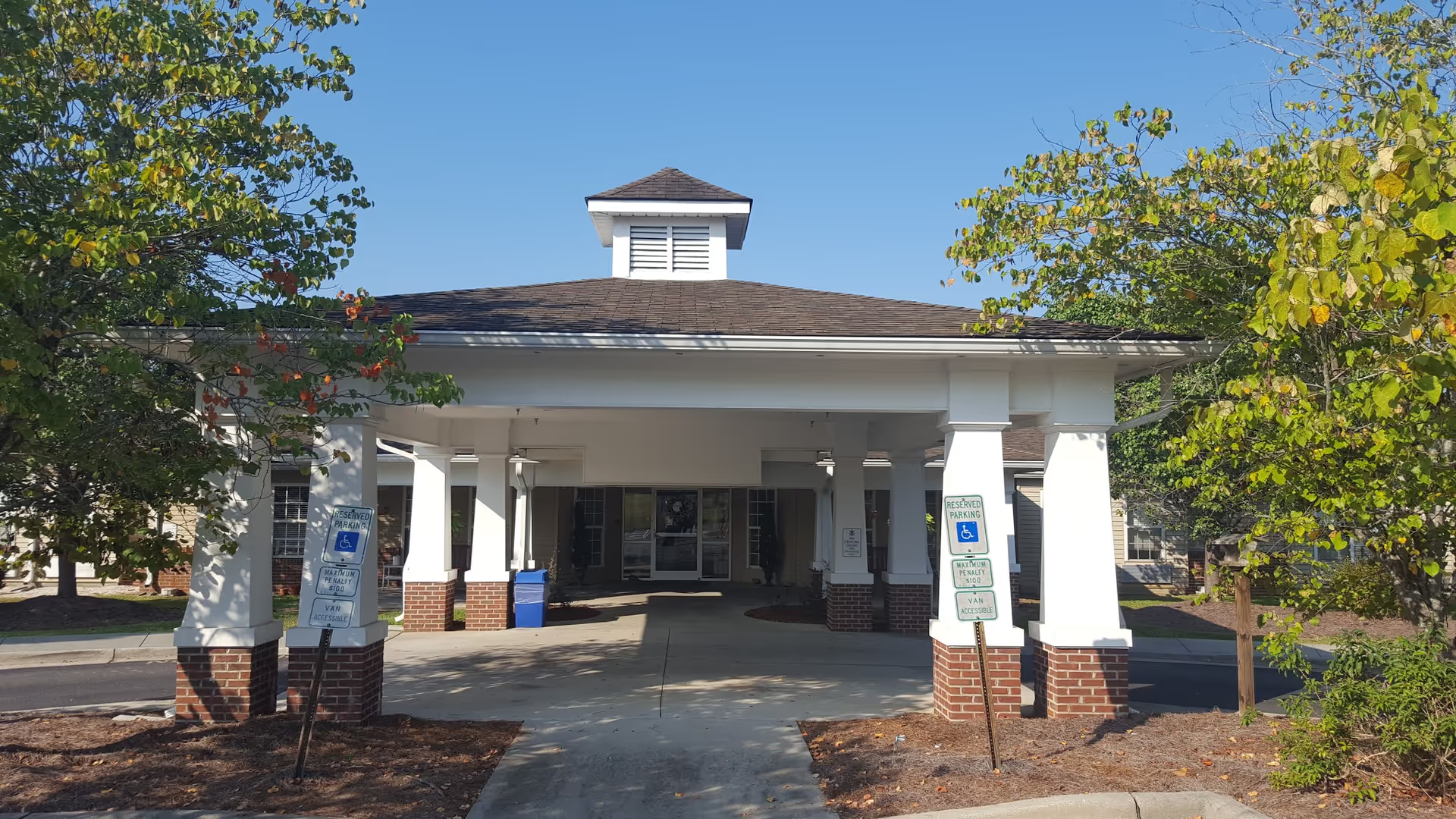
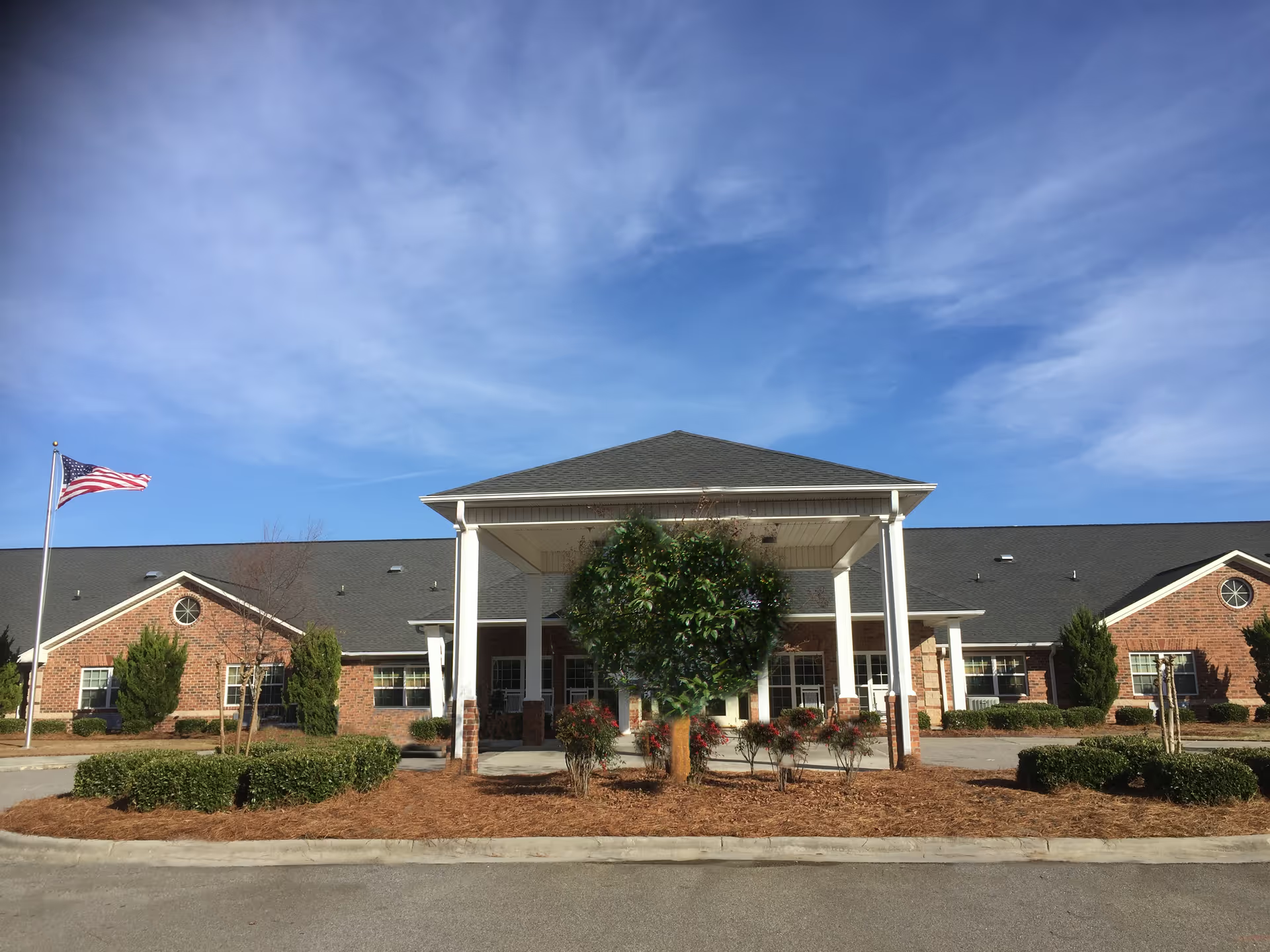
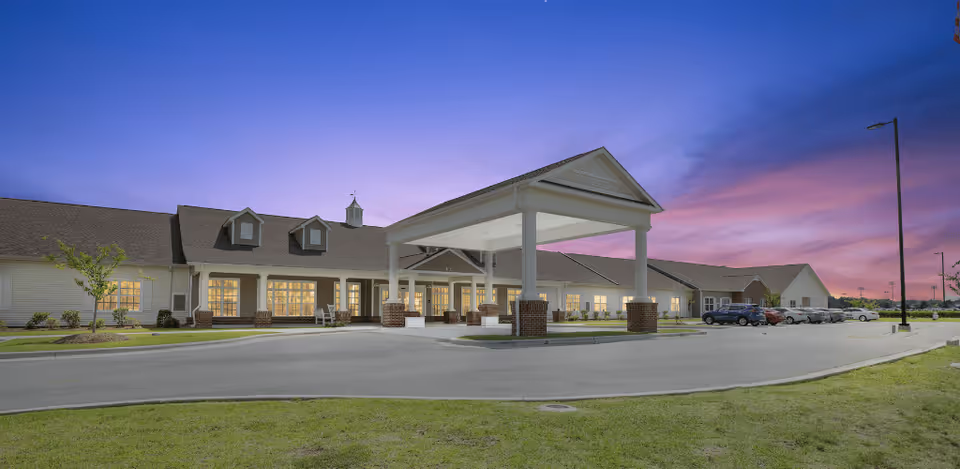
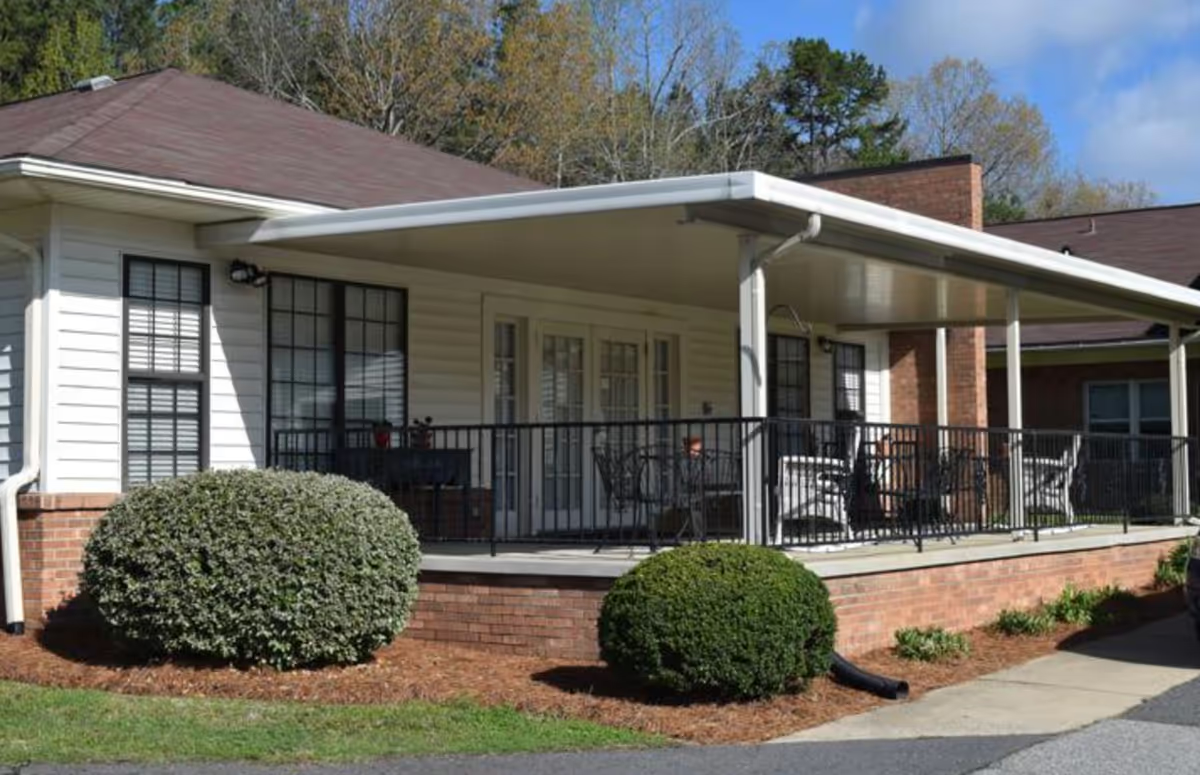
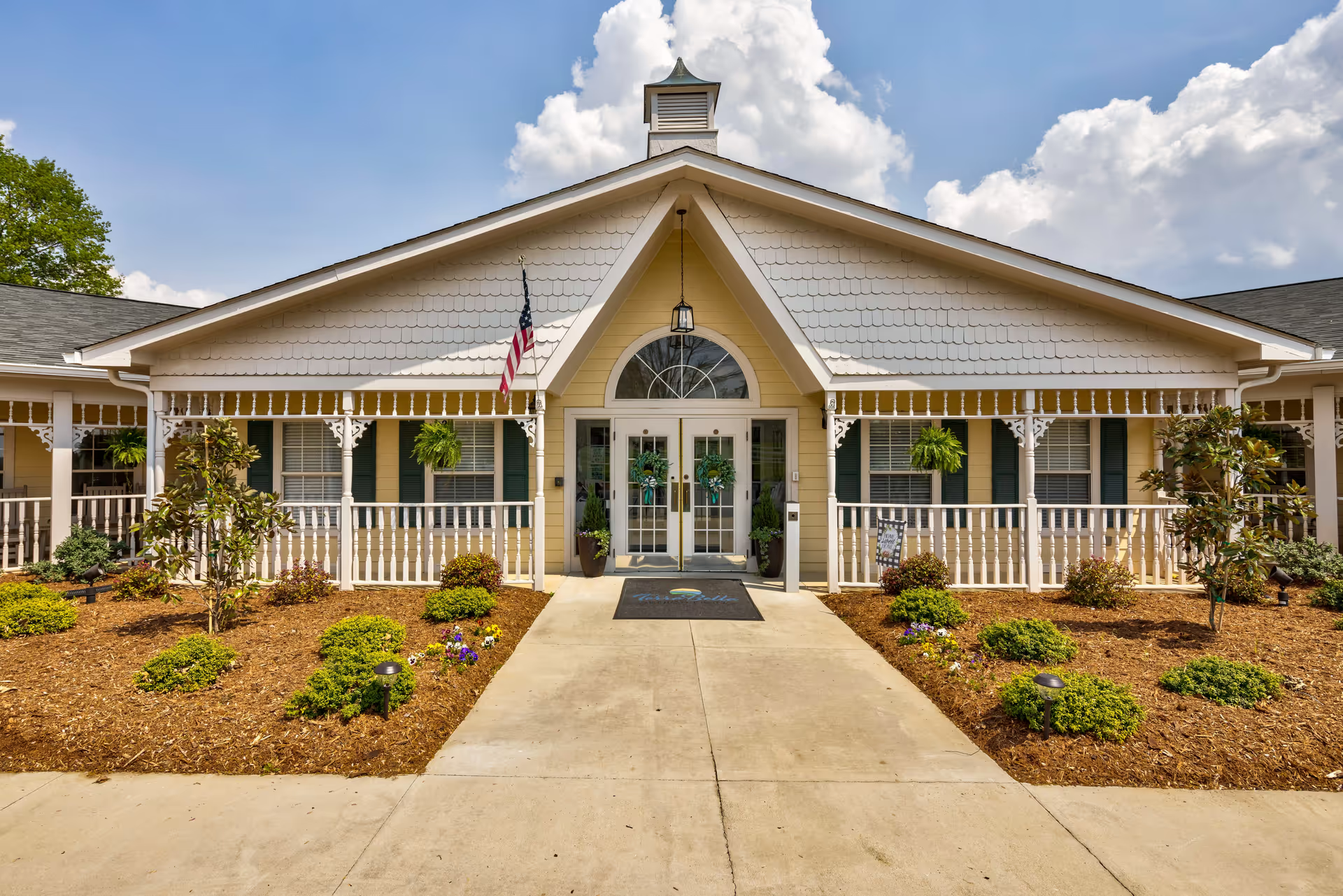
Facilities and environment: The campus offers accessible outdoor space and wheelchair access, and many reviewers find common areas clean and quiet. Conversely, resident rooms are often described as sparse and minimally decorated, with small bathrooms that can challenge wheelchair users and TVs placed at awkward viewing distances. There are isolated sanitation and maintenance concerns — including food-refrigeration issues cited by staff — and some reports of localized odor and floor-cleaning lapses. These items suggest variability in housekeeping and facility-maintenance practices across units.
Management and notable patterns: Experiences appear to vary by unit, shift, and time period. Some families report that staff addressed problems promptly and that the facility improved over their stay; others experienced unresolved issues and asked that management strengthen protocols. Recurrent themes to explore when evaluating Pinehurst are staffing ratios, alarm-response times, medication administration controls, personal‑items security, infection‑control and kitchen sanitation practices, and procedures for family communication during emergencies or end-of-life situations.
Overall impression and guidance: Pinehurst may be a strong option for residents needing intensive short‑term rehabilitation and for families who value warm, engaged caregivers and active programming. However, the facility exhibits operational weaknesses that could affect residents who require close clinical vigilance or a more homelike room environment. Prospective families should tour the facility, meet therapy and nursing leadership, request current staffing and incident‑response metrics, sample the dining program, and ask about policies for personal‑belongings security and bereavement communication before making placement decisions.