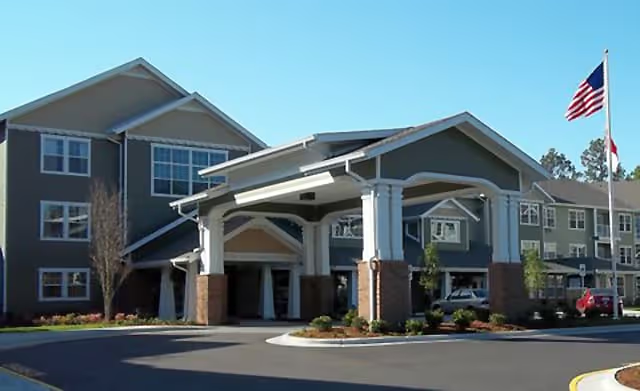
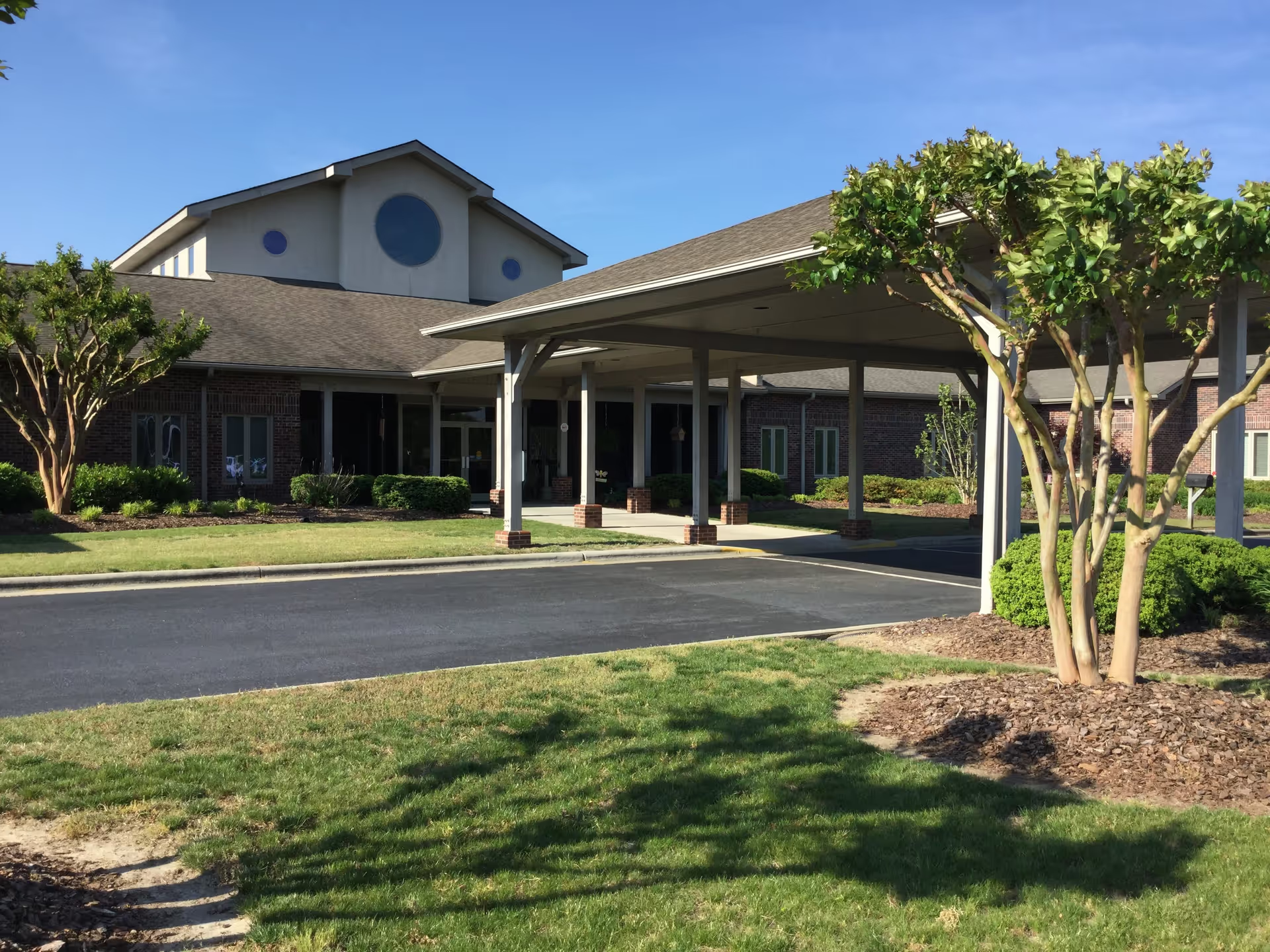
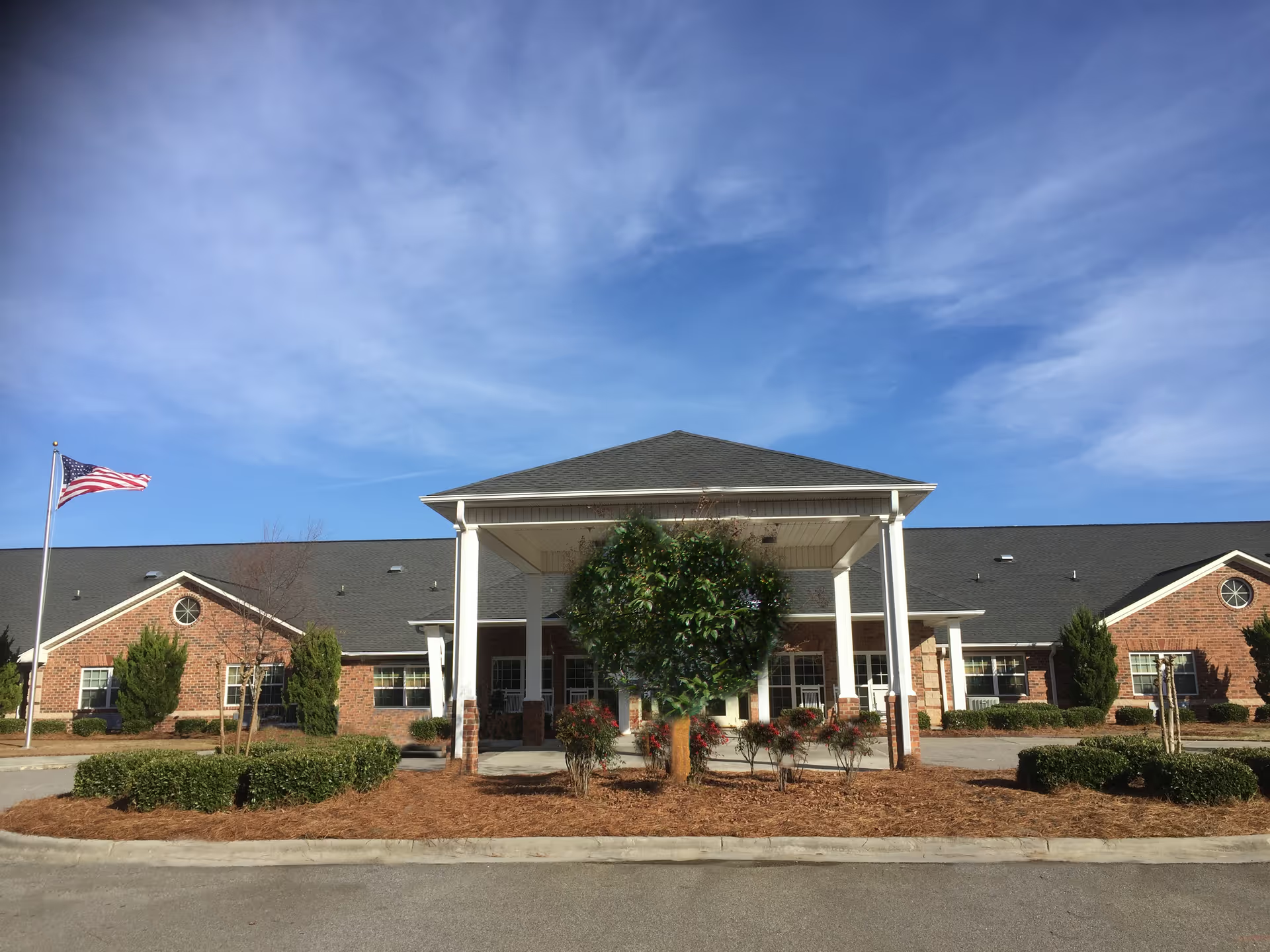
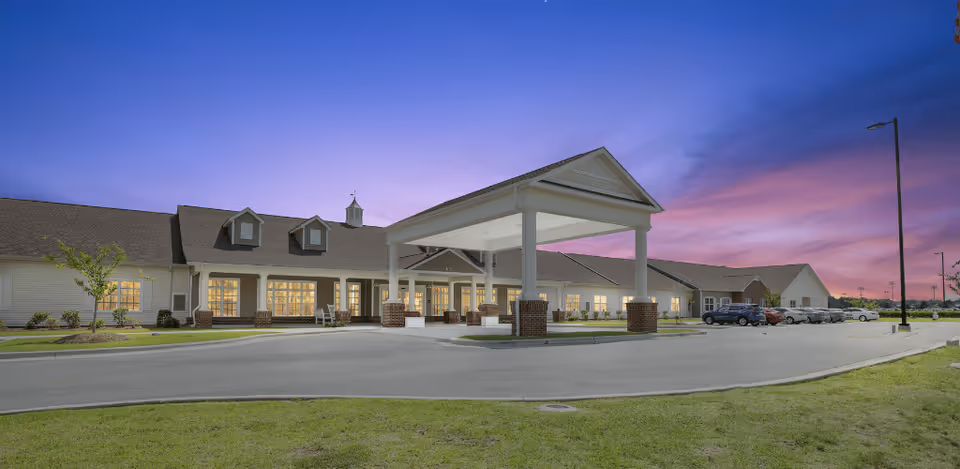
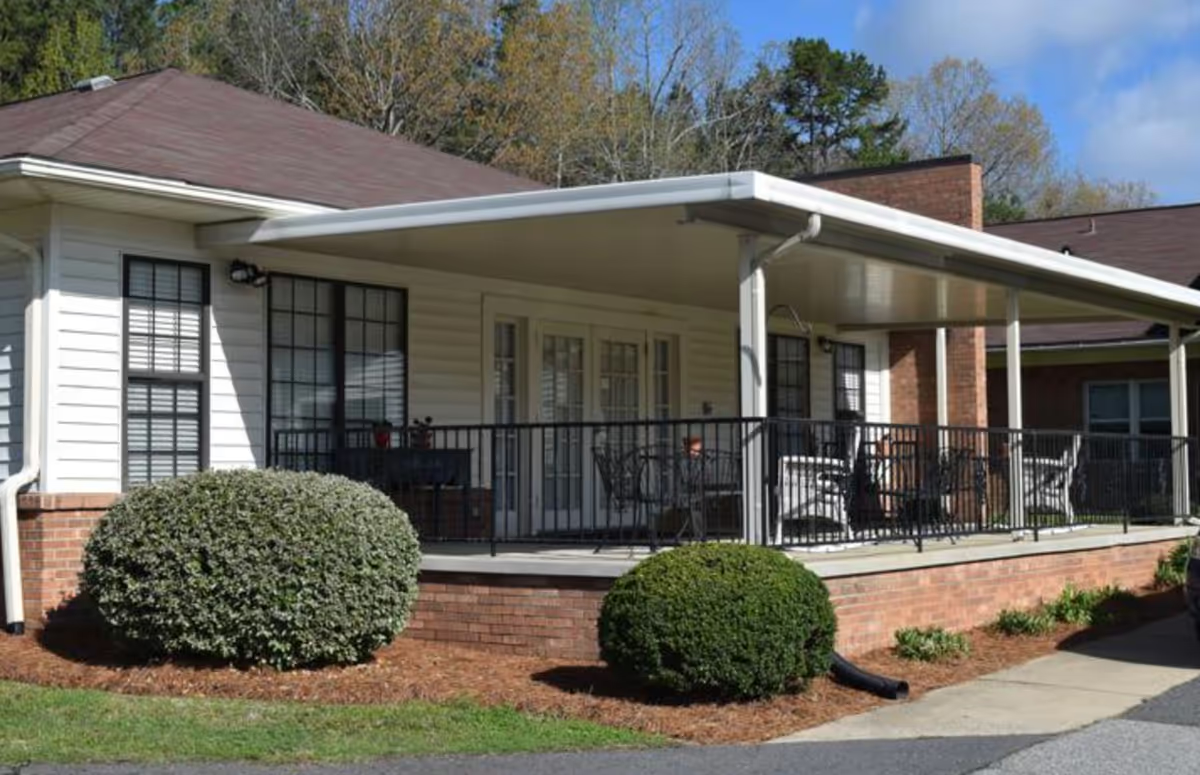
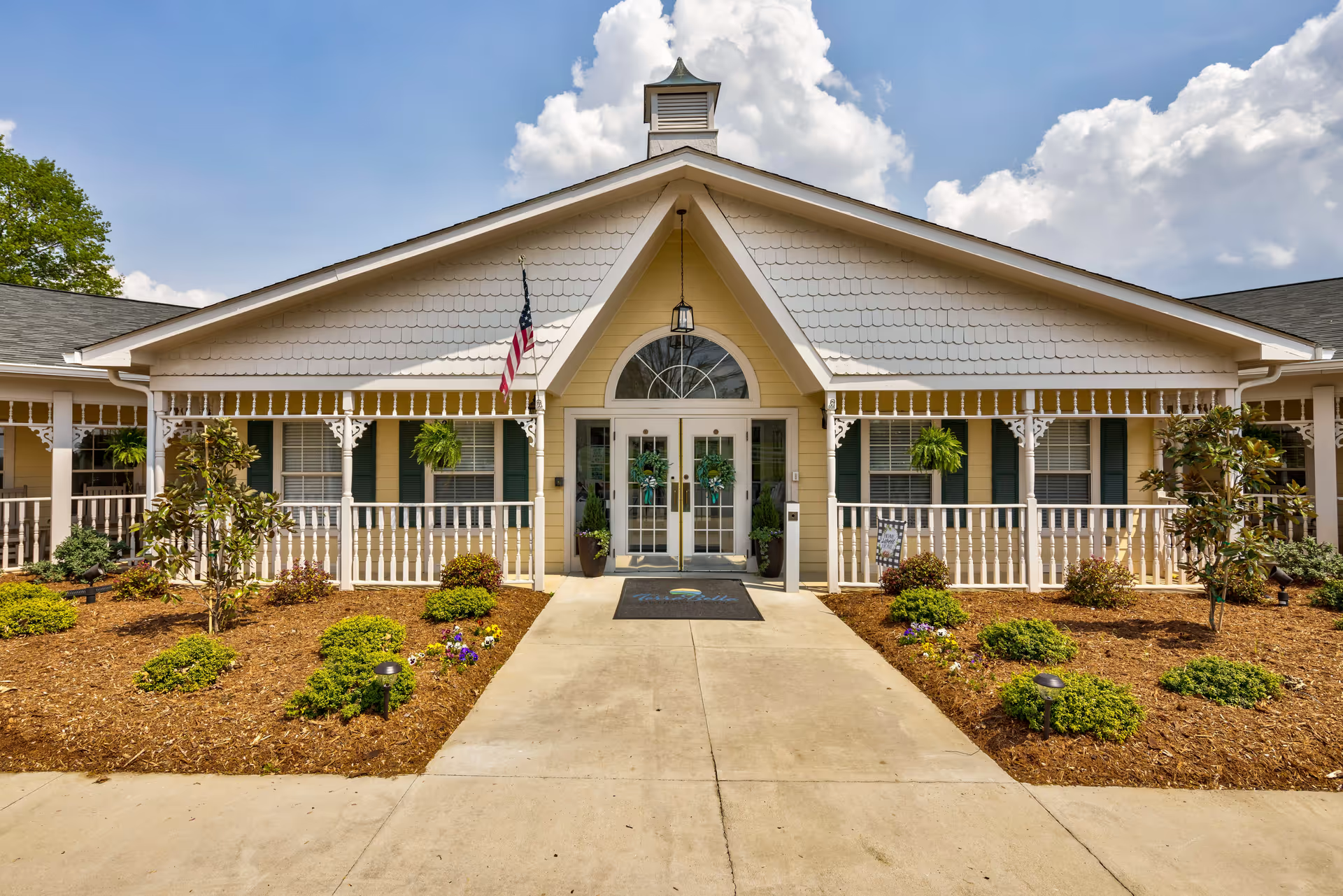
Quail Haven Retirement Village elicits strongly polarized impressions. Many families and residents describe high-quality rehabilitation, attentive personal care, a clean, home-like physical environment, and engaging activities. These positive accounts frequently highlight effective physical therapy, professional and compassionate nursing and aide staff, smooth admissions and discharge transitions, and well-maintained grounds and communal spaces. Several reviewers also singled out helpful administrative staff and responsive clinical leaders who supported transitions back home.
Alongside those favorable accounts are a set of recurring operational concerns. A consistent theme is variability: care quality, staff responsiveness, and management follow-through appear to fluctuate by shift, unit, and time. Specific operational weaknesses include chronic understaffing, gaps in timely response to call systems, inconsistent medication and pain-management practices, and shortcomings in fall-prevention and transfer-safety protocols. Multiple families raised incontinence-care delays and associated sanitation and odor concerns in certain areas. There are also allegations of documentation problems and restricted access to records, which feed into worries about clinical oversight and transparency.
Staff behavior and identification are another mixed area. Positive comments describe kind, patient-centered caregivers and engaged RNs or social-work directors. Contrasting comments describe inconsistent staff conduct, personal device use during shifts, limited interaction with residents at certain times, and reluctance in some cases to identify staff by name. Management responsiveness is described as variable: some reviewers praise prompt, solution-oriented leadership, while others describe defensive or slow administrative responses and difficulties with billing, rate changes, or discharge coordination.
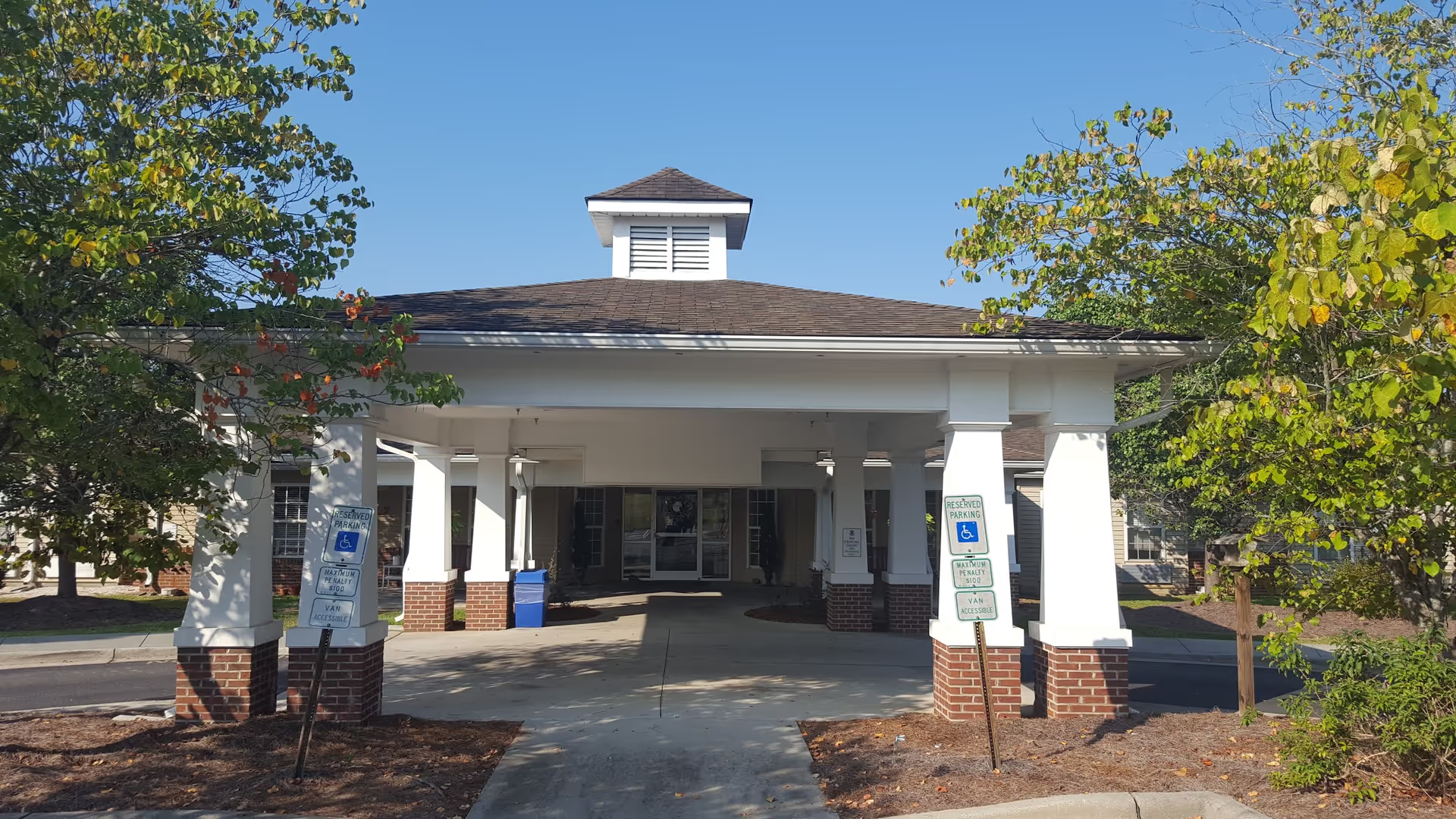
Dining, activities, and facilities likewise show dual patterns. Many residents enjoy varied activities, a home-like dining area, and organized therapy rooms; the facility is often described as clean and comfortable. However, meal temperature, portion size, and consistency of food quality are noted as uneven. Physical features that drew criticism include occasional odor concerns, rooms without in-room phones, and limited handicapped parking.
What stands out is the degree of variability: the same facility is characterized by exemplary rehabilitation and compassionate care in some experiences and by operational and safety gaps in others. Prospective residents and families should tour in person, speak with current residents and families, and ask targeted questions about staffing ratios per shift, call-response protocols and monitoring, fall-prevention and transfer practices, documentation access and medical-record release procedures, medication administration oversight, and billing/contract terms. Clarifying how the facility handles grievances and who is responsible for clinical leadership on each shift can help set expectations and identify whether the facility’s strengths align with the prospective resident’s needs.