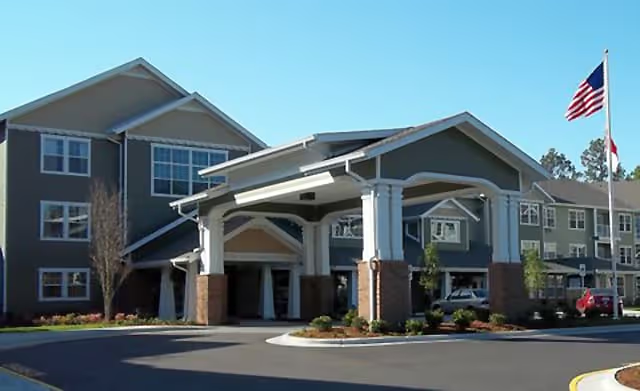
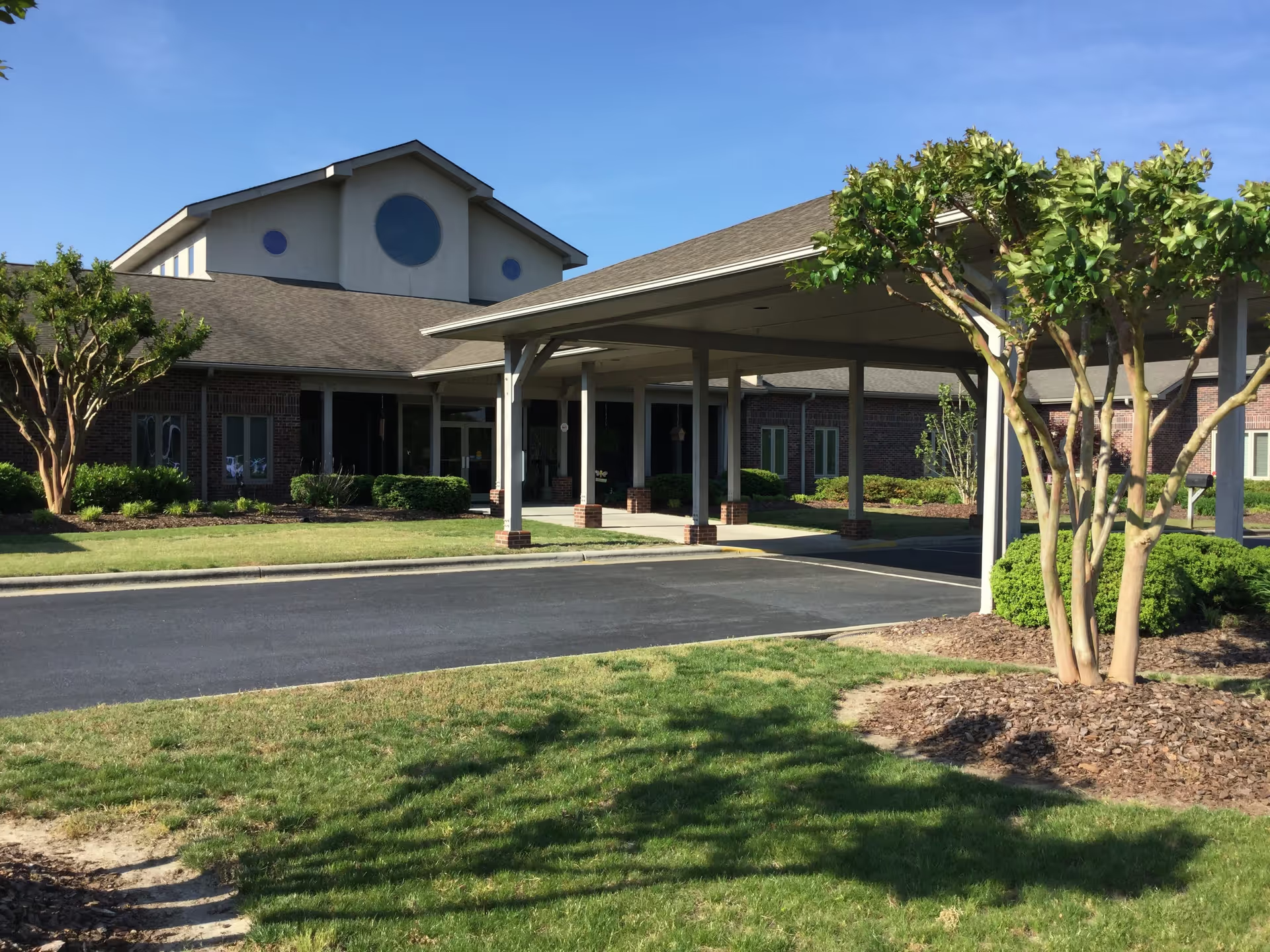
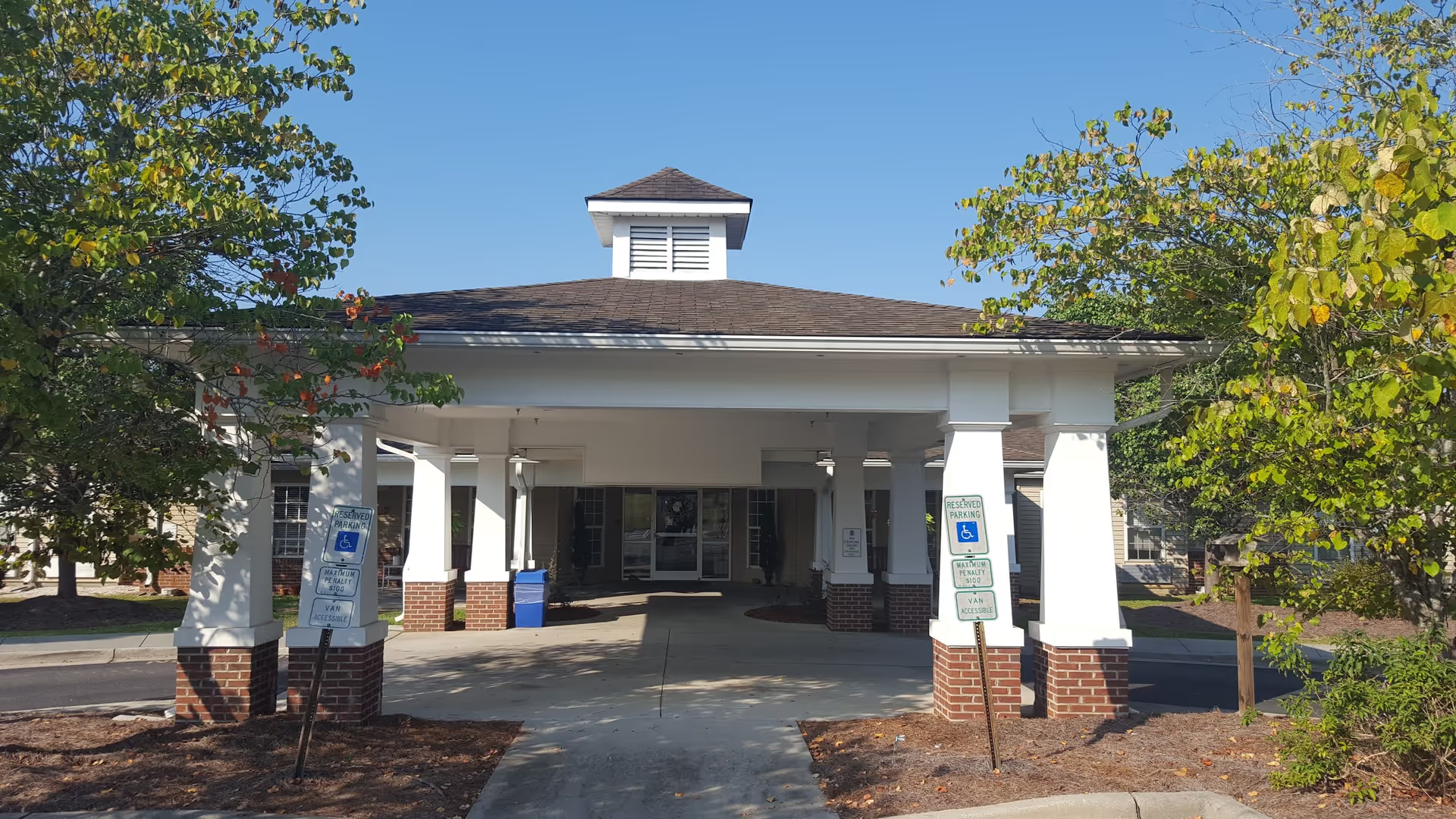
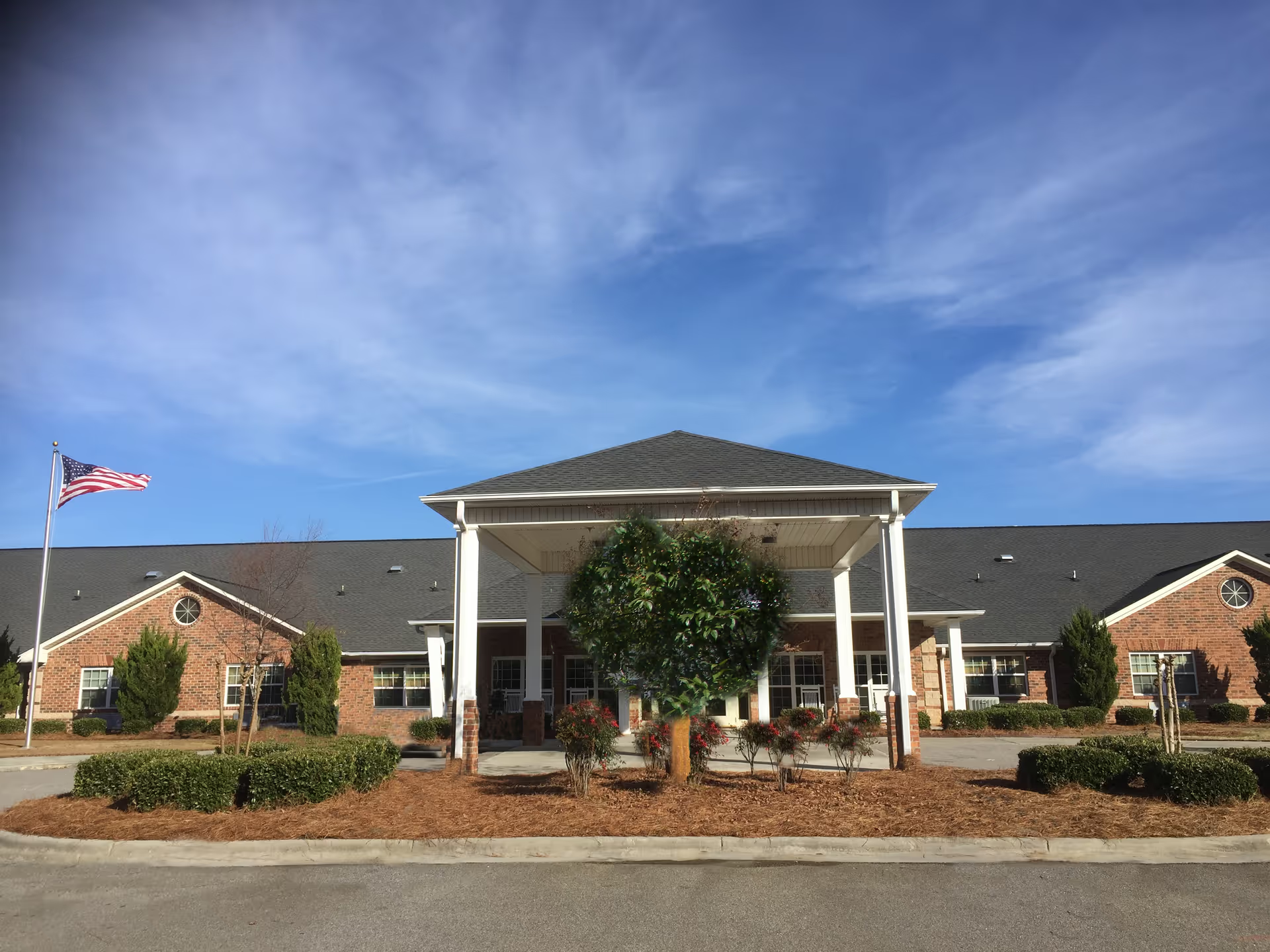
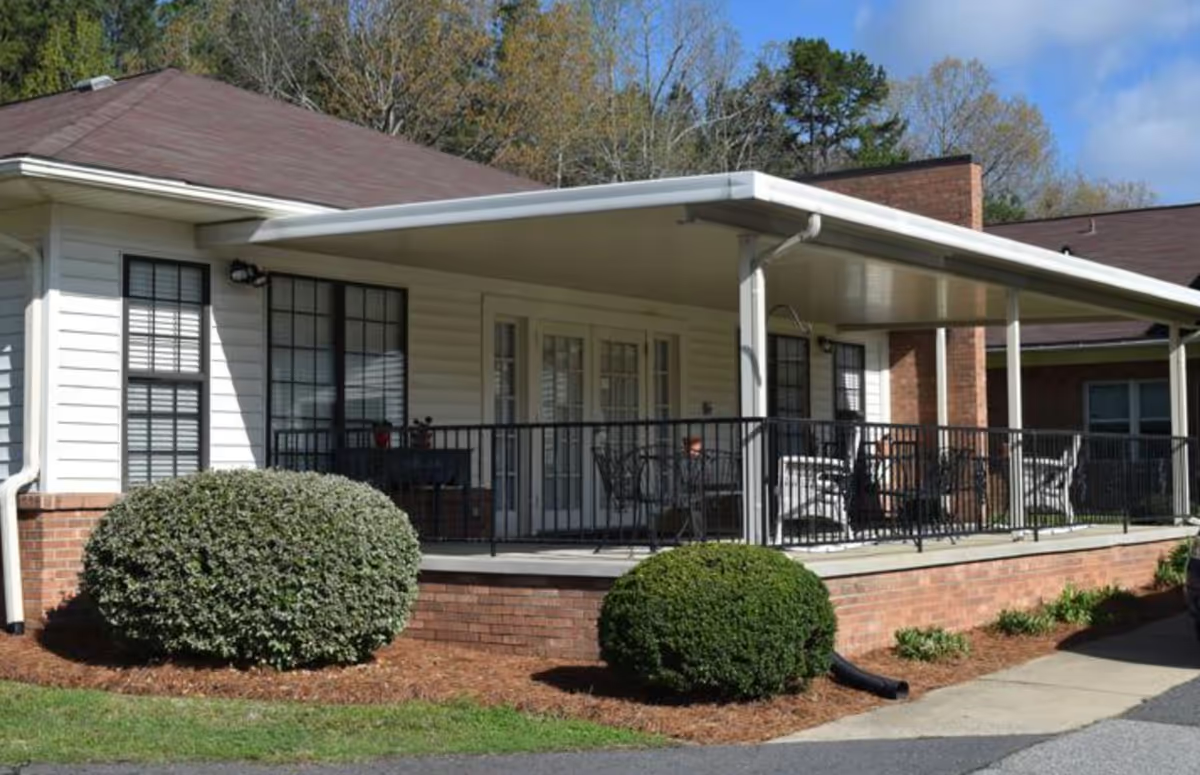
The Greens at Pinehurst presents a mixed performance profile. Many families and visitors describe a core of compassionate, hands-on staff and competent nursing and therapy teams who foster engagement through social programming and rehabilitation services. Admissions and front-desk personnel are frequently identified as welcoming and helpful, and public areas and certain wings show evidence of cleanliness and recent renovation. Several reviews also note positive end-of-life and hospice interactions and describe visible improvements under new administrative leadership.
At the same time, recurring operational weaknesses are evident. Staffing levels and turnover are a persistent concern, and reviewers describe delays in responding to call lights and in attending to toileting and bathing needs. These responsiveness problems are linked in several accounts to burnout and short staffing, producing inconsistent day-to-day care experiences. There are also specific safety-related themes: concerns about medication-administration practices and other clinical-safety controls, as well as reported limitations in clinical expertise for complex wound and pain management.
Housekeeping and maintenance appear inconsistent across the facility. While public areas are often described as clean and welcoming, individual rooms and some wings are characterized by sanitation concerns and intermittent odor issues. Reviewers also cite supply shortages and maintenance problems (for example, equipment or plumbing issues) that affect resident comfort and care delivery. Dining is another uneven area: descriptions range from meals delivered with attention to residents to repeated complaints of poor meal quality, cold plates, and interrupted or inadequate food service.
Communication and management practices form a third theme. Families point to gaps in care coordination and notification processes, including delayed family communication about clinical changes and discharge decisions. Staff conduct and tone are also raised as concerns in multiple accounts, alongside allegations of property loss and privacy breaches; these reports call attention to the need for clearer property safeguards and staff professionalism policies. At the organizational level, reviewers cite a lack of transparency and inconsistent accountability, though several accounts note positive shifts after leadership changes and praise specific staff members.
For prospective residents and families, the pattern suggests strong relational strengths among many caregivers and meaningful therapy and activity options, tempered by operational variability. When evaluating the facility, consider asking about current staffing ratios and turnover, medication-safety protocols, incident and property-loss procedures, recent corrective actions taken by leadership, meal-service routines, and how the facility handles family notification and care coordination. Observing mealtime service, a nursing shift change, and the state of a prospective resident's assigned room can help assess how consistently the facility delivers the positive elements cited versus the operational gaps described.