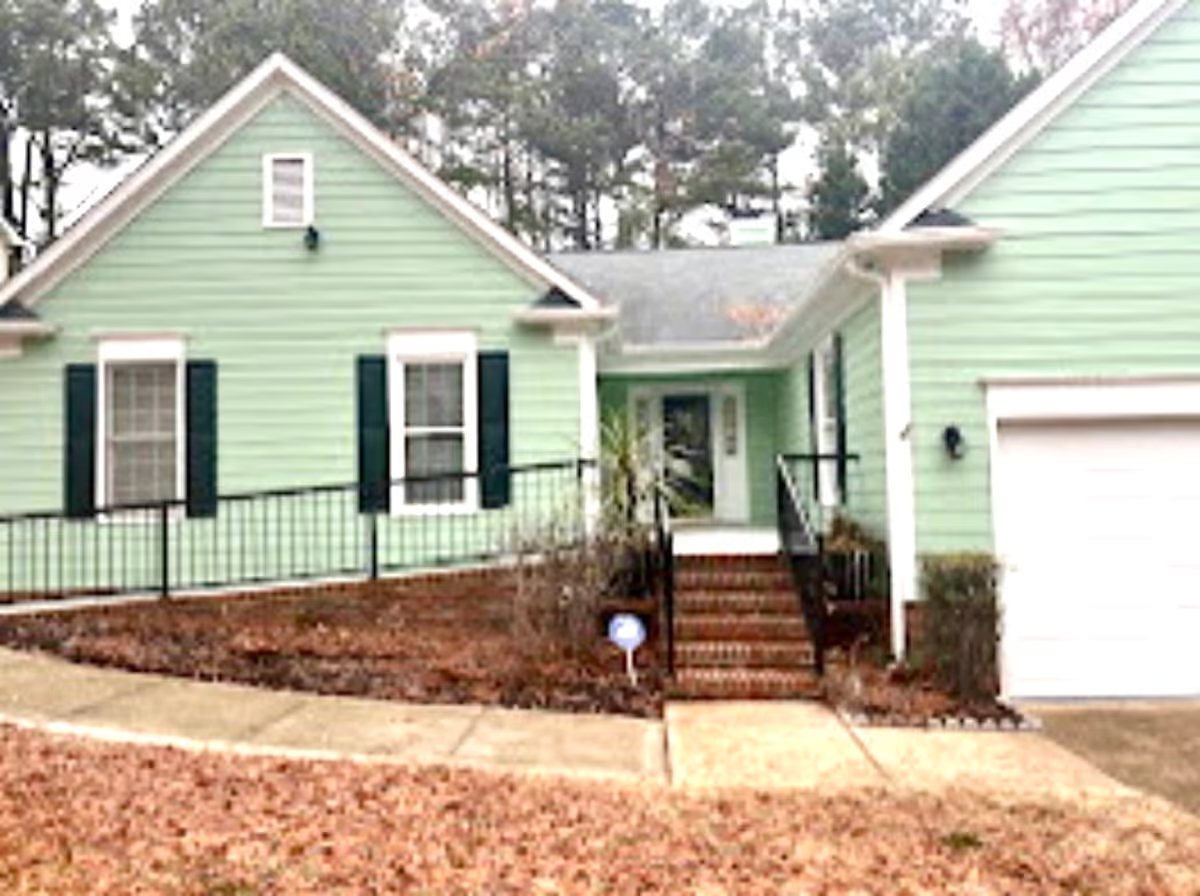
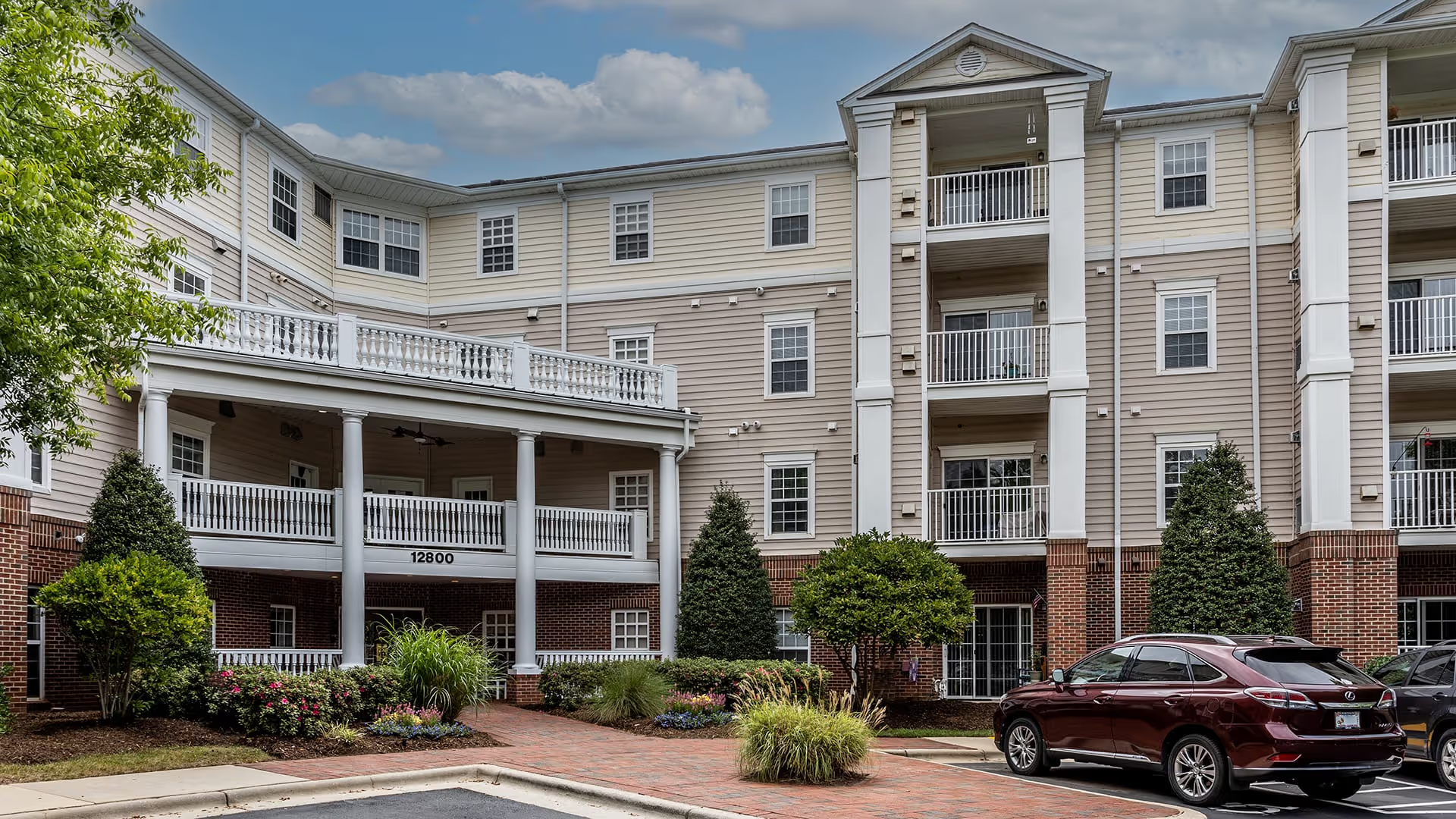
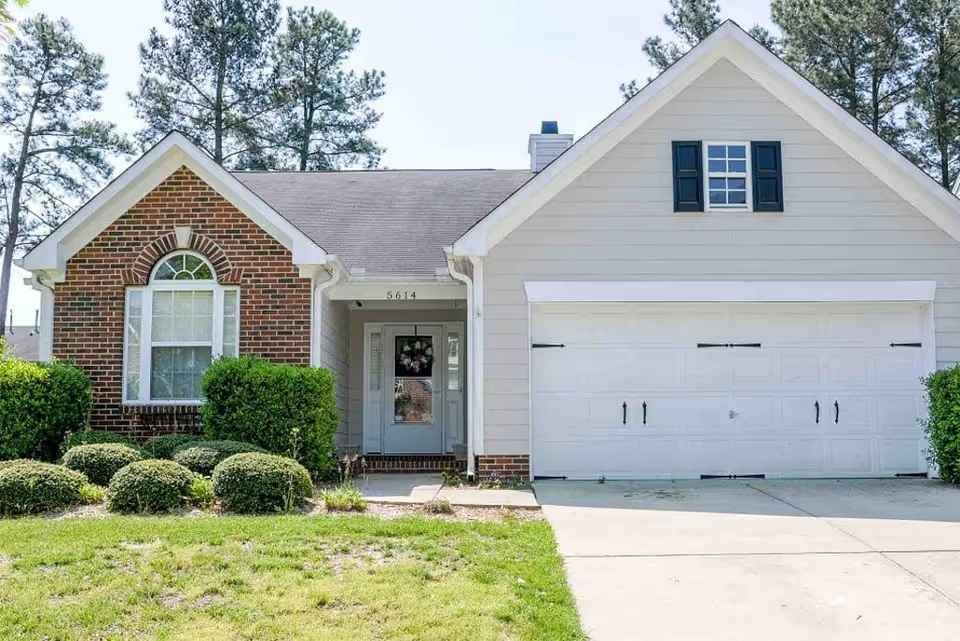
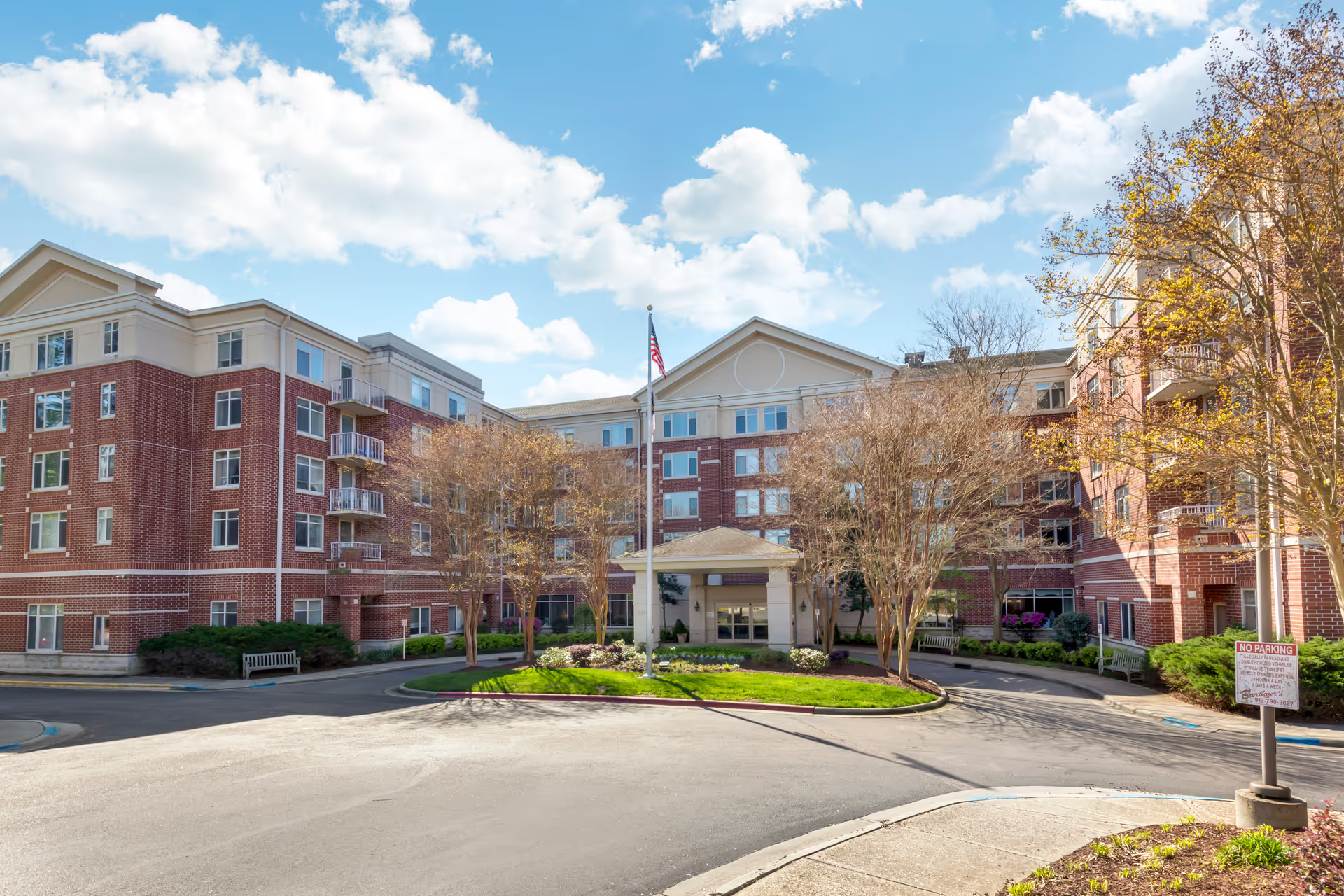
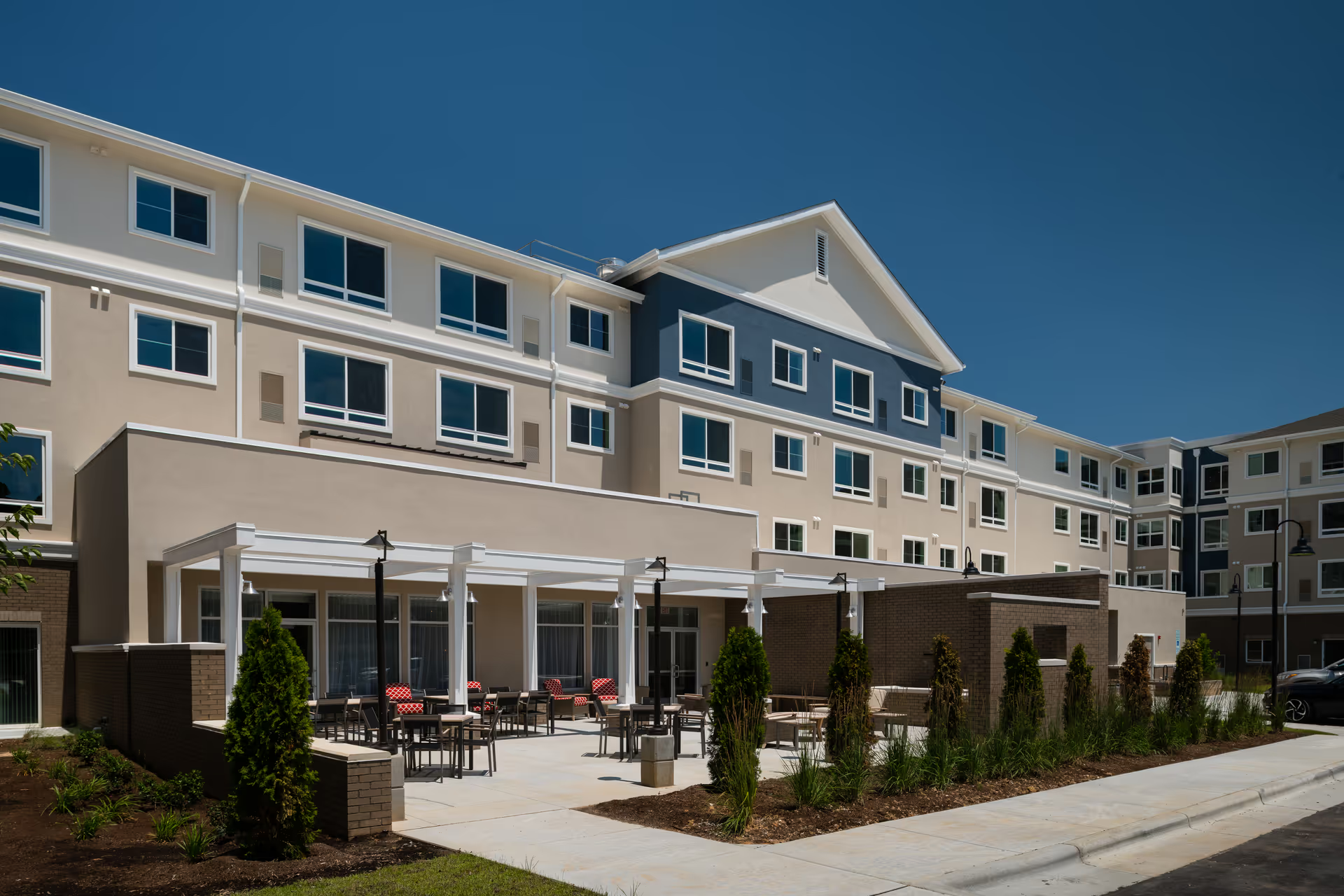
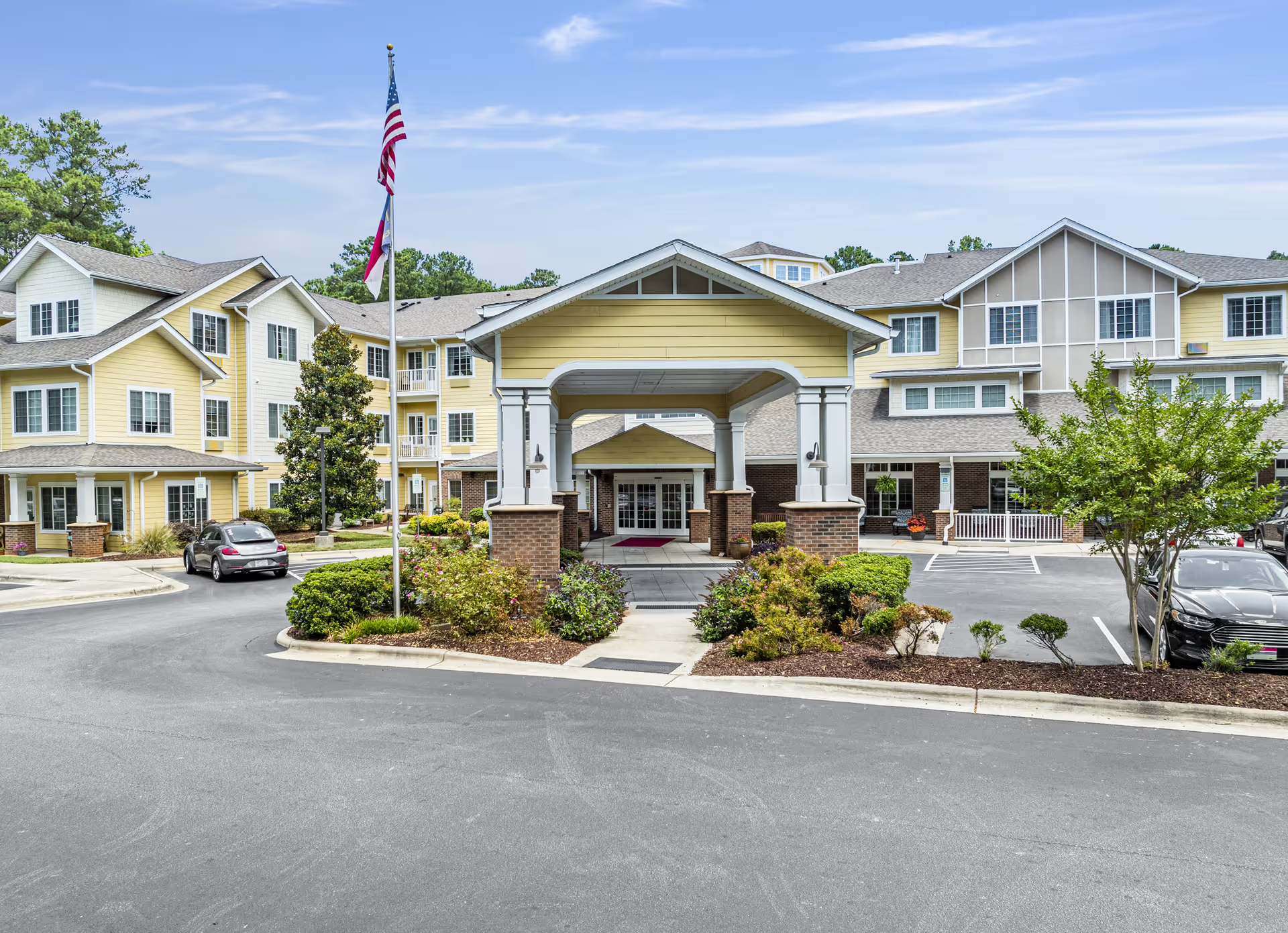
Atria Oakridge presents as a spacious, well‑maintained independent living community with a pronounced emphasis on social programming, therapy access, and a resident‑centered culture. Reviewers frequently highlight the staff as a core strength: admissions and sales staff, front‑desk personnel, caregivers, and therapy teams are described as attentive, compassionate, and willing to coordinate move‑ins, family communication, and transitions from hospital to rehab to home. The community offers a range of on-site clinical supports (PT/OT, short‑term rehab, and periodic medical house calls), and many families cited seamless coordination during care transitions.
Physical facilities and amenities are commonly praised. Apartments are noted for generous floor plans, full kitchens, in‑unit washer/dryer options, screened porches or private outdoor spaces, and ample storage. The campus includes well‑kept grounds, walking areas, private gardening plots, a hair salon, multiple common rooms, and a large performance area; programming includes a wide activity slate and frequent live music and concerts. Transportation and scheduled outings are standard features, and the location is convenient to medical services and retail.
Dining and service consistency are mixed themes. Numerous reviewers commend restaurant‑style dining, varied menus, chef‑prepared meals, and a pleasant dining-room atmosphere. Conversely, there are repeated mentions of inconsistent meal temperature, portioning, and service organization; some families describe a decline in dining quality during periods of staffing change. Housekeeping and maintenance are likewise areas of divergence—many residents praise attentive maintenance and cleanliness, while others note unreliable housekeeping schedules or slower responses during operational disruptions.
Management stability and operational consistency are the principal areas of concern. Several reviews describe periods of high staff turnover and frequent leadership changes that coincided with disruptions in dining, housekeeping, transportation, and assisted‑care coordination. Where assisted‑care services are outsourced, reviewers sometimes observed coordination gaps. Price and perceived value are also recurring considerations: reviewers advised prospective residents to clarify fee structures, housekeeping/transportation inclusions, and policies around rate increases.
For prospective residents and families: the community offers strong social programming, visible therapy and medical supports, and a generally warm, family‑like culture with many long‑standing residents. To evaluate current operational reliability, ask about current leadership tenure, staffing ratios for dining and transportation, housekeeping cadence, assisted‑care coordination protocols, and written details on fees and rate‑increase policies. These targeted questions will help determine whether the community’s many strengths align with your expectations for service consistency and long‑term value.