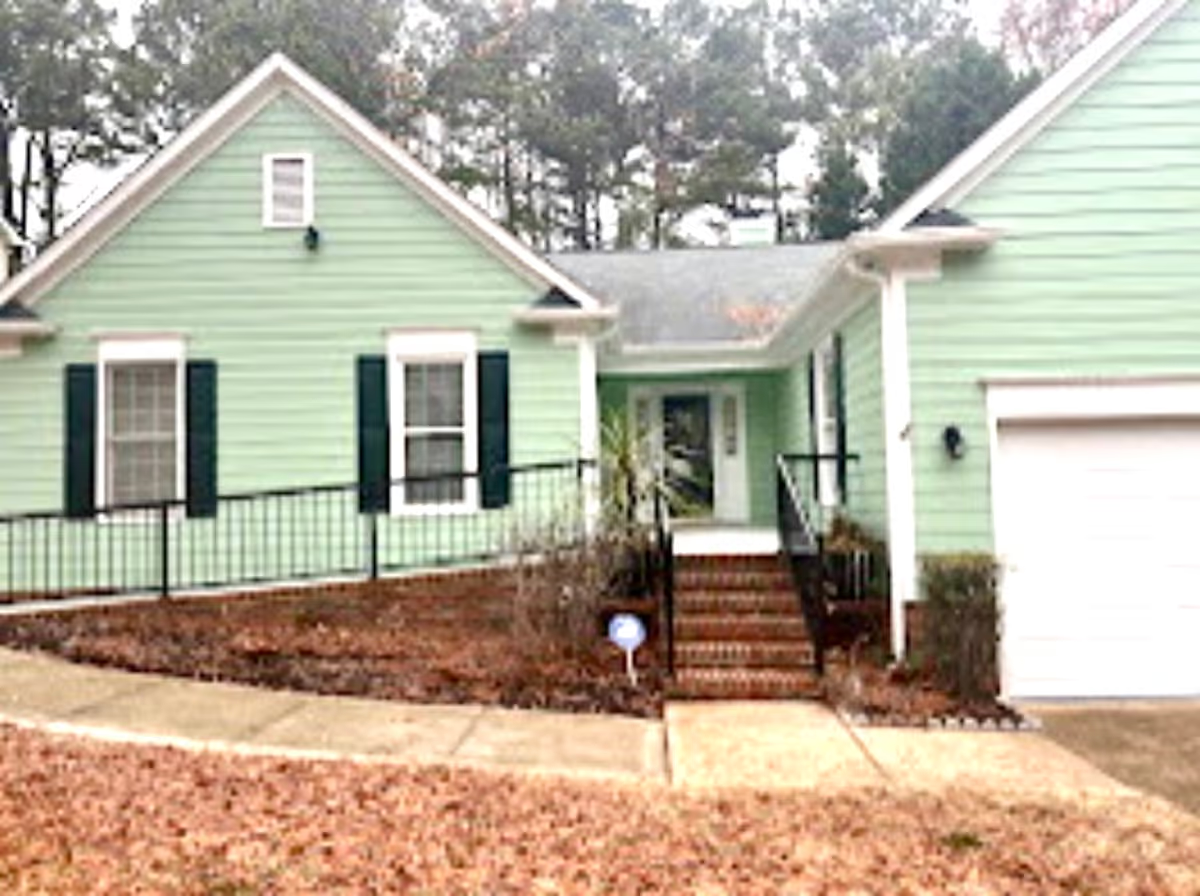
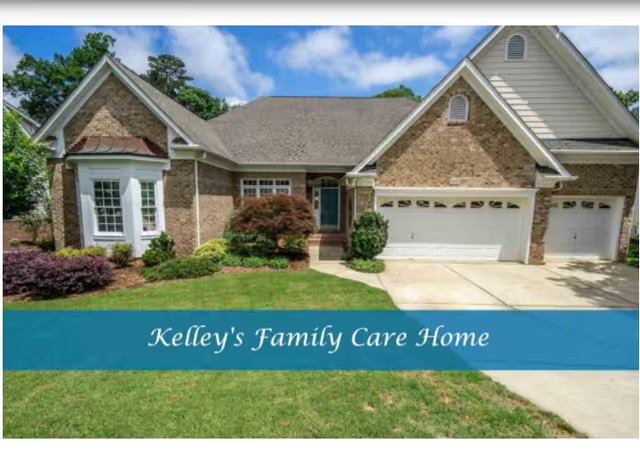
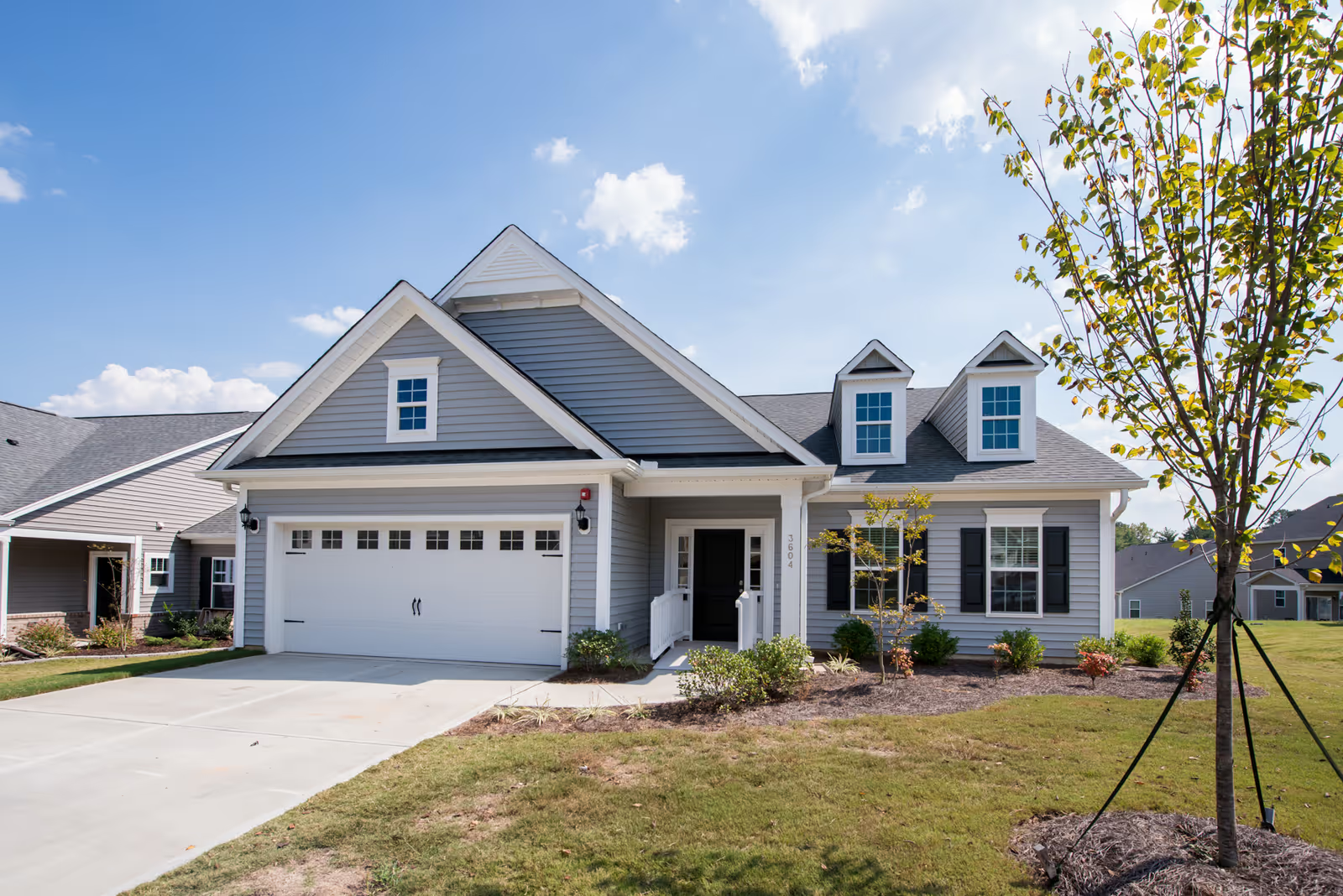
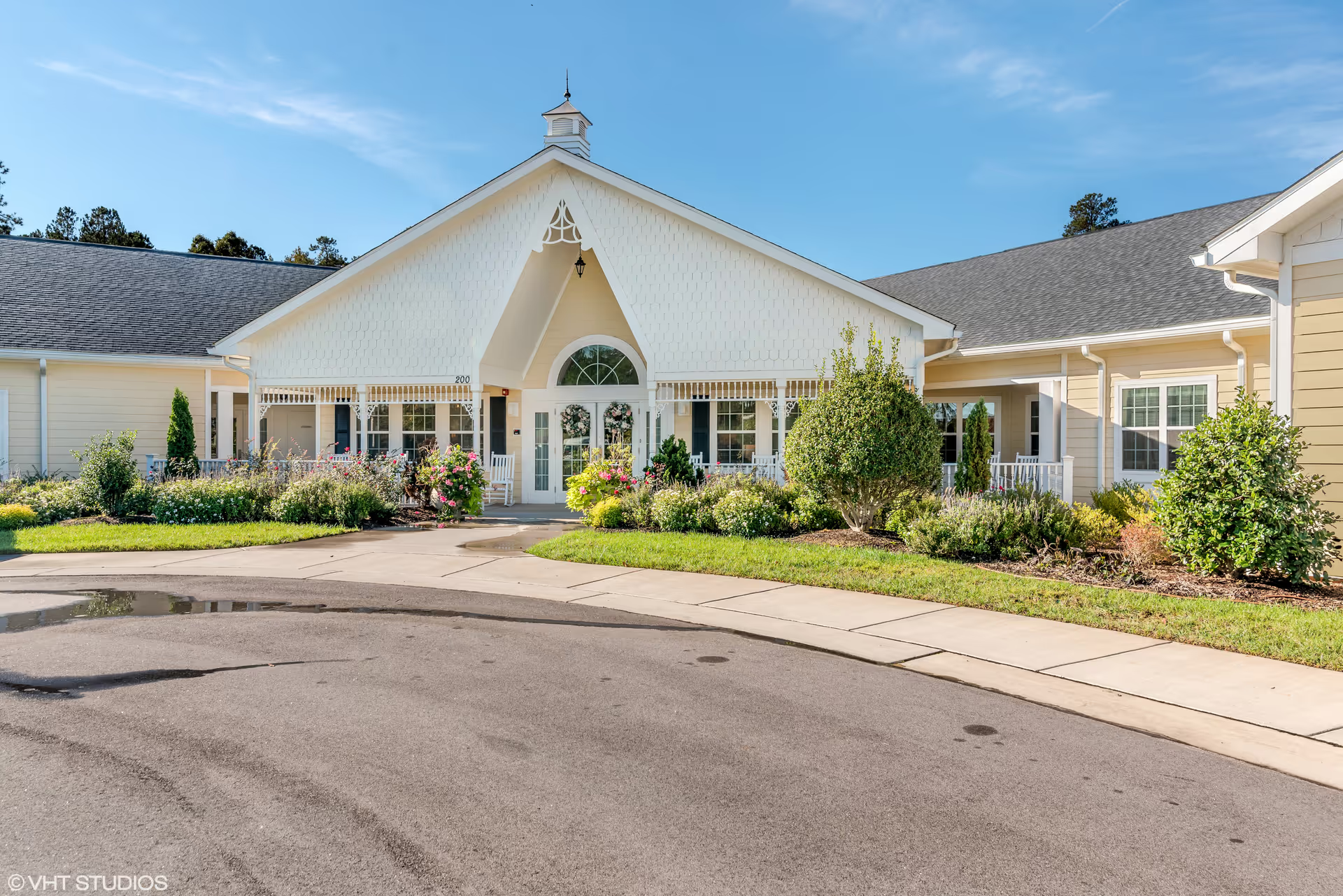
Lynn's Home at Riverside is described consistently as a small, family-style memory-care home with a strong emphasis on person-centered dementia care. Reviewers highlight a home-like atmosphere, tidy and comfortable rooms, and an intimate scale that supports close relationships between caregivers and residents. The facility's small size is repeatedly framed as a strength: it fosters companionship among housemates, frequent conversation, and individualized attention.
Care quality is a dominant positive theme. Caregivers are characterized as attentive, knowledgeable about dementia care, and responsive to changes in residents' conditions. Families report frequent communication and weekly updates from lead caregivers, and some reviewers cite a 2:1 caregiver-to-resident staffing model or otherwise high staff presence. Operational practices such as a toileting/nighttime program and proactive infection-control measures (including COVID precautions) are noted as contributing to resident safety and improved nighttime comfort. Overall clinical oversight and monitoring appear robust for a small home environment.
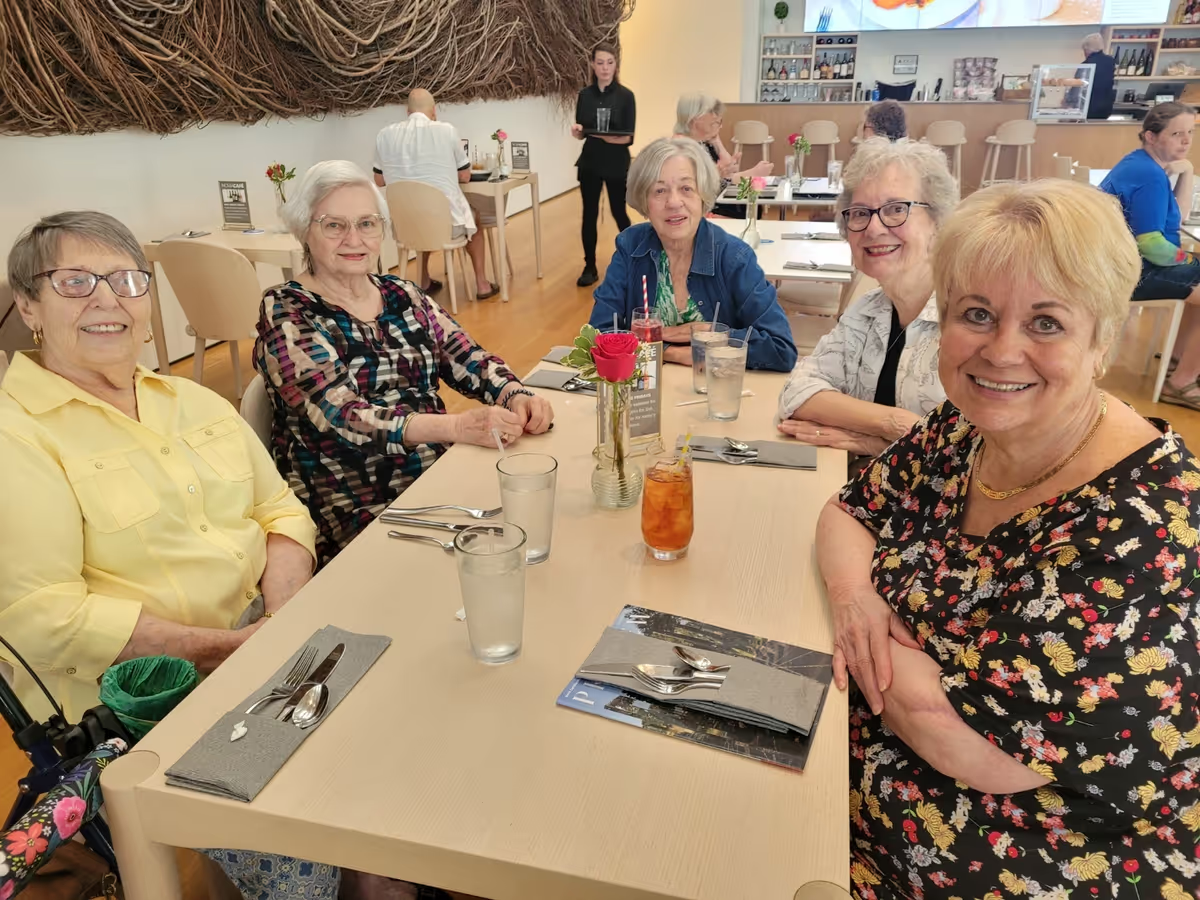
Dining and daily life are described positively. Meals are repeatedly called home-cooked, nutritious, and well-liked by residents; food quality is a frequently cited strength. Activities are modest and befitting a small setting — companionship, conversations about life stories, seasonal decorating and occasional organized social events — which reviewers view as appropriate and beneficial for memory-care residents.
Facility maintenance and management receive favorable mentions. The home is described as consistently clean and well-kept, with hands-on owner and management involvement that families appreciate. Management involvement extends to resident-focused touches (seasonal decorating, active oversight) and accessible family communication, which many families interpret as evidence of a person-centered operational style.
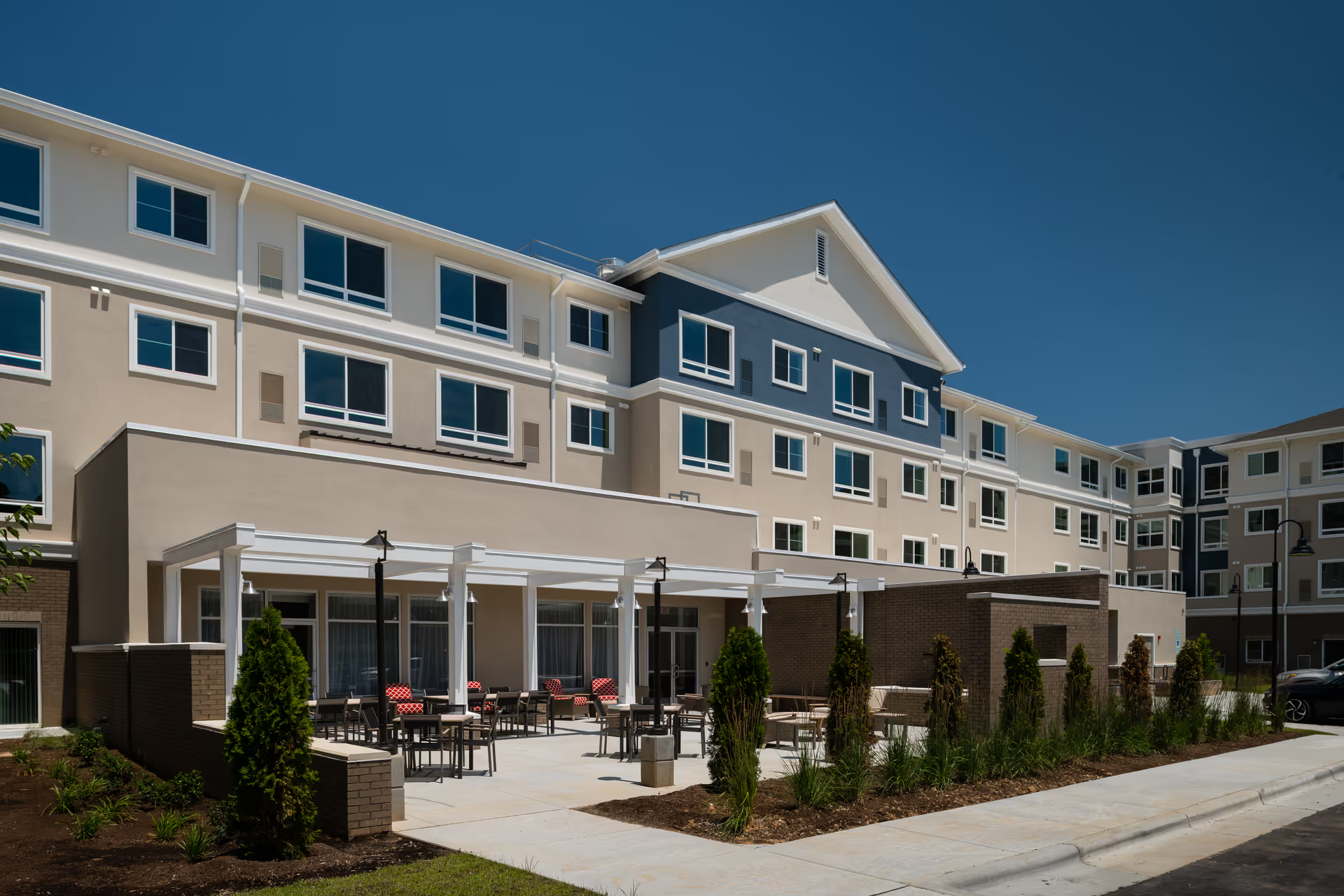
Notable patterns and potential trade-offs: the small, intimate model appears to deliver strong relational care and a sense of safety, but it has operational limits. A few comments imply that capacity is constrained by size, and there are occasional staffing shortfalls for personal, hands-on care tasks. One reviewer indicated a decline in their willingness to return after a move to a larger building, suggesting that care consistency may be more difficult to maintain when services are scaled up or when residents are transferred. Prospective families should weigh the benefits of the small, consistent-staff model against the potential for limited bed availability and occasional gaps in hands-on staffing.
In summary, Lynn's Home at Riverside projects as a highly personalized, clean, and dementia-focused care home with strong family communication and homelike amenities. It is particularly well suited to families prioritizing continuity of caregivers, small-group social dynamics, and home-style dining. Prospective residents and families should confirm current staffing patterns and bed availability and discuss contingency plans for transfers to larger settings if those circumstances are a possibility.