Overall impression: Reviews describe a facility with a mix of positive individual interactions and significant operational concerns. Families and visitors note that some staff members provide attentive, compassionate assistance and that a knowledgeable director of nursing and a new administrator have taken steps toward improvement. At the same time, recurring issues around cleanliness, care responsiveness, clinical follow-up, and building maintenance are prominent themes.
Care quality: Clinical concerns center on inconsistent assessment, delayed response to events, and gaps in wound- and infection-related management. Several accounts describe situations that required hospital transfer after deterioration, indicating variable clinical oversight and follow-through. Conversely, some residents retain mobility and appear to benefit from available therapy and activity opportunities; expectations for rehabilitative outcomes may not be consistently met for all residents.
Staff and communication: Staffing appears uneven. Reviewers describe both caring direct-care staff and frequent lapses in responsiveness to call bells and alarms. There are patterns of unclear leadership presence on shift and perceptions of staff being overextended. Communication tone and conduct are a recurring worry for families, who cite instances of unprofessional or brusque interactions as well as delays in phone and on-unit communication.
Dining and activities: Meal service is portrayed as inconsistent with menu postings and variable in quality and presentation. While menus sometimes appear promising, execution and appeal are uneven. Reports of residents maintaining activity and mobility suggest some programming or therapy availability, but rehabilitative goals and transparent therapy communication have been questioned by families.
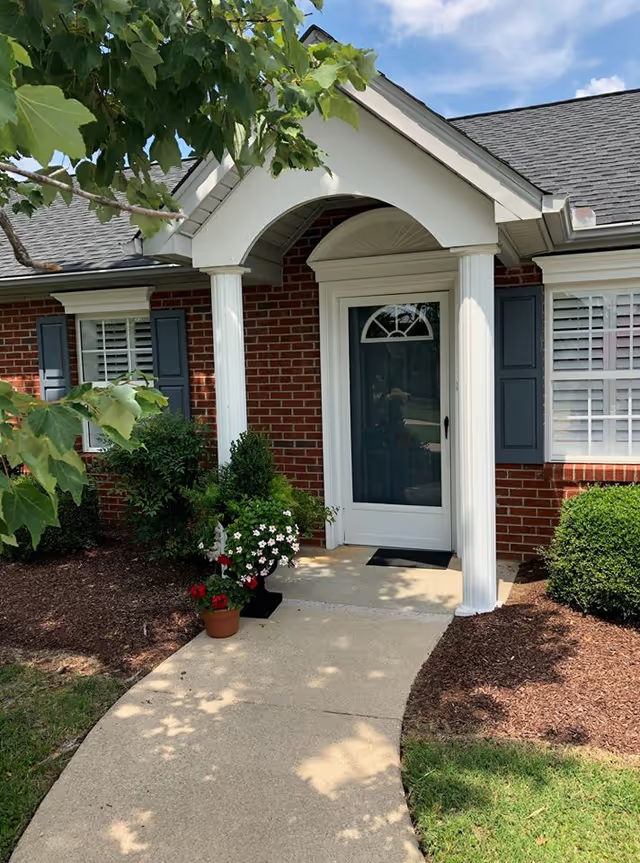
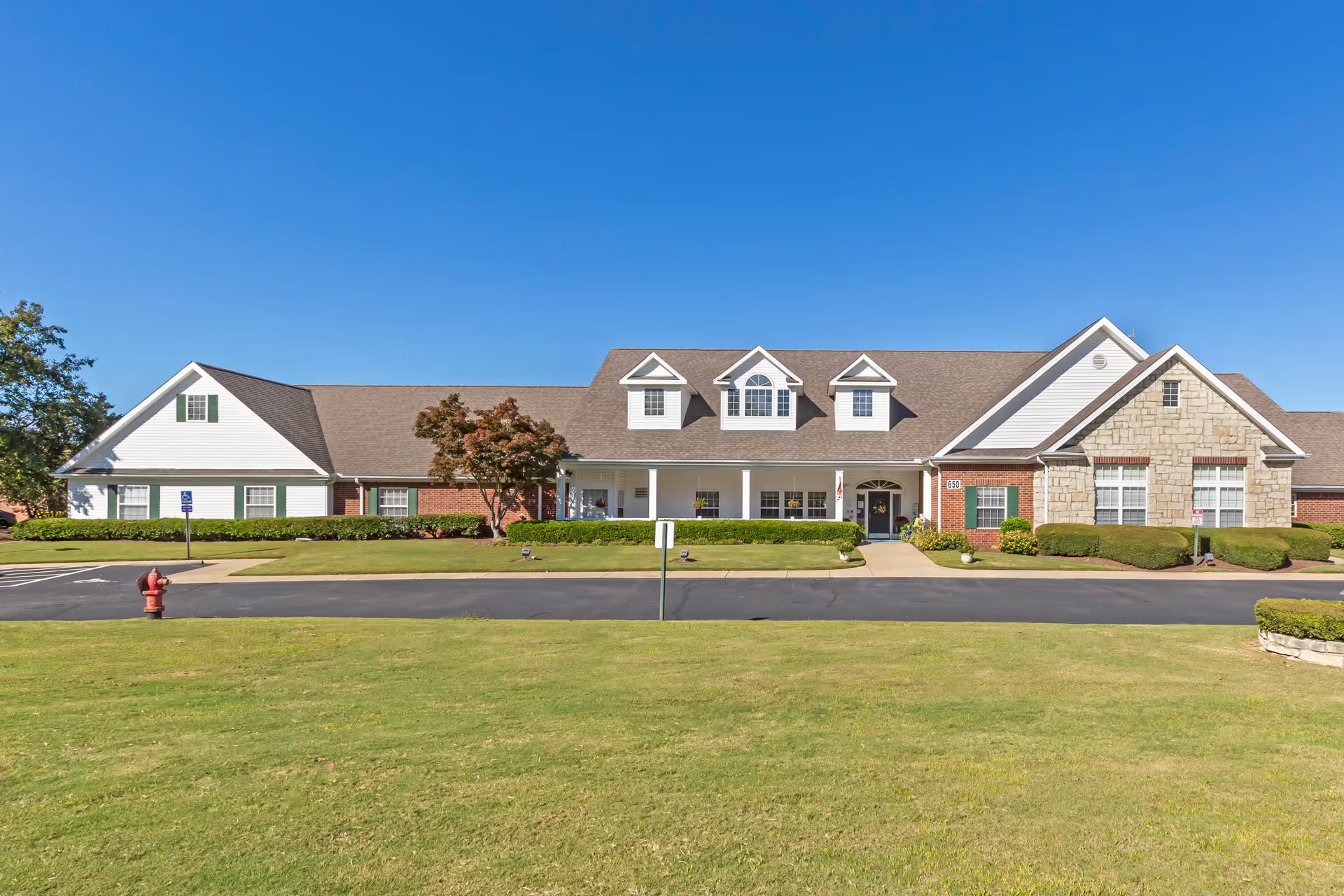
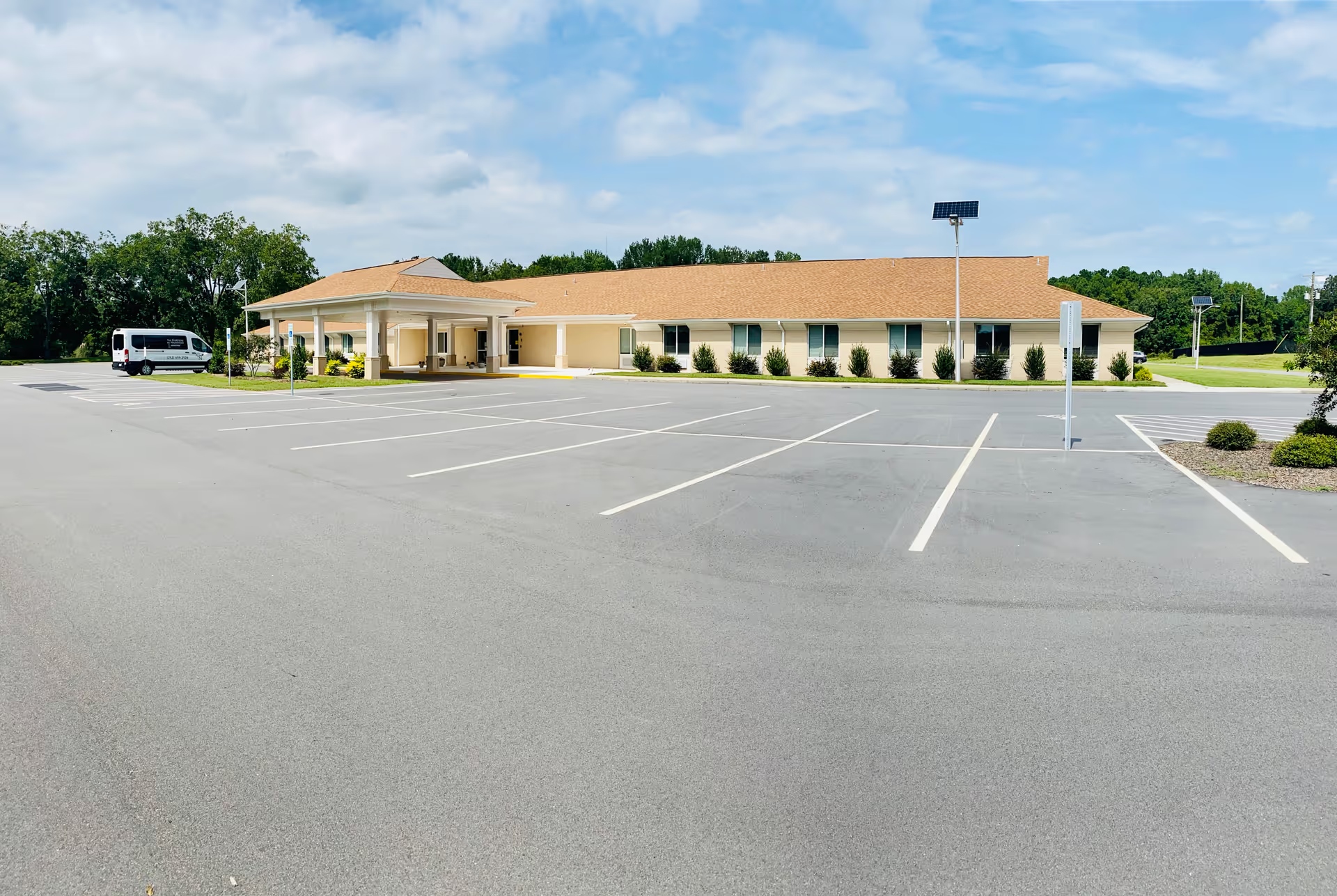
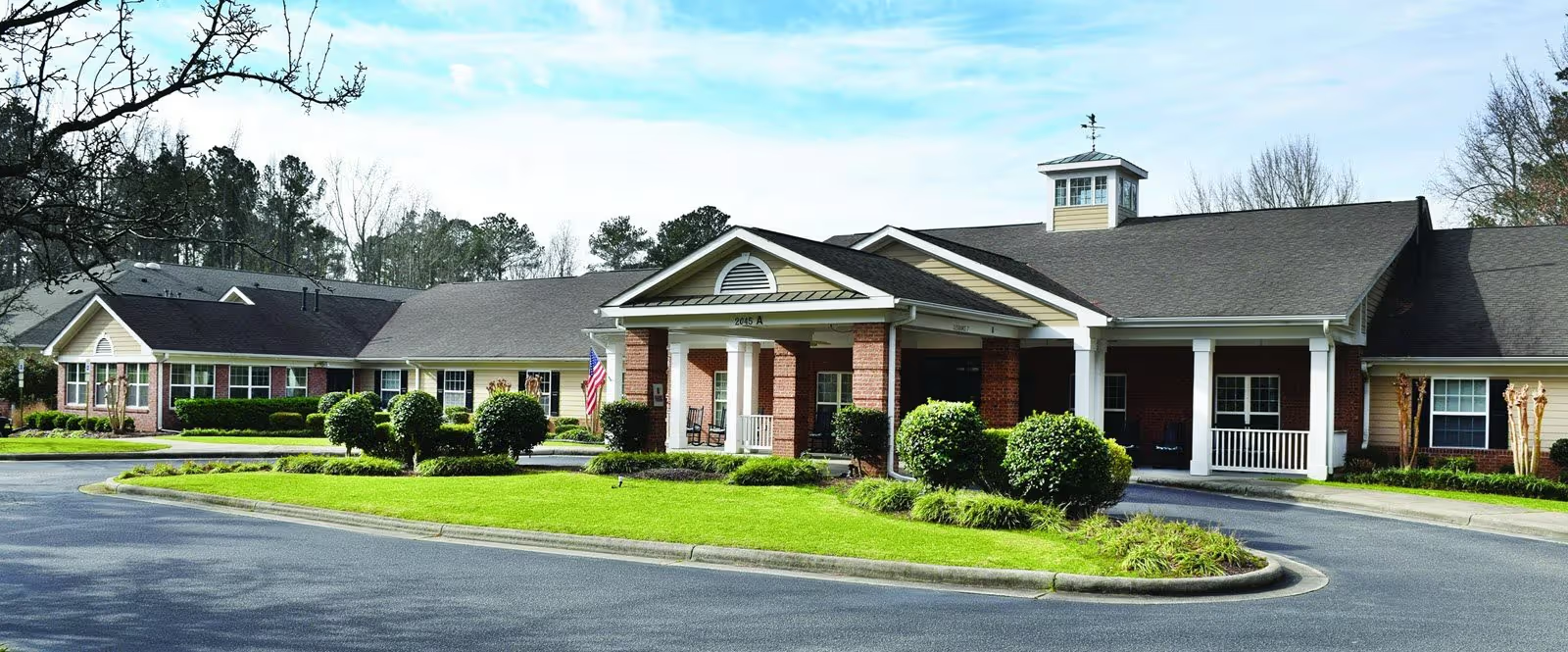
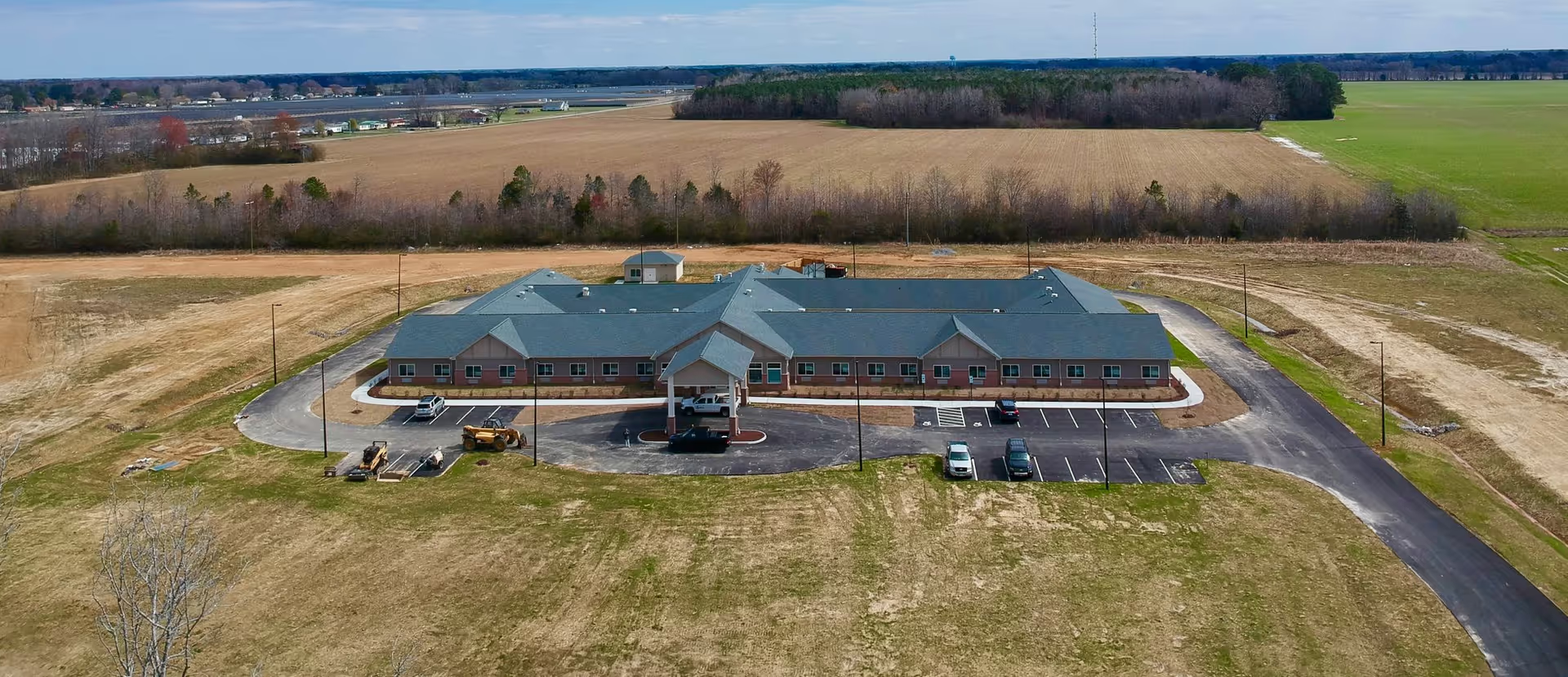
Facilities and environment: Physical plant issues are noted, including maintenance needs in rooms and on the grounds, faded parking markings, lack of a covered loading area, and evidence of sanitation and pest-control concerns in certain areas. At the same time, reviewers also describe parts of the building as comfortable and visitor-friendly, indicating uneven upkeep across the campus.
Management and notable patterns: The presence of a new administrator and comments about improvement efforts are positive indicators; however, several reviewers have pursued formal complaints and expressed a desire for clearer accountability and faster corrective action. Prospective residents and families should prioritize an in-person tour, ask for recent inspection or complaint resolutions, review staffing ratios and on-shift leadership coverage, inquire about infection-control and sanitation protocols, and confirm how meal service and therapy plans are documented and communicated.
Bottom line: Nash Rehabilitation & Nursing appears to offer moments of competent, compassionate care alongside systemic operational weaknesses. Decision-makers should weigh the facility's recent administrative changes and individual staff strengths against documented concerns about sanitation, responsiveness, clinical oversight, and maintenance, and should seek concrete evidence of sustained improvements before placement.