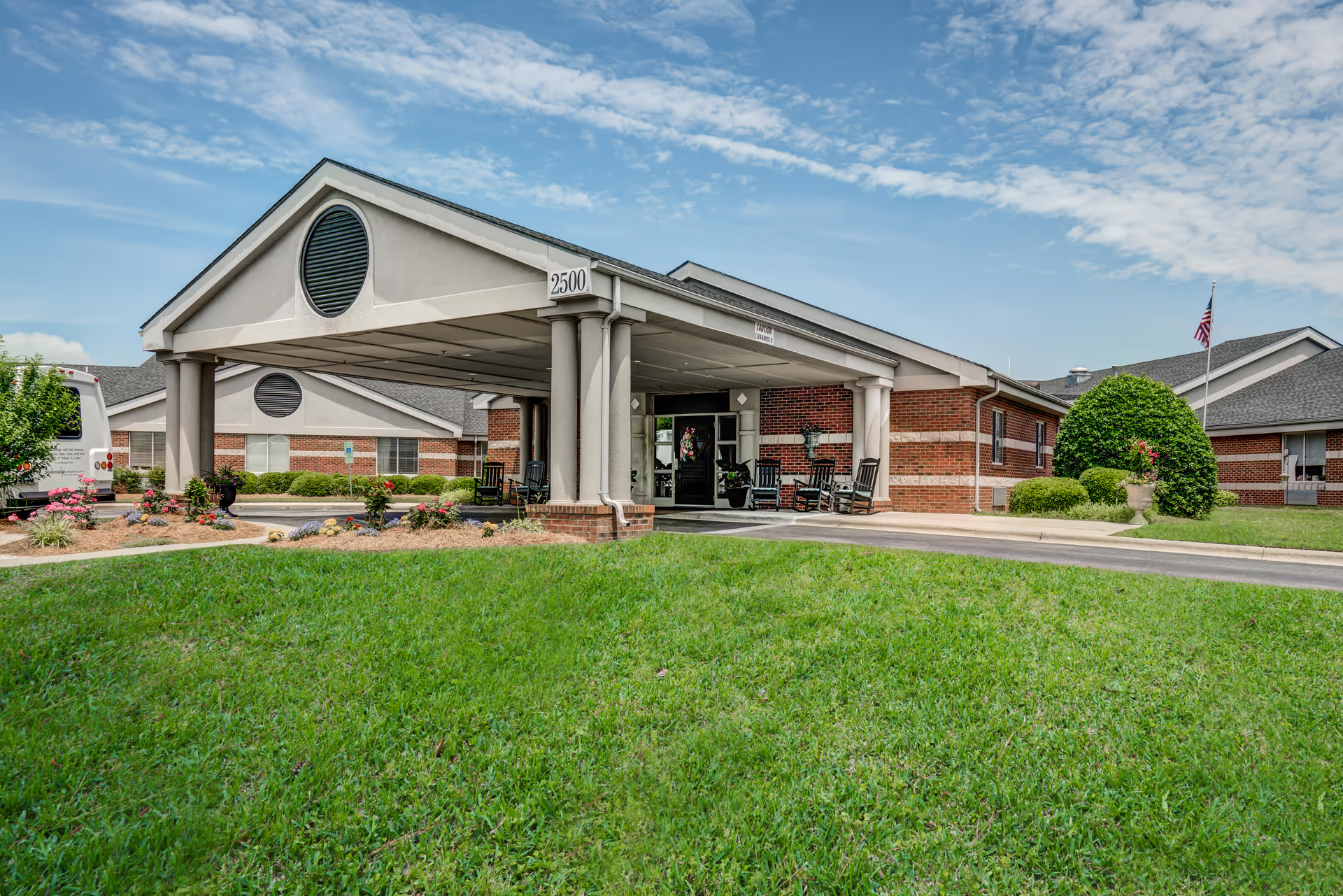
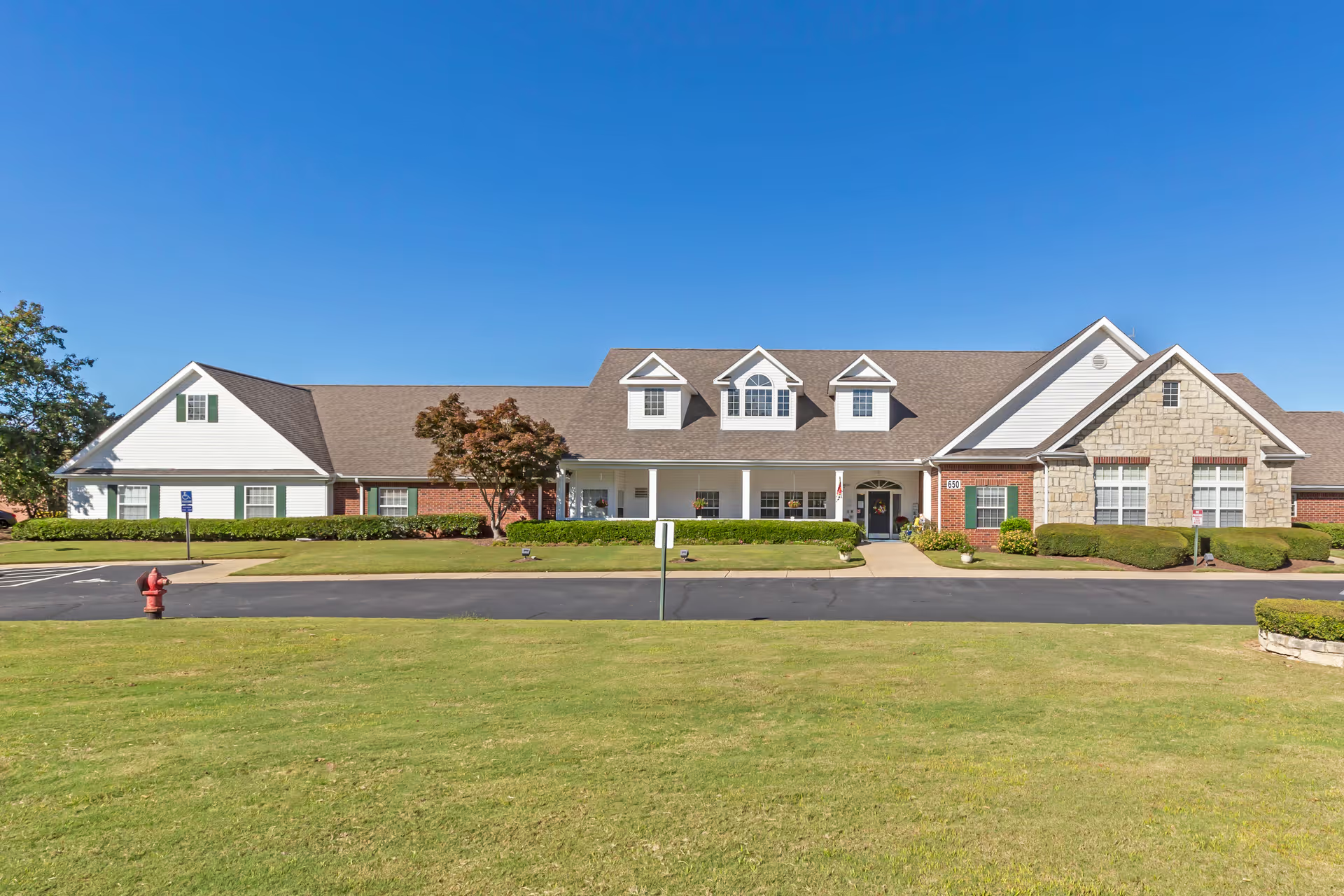
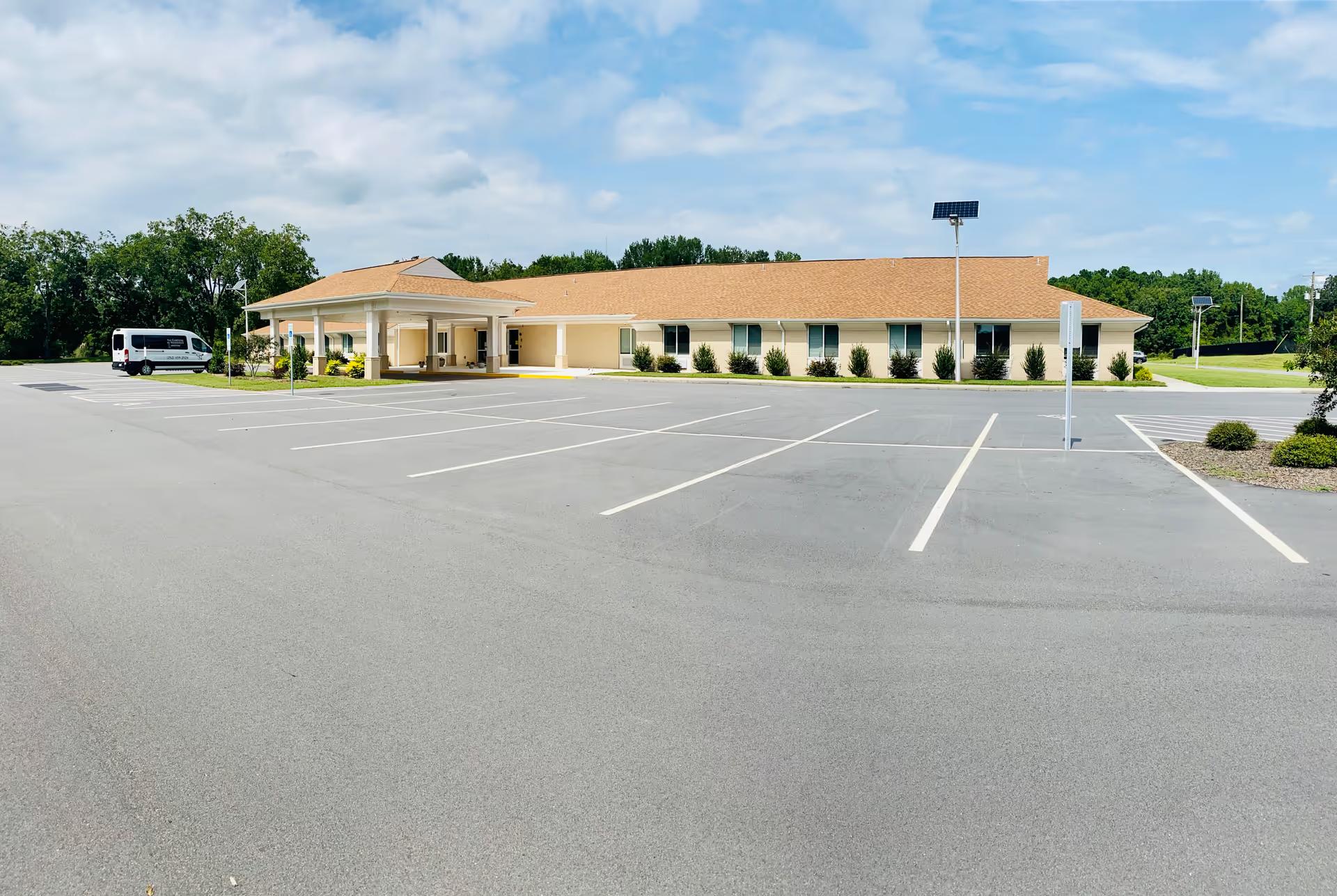
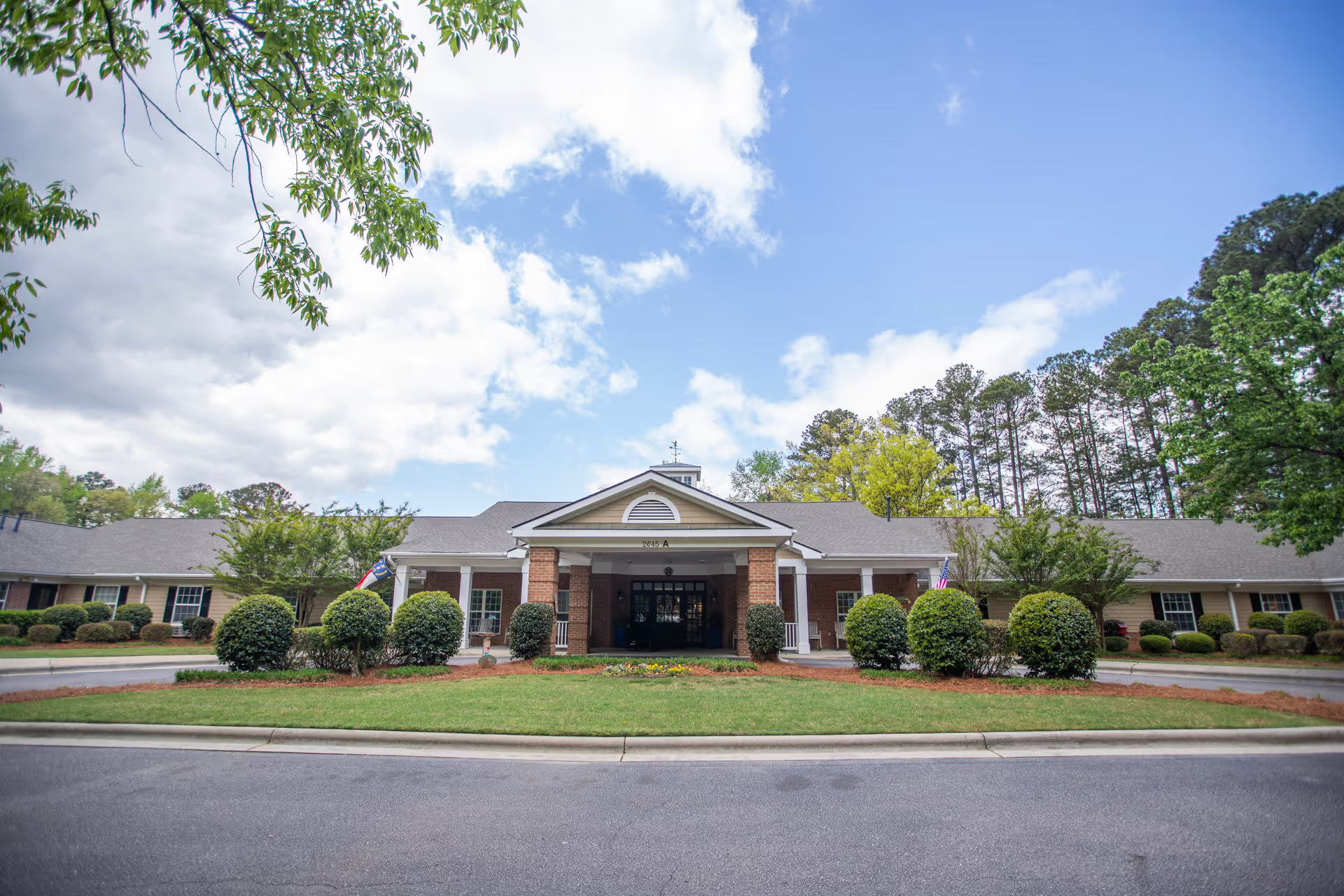
Reviewer feedback for Rocky Mount Rehabilitation Center is mixed, with a clear divide between families who experienced compassionate, effective day-to-day care and those who encountered systemic operational shortcomings. Positive comments consistently highlight caring nurses and CNAs, an attentive therapy team that supported recovery, helpful social workers, and an engaging activities program including a pleasant courtyard. Several families described respectful dementia care and successful short-term rehabilitation outcomes.
Care quality and clinical oversight are areas of concern for a subset of families. Reviews describe delays in medication delivery and questions about medication-management processes, including diabetes management and late-night medication timing. There is also frequent mention of limited on-site clinical leadership and reliance on remote/telemedicine decision-making, which some families felt contributed to care delays and more ER transfers than expected. Rehabilitation experiences were uneven: while some residents received effective therapy, others experienced limited therapy intensity or equipment restrictions that impeded progress.
Staffing and responsiveness patterns recur across reports. Many reviewers noted reduced coverage evenings and weekends, slow responses to call lights and door alarms, and instances where staff did not promptly attend to requests. At the same time, numerous comments praise individual nurses, CNAs, and therapists who went beyond expectations; the balance of positive and negative feedback suggests variability in staff performance and workload pressures rather than uniformly poor practice.
Dining, activities, and the lived environment show similar variability. Activity staff and outdoor spaces received favorable remarks, supporting quality of life for residents. Conversely, meal quality and food handling were described as inconsistent, including wrong plates or leftovers. Cleanliness and odor concerns were raised for some rooms and common areas, and reviewers described an aging physical plant that would benefit from upgrades and enhanced housekeeping attention.
Management, communication, and administrative practices drew persistent criticism. Families reported inconsistent communication, limited leadership presence outside weekday hours, and concerns about transparency around incidents and infection counts. Some reviews referenced billing and administrative irregularities serious enough to be characterized as allegations of being billed for services that were not delivered. Infection-control practices and PPE availability were also questioned in the context of visitor restrictions and a COVID outbreak.
Taken together, the pattern is one of mixed clinical and experiential quality: the facility has clear strengths in therapy, individual caregiver compassion, and activities, but also demonstrable operational weaknesses in staffing patterns, responsiveness, medication and clinical oversight, sanitation, and administrative transparency. Prospective residents and families should consider asking specific questions before placement — for example, about nightly and weekend staffing ratios, on-site clinical coverage, medication administration protocols (including diabetes management), fall-prevention practices, infection-control policies, and how the facility documents and communicates incidents and billing. Visiting during different times of day (weekday daytime, nights, and weekends) and speaking with social work or case management about individualized rehabilitation and personal-care plans can help assess whether the facility’s current operations meet a prospective resident’s needs.