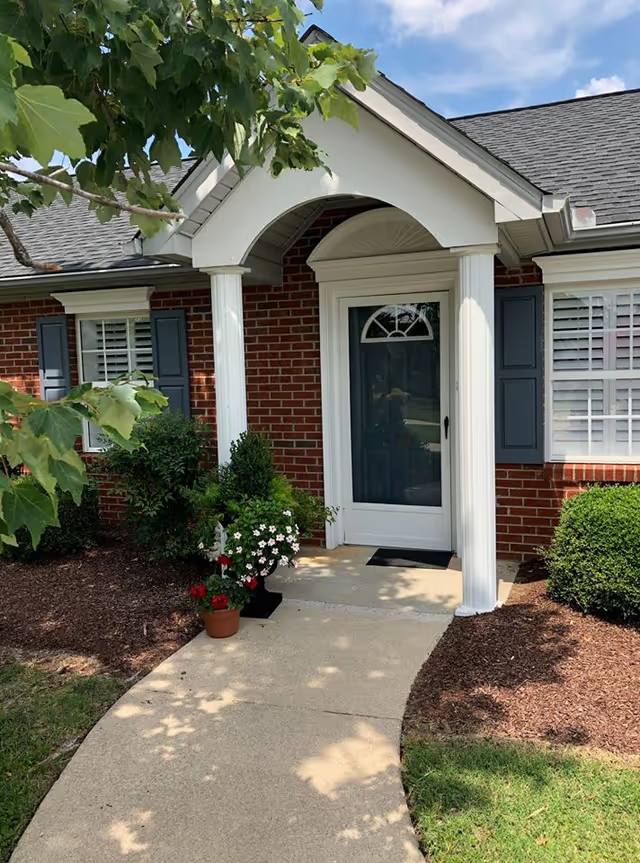
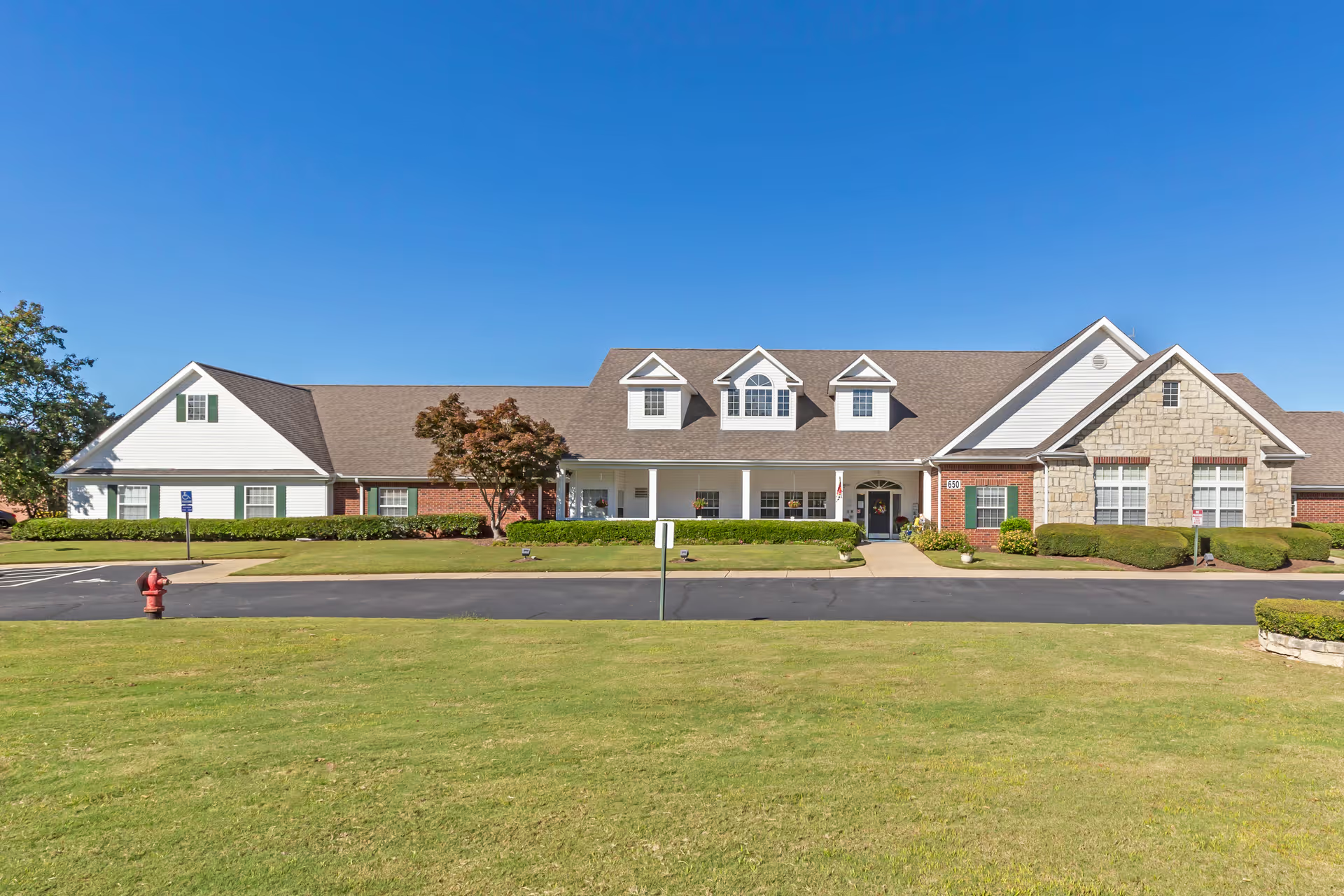
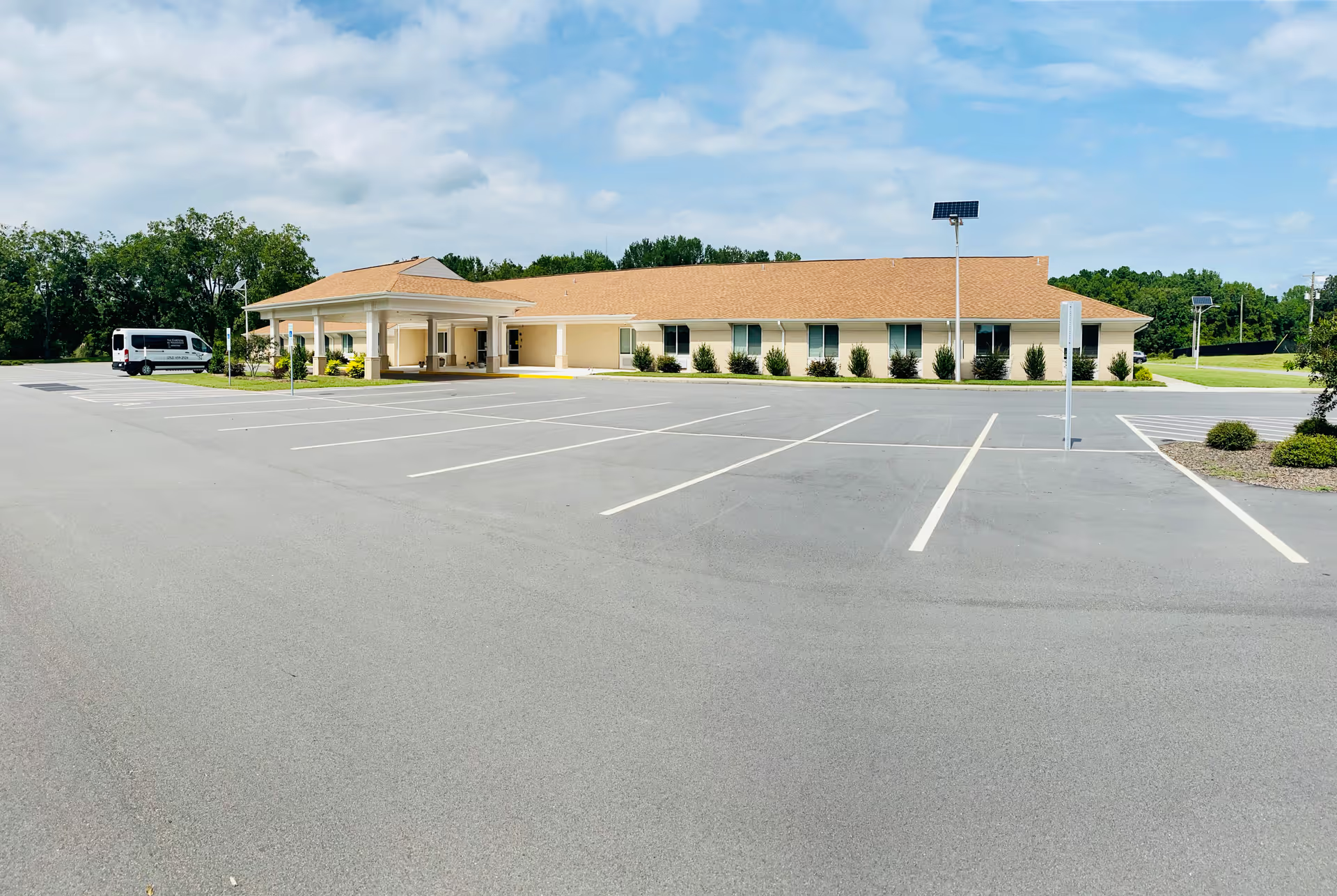
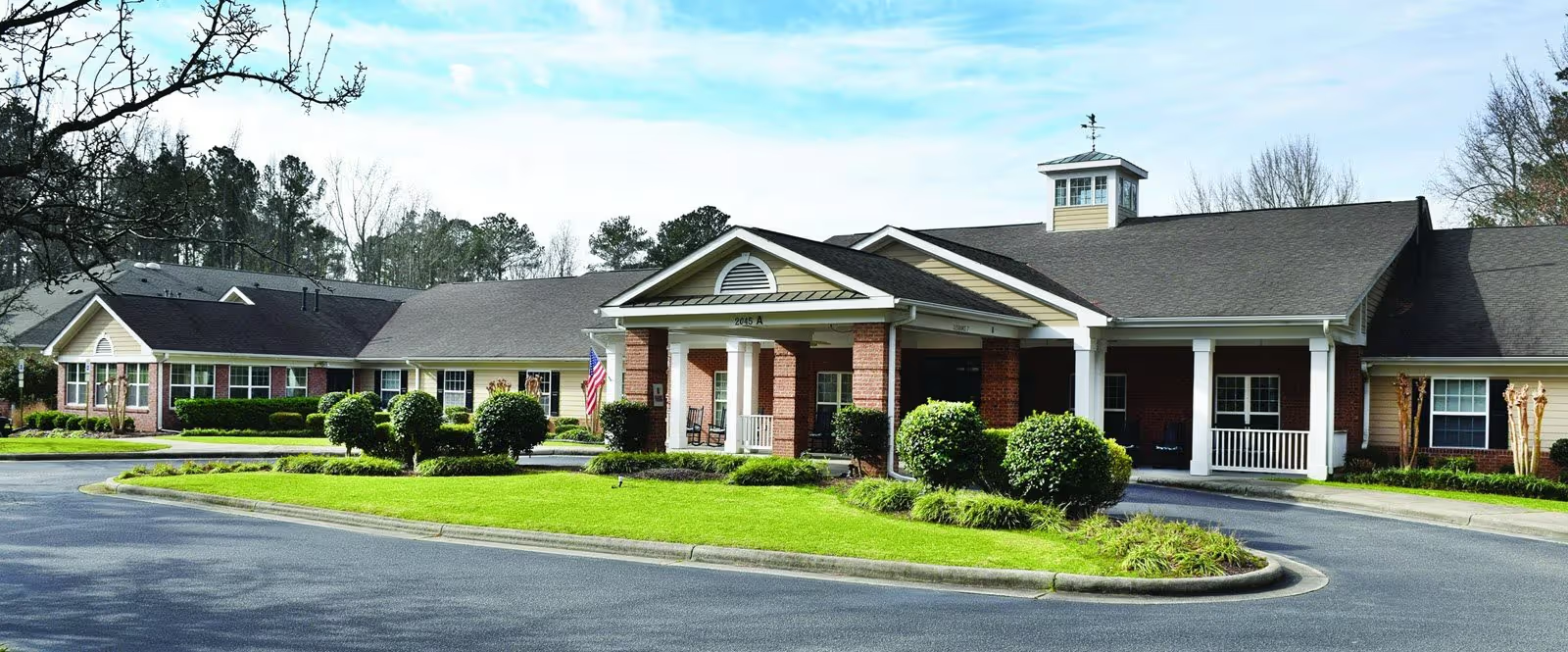
Reviews for The Lodge at Rocky Mount present a mixed picture: many families and residents praise specific employees and departments for compassionate, skilled care, while others raise significant operational concerns. The facility is frequently described as attractive and well maintained, with clean rooms, an appealing building, and a welcoming atmosphere. Multiple reviewers highlighted strong therapy and rehabilitation services, helpful dietary staff, a variety of social activities, and consistent written communications such as a daily newsletter. Several individual nurses and aides are singled out as exemplary for their professionalism, attentiveness, and willingness to coordinate with families.
At the same time, a pattern of inconsistent care quality emerges across reviews. Reviewers describe variability in clinical competency and responsiveness: some residents receive timely medication and attentive assistance, while others experienced delays in responding to alarms or assistance requests, incontinence-care delays, or missed medication. There are multiple references to infections and pressure-related skin issues, as well as instances where families felt clinical oversight and monitoring were inadequate. A subset of reviews described hospital transfers or care outcomes that prompted family concern and calls for investigation; these are serious individual claims that families should evaluate directly with medical records and facility leadership.
Staffing and management are prominent themes. Many reviewers attribute care inconsistencies to staffing shortages, reliance on agency personnel, and the presence of new or under-trained staff. At the same time, the facility employs a number of long-term employees who receive high praise. Administrative interactions drew criticism in several accounts: families reported unfriendly or unprofessional behavior from some administrative or social-work staff, last-minute room assignment errors, and concerns that operational priorities sometimes favor efficiency or revenue over individualized care. These issues suggest a need for stronger training, supervision, and clearer communication protocols.
Dining and activities are frequently noted as strengths. Dietary staff are described as going out of their way for residents, meals are enjoyed by many, and social programming—including parties and group activities—contributes to a positive atmosphere for several residents. The facility’s aesthetics and housekeeping were commonly described positively, though sanitation and incontinence-care concerns were raised in specific instances, indicating that cleanliness is generally good but may be inconsistent in practice.
For prospective residents and families: consider a focused tour and direct questions about current staffing ratios, use of agency staff, staff training programs, wound-prevention protocols, infection-control metrics, call-bell response expectations, medication administration checks, and discharge-planning processes. Meet members of the nursing and therapy teams, observe a mealtime or activity if possible, and ask for recent quality metrics or inspection results. Given the polarized feedback, it is advisable to request references from current residents’ families and to verify how the facility communicates with families about clinical changes.
Overall, The Lodge at Rocky Mount demonstrates clear operational strengths—particularly in therapy, hospitality, and in the performance of several highly regarded caregivers—but also shows recurring operational weaknesses around staffing consistency, clinical oversight, equipment reliability, and administrative communication. Those strengths and weaknesses appear unevenly distributed across individual experiences, so individualized assessment and ongoing family engagement are important when considering this facility.