Overall impression: Reviews describe a facility with sharply polarized experiences. Many families and residents praise the hands-on caregivers, therapy teams, activity staff and dining; others describe operational lapses that they say materially affected care. The pattern that emerges is one of pronounced variability in resident experience—some stays are characterized by attentive, professional care and good rehabilitative progress, while other stays are characterized by service and safety gaps.
Care quality and clinical concerns: Positive accounts emphasize compassionate CNAs, engaged nurses, effective therapy that improved mobility, and timely updating of care plans. Conversely, recurring operational concerns include delays in medication administration, missed or delayed clinical responses (including delayed transfers to higher levels of care), inconsistent wound and incontinence-care practices, and uneven post-fall monitoring. Several reviews describe end-of-life and post-event concerns; these raise questions about escalation protocols and family notification processes.
Staff and workplace culture: Many reviewers singled out individual caregivers, therapists, and activity directors as highly dedicated and warm; teamwork and a family-like atmosphere were also noted. At the same time, there are consistent complaints about high turnover among leadership and nursing staff, strained nurse–aide relationships, and a workplace culture that some reviewers felt undermined care continuity. Reliance on temporary staff was reported and is consistent with the staffing inconsistency noted above.
Dining and activities: Dining and food service receive frequent praise—meals, snacks, and personalized options were repeatedly described positively. Activity programming and engagement were another strong point for many residents, with activity staff receiving specific commendation for keeping residents involved and engaged.
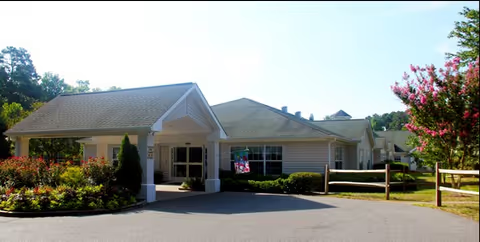
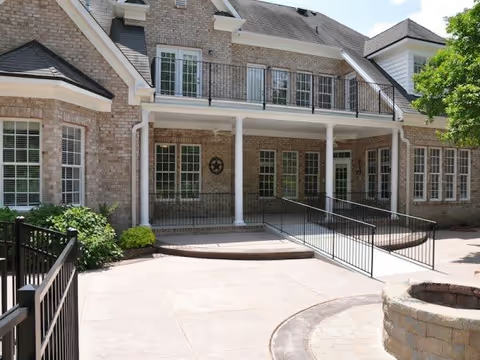
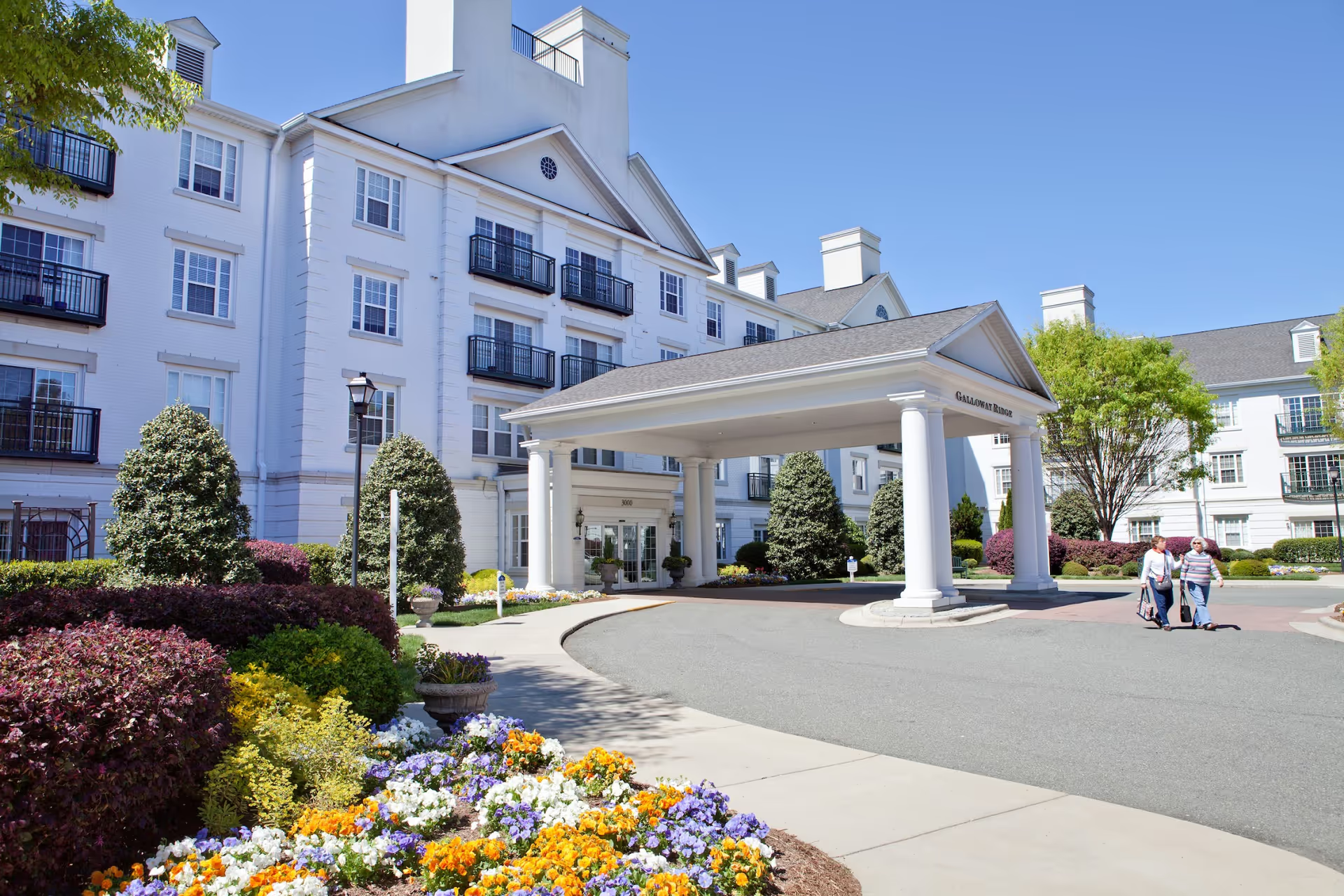
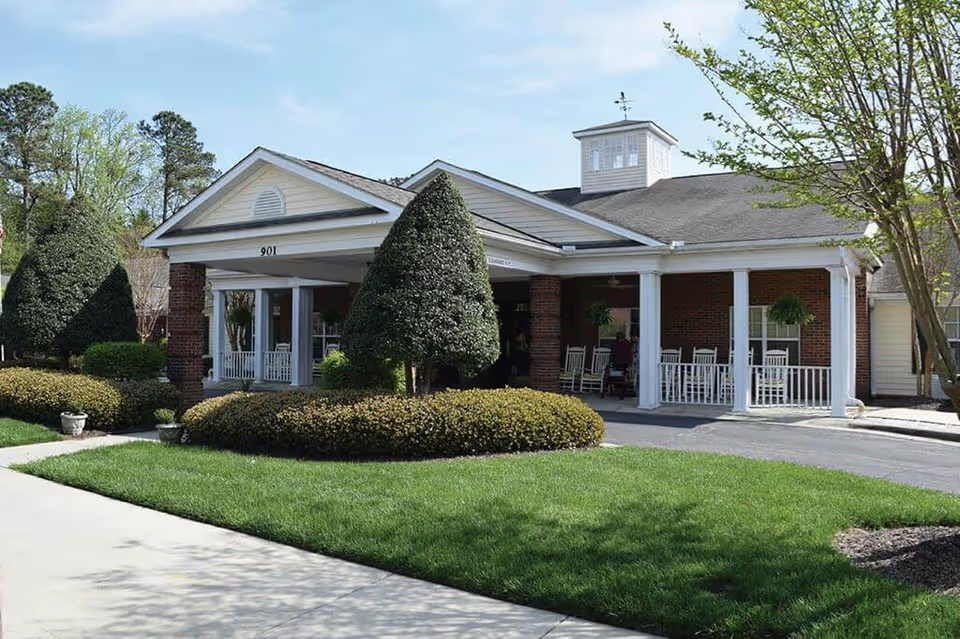
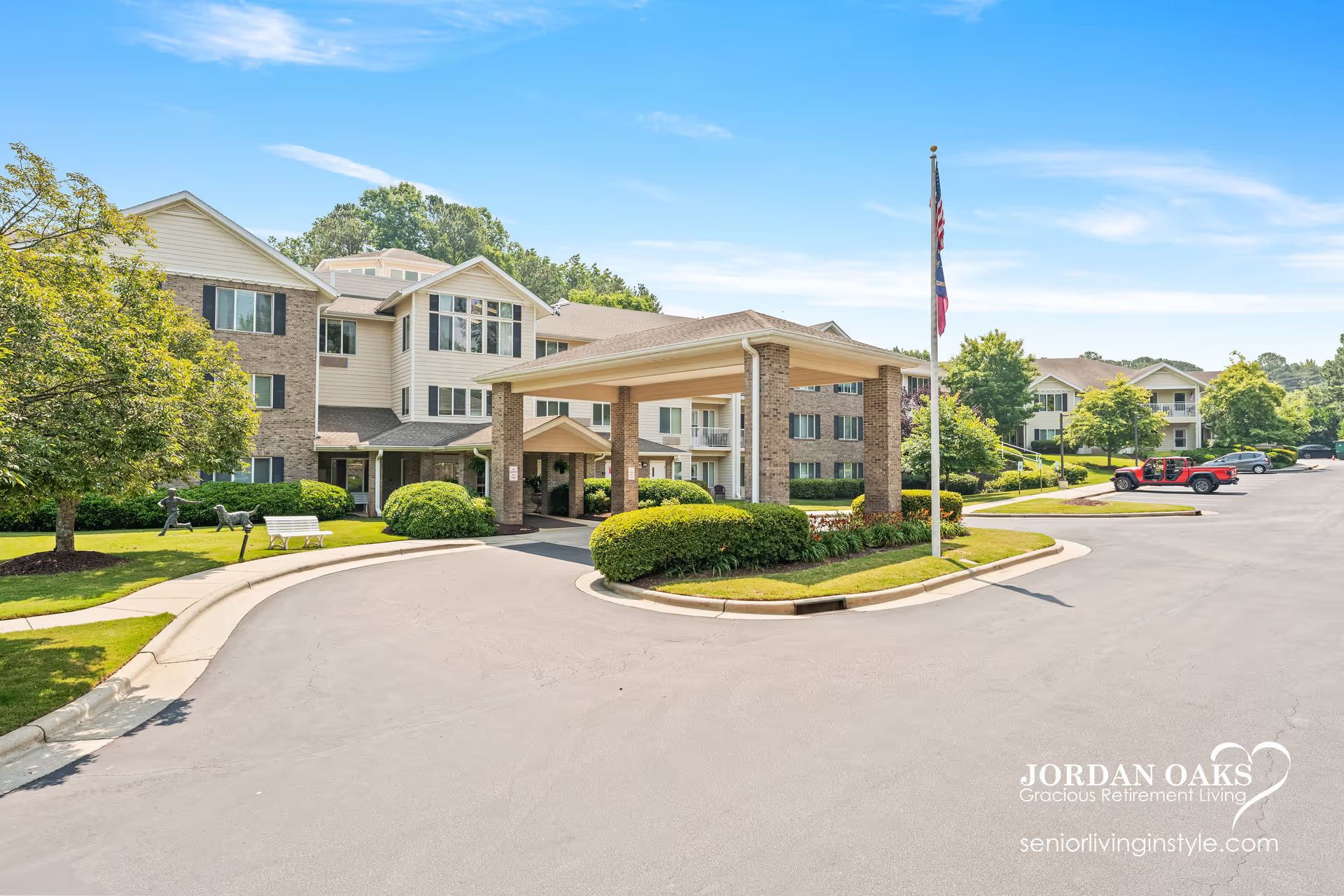
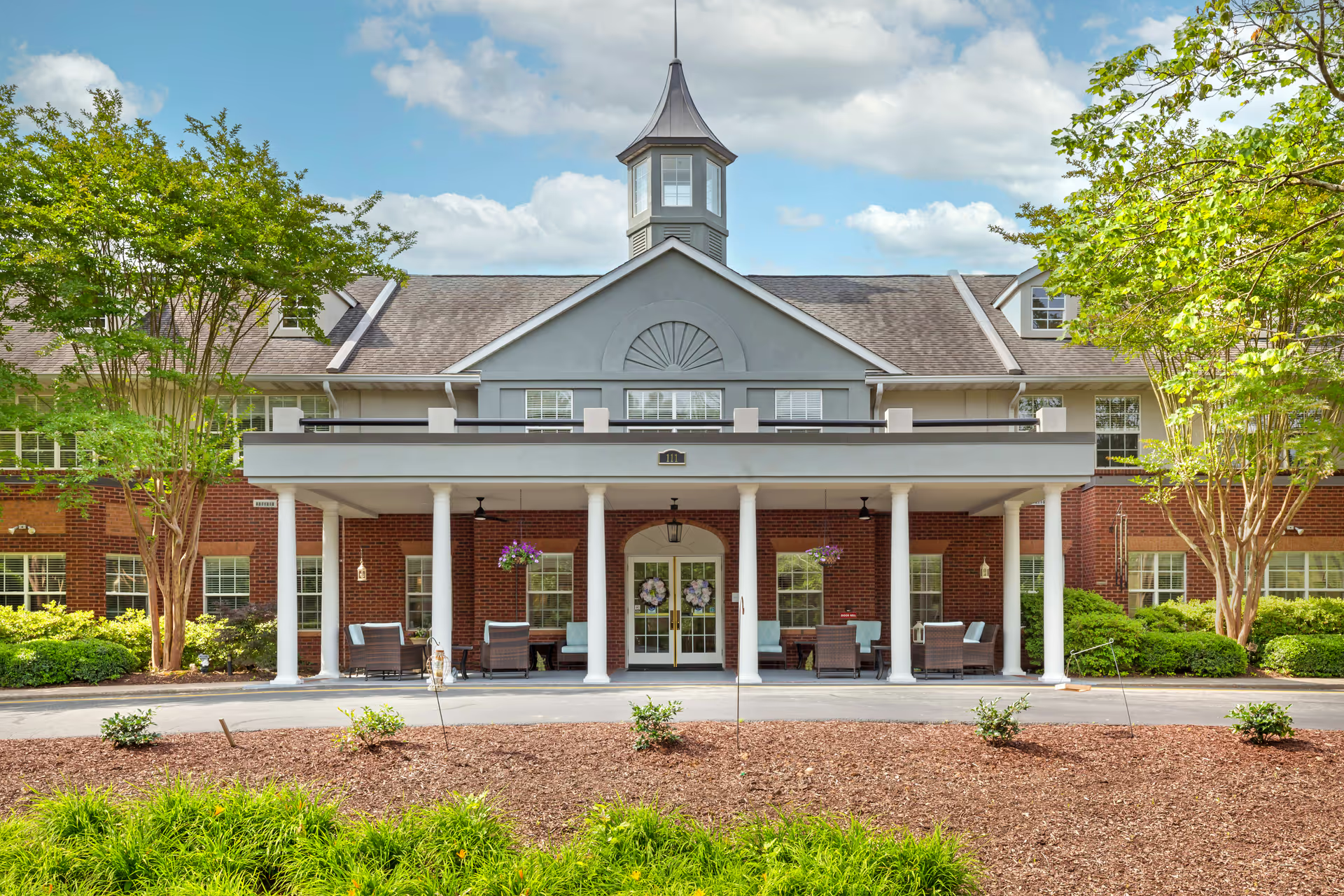
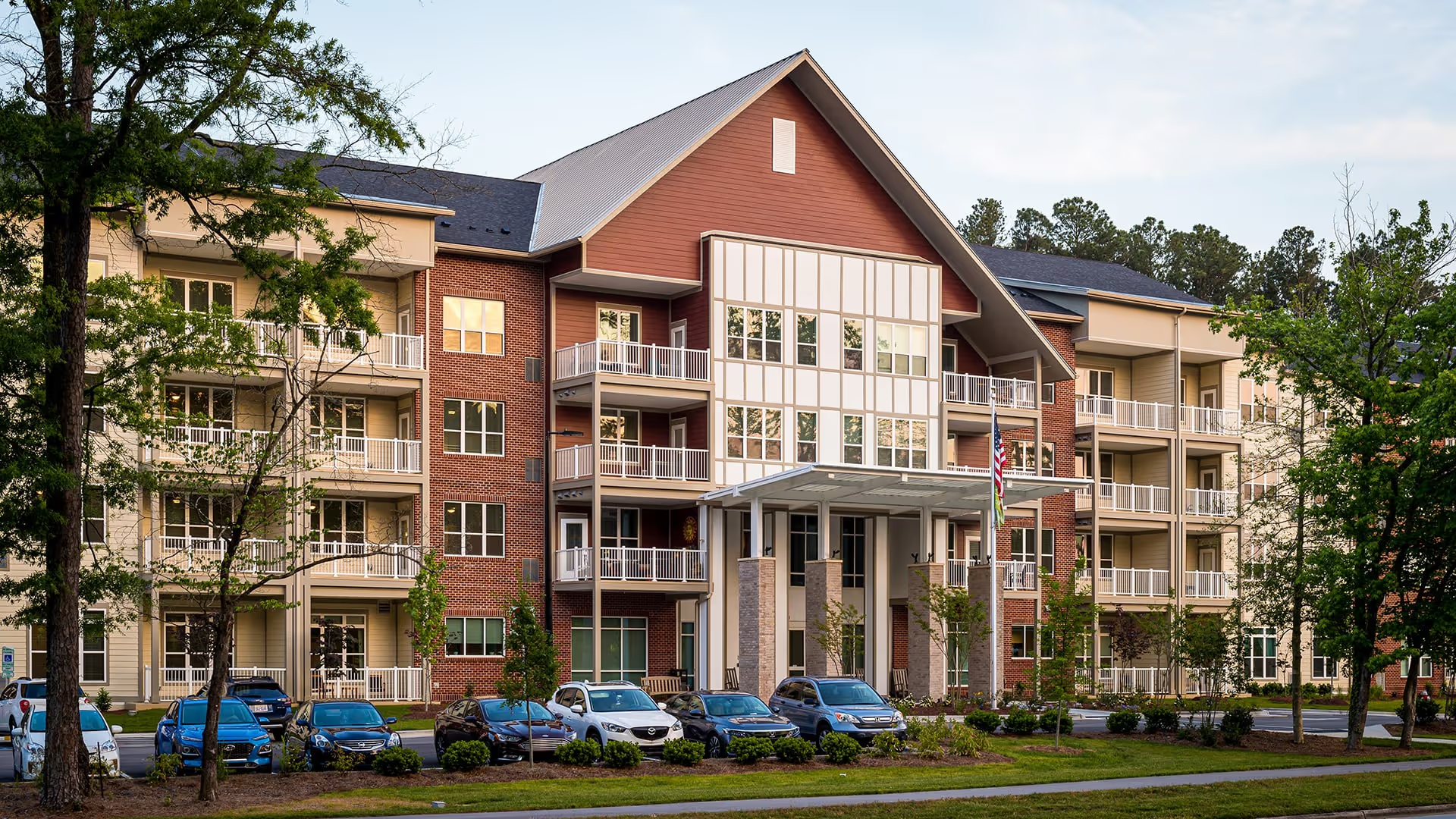
Facilities and cleanliness: Accounts of the physical environment are mixed. Several families described clean, well-maintained common areas and a pleasant atmosphere; others raised sanitation concerns, incontinence-care issues, and occasional odor concerns or dated rooms. Housekeeping and maintenance were praised in some reports, while other reports described lapses in cleanliness and room maintenance.
Management, administration and logistics: Reviewers reported uneven administrative performance. Positive notes include proactive new leadership and hands-on managers working to improve operations. Negative themes include appointment and scheduling confusion, locked-door/entrance access difficulties, receptionist unhelpfulness, billing and administrative errors (including billing after a resident’s death in at least one account), and failures to coordinate appointments or transfers in a timely manner.
Notable patterns and risk areas: The clearest patterns are variability and inconsistency—care quality, communication, and facility conditions appear to vary substantially depending on unit, shift, and who is on duty. Staffing instability and leadership turnover are likely drivers of this variability. There are also serious specific allegations—including theft and mishandling of personal property—that families should treat as red flags warranting direct inquiry. Finally, while many attest to strong rehabilitation outcomes, therapy experience can be uneven across stays.
Guidance for prospective families: Ask targeted questions before placement and during tours: current staffing ratios and use of agency/temporary staff, leadership continuity on the unit, protocols for medication administration and escalation, family-notification processes after clinical changes, housekeeping schedules, and secure storage of residents’ valuables. Request recent inspection and staffing records if available, meet therapy and nursing staff who will work on the unit, and consider a short trial stay or frequent family check-ins during the initial period to confirm the facility’s practices align with expectations.