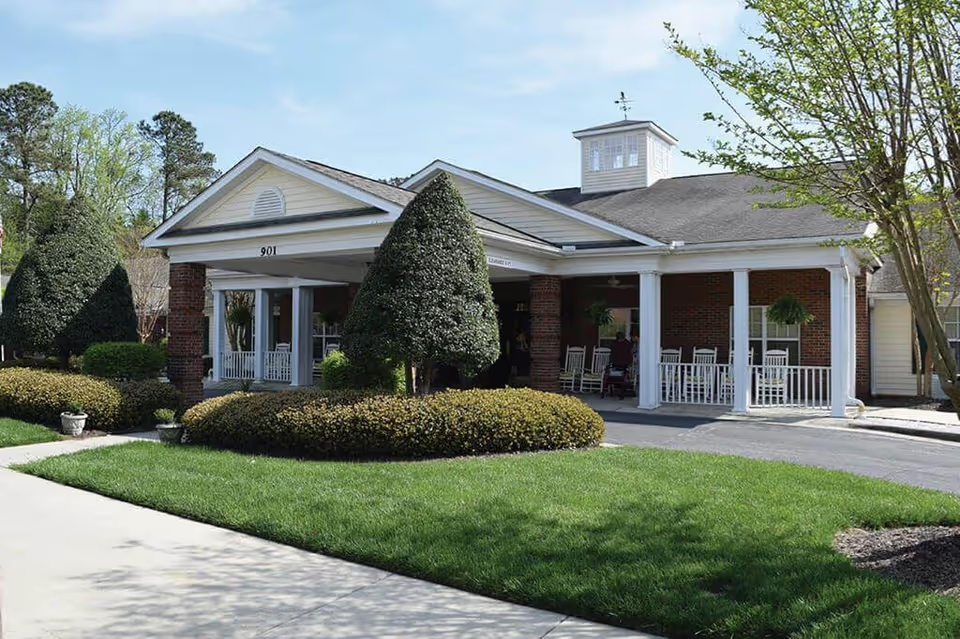
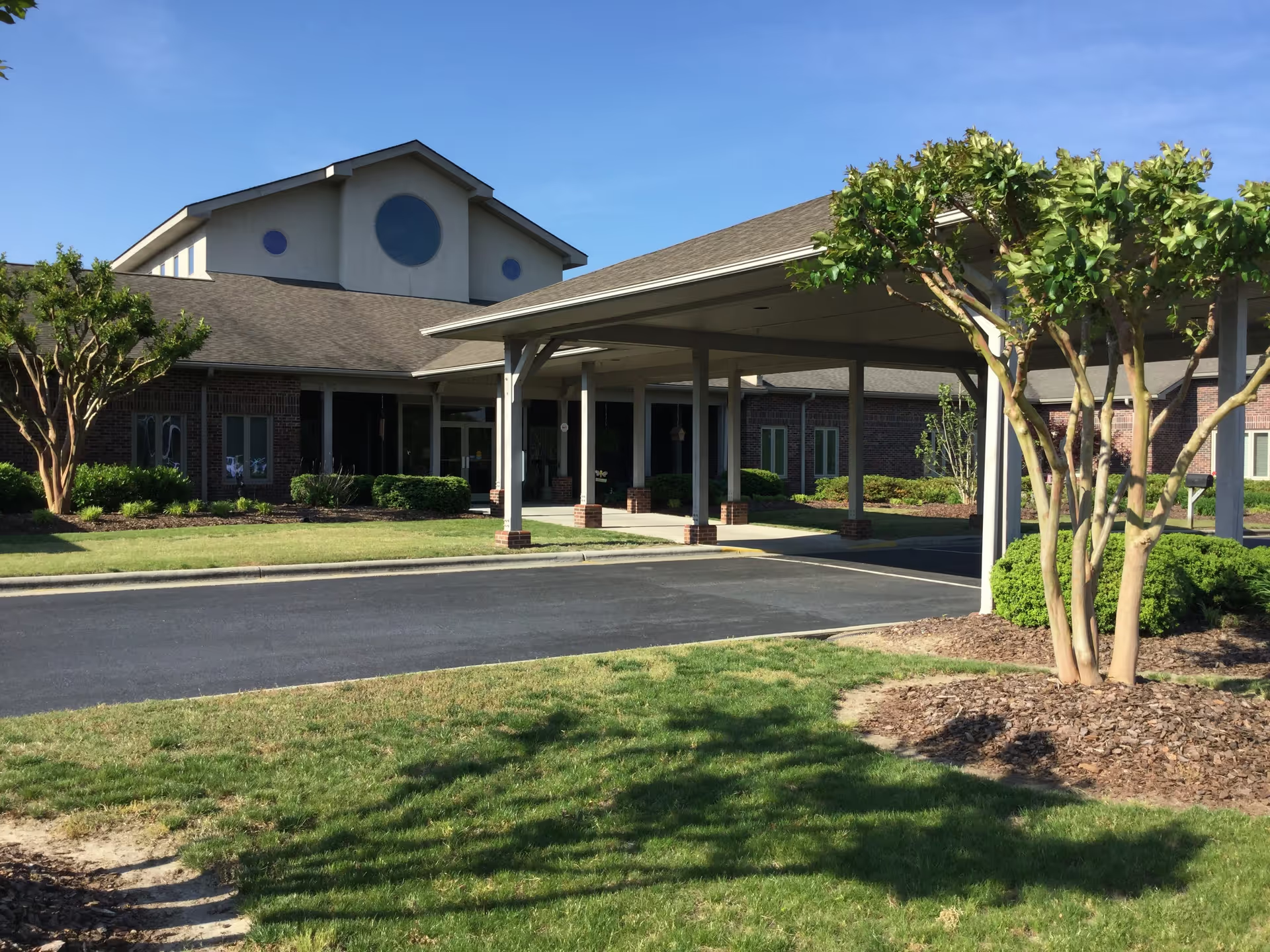
Reviewer feedback for Westfield Rehabilitation & Health Center presents a mix of consistently positive elements and recurring operational concerns. Strengths center on rehabilitation services, nursing skill, and facility presentation. Many accounts describe effective, outcome-focused physical and occupational therapy in a well-equipped gym, with staff who encourage independence and rapid functional gains. The facility is frequently described as clean and well-maintained, with private single rooms, adequate space, functioning air conditioning, and on-site respiratory supports (oxygen and CPAP) that support medically complex patients.
Staffing and day-to-day care elicit divergent impressions. A substantial number of families praised compassionate, skilled nurses, CNAs, therapists, and proactive administrative personnel who coordinate follow-up and accommodate visitor needs. Safe-transfer protocols and attentive mobility assistance were highlighted positively. However, concerns about inconsistent staff conduct, variable responsiveness to call signals, and delays in toileting assistance appear repeatedly. Several accounts describe problematic medication timing, delayed vital-sign checks, and unclear insulin/medication practices; these point to gaps in medication administration and clinical monitoring rather than isolated events.
Dining and nutrition are mixed. Reviewers note both acceptable meals and instances of poor food quality or limited menu variety. There is a clear pattern of limited diabetic-friendly options and some dissatisfaction with meal preparation and portioning, which may reflect budgetary or operational constraints in the kitchen.
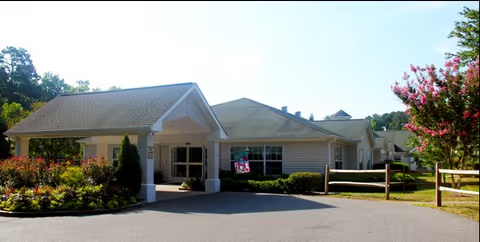
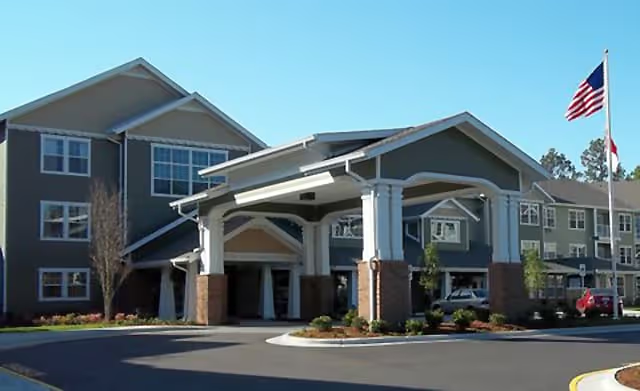
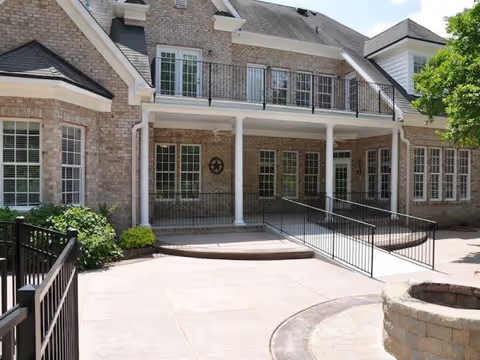
Facility amenities and environment are generally praised — many describe an immaculate, hotel-like appearance and effective infection-control protocols such as quarantine measures. Still, reviewers also identified practical shortcomings: inconsistent room temperature control, outdated in-room entertainment (TV) equipment, and perceptions of infection-control risk or exposure to strong cleaning chemicals. Availability of long-term beds and placement timing is another recurring operational limitation; families noted waiting lists or delays transitioning to long-term care.
Management and communication show both strengths and weaknesses. Several families commended administrative staff for responsiveness, compassionate coordination, and follow-through. Conversely, others reported broken promises, poor discharge planning, and unresponsive family communication. Staffing instability and turnover were noted as contributing factors to variability in care quality; in some cases personnel shortages correlated with slower responses and coordination problems.
Overall, Westfield appears to provide strong rehabilitation services in a clean, well-appointed environment with many compassionate and skilled staff. Prospective residents and families should weigh those strengths against documented operational weaknesses: inconsistent meal and diabetic care options, medication- and monitoring-related process gaps, variability in responsiveness to basic needs, and periodic staffing instability. Asking targeted questions about medication administration protocols, call response times, diabetic meal planning, and long-term bed availability during a tour or intake conversation would help clarify whether the facility’s strengths align with a prospective resident’s priorities.