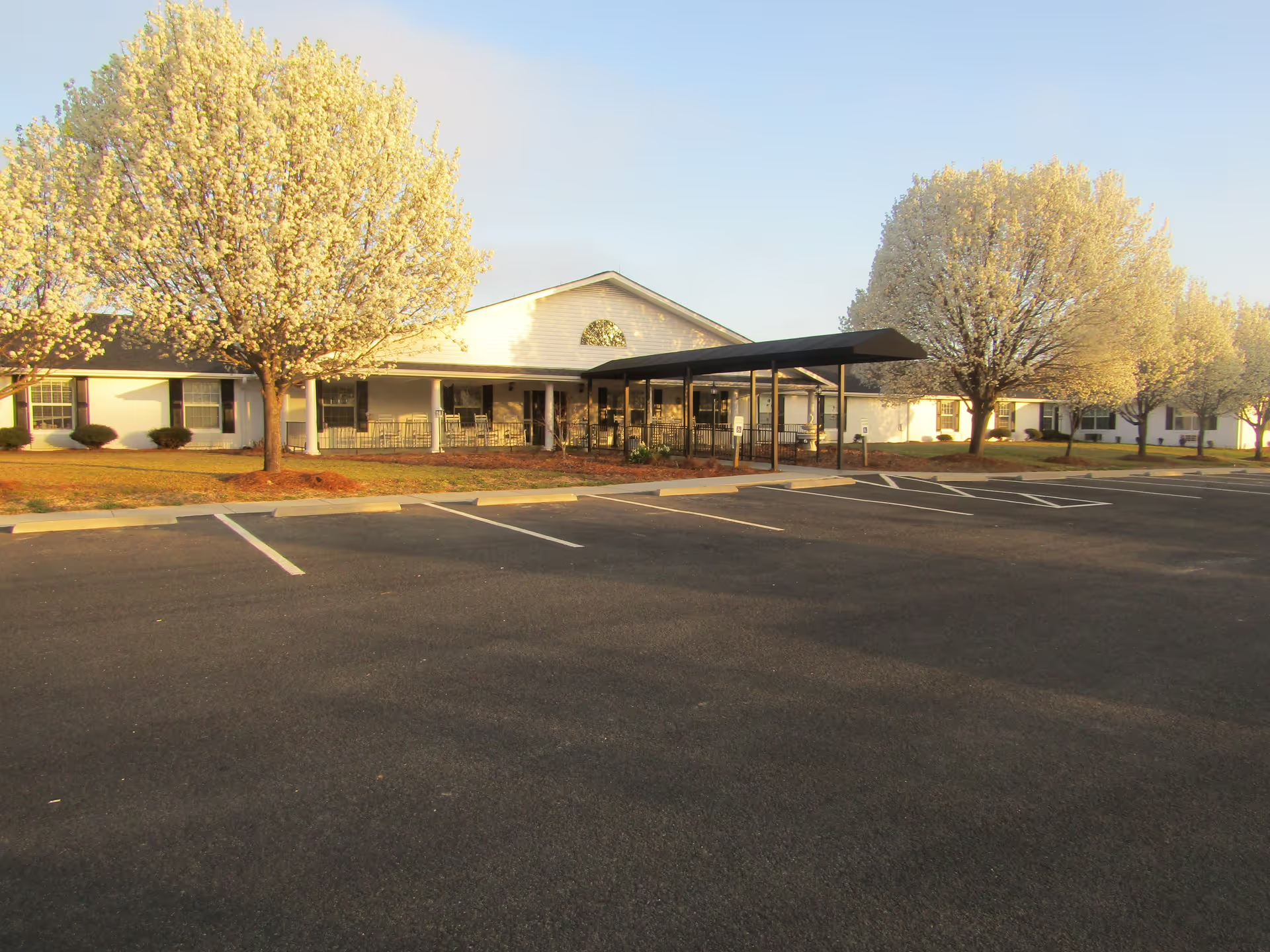
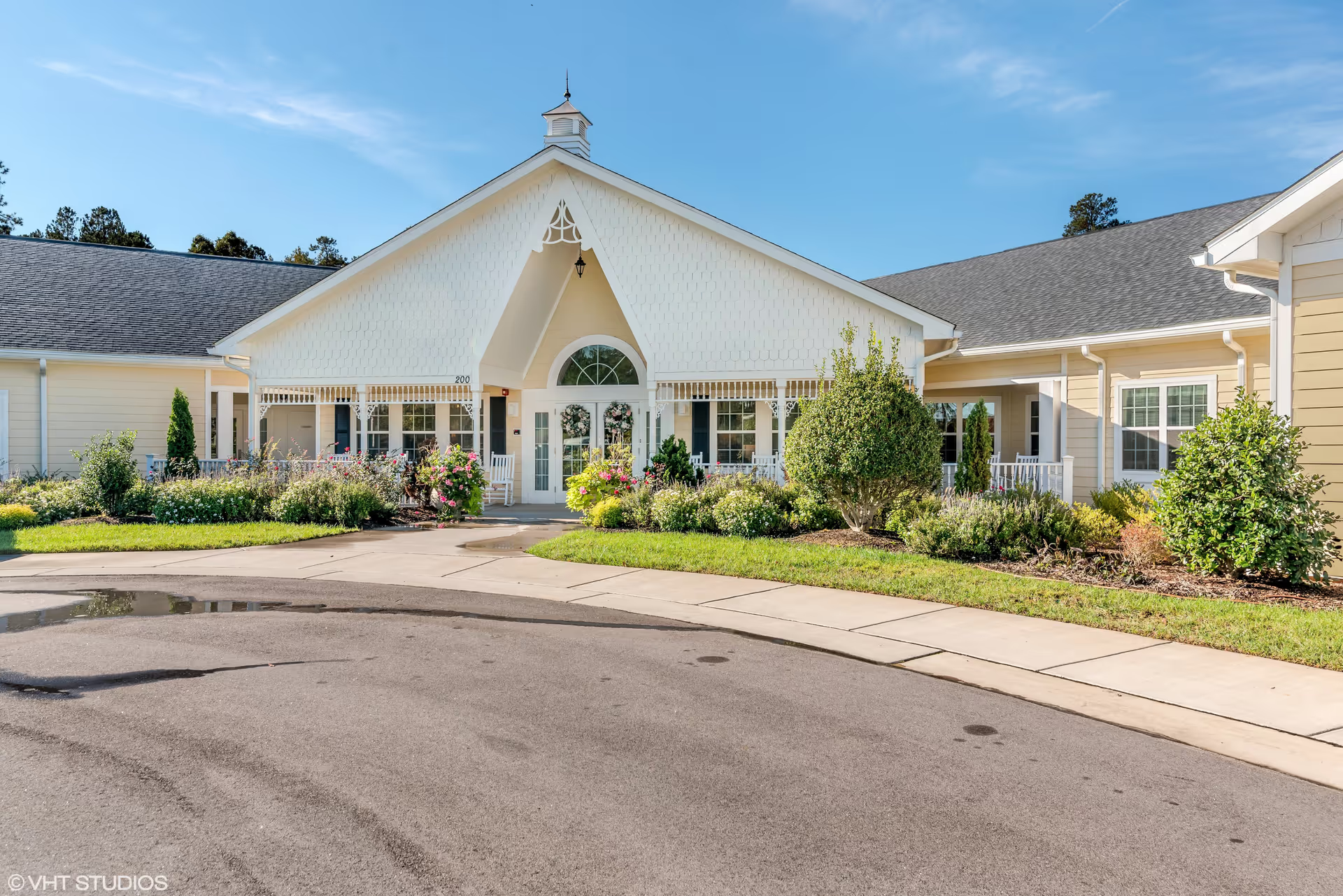
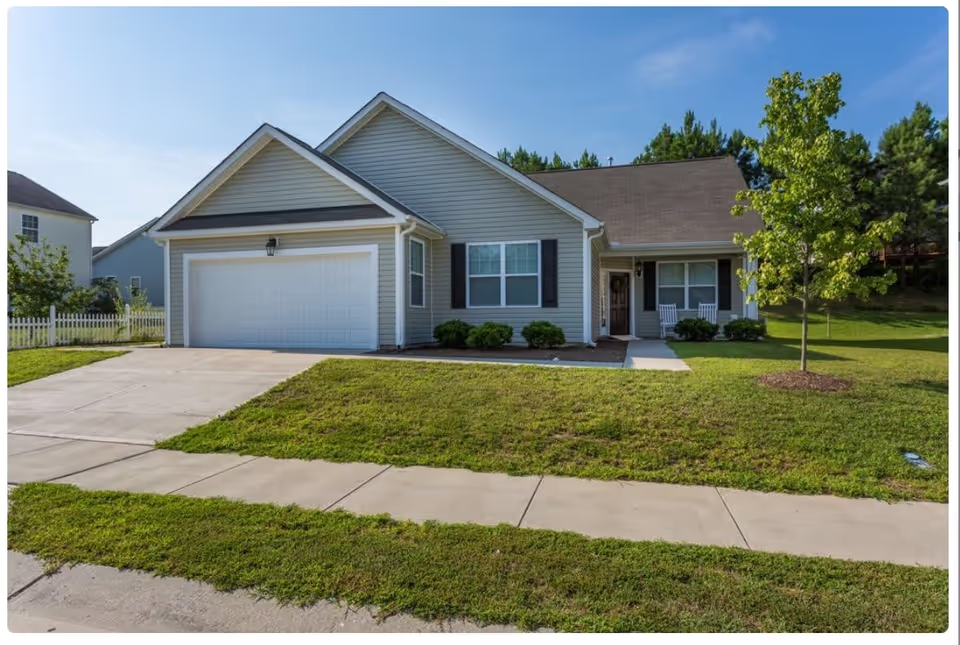
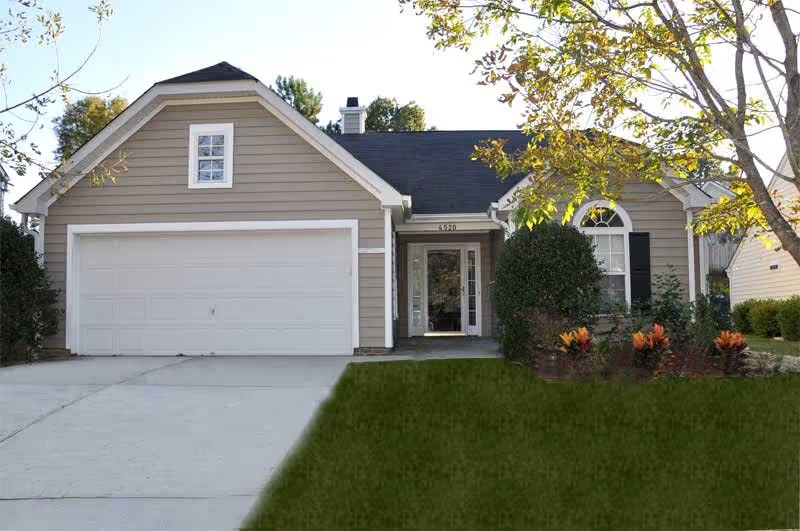
Brookdale Smithfield presents a mixed but informative profile for prospective residents and families. Many accounts emphasize a clean, home‑like environment with welcoming common areas (library, atrium garden, fireplace) and private room options. The community’s scale and décor are frequently described as comfortable and personalized. On‑site clinical and therapy services (nursing, physician/psychiatry visits, physical therapy) and a staffed chef with nutrition support are notable strengths that support residents’ daily needs.
Care quality and staffing are areas of clear contrast. Numerous families praised daytime caregiving staff as attentive, personable, and long‑tenured; these staff members are commonly credited with building strong relationships and delivering compassionate assistance. At the same time, there are consistent operational concerns about staffing levels and coverage, especially outside core daytime hours. Those staffing constraints are linked to delays in responding to call bells, missed or irregular bathing and personal‑care routines, and variability in how quickly caregivers attend to residents’ needs. Reviewers also described variability in individual staff conduct and compassion, indicating that experience and bedside manner can differ substantially by shift or by caregiver.
Dining and nutrition receive both praise and critique. The presence of a dedicated chef and three‑meal service is repeatedly highlighted; many residents enjoy the food and the restaurant‑style dining. However, families also described inconsistent food quality, repetitive menus, and occasions when therapeutic or restricted diets were not implemented as expected. Billing practices related to special diets and add‑on services were cited as confusing or slow to correct, which has generated frustration among families.
Activity programming is a real asset for independent and assisted residents: music, crafts, exercise, movie showings, and community events are often praised and contribute to a lively social atmosphere. Memory‑care programming, however, appears less consistent; reviewers note gaps in activities and the absence or limited presence of an engaged activity director in that unit. Overall, social offerings are a strength when staffing and leadership for programming are present.
Facility condition and operations show a mix of well‑kept areas and episodic issues. Housekeeping, laundry, and maintenance are often described as thorough and responsive, yet there are recurring mentions of supply management problems (bathroom supplies), occasional sanitation and odor concerns, and the limitations of an older building with smaller apartments in places. The campus is generally described as safe and secure, with locked memory‑care areas and outdoor spaces that support resident engagement.
Management and communication are uneven themes. Several families appreciated proactive administrators and effective problem resolution; others experienced opaque admissions interactions, billing disputes, and slow or unsatisfactory follow‑up after clinical incidents. Notably, there are reports of clinical‑incident response gaps, including delayed family notification and incomplete follow‑up on safety events, and at least one allegation of a serious incident after move‑out that heightened family concern about incident investigation. End‑of‑life coordination and hospice/DNR processes were also described as inconsistent by some families.
In sum, Brookdale Smithfield offers many features that families value: compassionate daytime caregivers, meaningful activities for many residents, a staffed chef and pleasant dining spaces, and a home‑like campus. Prospective residents who require more intensive or round‑the‑clock clinical support, have complex therapeutic‑diet needs, or place a high priority on consistent memory‑care programming should probe staffing patterns, incident‑response protocols, and billing transparency during tours and contract review. Asking specific questions about night/weekend staffing levels, call‑bell response times, therapeutic‑diet enforcement, activity leadership in the memory unit, and written incident‑notification procedures will help families evaluate fit and mitigate the variability described across experiences.