Overall impression Countryside presents as a small-to-midsize, country‑setting senior living community with many strengths in hospitality, activities and family communication. Reviewers consistently describe warm, caring staff, an active resident culture, and a range of onsite amenities that support quality of life. At the same time, a number of operational limitations and isolated conduct concerns emerged that families should consider when evaluating the community.
Care and staff Staff quality is a clear strength: reviewers frequently cite compassionate, responsive caregivers, strong admissions leadership, and attentive support during end‑of‑life situations. Several reviewers named individual staff who coordinated admissions and provided timely family updates, and many families noted peace of mind from proactive daily communication. However, there are recurring concerns about inconsistent clinical responsiveness — examples include missed or delayed medication follow‑through and the need to prompt staff for routine personal-care tasks. In addition, some comments point to variable staff tone and conduct; there are a few serious, isolated allegations regarding staff behavior and employee treatment that warrant careful follow‑up during a tour and reference checks.
Dining and dietary accommodations Dining is generally described positively: meals are described as tasty, reasonably priced, and there are takeout options and one notable menu item frequently praised. At the same time, the community structure limits meal coverage in certain housing types (independent cottages receive reduced meal service, often one meal per day), which may be important for residents seeking full‑board services. Reviewers also mentioned occasional lapses in dietary accommodation — for example, menu items served despite stated restrictions — suggesting families should confirm the facility’s processes for special diets and food‑allergy management.
Activities and amenities Countryside offers a broad, well‑attended activities program that includes water aerobics, exercise classes, games (bingo, Wii bowling, bridge), book club, religious services, monthly socials, gardening and scheduled outings. An onsite pool, beauty shop, therapy/x‑ray services and scheduled transportation are frequently highlighted. These amenities support an active lifestyle and contribute to the community’s “homey” feel.
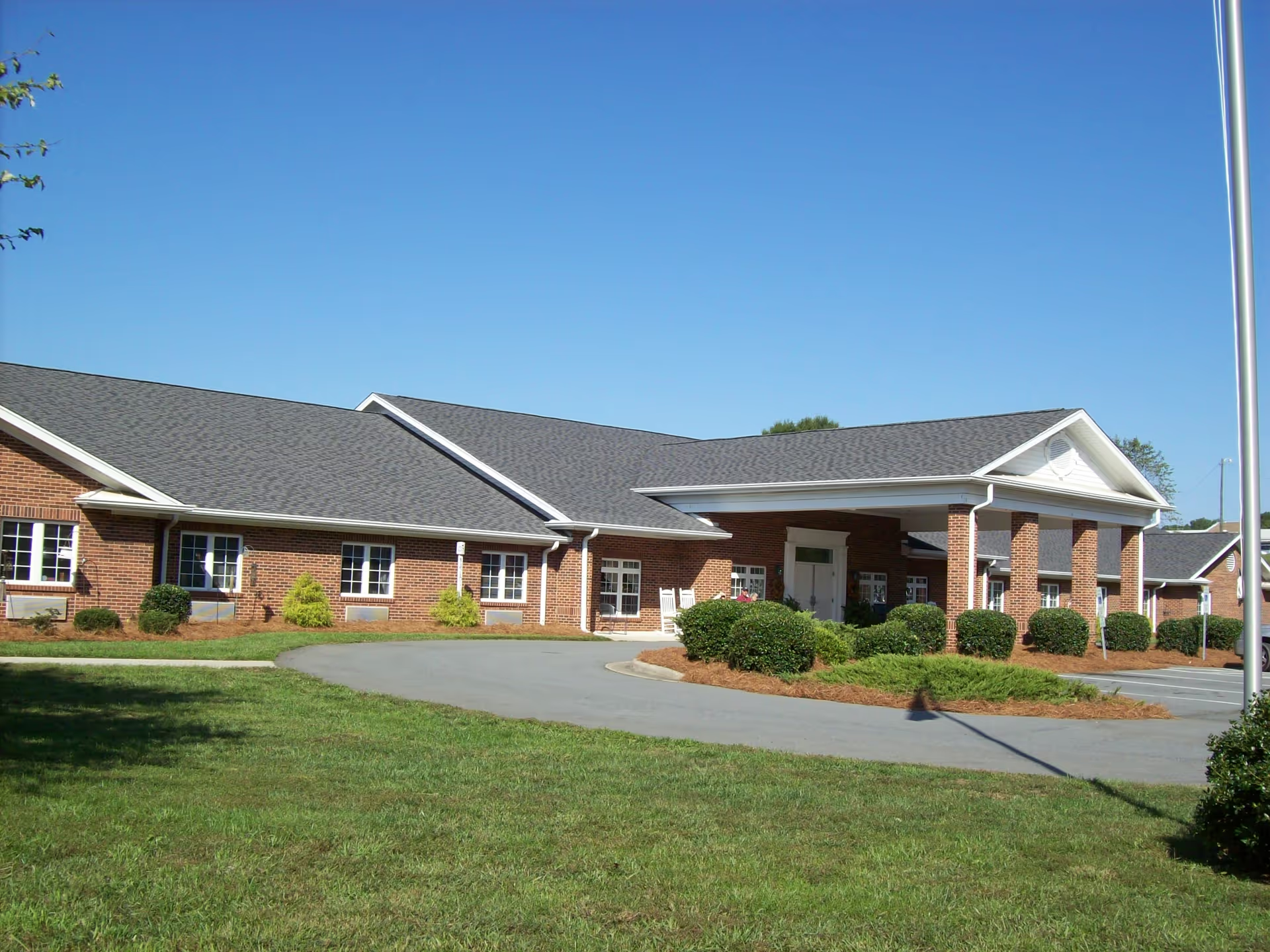
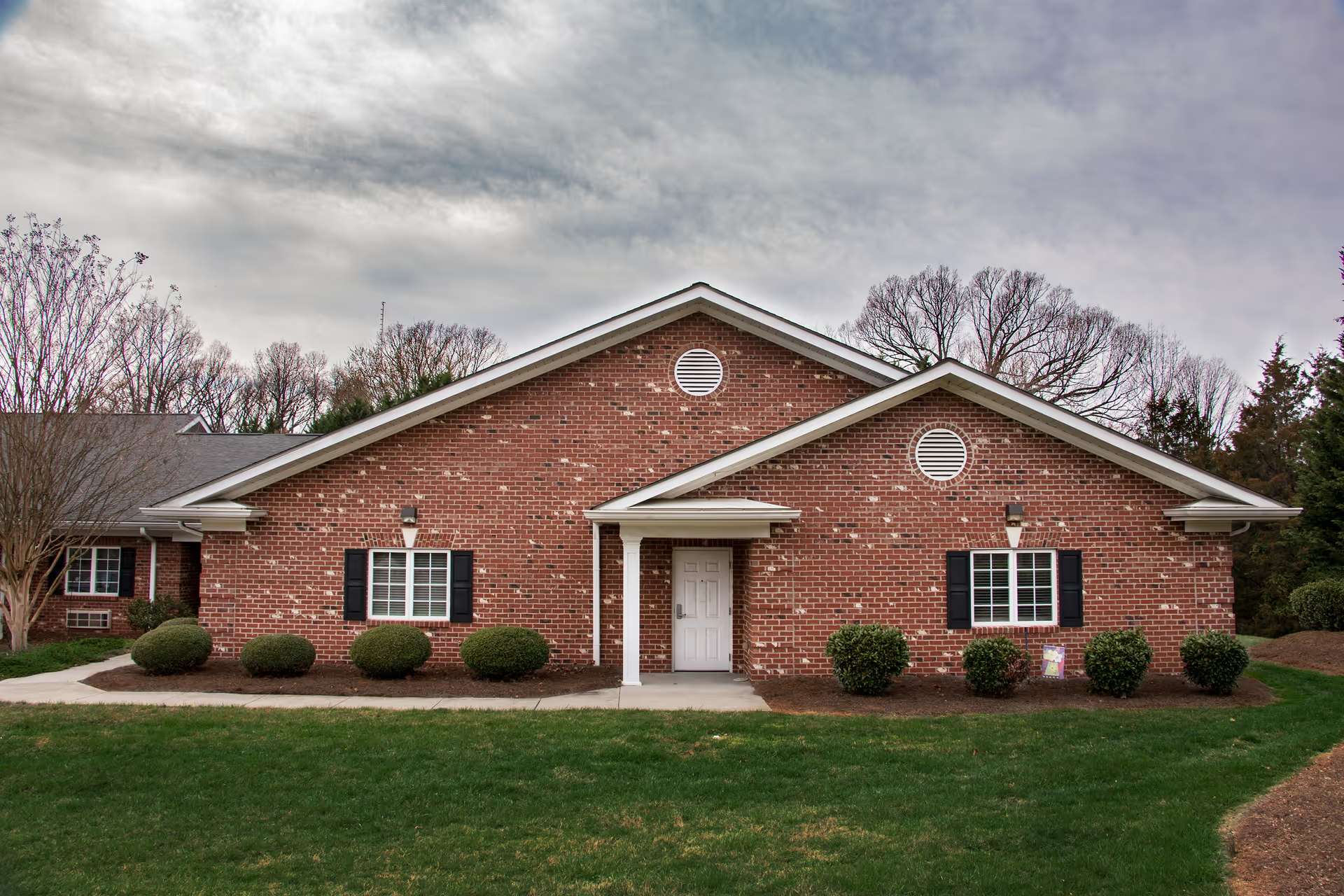
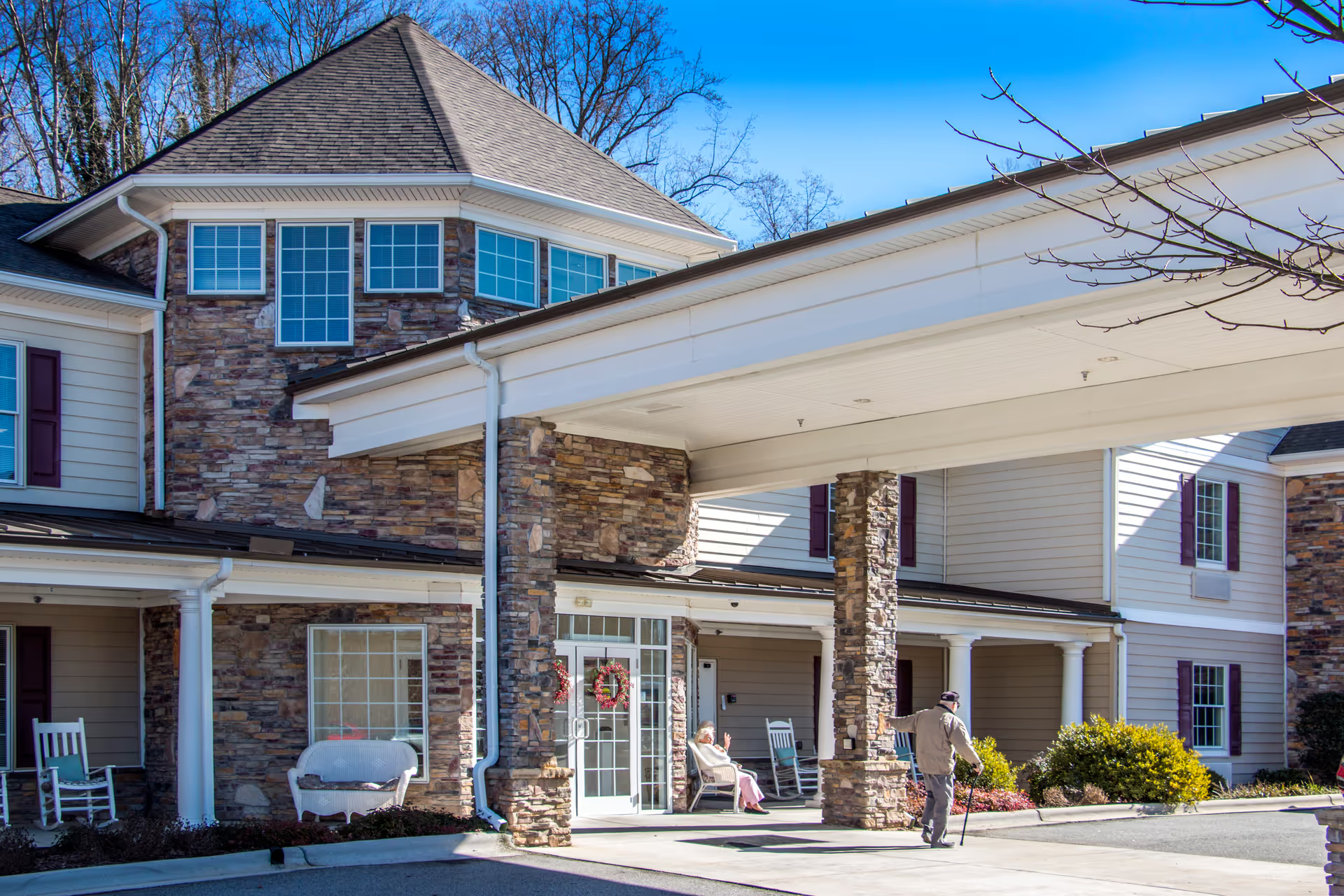
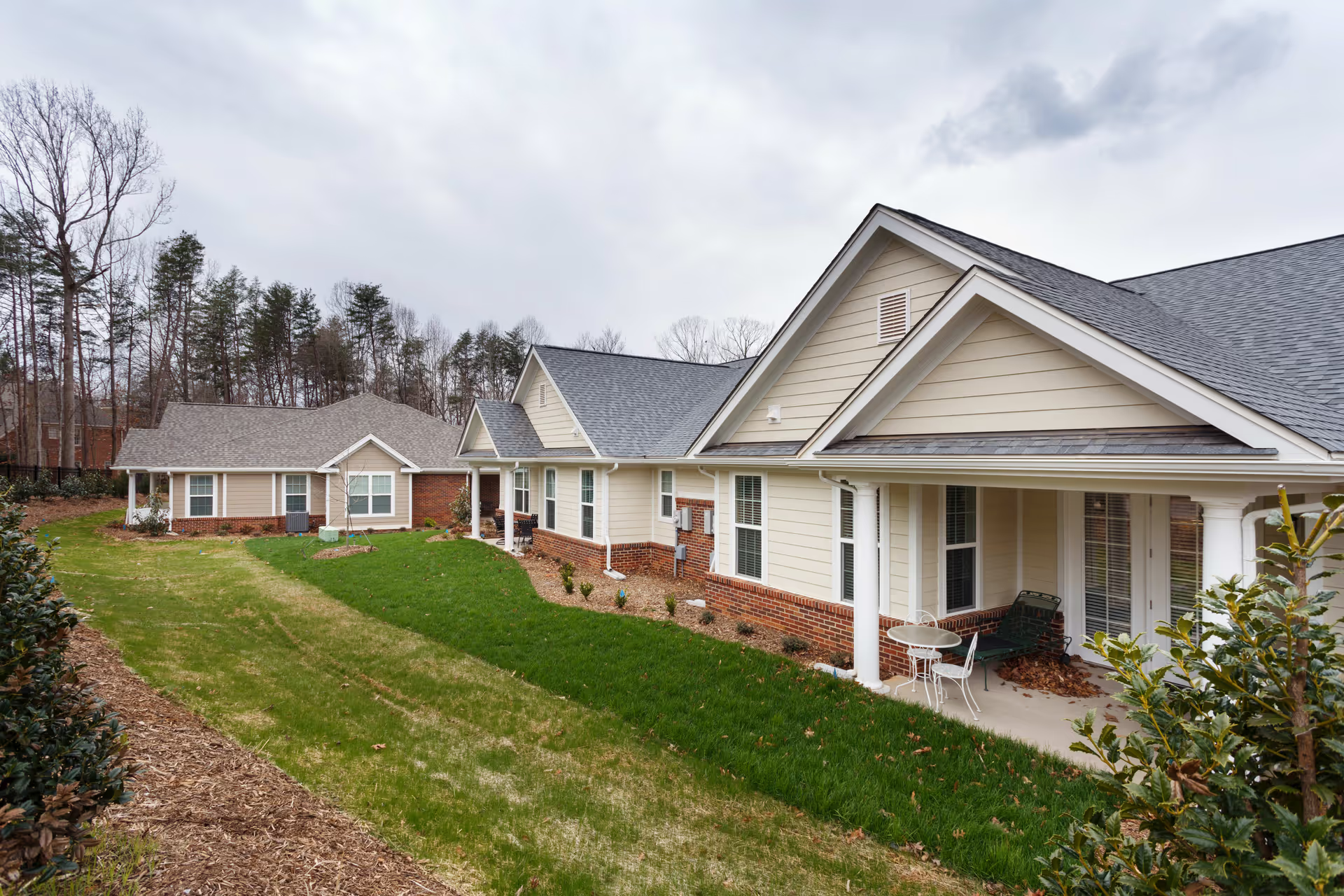
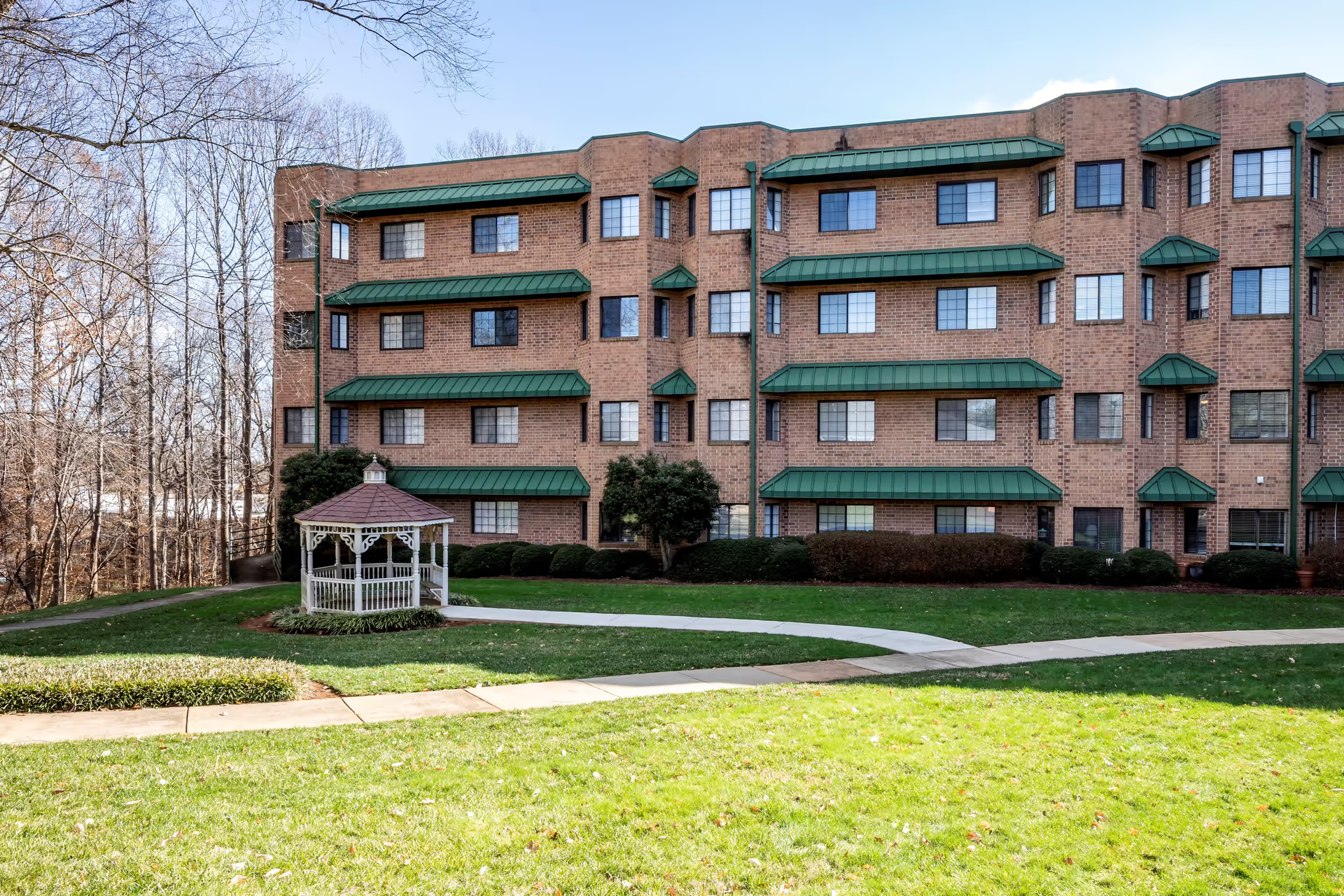
Facilities and logistics Physical facilities are described as clean and well maintained, with accessible single‑level layouts, roomy two‑bedroom options and a pleasant outdoor courtyard. That said, the campus has some older features: smaller rooms in certain unit types, limited overhead lighting in some apartments, and no in‑unit washers/dryers (residents use community laundry). Smoking is permitted in grandfathered units, which reviewers say can produce odor in hallways. Utilities are often billed separately from rent, and there is limited availability of very small units (no studio option reported). The location is appealing for those seeking a rural setting, but it may be remote for some families.
Management, communication and value Management and leadership receive positive comments for responsiveness, resident meetings, and engagement with families; the admissions team and certain owners/directors are repeatedly praised. Several reviewers also described the community as offering good value compared with alternatives. Nevertheless, the mixed comments about care consistency, dietary accommodation, and staff conduct indicate management should be asked about staffing levels, clinical oversight, and employee training during a visit.
Notable patterns and advice for families Strengths to prioritize on a visit include the active programming, on‑site medical/therapy supports, the pool and outdoor amenities, and the generally compassionate staff. Important topics to verify in person are: medication administration protocols and nursing oversight, how the kitchen handles special diets, the smoking policy’s practical impact on indoor air quality, laundry access, utilities and total cost of occupancy, and availability of desired apartment sizes. Given the isolated but serious allegations concerning staff conduct, families should check references, ask about incident response policies, and observe interactions on a tour to assess consistency of care and communication.
In summary, Countryside appears to offer a compassionate, activity‑oriented environment with solid amenities and strong family communication in many cases. Prospective residents and families will benefit from targeted questions about clinical responsiveness, dietary accommodations, unit features, and smoking policies to ensure the community’s services align with their needs.