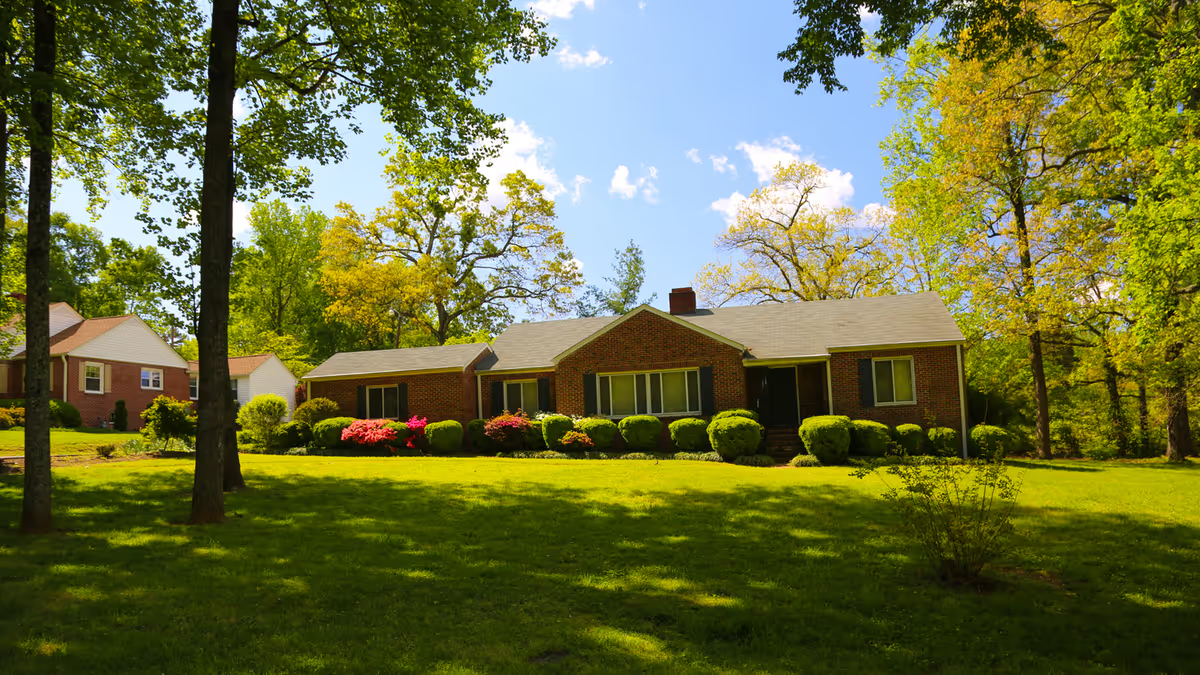
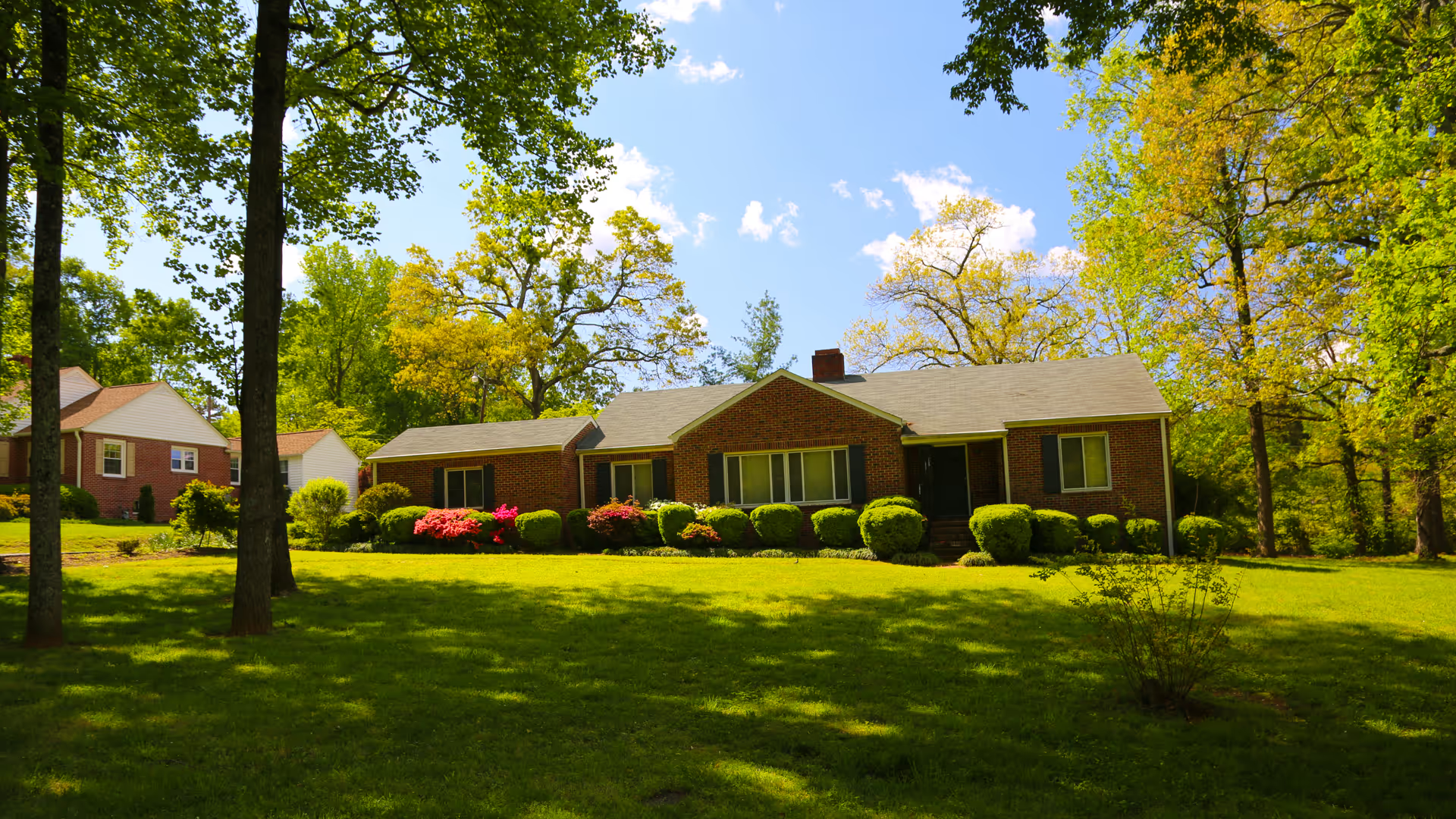
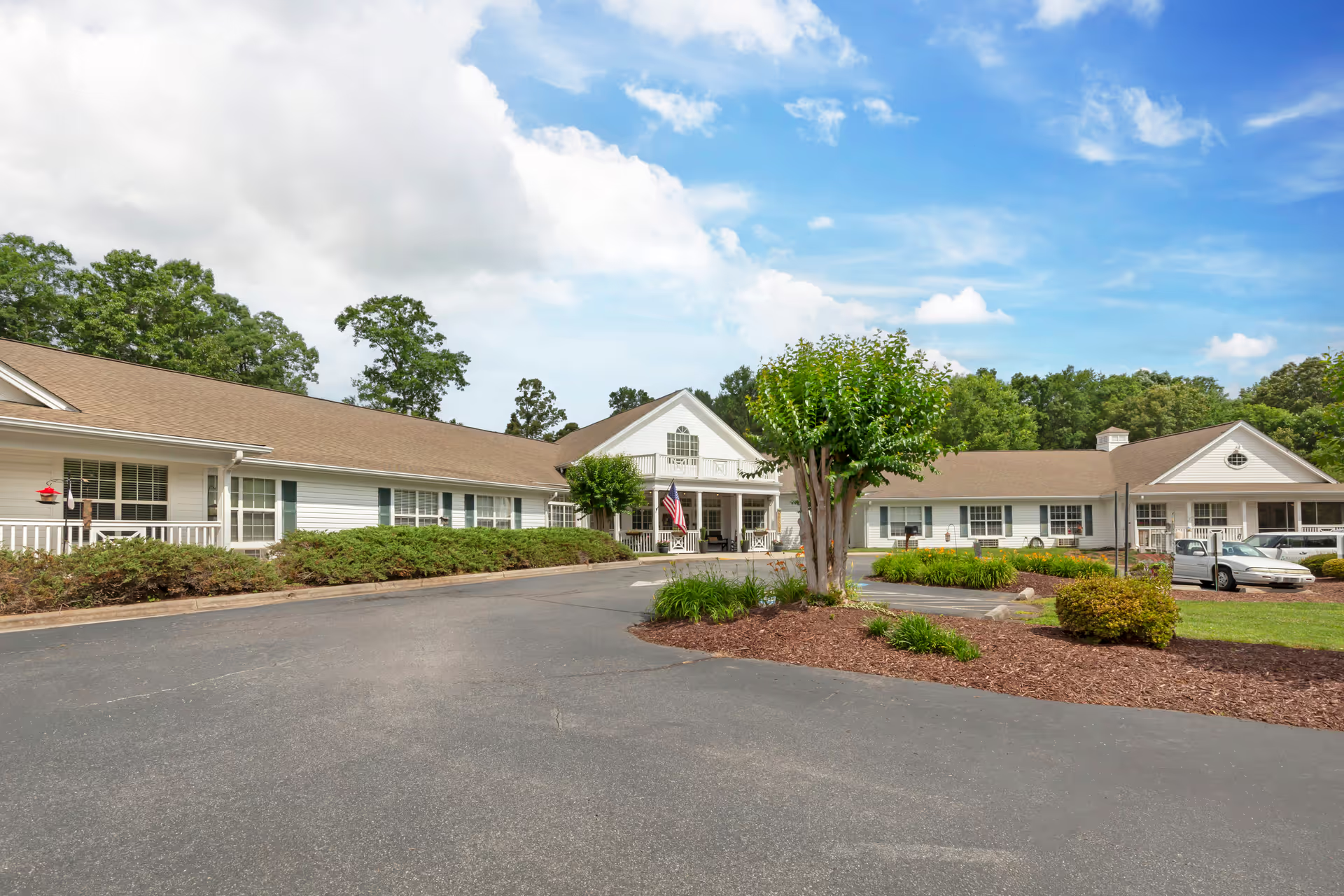
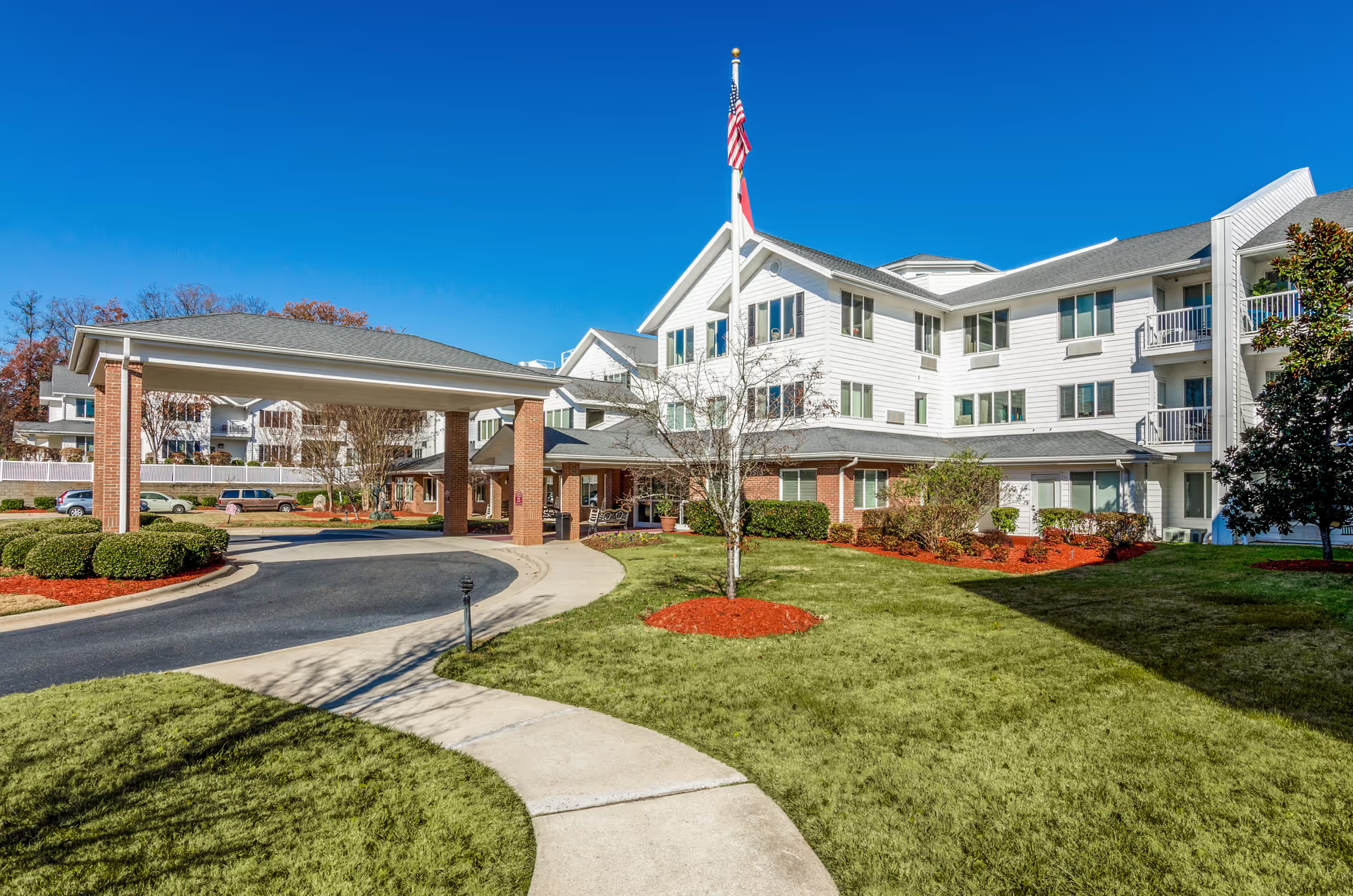
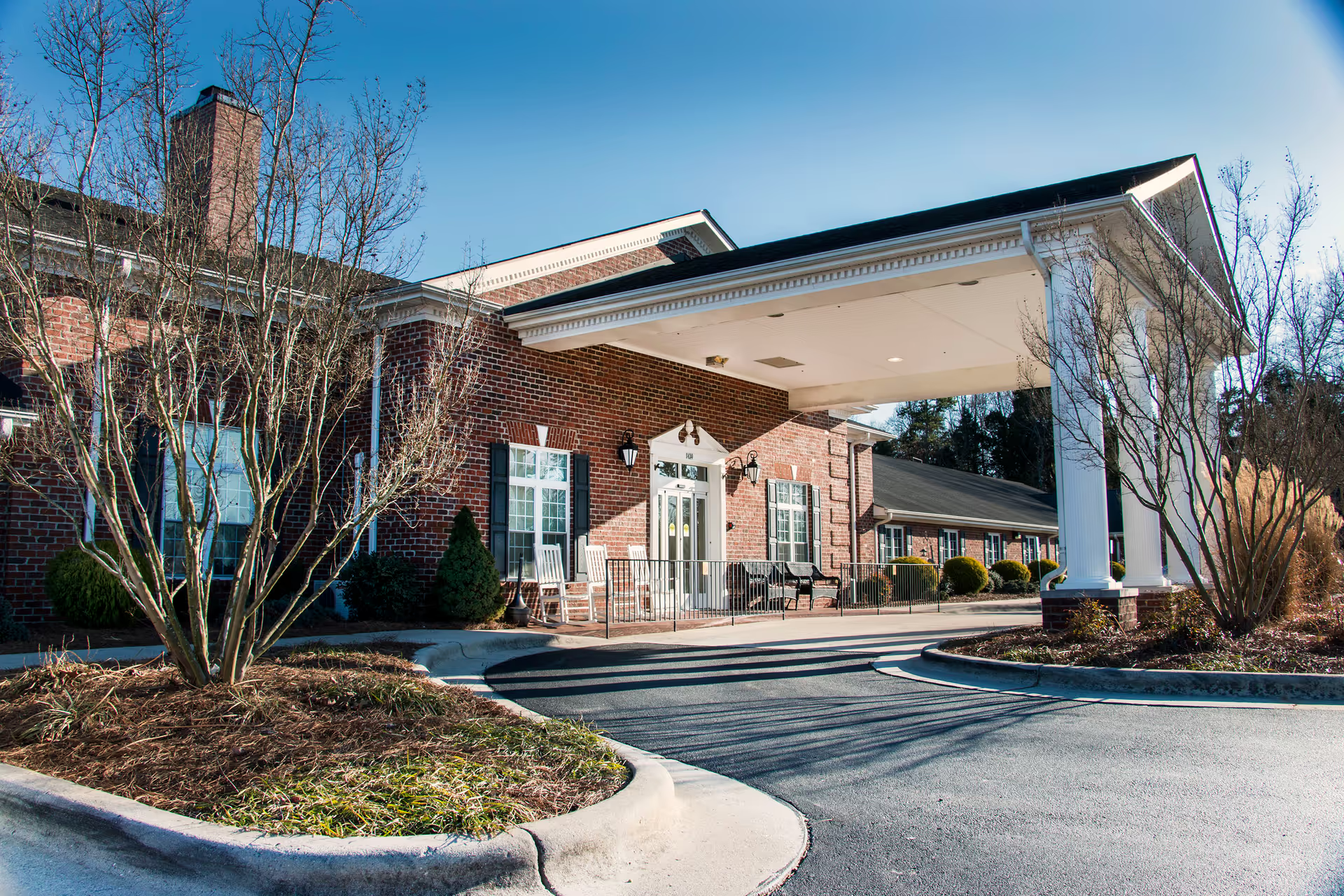
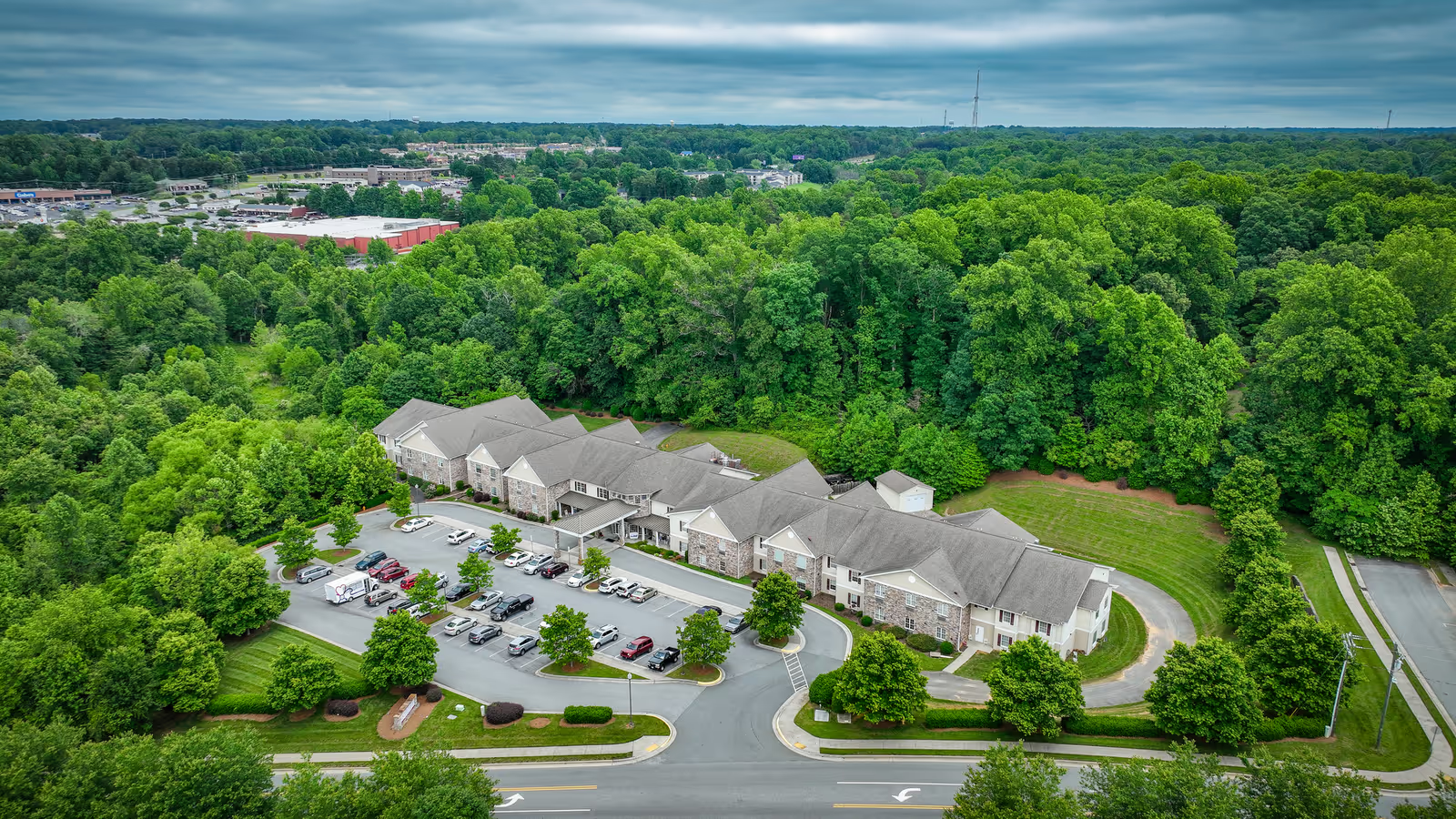
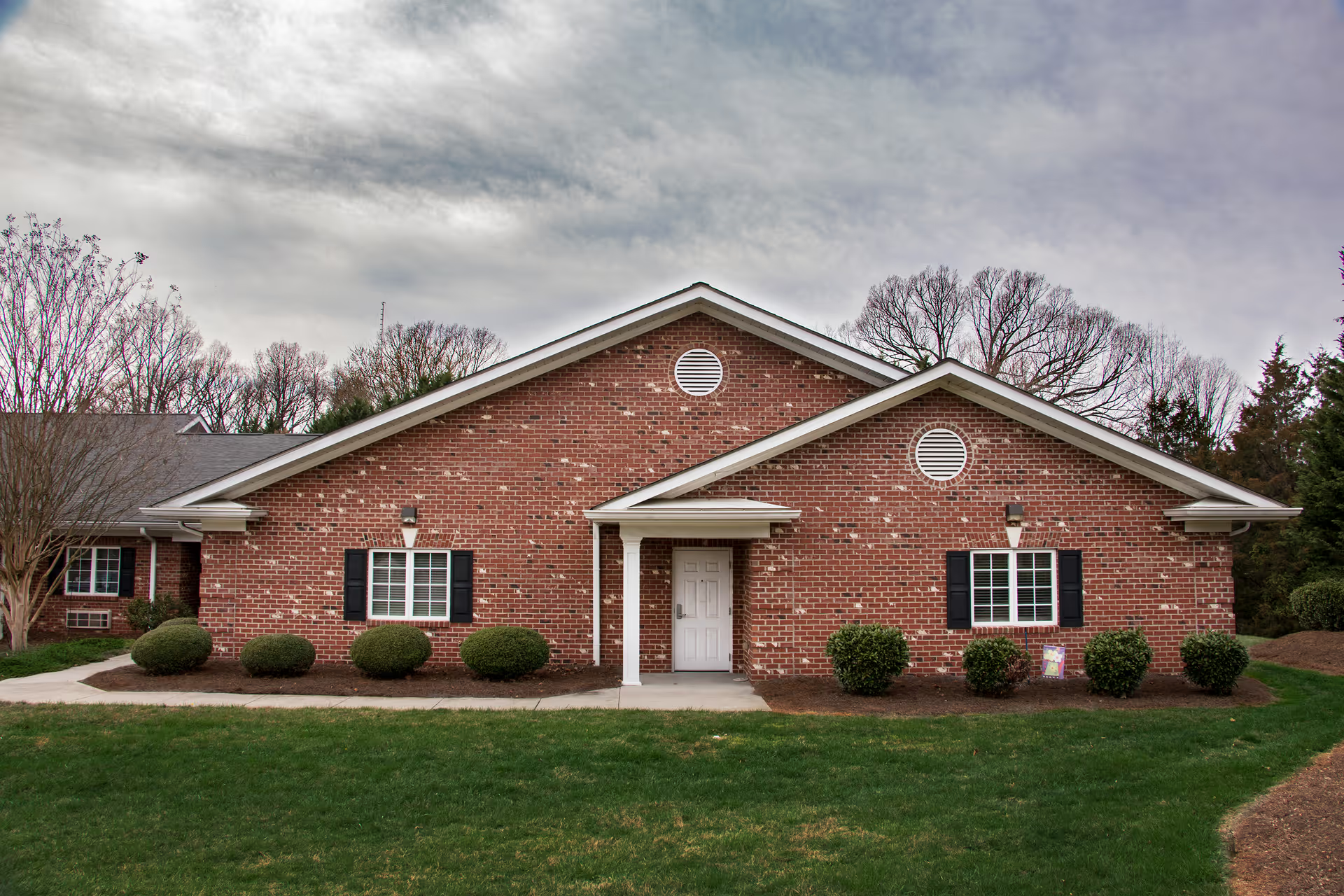
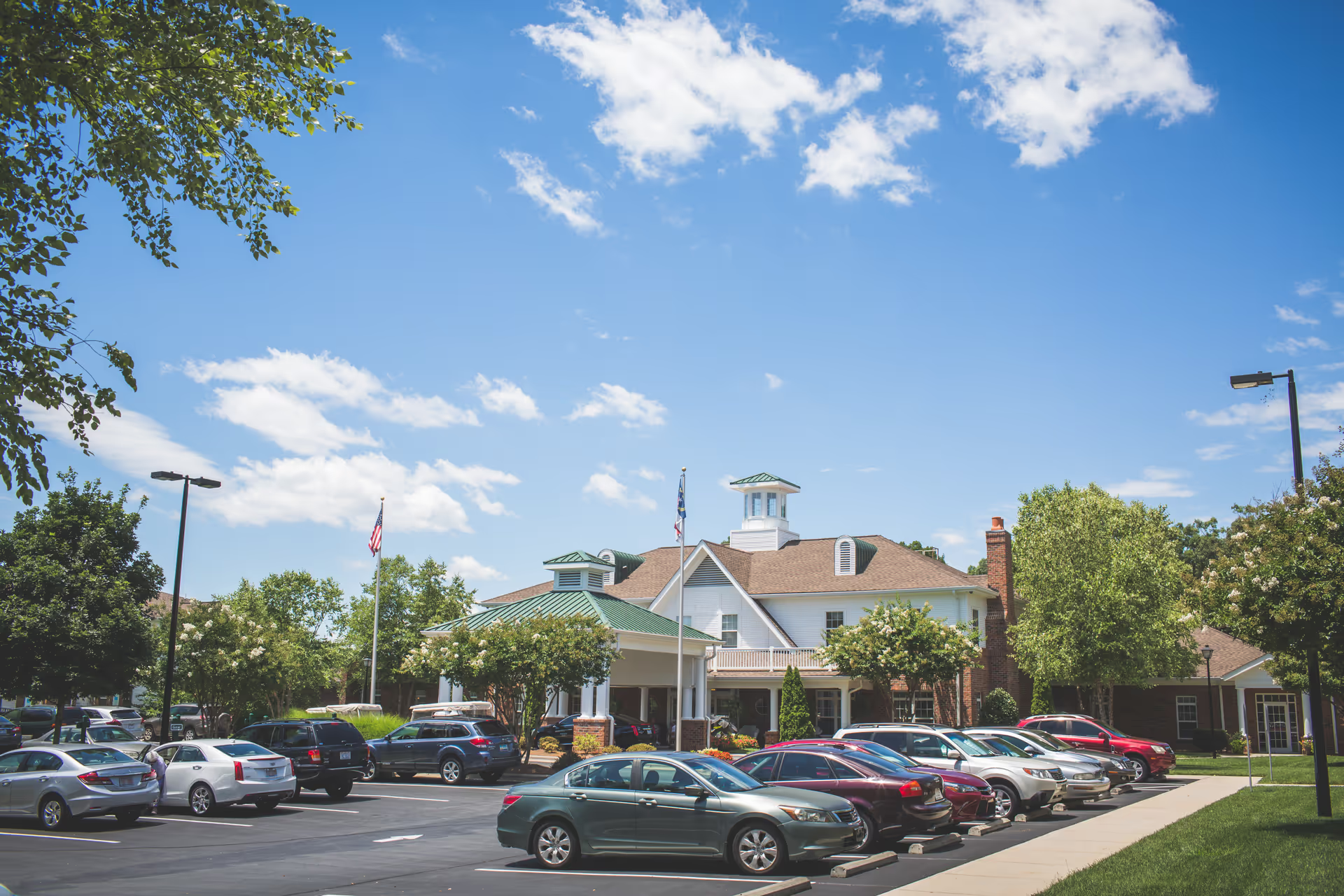
Brookstone Terrace of Thomasville is described by many families as a small, value-oriented assisted living and memory care option with a homelike atmosphere. Positive comments cluster around the staff’s demeanor, a high staff-to-resident ratio in some shifts, a full activities calendar, and an on-site memory cottage that keeps care and programs under one roof. The physical plant is generally characterized as clean and up-to-date, with renovated dining areas, an onsite kitchen, spacious furnished rooms, and a large, gated courtyard with raised garden space. Affordability and an all-inclusive monthly-fee option are repeatedly cited as important strengths.
Care and staffing present a mixed picture. Numerous accounts praise compassionate, attentive aides and individualized attention; however, a clear pattern of operational concerns also emerges. Families raise issues with inconsistent staffing levels, high staff turnover, and instances of unfamiliar aides providing primary care—factors that can increase anxiety for residents with dementia. There are also noted gaps in dementia-specific training and behavioral-redirection skills, and several families described shortcomings in medication administration and clinical follow-up. The memory-care unit is relatively small and appears to provide individualized routines, but it may be limited in its capacity to manage higher-acuity medical needs; families should verify the facility’s clinical scope and readmission/discharge policies.
Dining and activities are often highlighted as strengths: reviewers describe varied, home-style menus, timely meal service, regular grooming services, and an active calendar including gardening, crafts, exercise, scenic tours, restaurant and library outings. That said, meal quality reports are inconsistent—some reviewers praise the food while others find it lacking—and the frequency of off-site outings appears to be constrained by cost considerations. Prospective families may want to observe a meal and review sample menus and outing schedules.
Management and communication receive mixed assessments. Admissions and some managers are described as attentive and responsive, while other families report delayed or inadequate follow-up, dismissive staff responses, and concerns about how clinical incidents are communicated to families. There are also references to rebranding and other reputation-related issues that warrant checking state inspection records and any public regulatory actions. Renovations are ongoing in parts of the brick building; the facility’s appearance is generally good, but prospective visitors should confirm the timing and impact of construction on daily life.
Recommendations for prospective families: arrange an unannounced daytime visit (including mealtimes and activity sessions), ask for current shift staffing ratios and turnover statistics, inquire about dementia training programs and behavioral-redirection protocols, review medication-administration procedures and fall-prevention measures, and request the facility’s policy on clinical escalations and discharge criteria. Also review recent state inspection reports and ask for references from current families in both assisted living and memory-care units. These steps will help match the facility’s operational realities to a resident’s clinical and social needs.