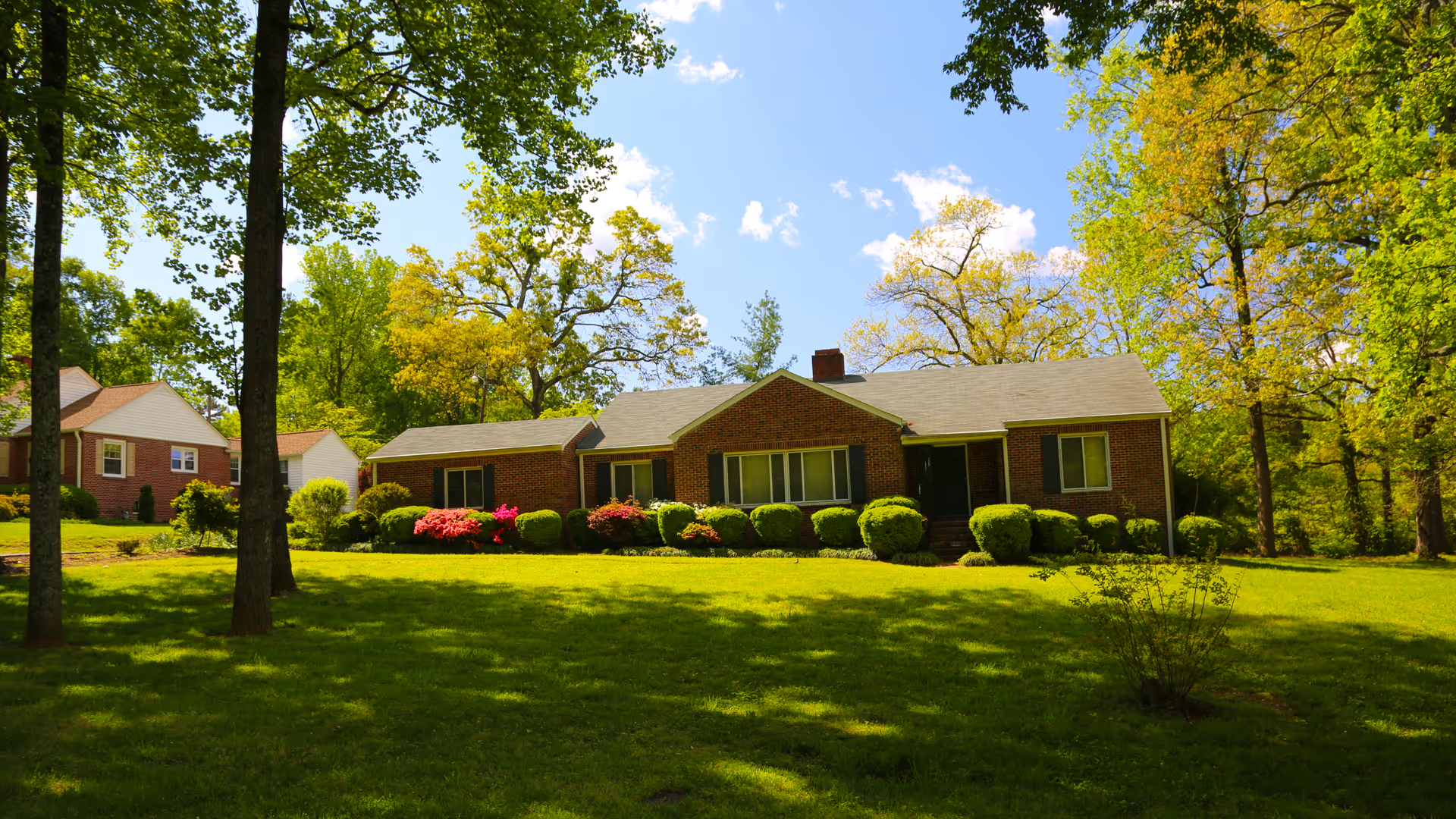
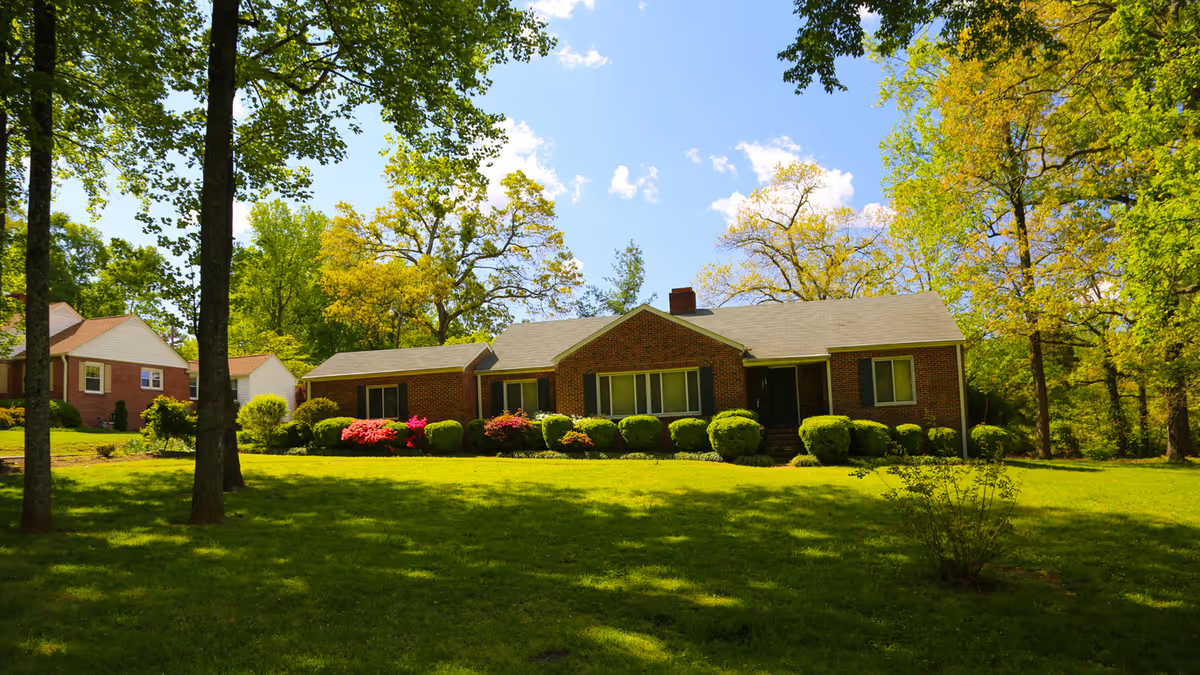
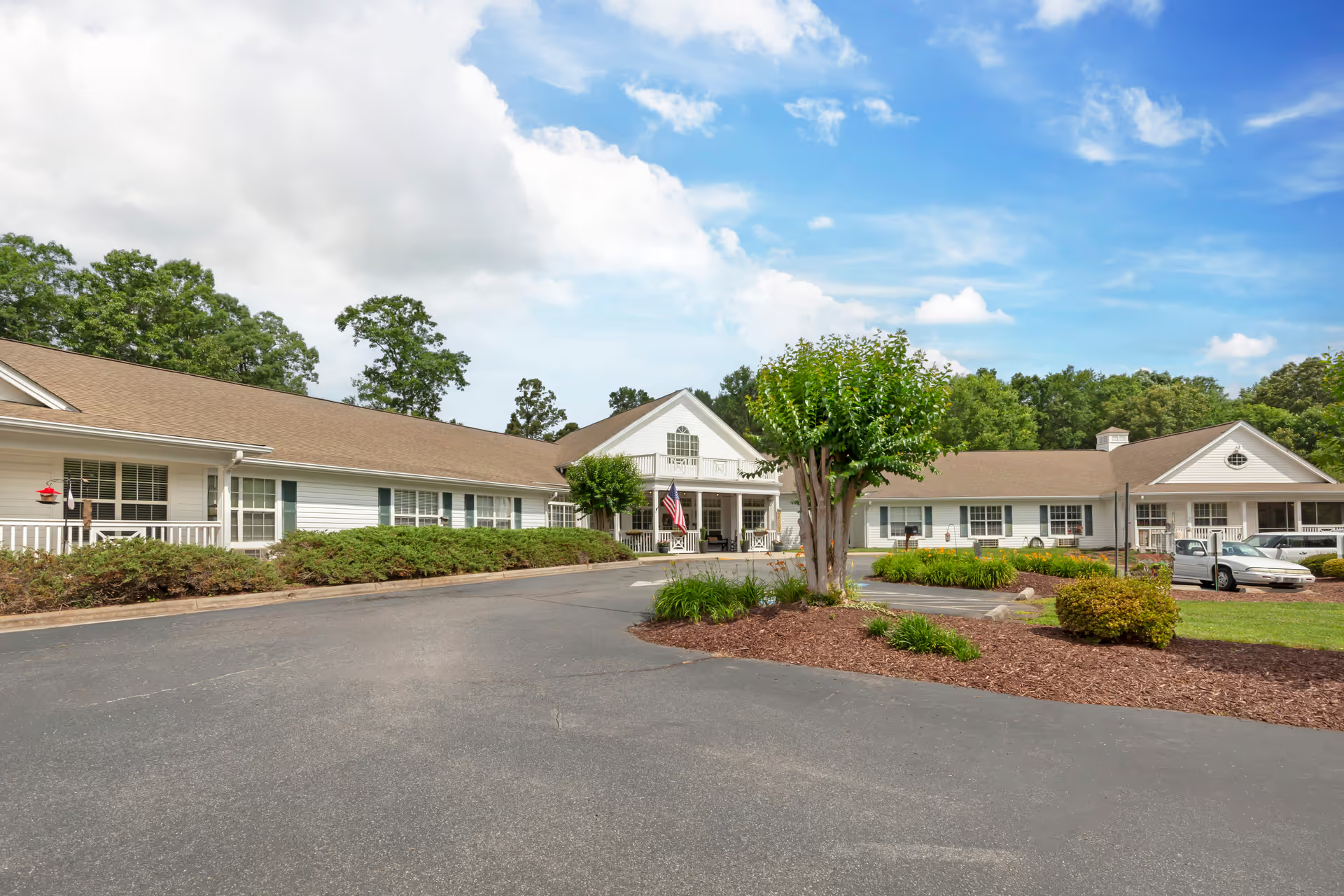
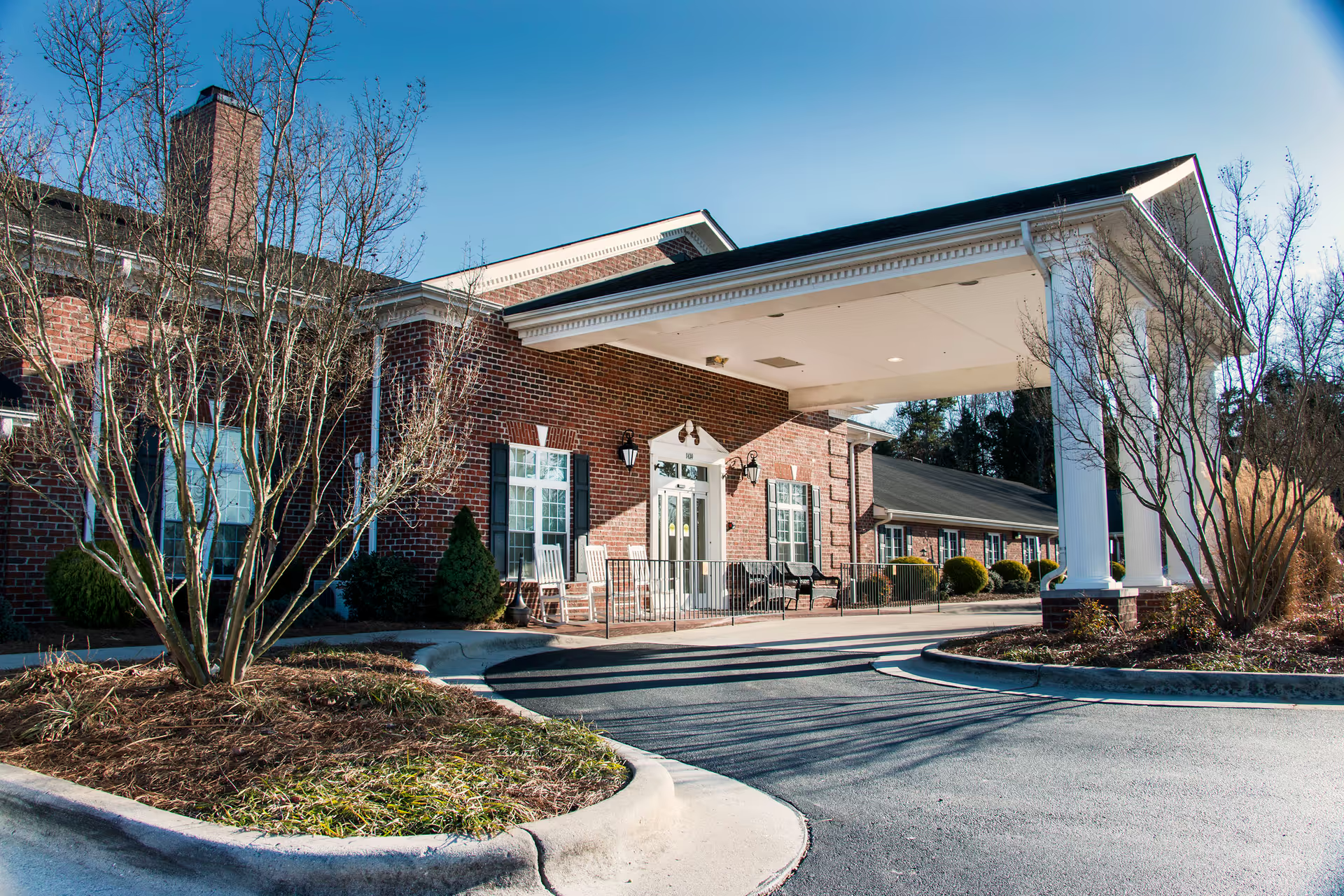
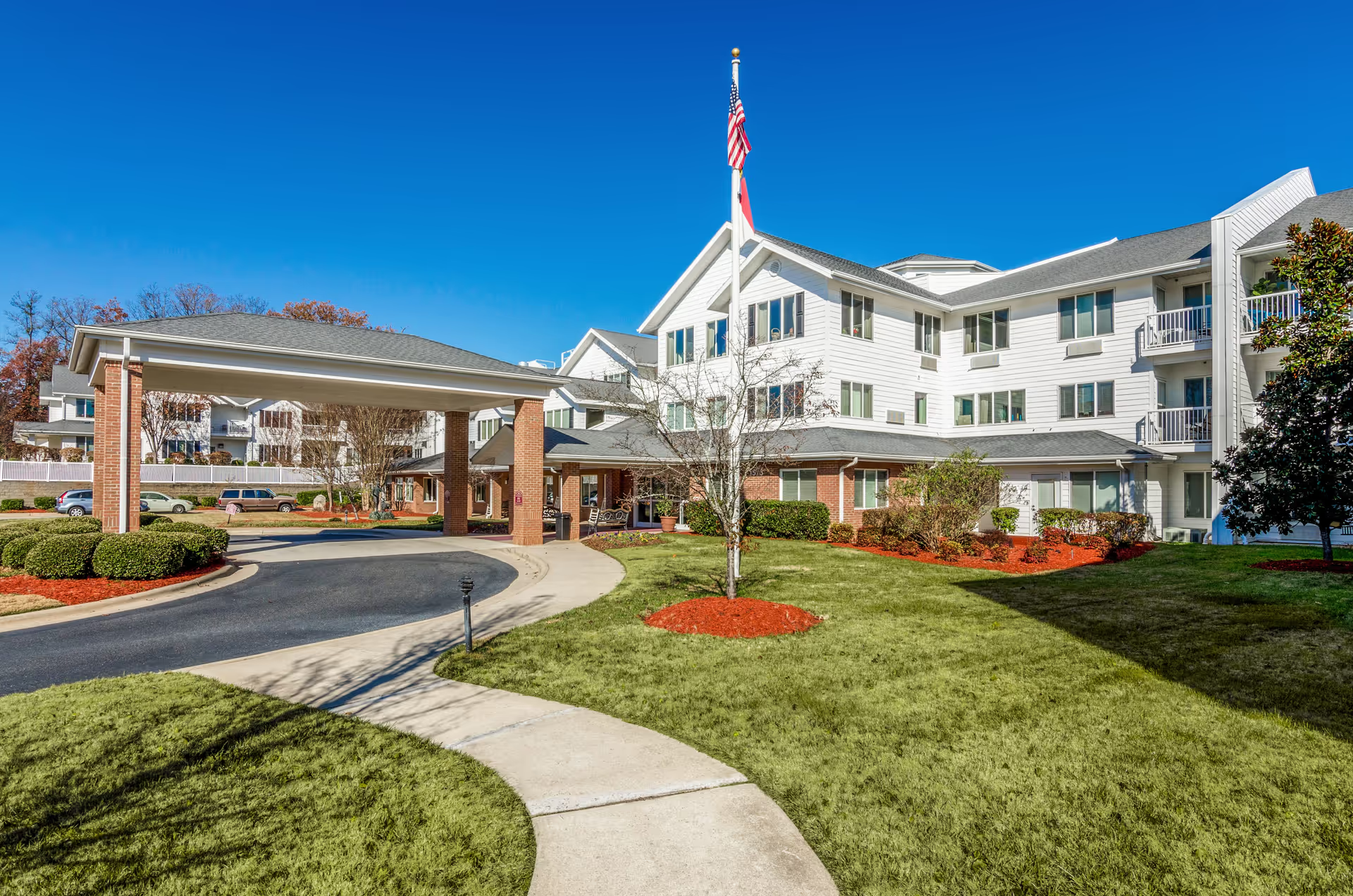
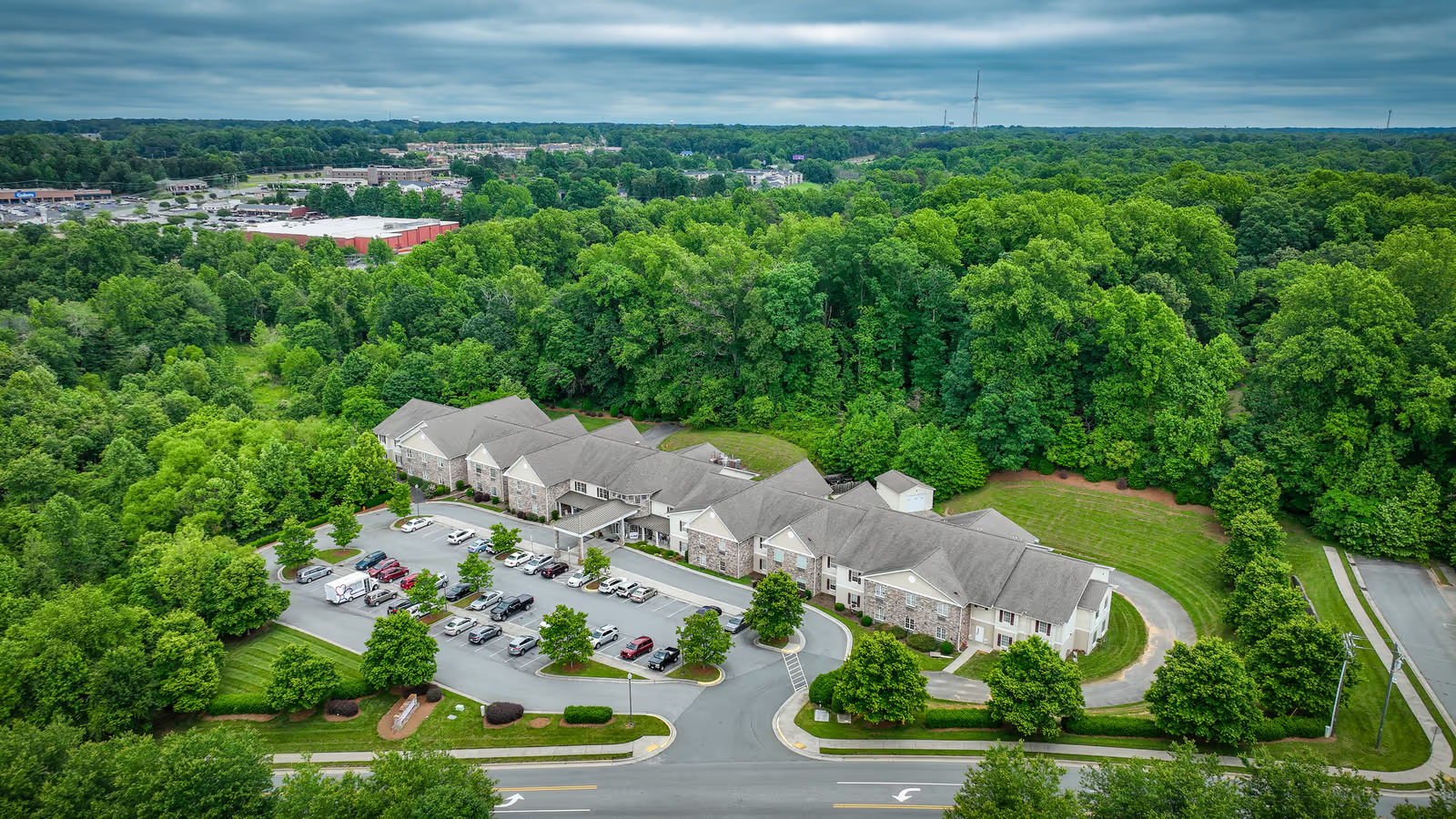
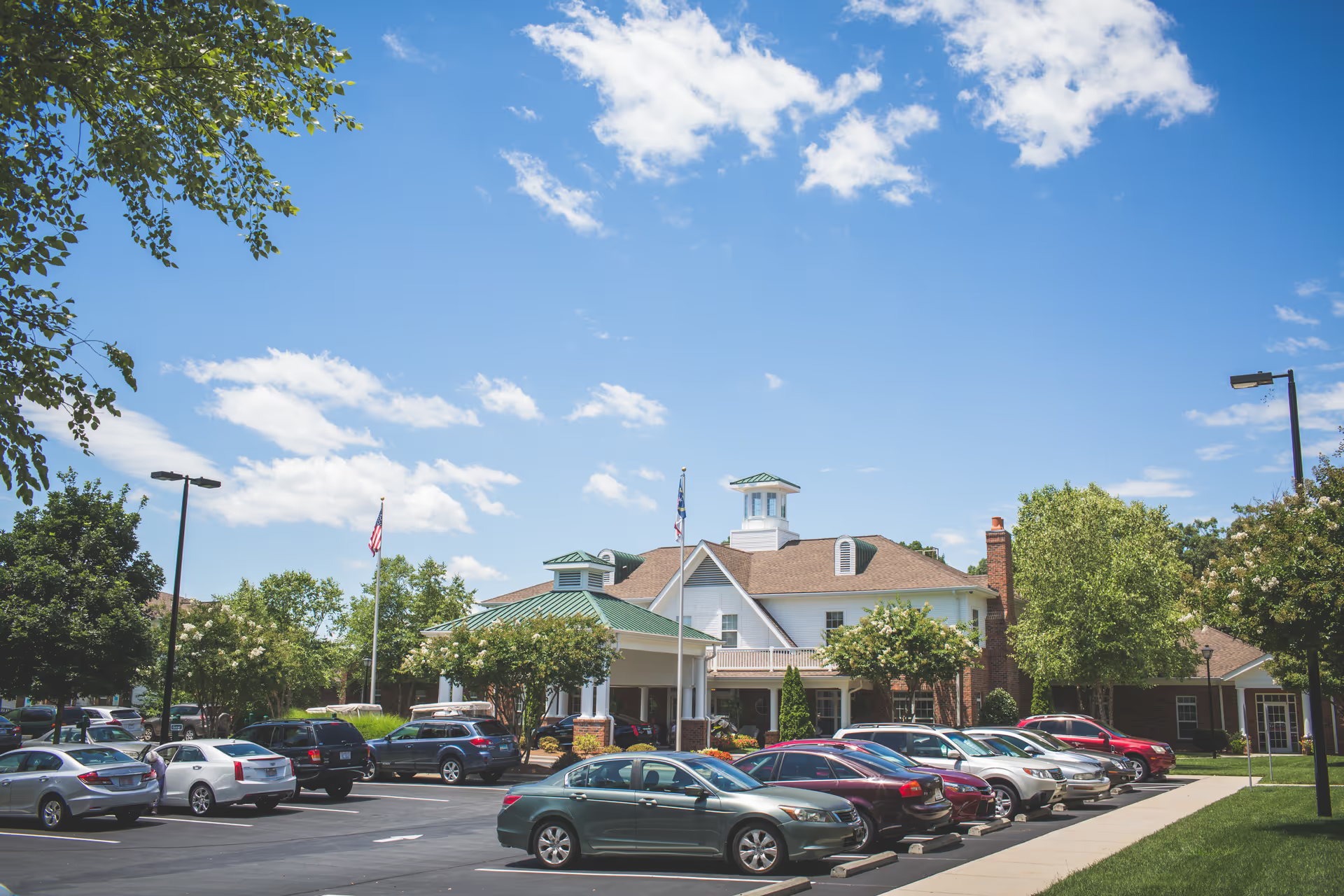
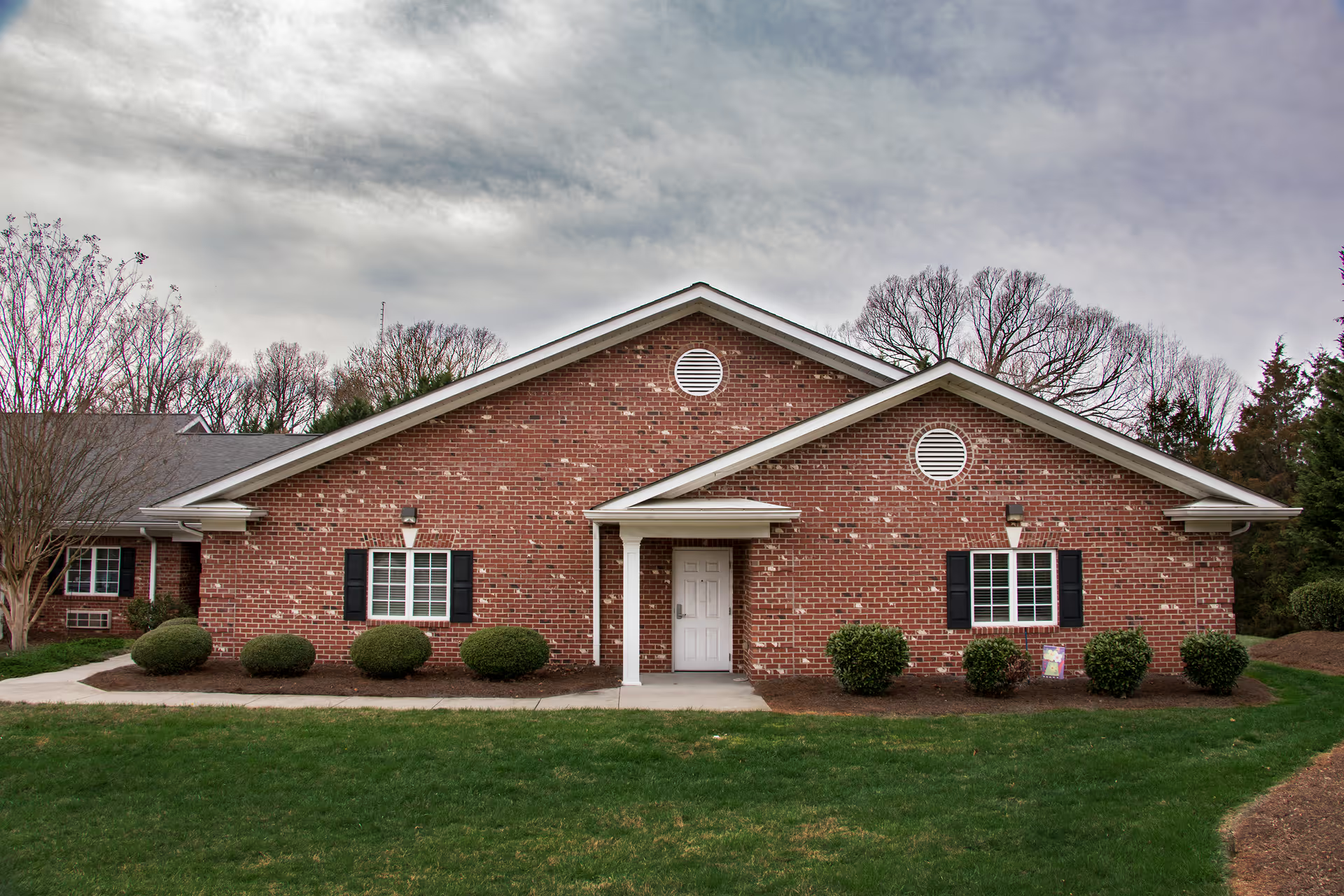
Piedmont Crossing is described by reviewers as a clean, well-maintained retirement community with modern common areas and a range of on-site amenities. Independent-living units (including two-bedroom patio homes) and household-style living create a residential feel; features frequently mentioned include fitness equipment, a library/computer room, transportation to outings, and a Bistro café. Many families highlight the community’s pet-friendliness, maintenance-free living, and the availability of on-site clinical supports such as periodic clinic hours and strong rehabilitation services.
Staff and care quality receive broadly positive remarks alongside clear variability. Numerous accounts praise nursing and rehab staff as skilled, compassionate, and responsive; several families credited the clinical team with meaningful recovery and attentive bedside care. At the same time, reviewers describe inconsistent staff conduct and occasional supervisory lapses. Those issues are connected in multiple accounts to communication gaps with families, uneven responsiveness during incidents, and variability in how individual caregivers perform.
Dining and activities are mixed areas. The community offers restaurant-style dining with table service and a paid Bistro option; some residents and families find the food appealing, while others describe inconsistency in meal quality and limited menu variety. Activity programming exists (bingo, movie nights, cultural outings, exercise), but engagement practices vary: activity sign-up often requires resident initiation and some reviewers felt the facility could do more to proactively enroll and engage residents. Unit configurations also vary—some homes include full kitchens and washers/dryers, while other independent units are more limited in kitchen amenities—so prospective residents should verify unit type and features.
Management and administrative practices are another recurring theme. Positive notes include an accessible front desk and a welcoming lobby; concerns center on price transparency, high upfront fees or deposits, waitlists, and an overall sales-oriented tour experience. Several families advise asking detailed cost and contract questions up front. There is also mixed commentary about memory/mental-health services: while a memory-care household is praised by some, other accounts indicate limited availability or service boundaries for residents with cognitive impairment. Relatedly, a few reviews describe safety or supervision events that led to distressing family experiences—these are best understood as indicators to clarify incident-response protocols, supervision levels, and family notification procedures during a tour and contract review.
Overall, Piedmont Crossing appears to offer strong clinical rehabilitation, a pleasant physical campus, and many staff who are highly valued by residents and families. At the same time, persistent themes—variable dining, activity enrollment practices that depend on resident initiative, administrative transparency concerns, and uneven staff conduct—suggest areas to probe further. Recommended next steps for prospective residents and families are to request written pricing and fee schedules, tour the specific unit types under consideration, review memory-care capacity and supervision policies, and ask for examples of incident-response and family-communication procedures before committing.