Reviews describe a facility with clear strengths in bedside care, therapy resources, and resident life, alongside recurring operational weaknesses that families should weigh. Many accounts emphasize warm, compassionate caregivers — nurses, CNAs, and aides who are attentive at the bedside and responsive to in-person calls for assistance. The therapy department receives frequent praise for its clinical skill and dedication; reviewers note daily PT/OT availability, meaningful progress for some residents, and a therapy staff described as passionate. Specialized touches such as an active activities program and a therapy dog are highlighted as beneficial to resident morale and social engagement. Several families also described a positive hospice and end-of-life experience, characterizing care as comfortable and dignified.
At the same time, a consistent theme across reviews is unreliable remote communication. Families report difficulty reaching the facility by phone and delayed or inconsistent telephone updates, creating frustration during transitions of care. Operationally related concerns include variability in staffing levels that can produce delays in response and care tasks, and specific accounts that indicate therapy intensity and scheduling can fall short of expectations; reviewers describe occasions where therapy duration or frequency did not meet anticipated rehabilitation goals. There are also notes about staff communication tone and perceived insensitivity in some interactions, which families identified as an area needing improvement.
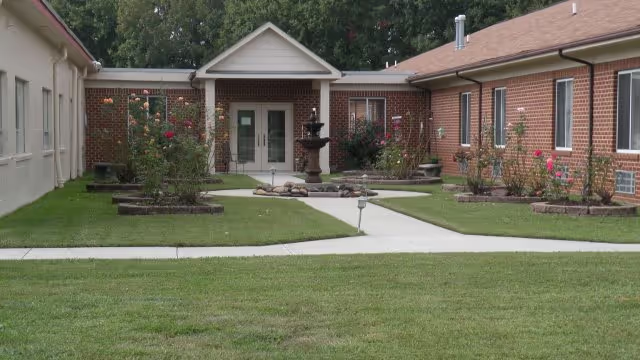
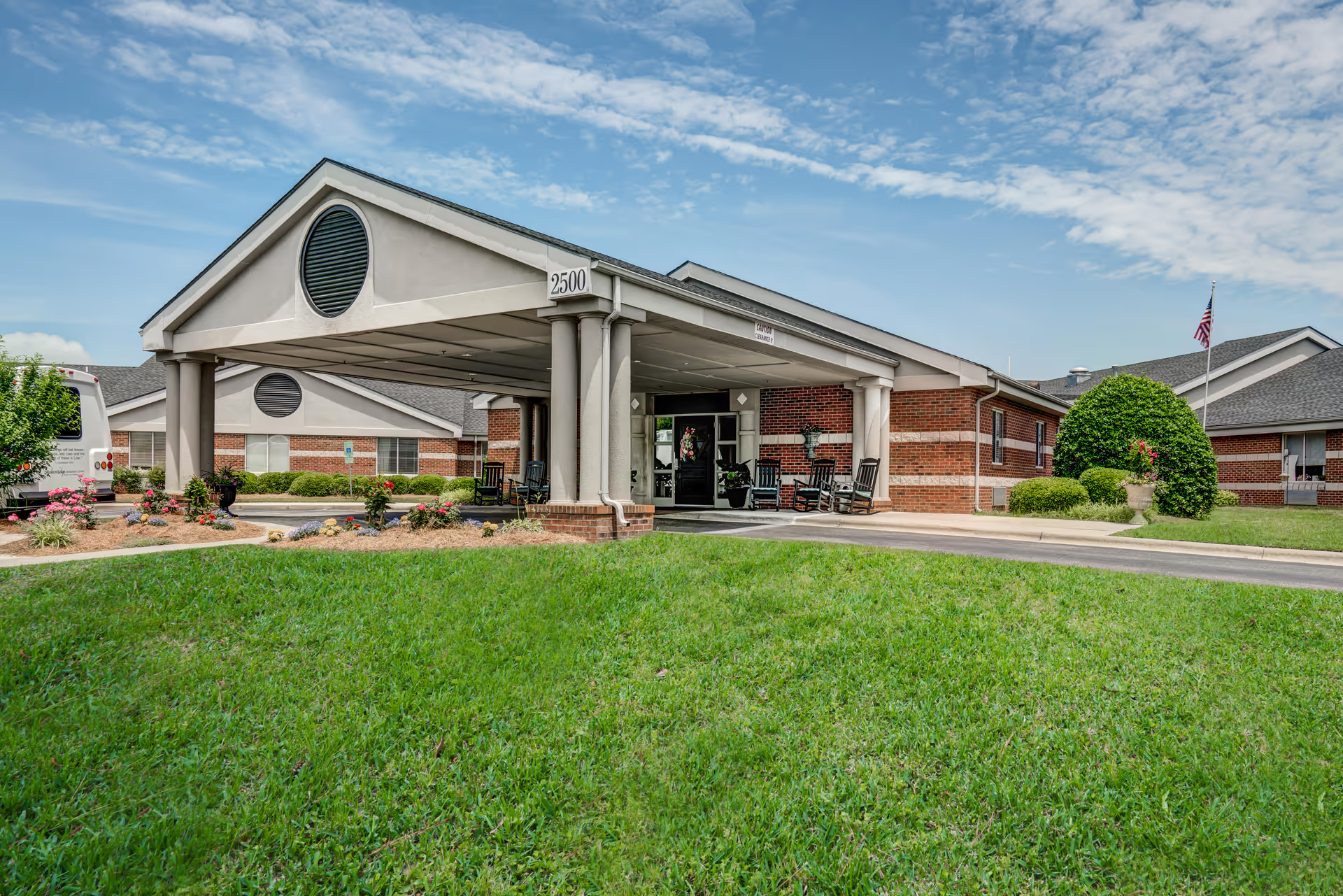
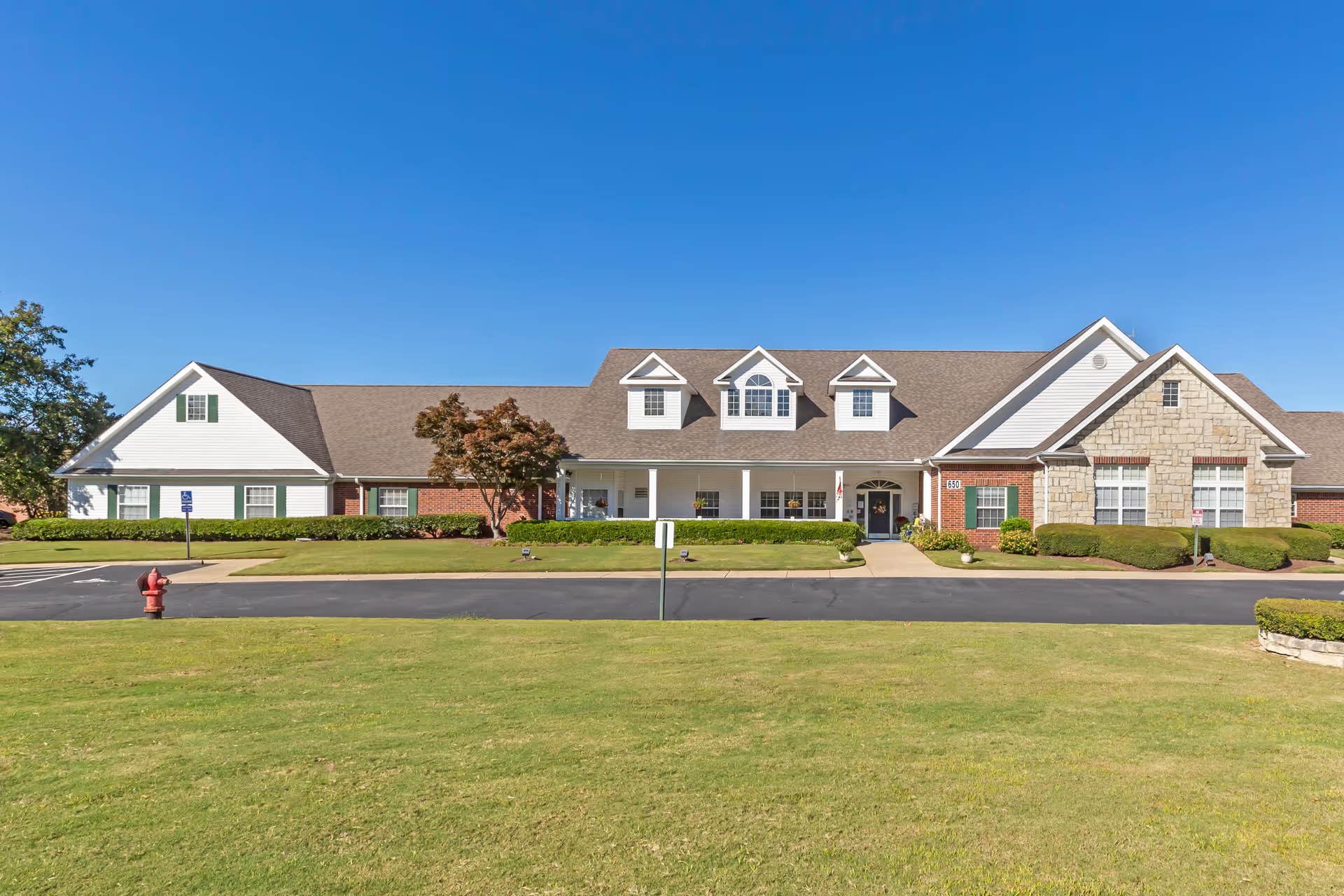
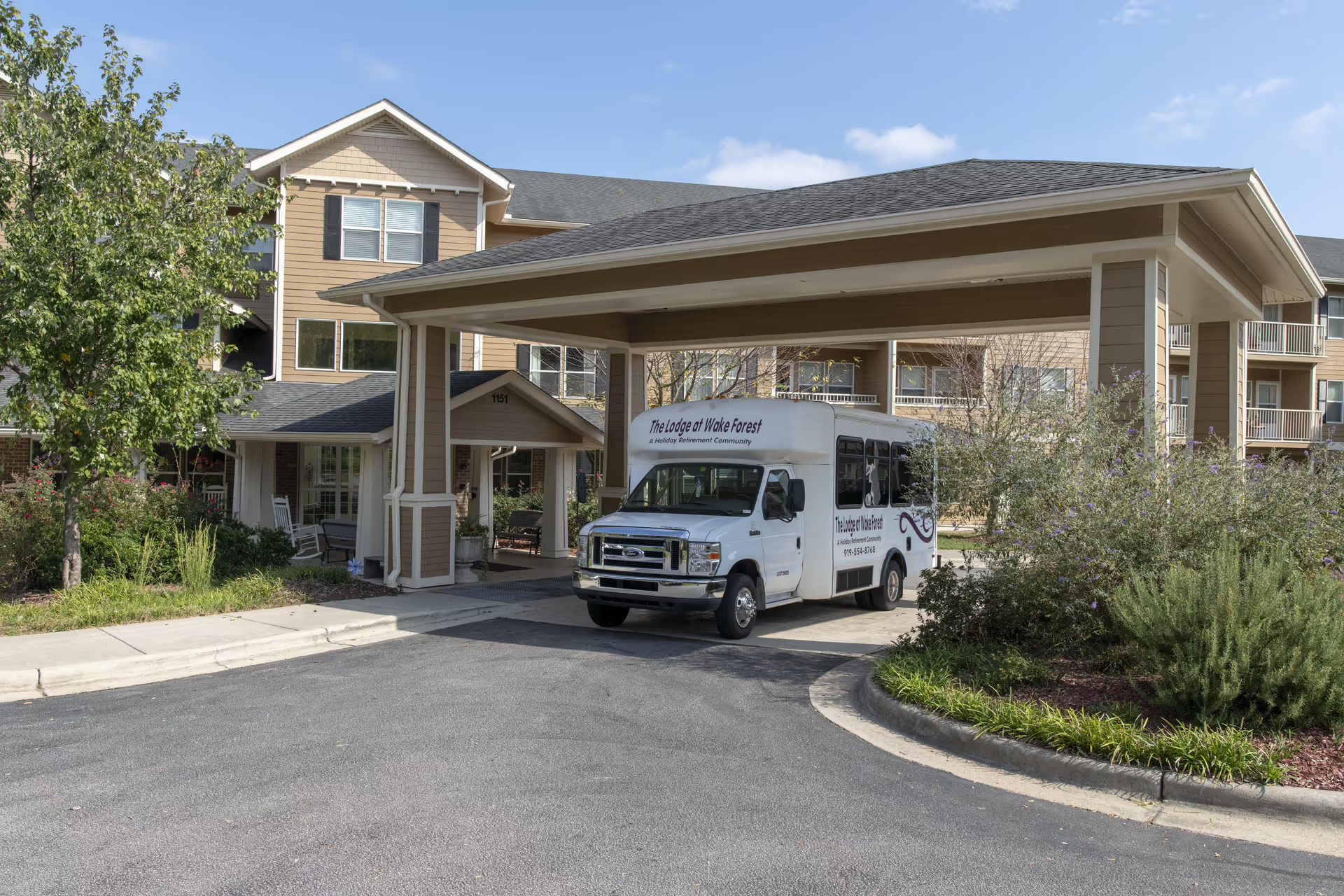
Dining and activities are frequently cited as positives: meals are described as tasty, the dining environment comfortable, and the activity program engaging — contributing to social connection and a more home-like atmosphere for many residents. The physical plant is generally portrayed as clean and well-maintained, supporting a comfortable resident environment. However, a subset of accounts express concerns about the facility’s atmosphere and safety perceptions; language used by families suggests that the setting can be experienced as institutional in certain units or times, and that perceptions of safety and environment may vary by location or shift.
For prospective residents and families: the facility appears to offer strong hands-on caregiving, a capable therapy team, and meaningful activity programming, which can support recovery and quality of life. Before admission, families should verify expected therapy schedules and intensity for rehabilitation goals, ask how the facility manages staffing fluctuations, and clarify preferred communication pathways and escalation steps for updates. During a stay, regular in-person check-ins and documented care plans can help align expectations with actual service delivery. Overall, the pattern of reviews suggests that individual experiences can vary substantially depending on unit, shift, and communication follow-through; those variables are worth confirming up front to reduce the risk of mismatched expectations.