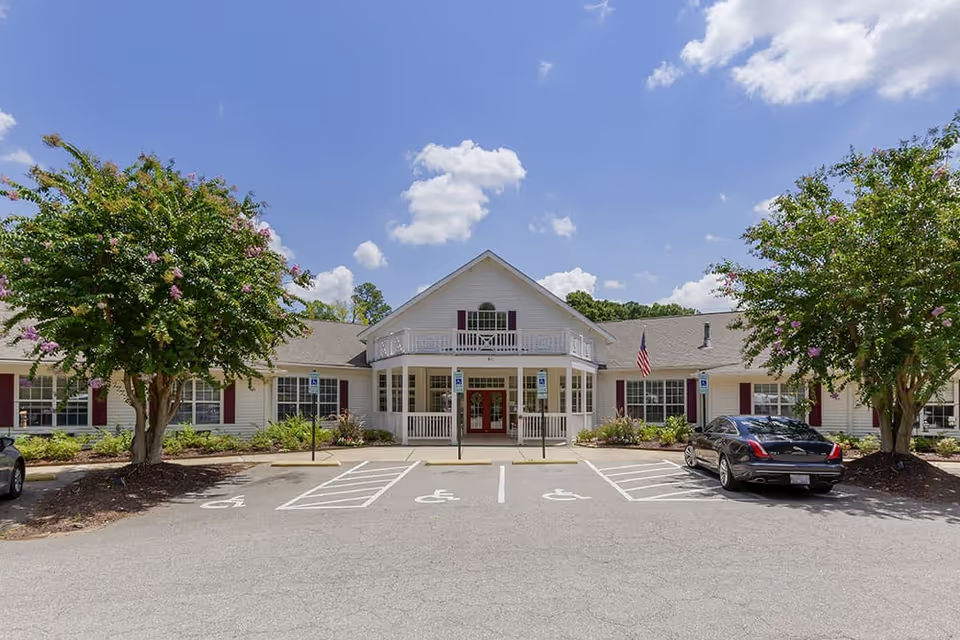
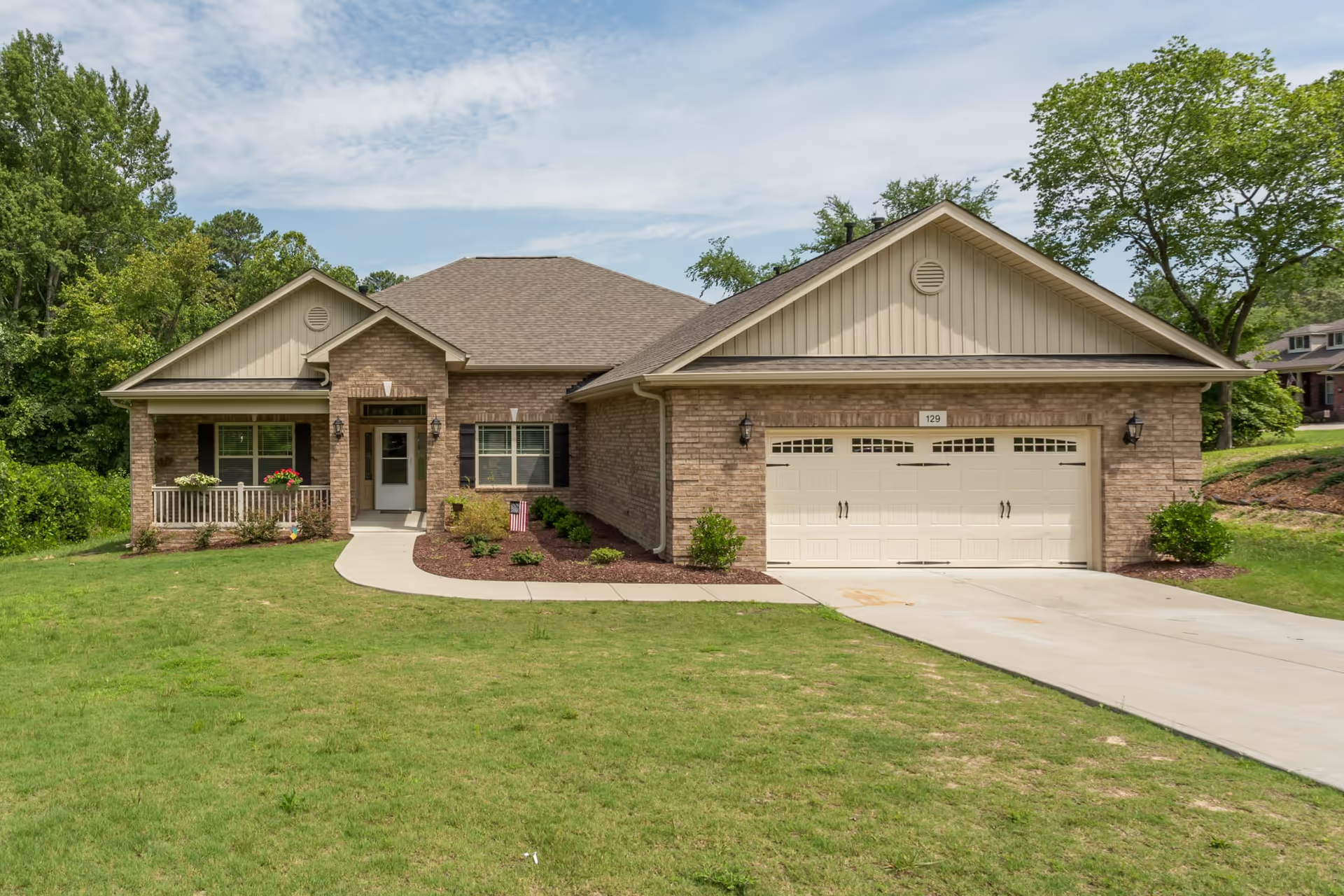
Overall impression: The Lodge at Wake Forest receives frequent praise for its warm, attentive staff and a home-like atmosphere. Many reviewers emphasize strong, person-centered interactions from caregiving and concierge teams, supportive tour staff, and managers who provide personalized attention. The community offers a full-service model of amenities and services — notable on-site therapy and rehabilitation, hospice availability, an on-site pharmacy, salon/barbershop, and a variety of communal spaces and courtyards — that appeal to residents seeking convenience and coordinated care.
Care and staff: Care quality is characterized by consistent positive staff–resident interactions, timely maintenance responses in many cases, and staff who go beyond basic duties to assist families. On-site clinical resources (rehab, visiting medical staff, hospice) are notable strengths. However, there are recurring comments about variability in staff responsiveness and communication, and several accounts describe turnover among managers or kitchen staff. Prospective families should clarify continuity plans for leadership and staffing levels for care and dining when evaluating suitability for higher-acuity needs.
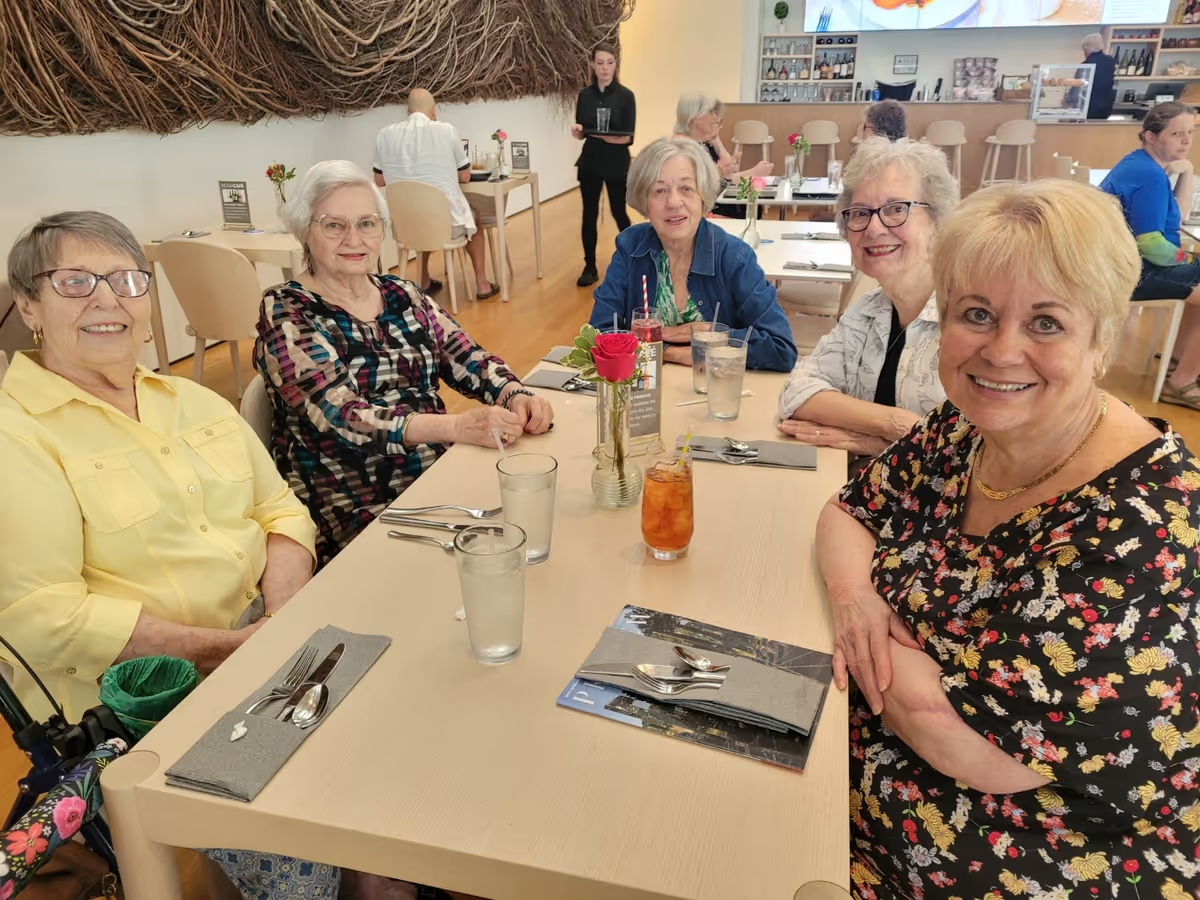
Dining: Dining is a central strength for many residents: chef-prepared, restaurant-style meals, thoughtful presentation, and three meals included in standard plans are commonly cited. Several specific menu items and bakery offerings drew praise. Counterbalancing this, reviewers also describe uneven food quality at times, occasional slow service, and friction around meal-plan rules — notably extra charges after a set number of included meals and limited substitution flexibility. The meal-billing structure and policies around unused or additional meals are a recurrent operational concern to review in detail.
Activities and social life: The Lodge offers a broad calendar (worship services, choir, bingo, trivia, exercise classes, outings, resident-run clubs) and generally positive social engagement; many residents report making friends and enjoying the activity programming. A subset of reviewers felt some programming skews toward lower cognitive engagement or is limited in variety; families who prioritize specialized cognitive or higher-intensity programming should ask for current activity schedules and director credentials.
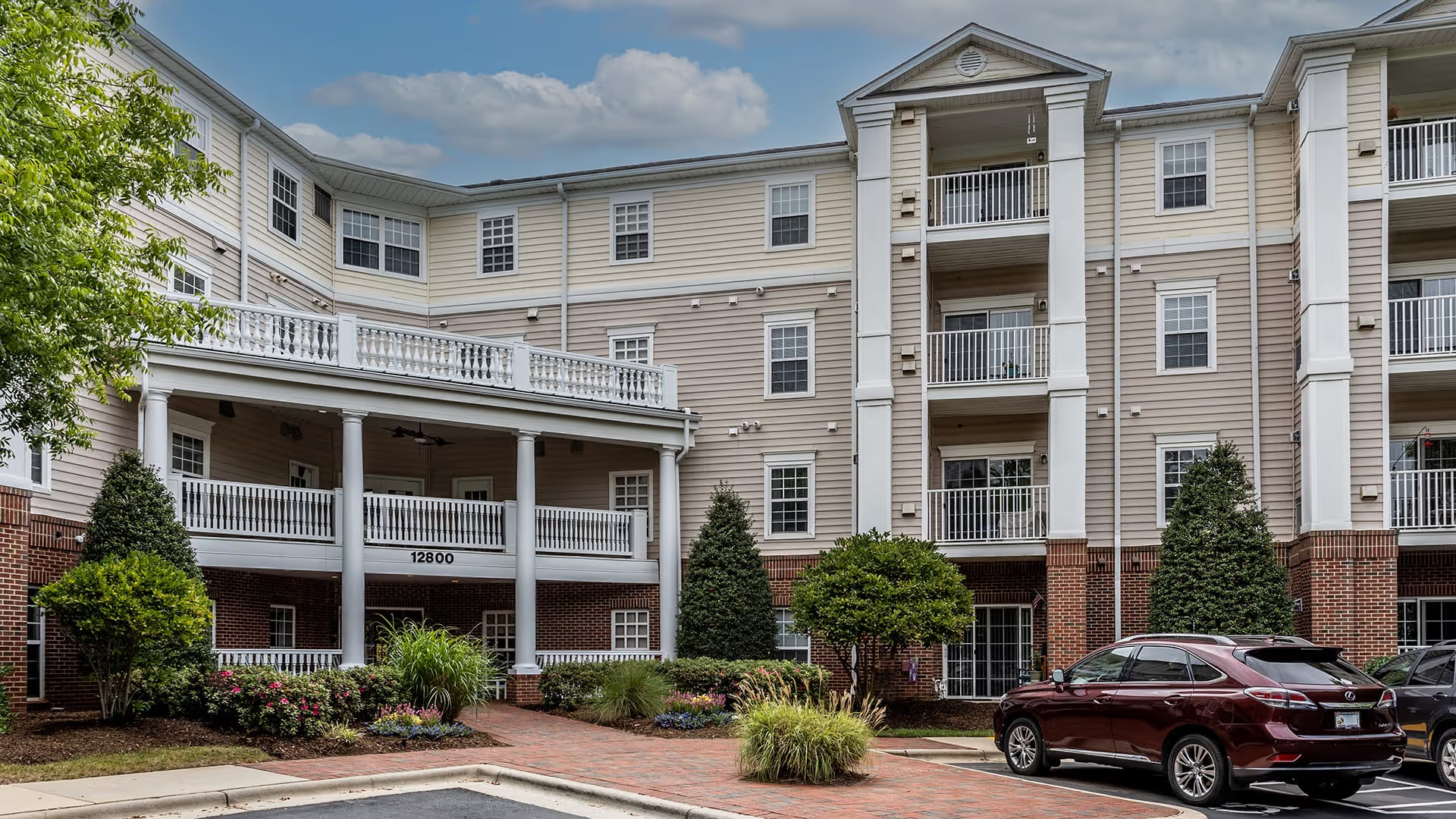
Facilities and accessibility: Interior cleanliness, bright units, and well-kept public areas are frequently mentioned as positives. Apartments tend toward efficient layouts and many offer kitchenettes, storage, and sunlit designs. Facility amenities (fitness center, theater, chapel, courtyards, bus transport) add value. Noted constraints include relatively small unit sizes for some floorplans, limited laundry access on floors, exterior or grounds upkeep concerns in specific instances, and accessibility limitations such as limited elevator capacity and small common spaces. These operational traits may affect residents with greater mobility needs.
Management and operations: The community is generally described as reasonably priced compared with alternatives, with helpful admissions staff and tours. Recurrent operational issues include inconsistent housekeeping between move-outs and occupied units, occasional sanitation or odor concerns in some areas, kitchen staffing turnover, and communication lapses (mail/key handling, security-process suggestions). Several reviews describe management turnover and uneven corporate responsiveness. These patterns suggest prospective residents should obtain written explanations of housekeeping protocols, staffing retention strategies, meal-plan terms, and security procedures before committing.
Bottom line: The Lodge at Wake Forest presents a strong, resident-centered environment with many on-site clinical services, a robust activity calendar, and widely praised dining and caregiving staff. The principal considerations for families are operational: variability in food quality and service, a sometimes-confusing meal-billing structure, occasional housekeeping and exterior sanitation inconsistencies, unit-size and accessibility limits, and periods of management or kitchen turnover. For prospective residents, recommended due diligence includes touring during meal service, reviewing the meal contract and billing policies, asking about recent staffing turnover and retention, verifying housekeeping scope and frequency, and confirming accessibility features for specific mobility needs.