Overall impression: The Commons at Brightmore of Wilmington elicits a mixture of strong positive experiences and operational concerns. Many families describe a warm, home-like atmosphere with staff who are personable and invested in resident quality of life; at the same time, recurring operational themes highlight staffing consistency, training, documentation, and certain safety and cleanliness issues that prospective families should evaluate during a visit.
Care and staff: Reviewers commonly praise the direct care staff for compassionate, dementia-aware interactions, individualized attention, and family education efforts. Long-tenured employees and visible leaders (including named nursing leadership) contribute to a sense of continuity in some units. Positive memory-care outcomes — such as residents settling, calmer presentation, and restored family relationships — are described. However, staffing patterns appear uneven: competency and responsiveness vary by shift (notably weekends and nights), turnover is described as high, and several reviewers identified gaps in training for higher-dependency care. These operational weaknesses are associated with delayed responses to call bells and inconsistent assistance timeliness. Prospective families should ask about current staffing ratios by shift, turnover rates, and dementia-specific training programs.
Dining and activities: The community receives consistent praise for its activity program and engagement offerings. An active, enthusiastic activities department organizes a wide calendar — bingo, music, painting, auctions, themed events — and is a recurring highlight. Dining is described as above-average by some (gourmet options, regional specialties) though a few reviewers found the meal environment or consistency to feel institutional. It is reasonable to tour a dining service and sample menu options as part of the evaluation.
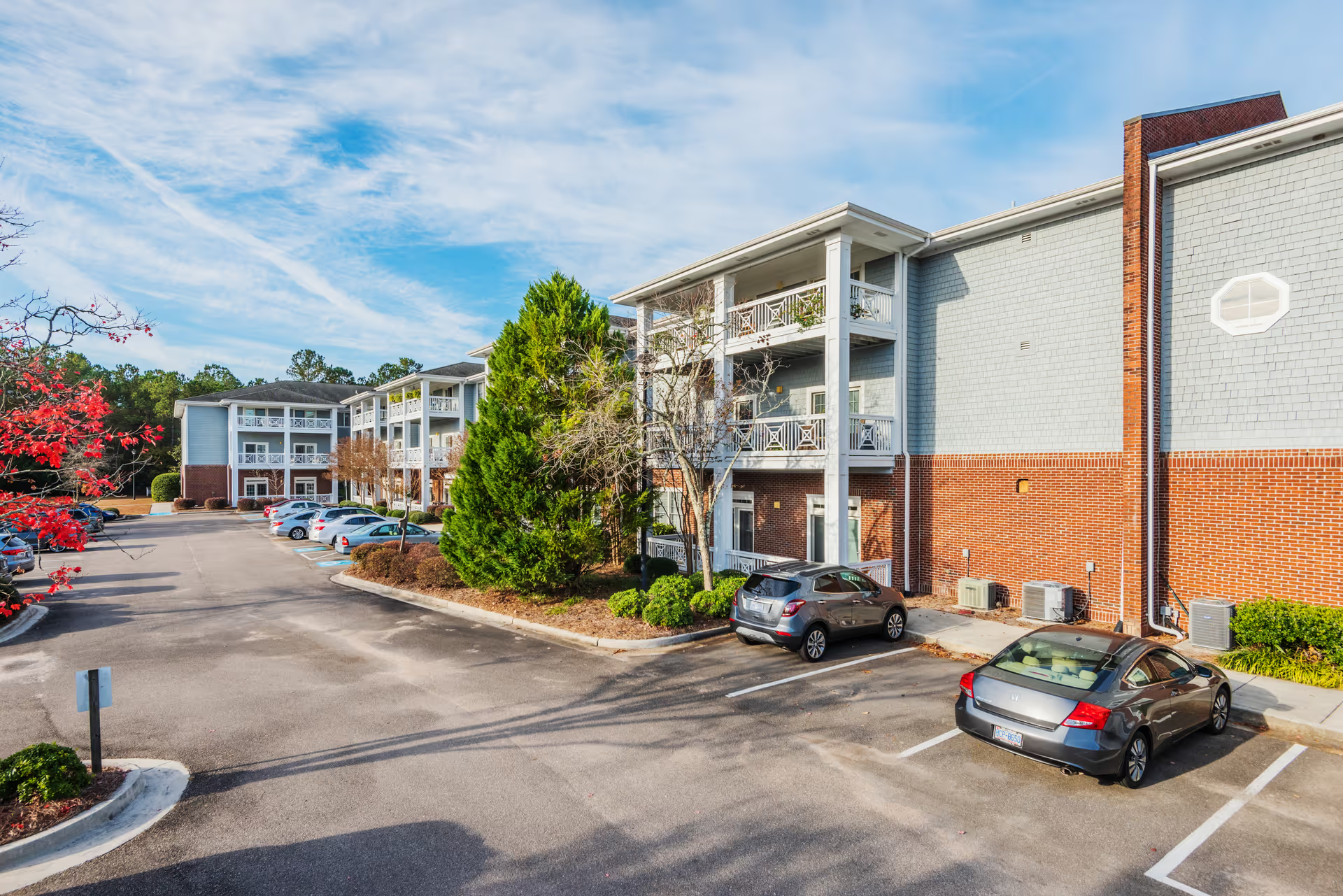
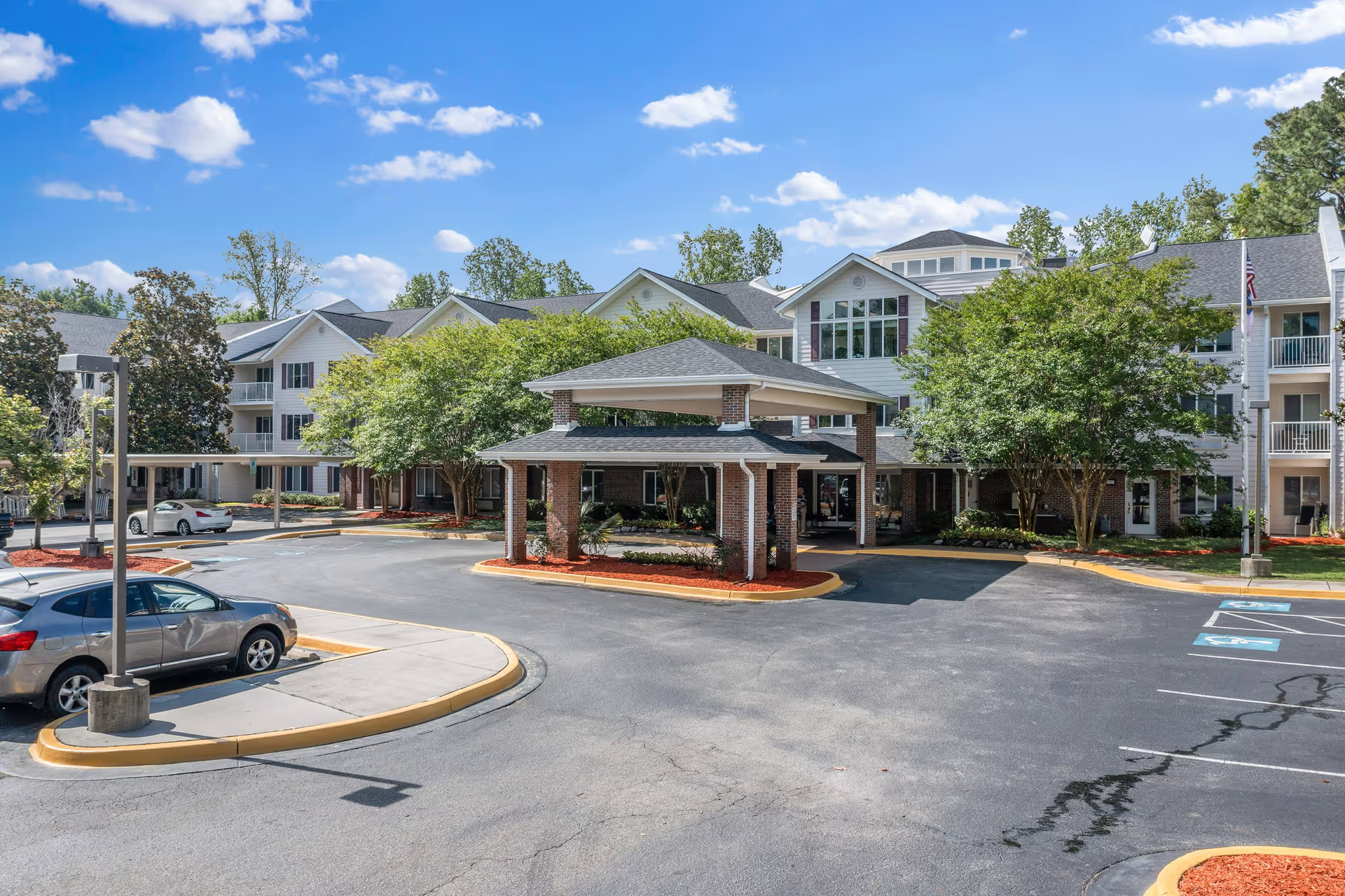
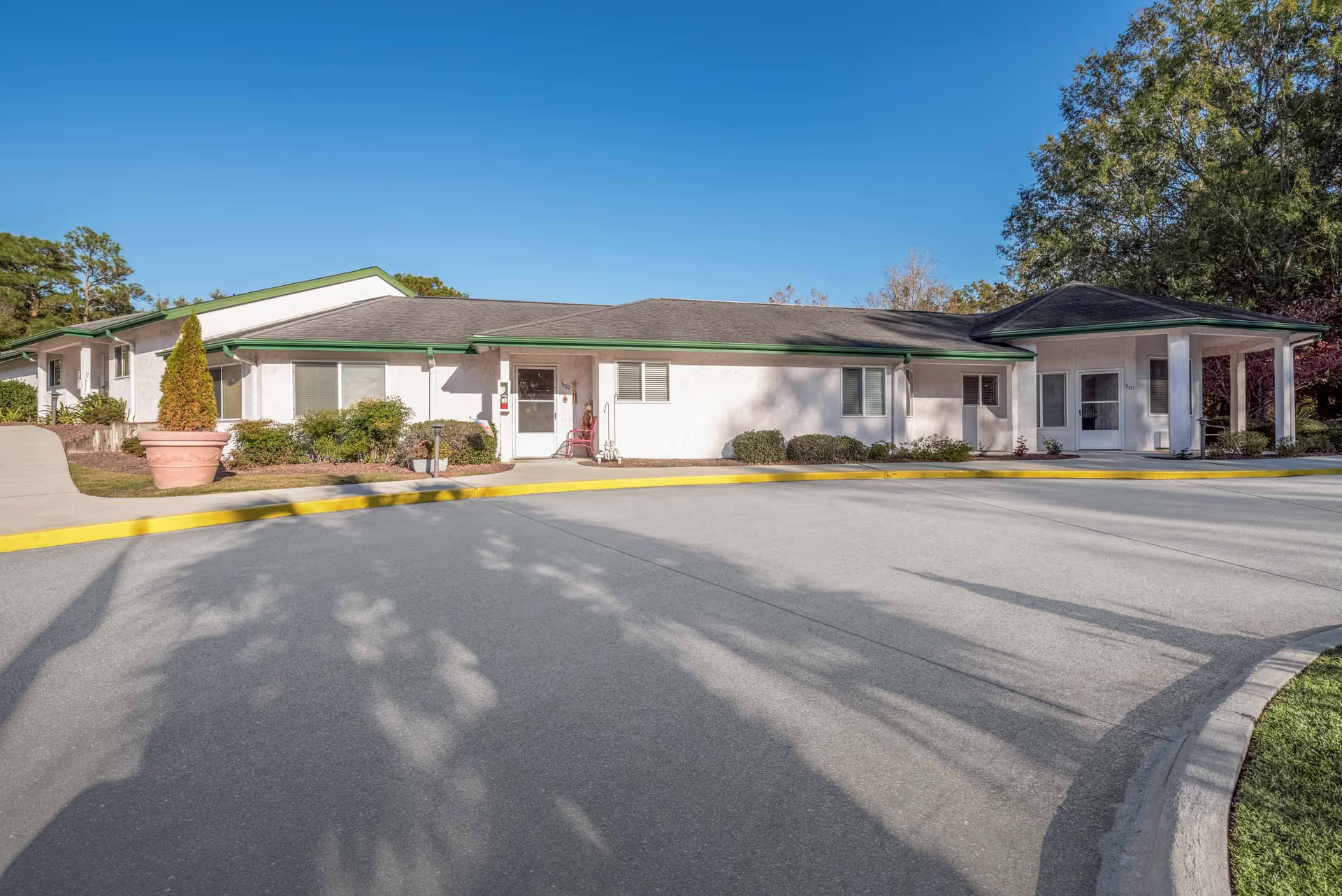
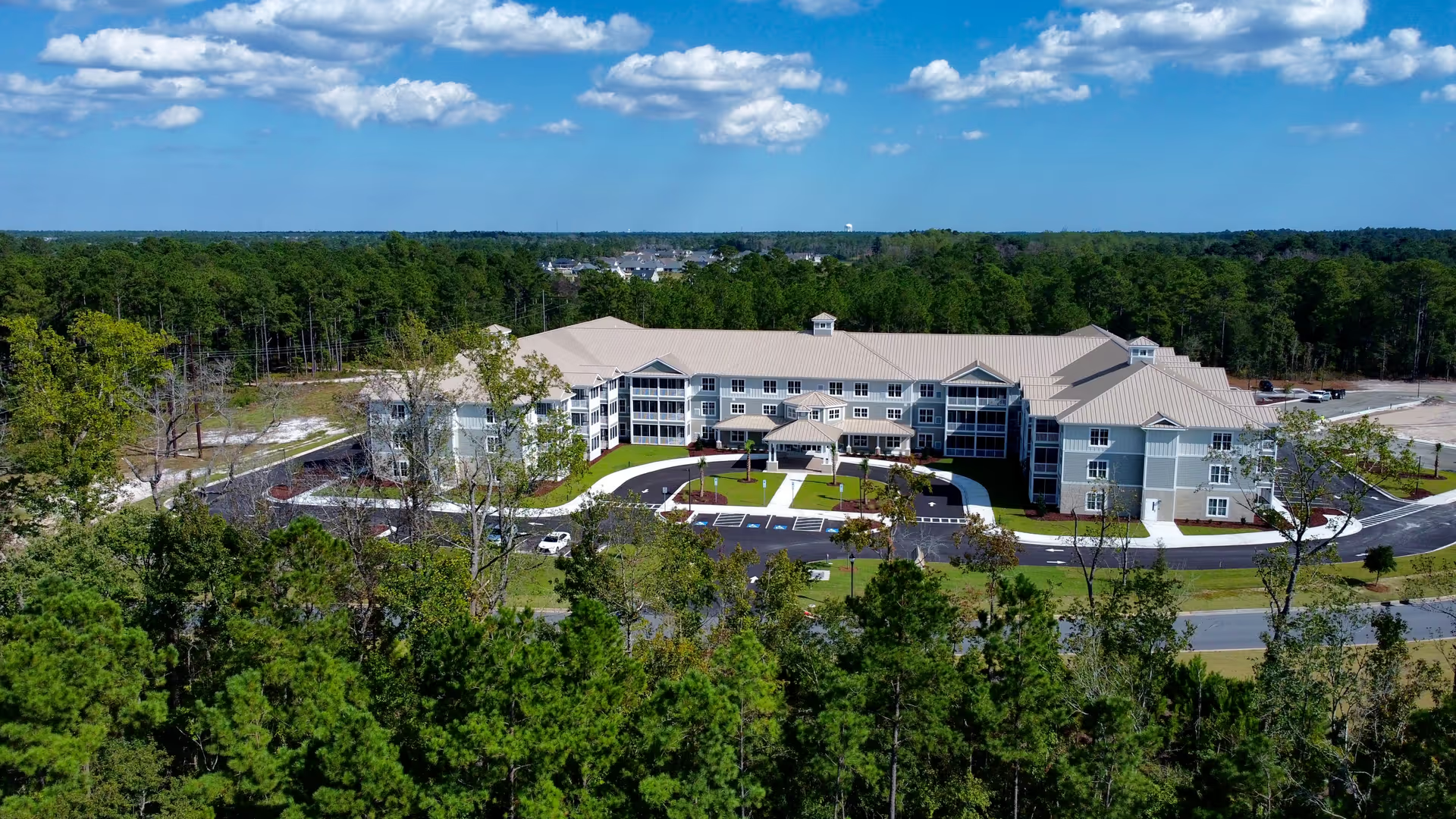
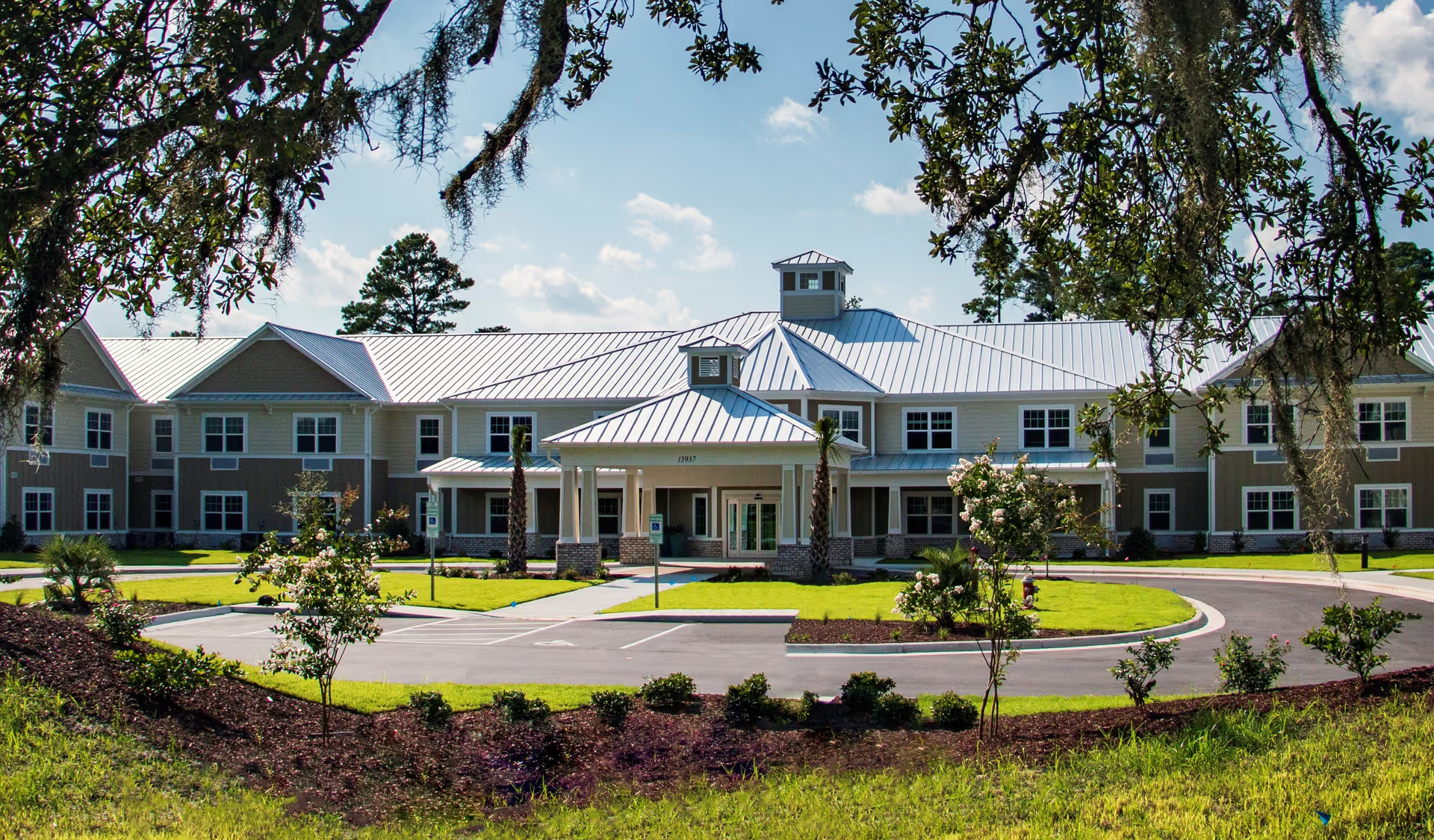
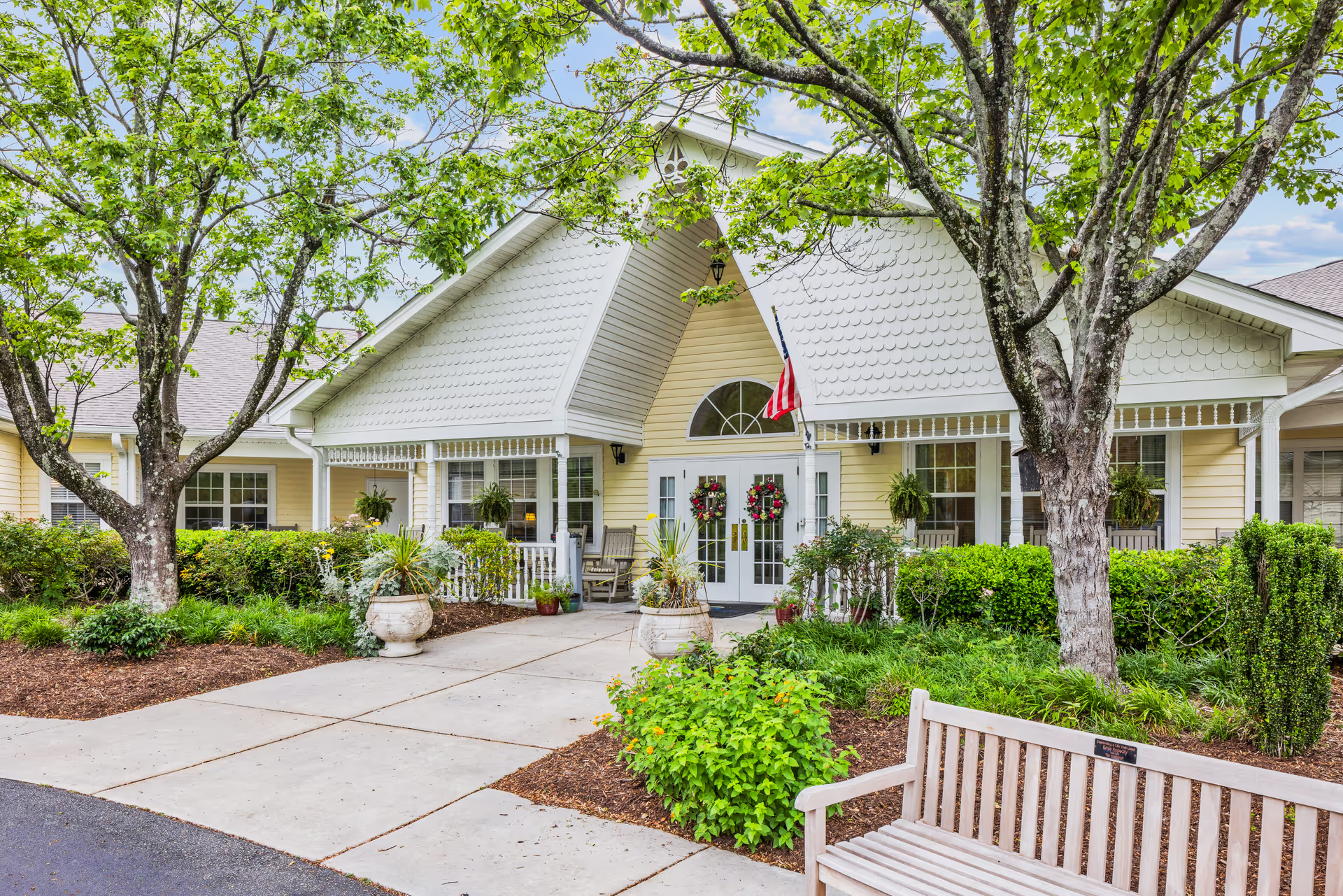
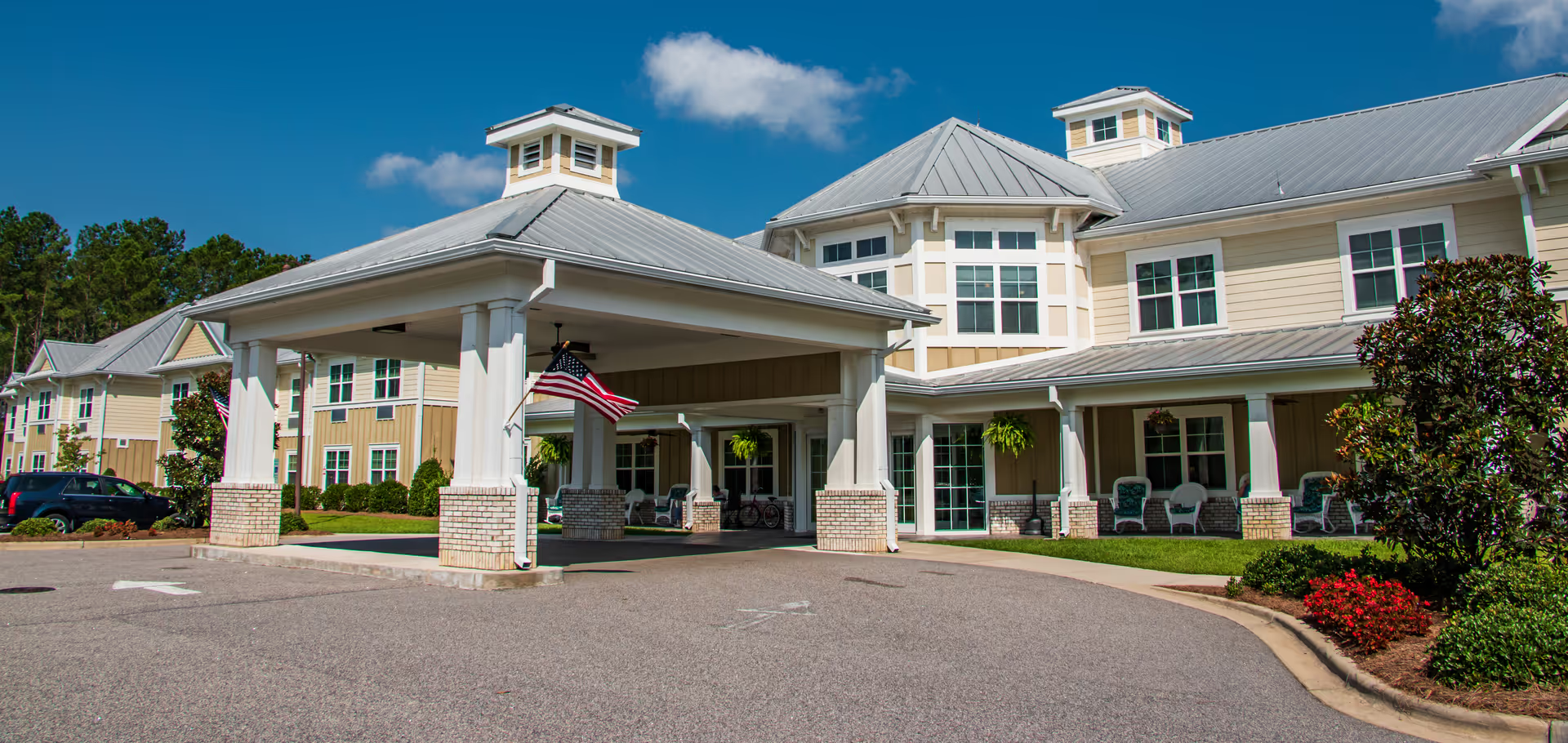
Facilities and environment: The property is frequently described as well laid out, attractive, and well maintained: clean halls and grounds, spacious rooms, accessible apartments, pleasant landscaping and water features, and resort-like common areas. On-site therapy services and aging-in-place design are notable amenities. That said, reviewers also describe isolated cleanliness and maintenance inconsistencies in some rooms or areas and instances of inadequate marking of hazards. Ask about housekeeping schedules, sanitation protocols, and preventive maintenance routines during a tour.
Management and operations: Families appreciate responsive communication channels and direct lines to staff or leadership in many cases. Positive outcomes are often tied to identified staff members and leadership stability. Conversely, several reviews point to administrative turnover, variable responsiveness, incomplete clinical logs/documentation, and limited monitoring systems (for example, lack of cameras), which can undermine transparency and continuity. There are also references to a transportation-safety incident and to constraints in caring for very high-acuity or mobility-dependent residents; these indicate the importance of clarifying the community’s transport policies, driver training, and clinical scope of care.
Notable patterns and recommended questions: The overall pattern is one of a community with strong programming, engaged caregivers, and attractive physical resources, but with operational vulnerabilities that can affect day-to-day reliability. When evaluating this facility, families should observe multiple shifts if possible, review staffing ratios and turnover statistics, ask for evidence of dementia and higher-acuity training, request examples of documentation and incident-response protocols, inquire about transportation safety practices and insurance/Medicare acceptance, and tour dining and housekeeping operations. These inquiries will help determine whether the community’s strengths align with a prospective resident’s clinical and safety needs.