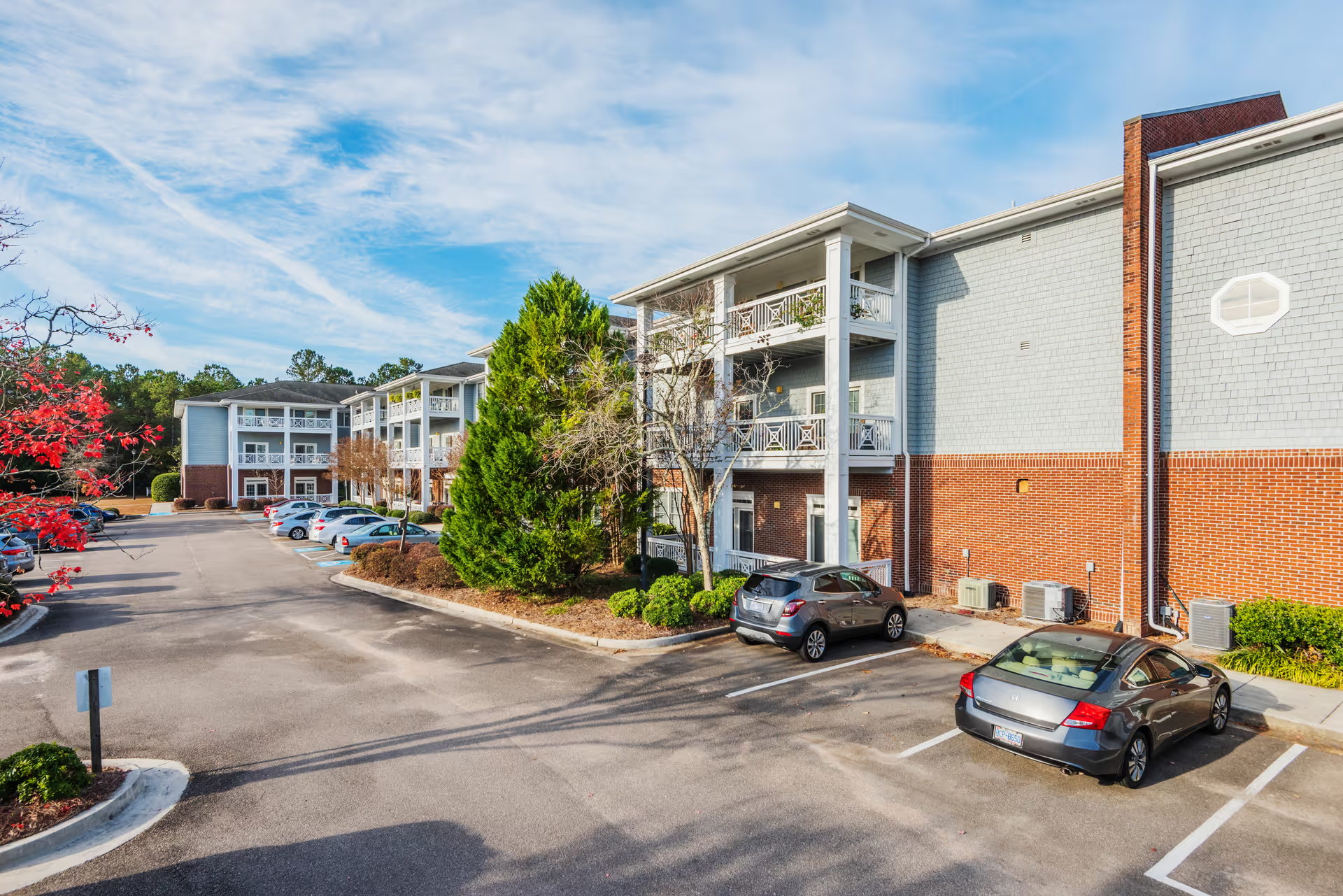
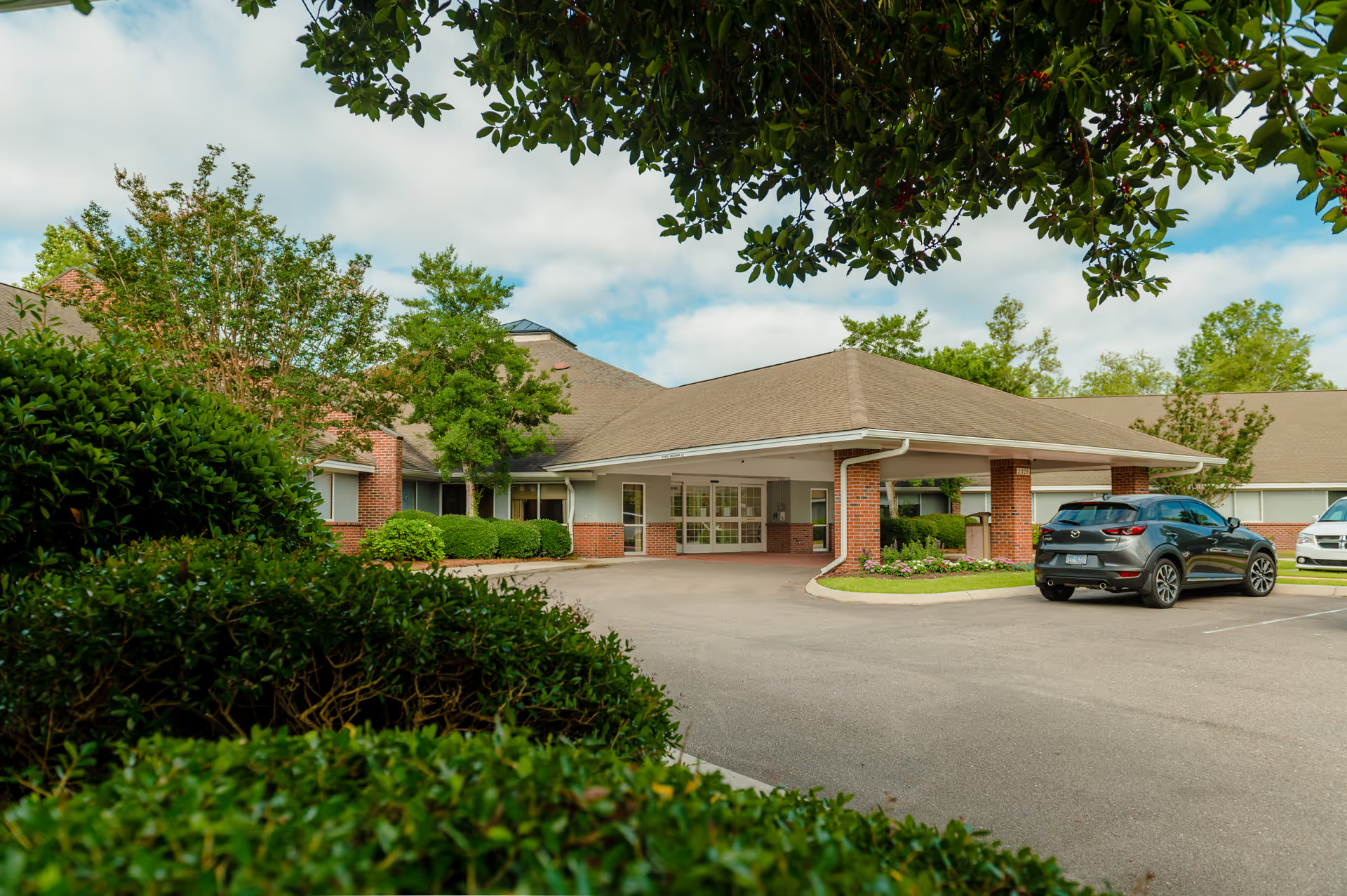
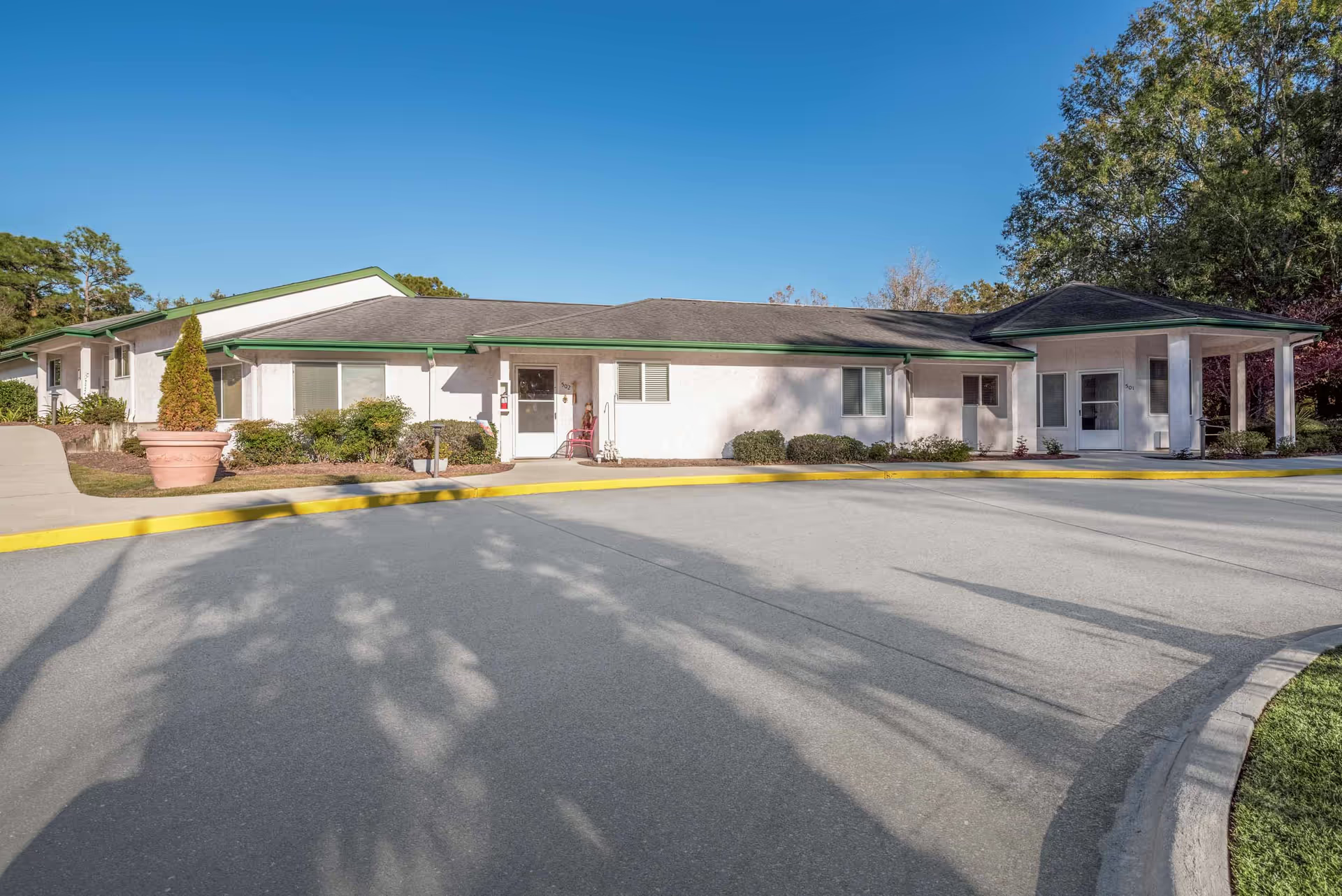
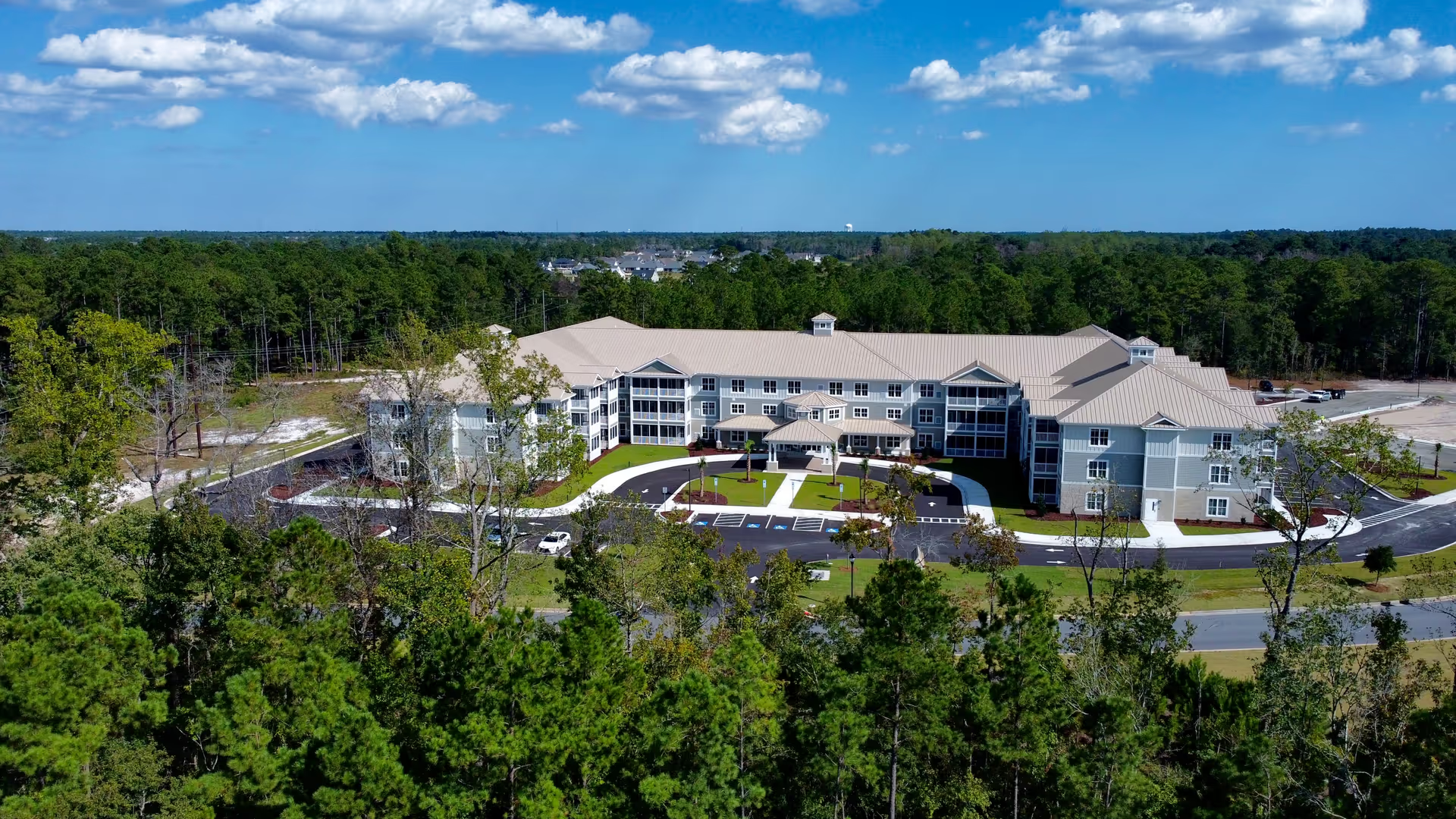
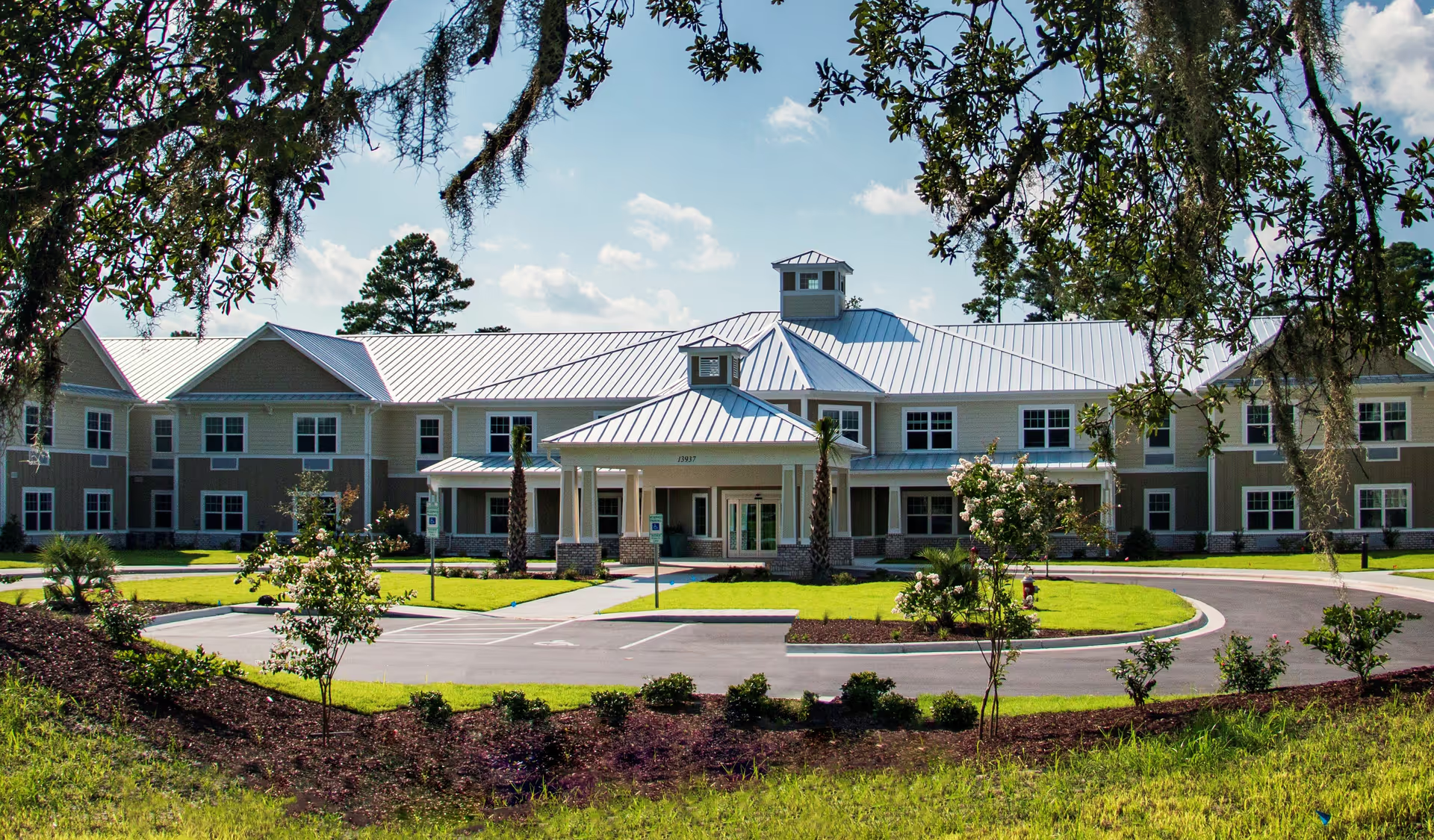
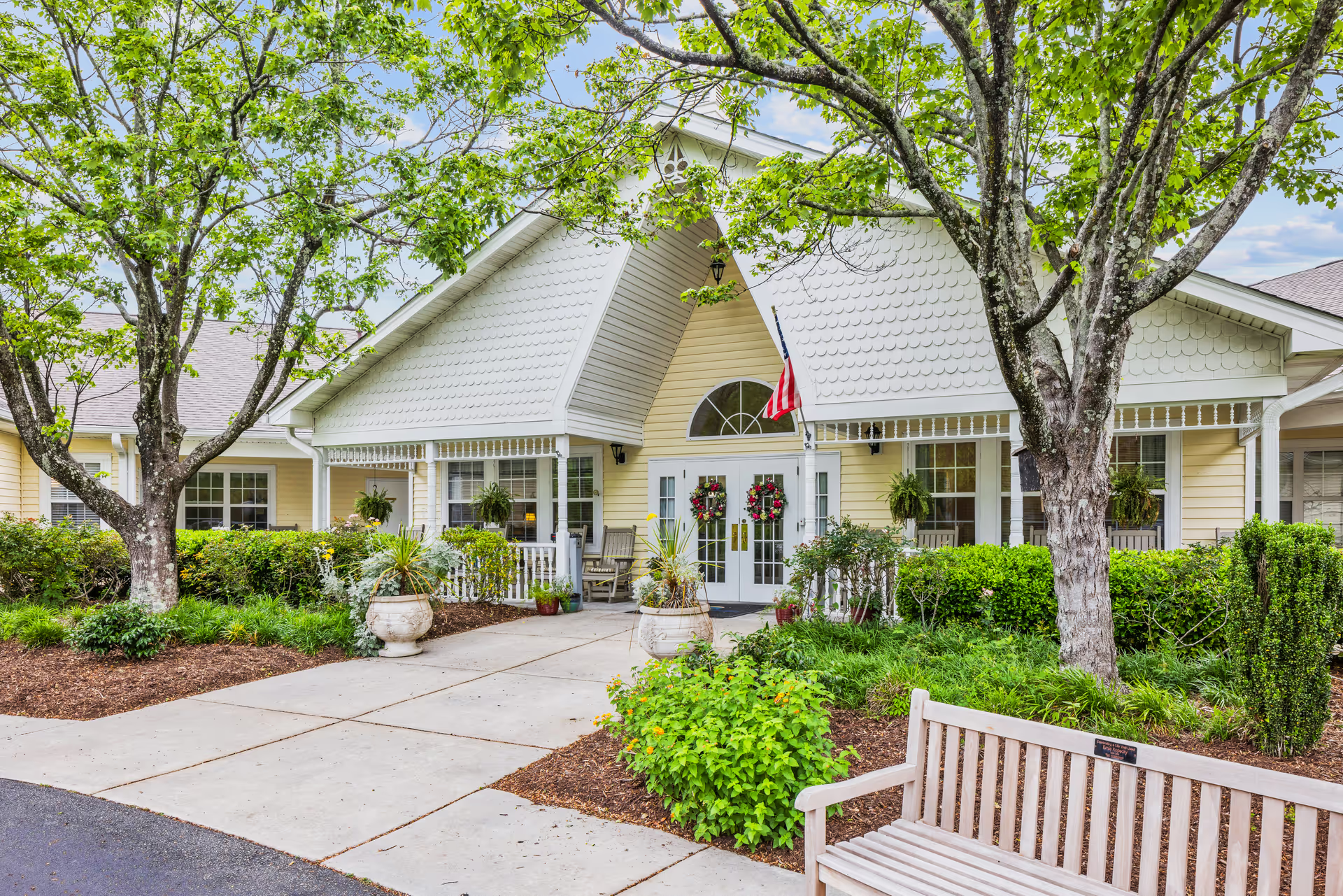
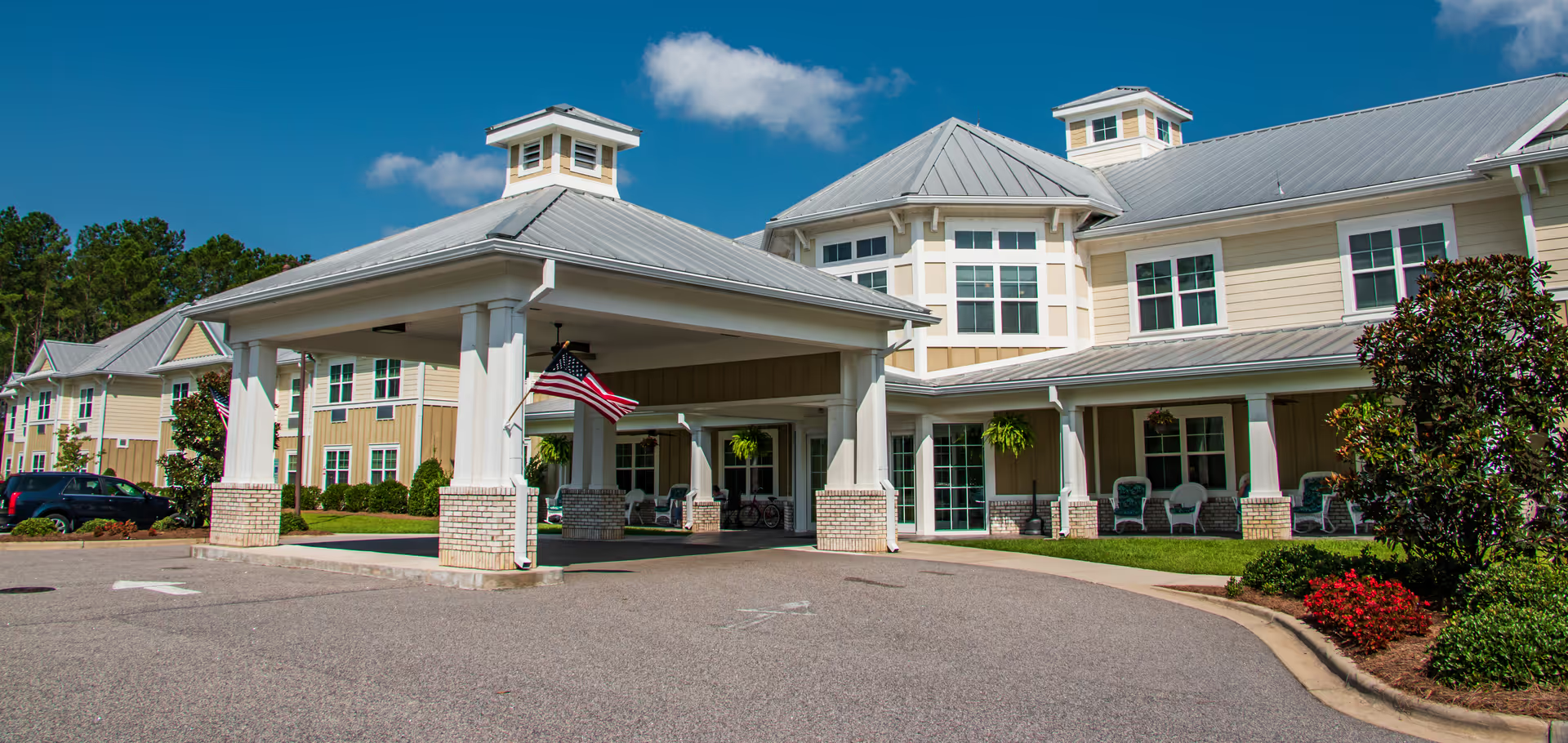
The Woods at Holly Tree presents as a well‑appointed, hospitality‑oriented senior living community with a strong emphasis on social engagement and an extensive amenity set. Reviewers repeatedly highlight the facility’s modern, bright interiors, landscaped grounds with pond and walking paths, and hotel‑like common spaces. Apartments are offered in a range of sizes (studios through two‑bedrooms) with private outdoor space in many units. The community atmosphere is commonly described as welcoming and social; residents are frequently seen participating in activities, music events, and shared meals.
Staff and care are one of the facility’s most consistently cited strengths. Families describe staff as compassionate, attentive, and familiar with residents by name; admissions and benefit‑assistance processes (including VA paperwork help) are often noted as supportive. On‑site services such as rehabilitation/physical therapy and routine housekeeping are part of the community offering. At the same time, several accounts point to variability in staffing levels and turnover that can affect activity programming and service continuity.
Dining and meals form a mixed picture. The community promotes restaurant‑style dining with chef‑prepared meals and a pleasant dining ambiance; many visitors praised specific meals, presentation, and the social value of shared dining. However, there are recurring comments about inconsistency in food quality, limited menu variety at times, portion variability, and occasional dining logistics problems such as long waits or inconvenient meal timing. These patterns suggest a generally positive dining model but one that has experienced uneven execution.
Activities and resident life are strong features: an active calendar includes exercise classes, arts, bridge, bingo, live music, outings to local shops and theatres, and community gardening. The facility’s compact scale and congregate spaces encourage social interaction, and transportation to appointments and shopping is a commonly mentioned convenience. COVID‑era restrictions temporarily reduced programming for some residents, and families note that recovery of pre‑pandemic activity levels has been gradual in places.
Facility operations show both strengths and areas for improvement. The property’s physical plant—wide hallways, handrails, bright corridors—is generally seen as supportive of mobility, but there are operational accessibility issues in specific areas (thick carpeting, curbs, limited elevator capacity, and stair access) that can impede wheelchair users or create trip hazards. Maintenance responsiveness is uneven in some reports, with repairs left incomplete or delayed. There are isolated but serious operational concerns including pest‑control issues, uneven third‑party housekeeping oversight, and documented inconsistencies in medication administration practices; these items point to gaps in quality control and oversight rather than a uniform pattern across the community.
Management and culture receive mixed but mostly positive feedback: many families commend proactive, friendly front‑line staff and managers who create a home‑like environment, while others describe inconsistent communication, higher turnover in some departments, and occasional confrontational or dismissive interactions. Prospective residents and families should prioritize an in‑person tour, observe meal service, ask about recent staffing stability, pest‑control protocols, maintenance response timelines, and medication administration procedures. Overall, the community offers substantial social and physical amenities with a strong staff‑resident rapport, but prospective residents should verify operational consistency on dining, maintenance follow‑through, accessibility accommodations, and clinical coverage to ensure the community fits their care and lifestyle needs.