Overall impression: Reviews present a mixed but coherent picture. A substantial number of reviewers praise Bethany’s direct-care workforce, therapy teams, and community atmosphere: CNAs and therapists receive frequent, specific praise for compassionate interactions and effective rehabilitation outcomes. The facility’s therapy programs (PT/OT/ST) and rehab outcomes are repeatedly described as strong, and many families emphasize successful transitions home. Communal life is also a strength — active programming, volunteer engagement, religious services, and pet visits contribute to a sense of belonging for many residents.
Care and clinical oversight: Care quality descriptions vary by level. Many reviewers highlight attentive CNAs and strong rehabilitative care, along with coordinated hospice involvement in some cases. However, there are consistent concerns about RN-level clinical oversight, delays in responding to care requests and call lights, and episodic gaps in documentation and interdepartmental communication. A small number of accounts describe serious clinical incidents and concerns following a resident’s death; these appear to be isolated but significant and are described as prompting family distress and requests for improved clinical processes.
Staffing, conduct, and management: Staff warmth, individualized attention, and staff–resident familiarity are common positives. At the same time, reviewers also describe variable staff conduct, instances of apathy or argumentative interactions, and periodic weekend or shift-based understaffing. Several comments point to management turnover, inconsistent leadership communication, and difficulties with follow-up on family concerns. Billing and fee transparency is another recurring operational issue: families noted unexpected charges and unclear explanations for private-room or extra-service fees.
Dining and activities: Dining receives generally favorable remarks for quality and presentation, and many reviewers appreciate meal variety and fresh options. That said, there are noted limitations in menu variety for therapeutic or restricted diets (for example, diabetic meal options), and some reviewers wanted more choices at certain meals. Activity programming is a clear strength overall — residents report a wide variety of social events, outings, music, and volunteer-led activities, with specific praise for animal-assisted visits and chapel services. A few reviewers asked for more male-centered or varied musical programming and additional volunteers to support chapel transfers.
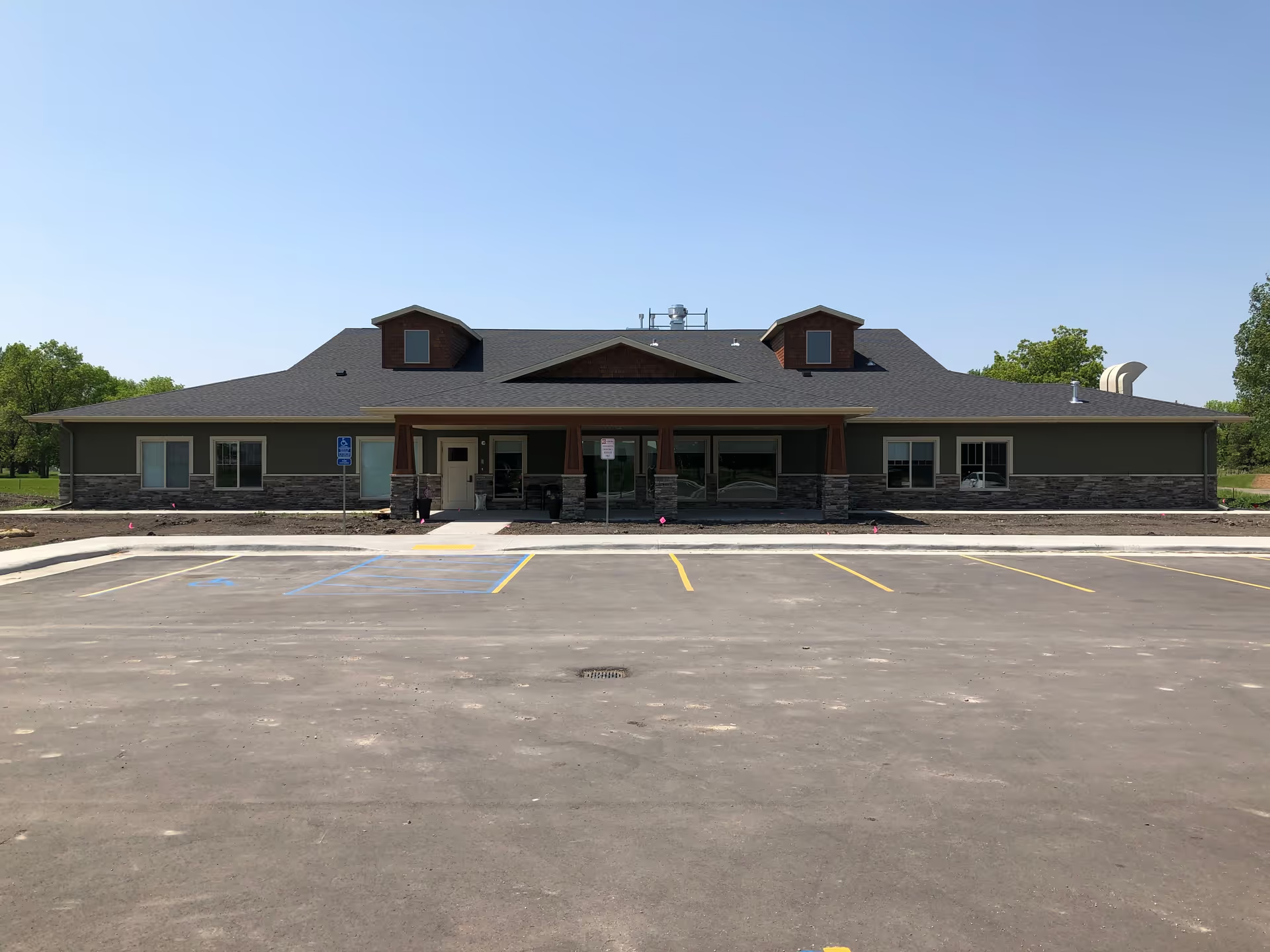
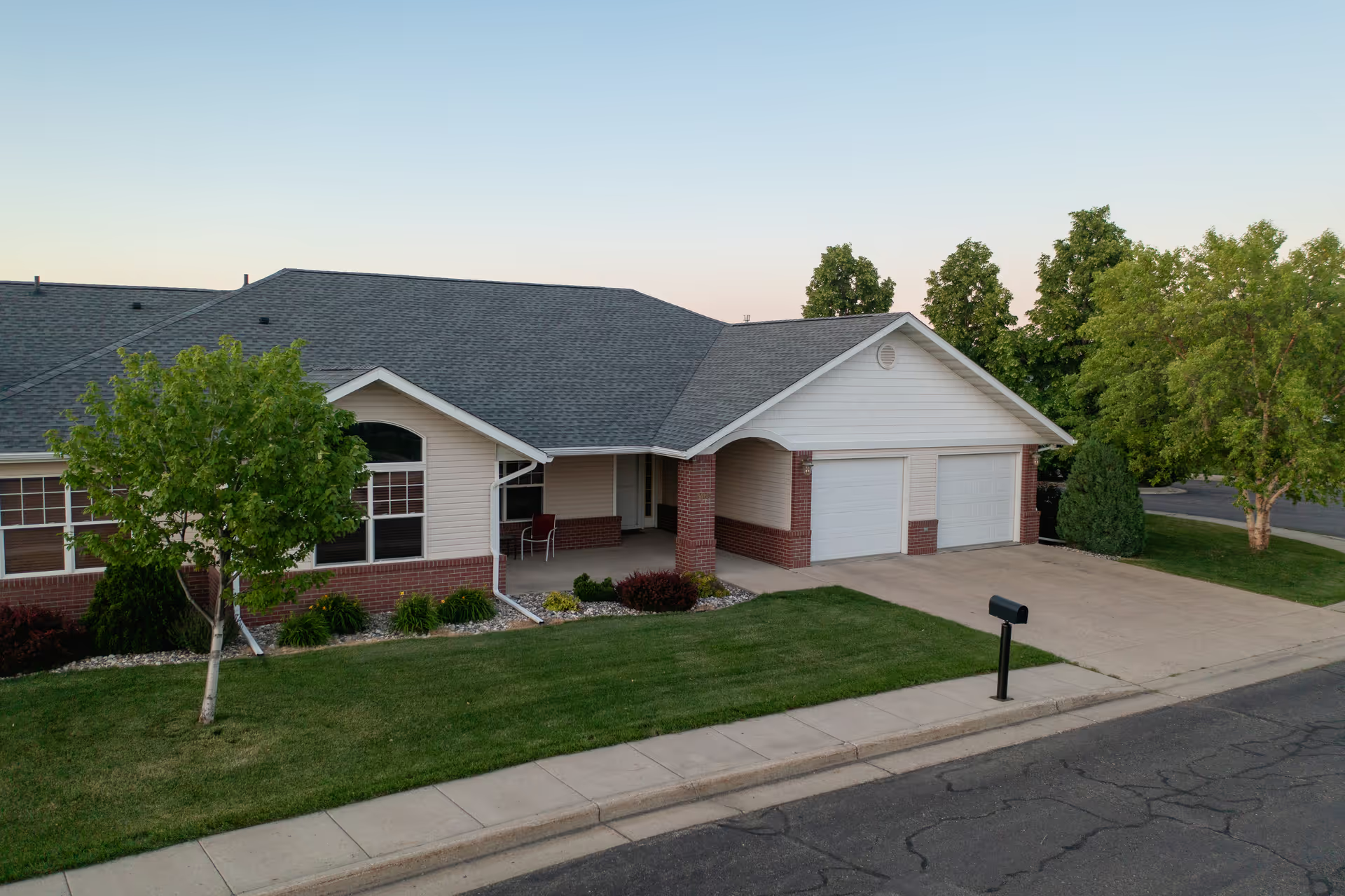
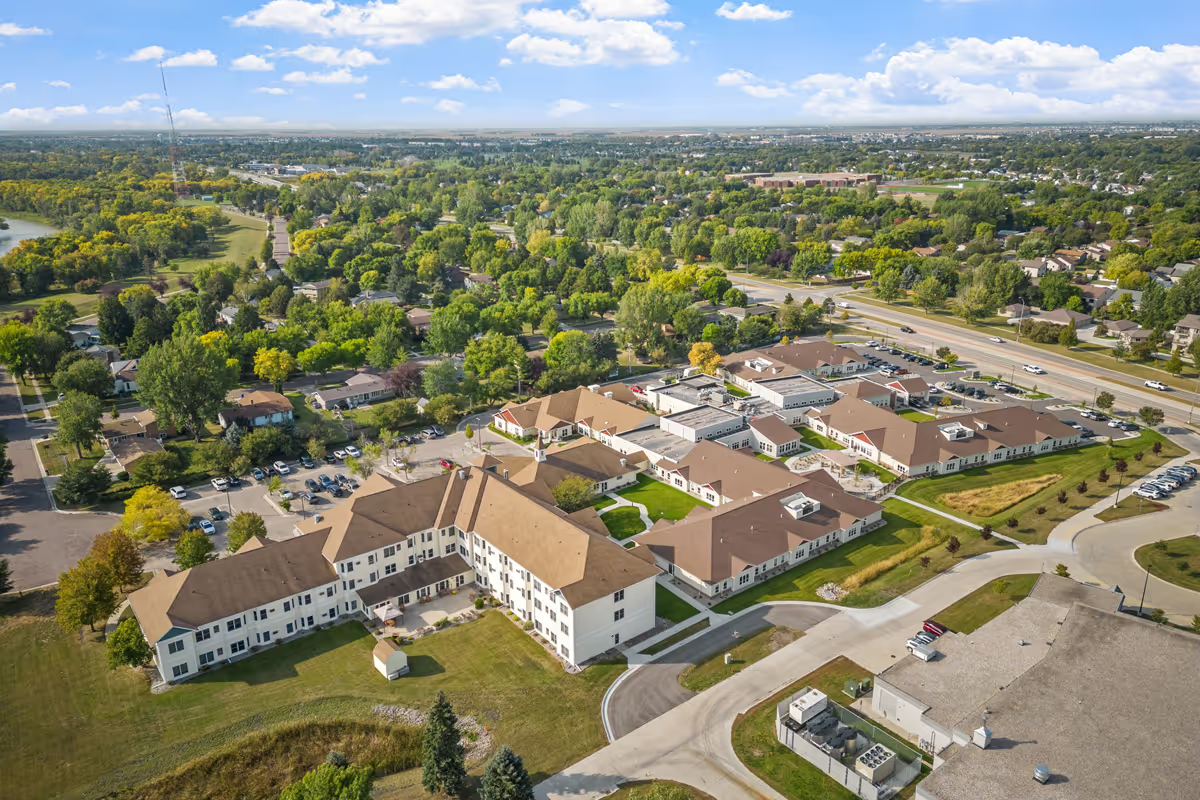
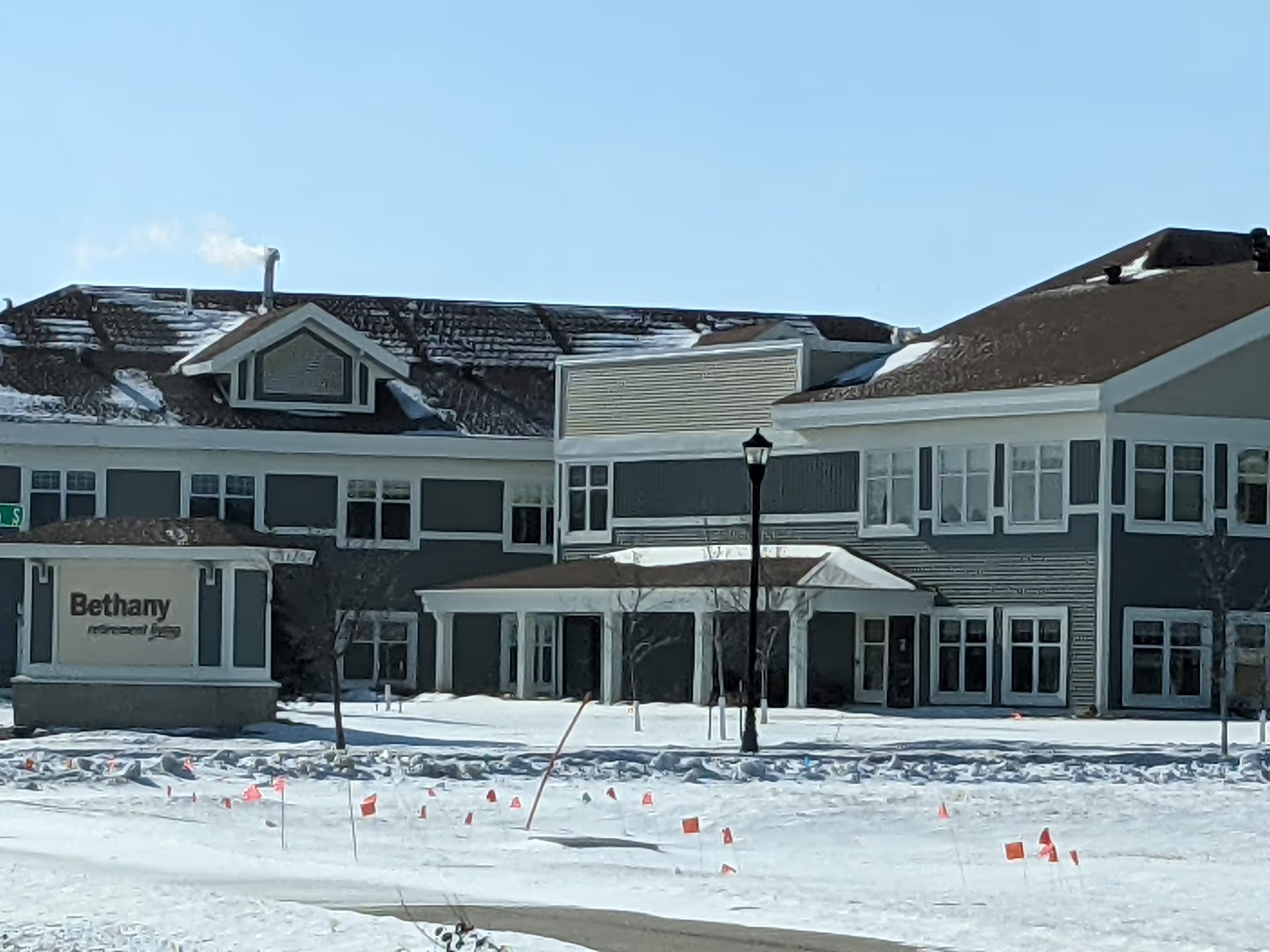
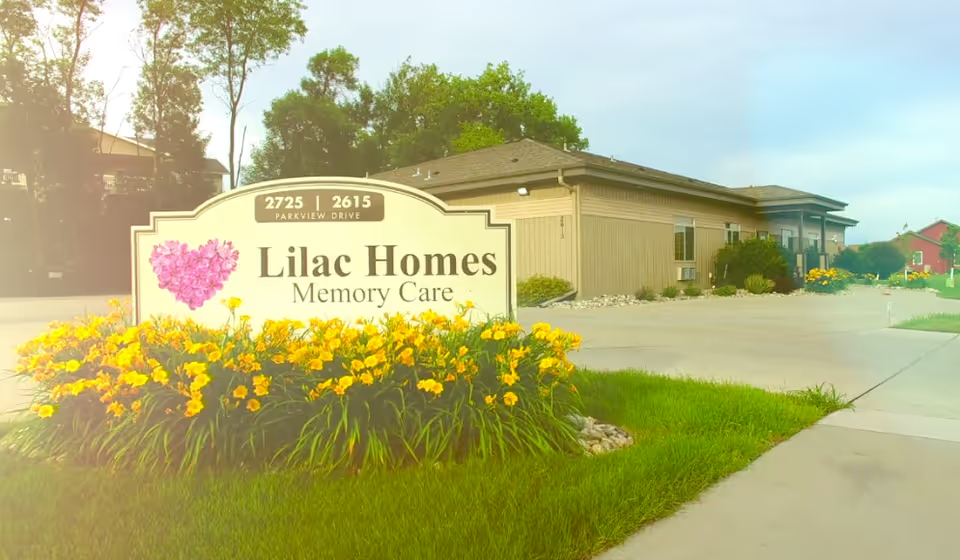
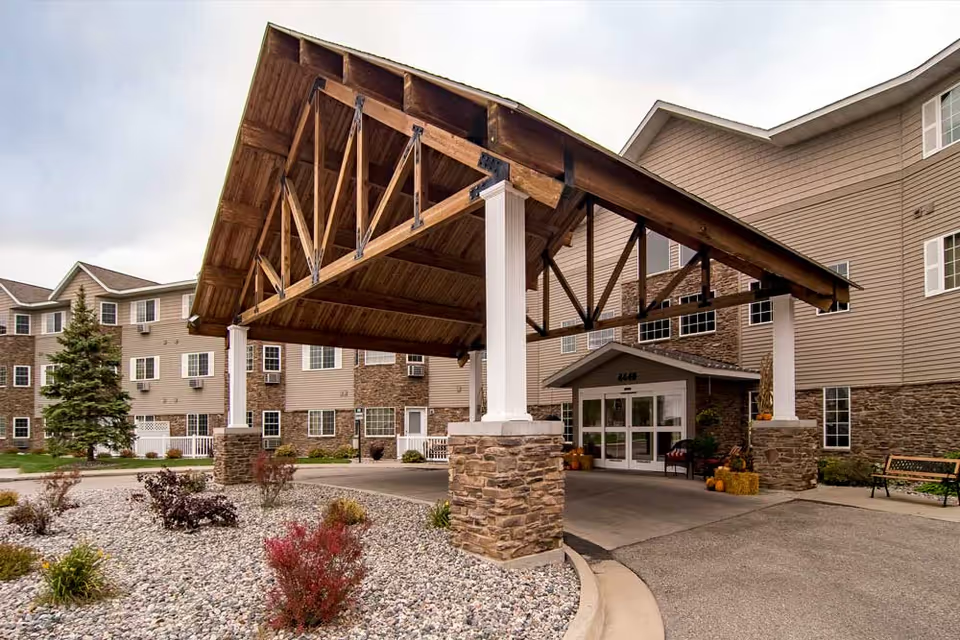
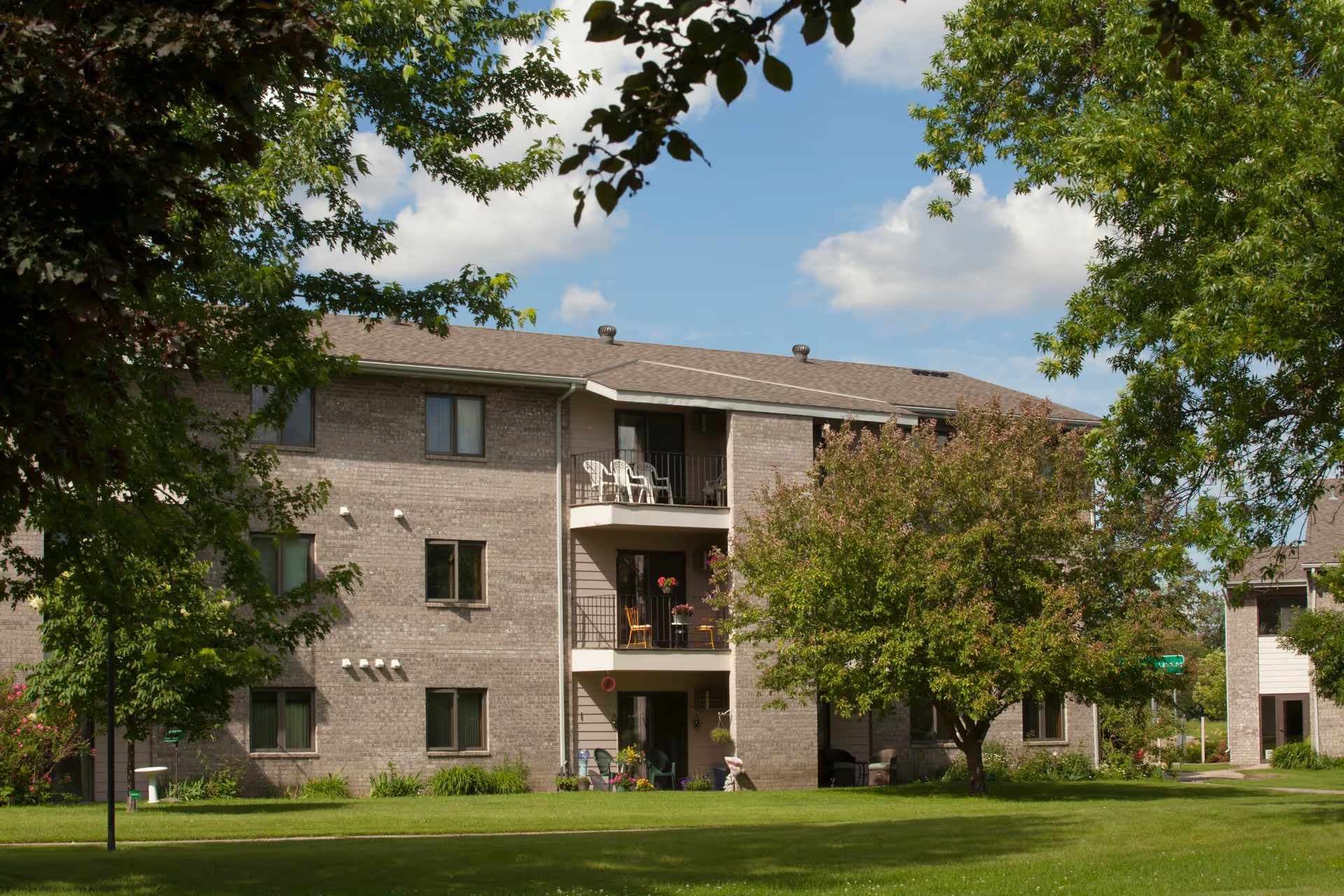
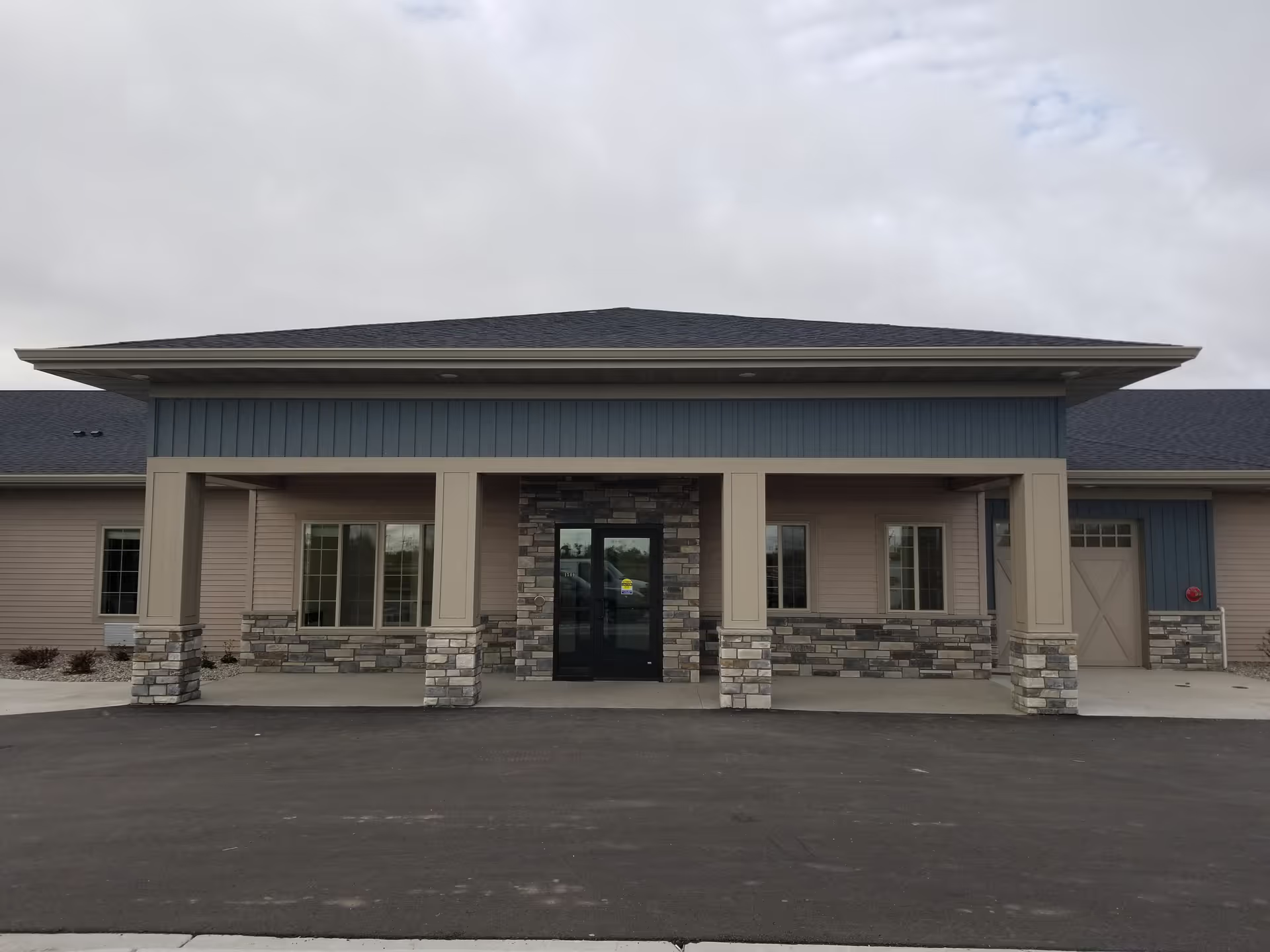
Facilities and environment: Many parts of the campus are described as clean, well-maintained, and apartment-like, with well-equipped kitchenettes and comfortable common spaces. Conversely, some units and rooms are characterized as dated or in need of renovation, and a few reviewers raised climate-control concerns in the memory-care area. Accessibility and room size vary across the campus, and families should expect variation between newer and older wings.
Patterns and decision points for families: Strengths are concentrated around direct-care staff, therapy/rehabilitation effectiveness, community programming, and overall hospitality. Operational weaknesses center on clinical oversight at the RN level, responsiveness to in-room care needs, documentation and communication gaps, billing transparency, and inconsistent management stability. Prospective residents and families should weigh the facility’s strong rehabilitative services, engaging activities, and supportive aides against the need for careful discussion up front about clinical staffing ratios, how the facility handles escalation of medical concerns, expectations for personal-care schedules, therapeutic-diet availability, and a clear, written explanation of fees and private-room policies. Visiting the specific unit of interest, meeting the RN leadership, and reviewing admission/billing documents can help clarify how well a particular wing or unit aligns with an individual’s care needs.