Overall impression: Reviews portray a largely positive picture of the facility's physical environment and day-to-day care, with frequent praise for cleanliness, updated construction, and a warm, home-like atmosphere. Memory-care areas are described as secure and modern. Many families highlighted welcoming staff, private rooms with en-suite bathrooms, and a range of indoor and outdoor spaces that support resident comfort.
Care and staff: Staff behavior is consistently described as kind, attentive, and accommodating; reviewers specifically praised responsive caregiving and strong end-of-life support, including the ability for family rooming-in. Those experiences indicate a staff culture oriented toward personal attention. However, there are also comments pointing to concerns about how management communicates with families and handles access or complaints; these characterize potential gaps in transparency and grievance handling rather than clinical-care technique.
Dining and kitchen: Dining is a clear strength in many accounts. The facility offers family-style dining, a varied menu, a large, clean kitchen, and flexible meal schedules that many families found convenient. The dining spaces are described as spacious and well laid out, supporting communal meals and visitor access for many households.
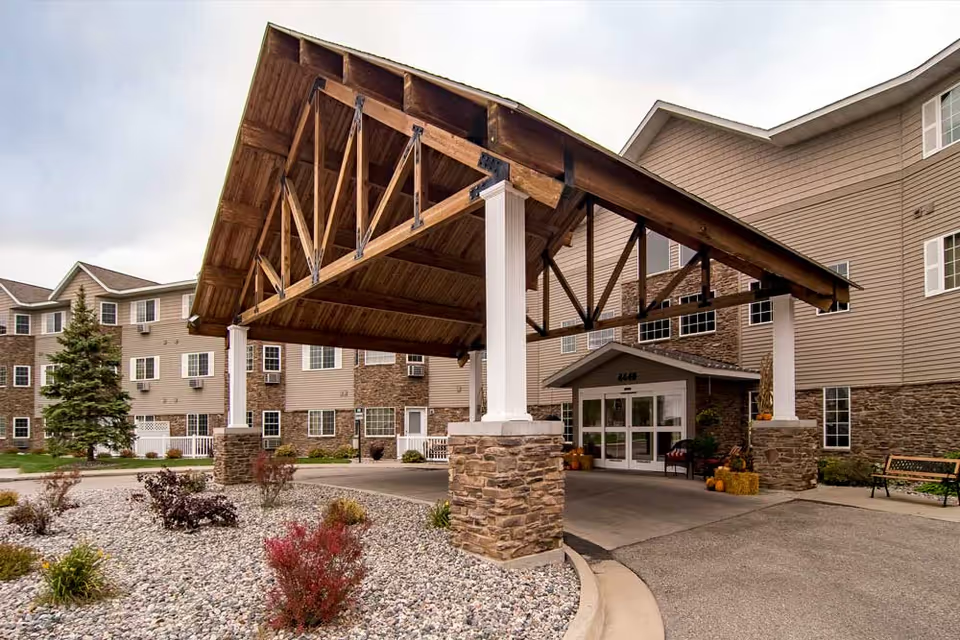
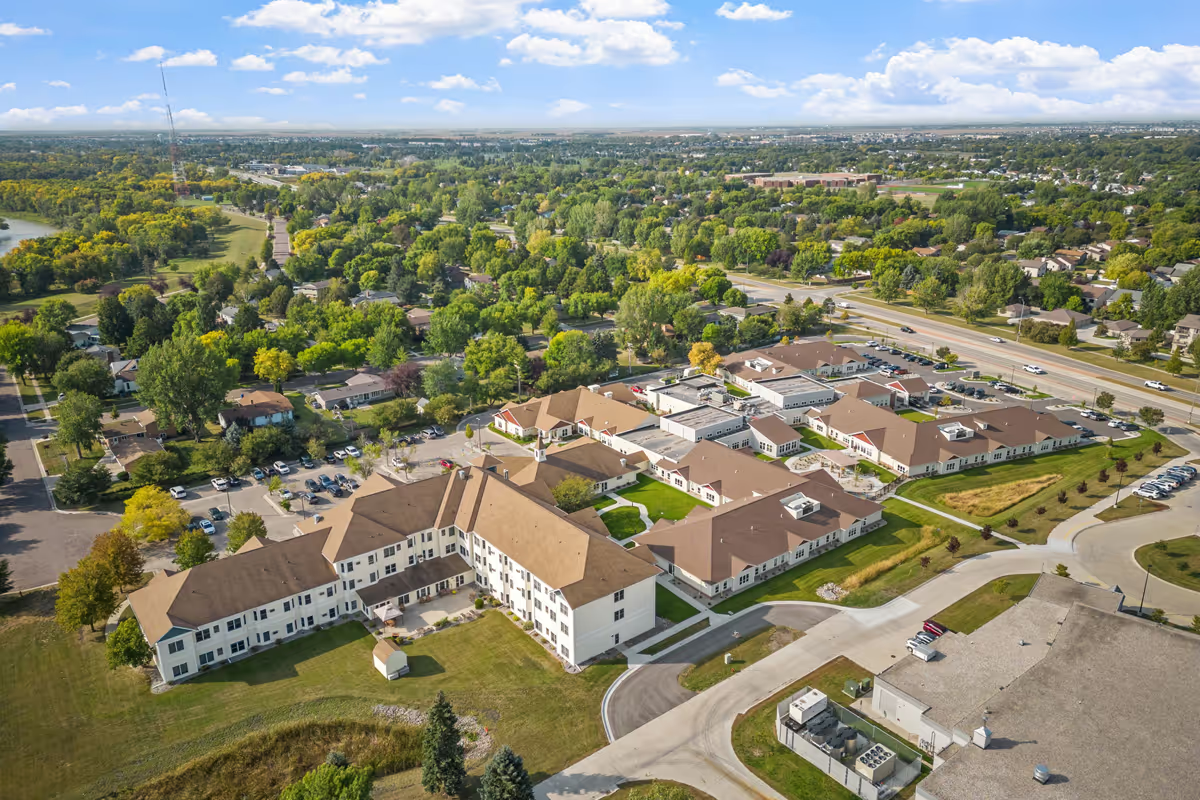
Activities and amenities: The program of activities is broad and social — card games, puzzles, group games, and occasional outdoor barbecues are all mentioned. The physical campus includes multiple gathering areas, gardens, screened porches, on-site pets, accessible entry features, and leisure amenities such as a hot tub in some units. These features support varied engagement opportunities and a domestic ambiance for residents.
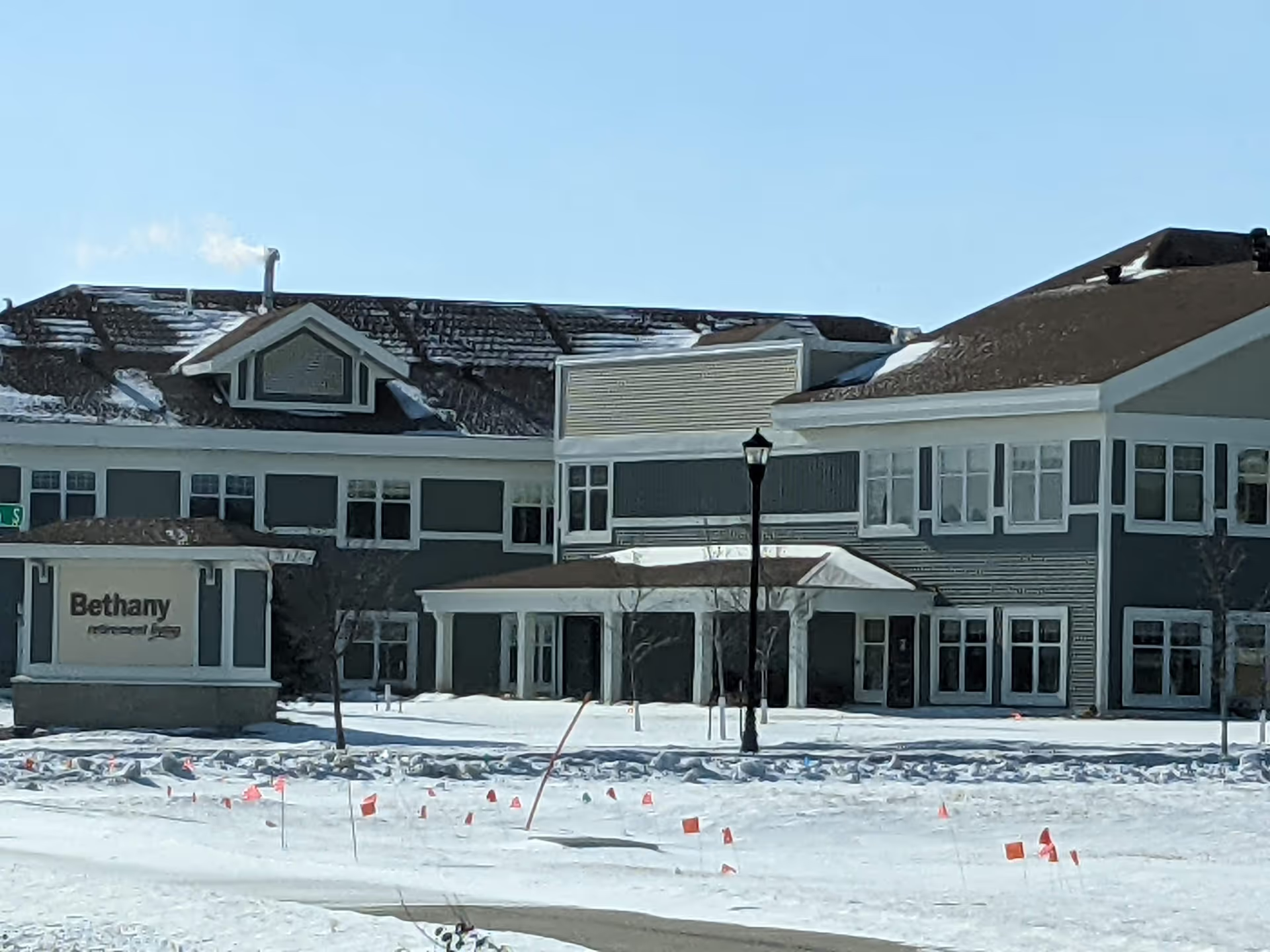
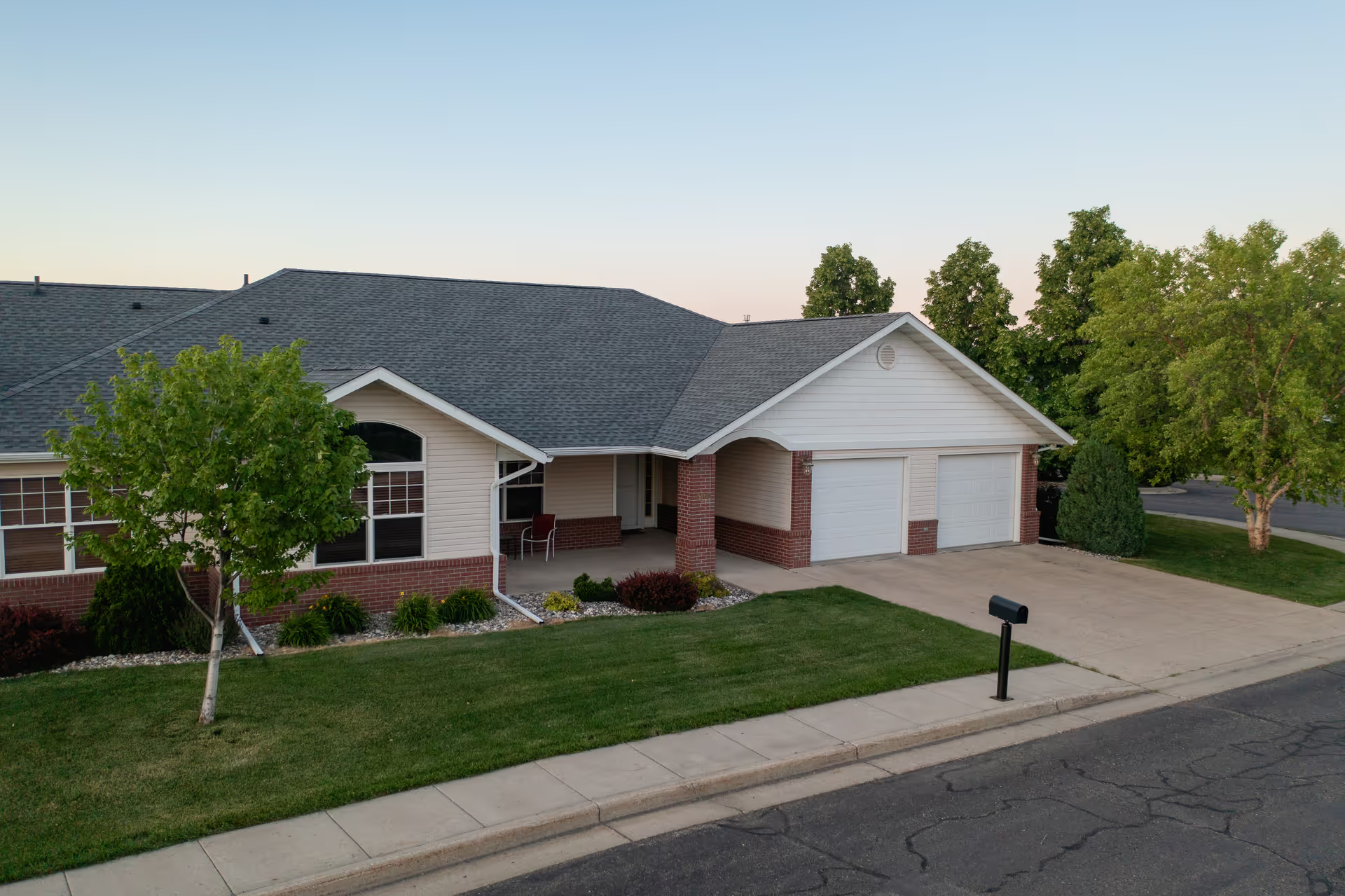
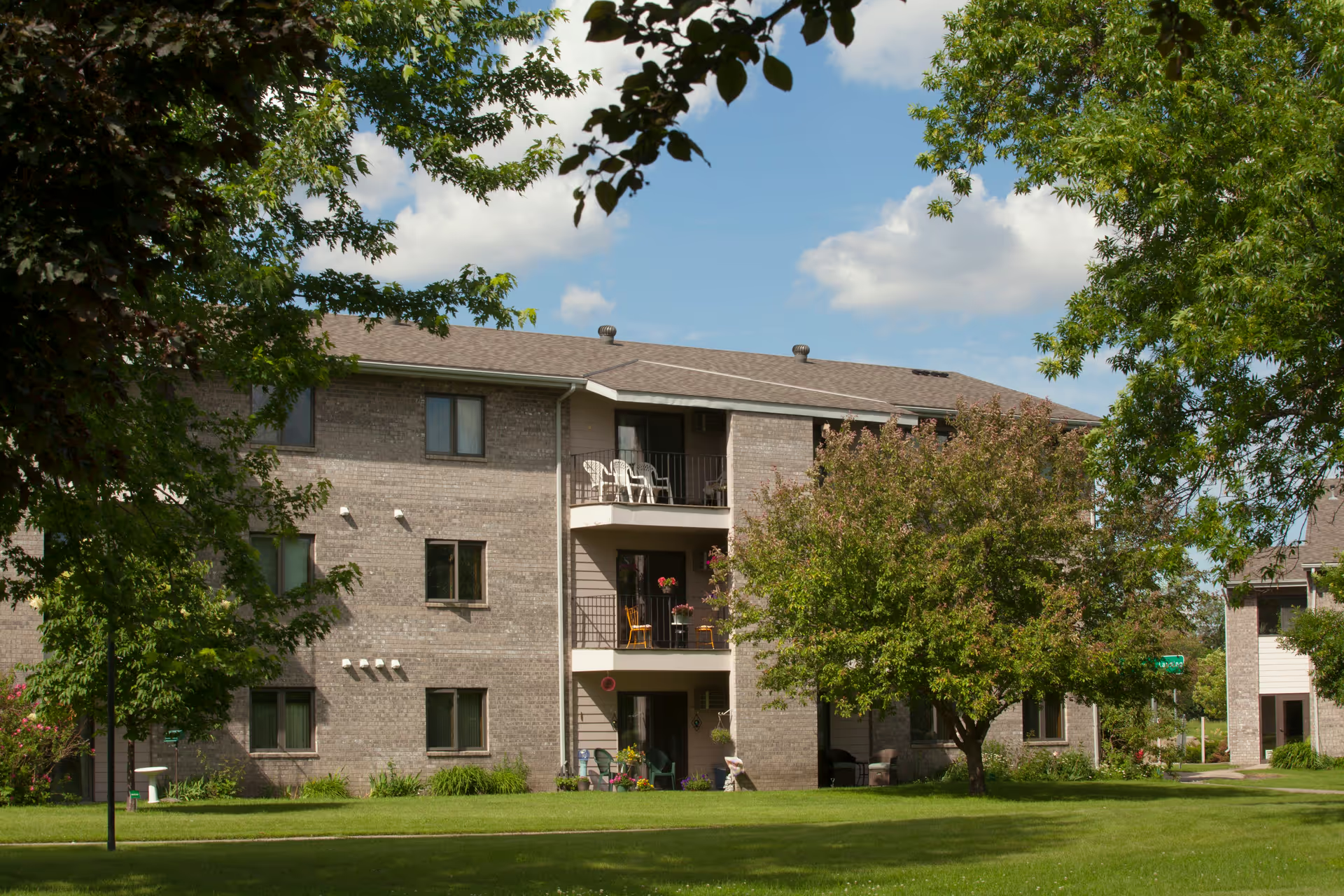
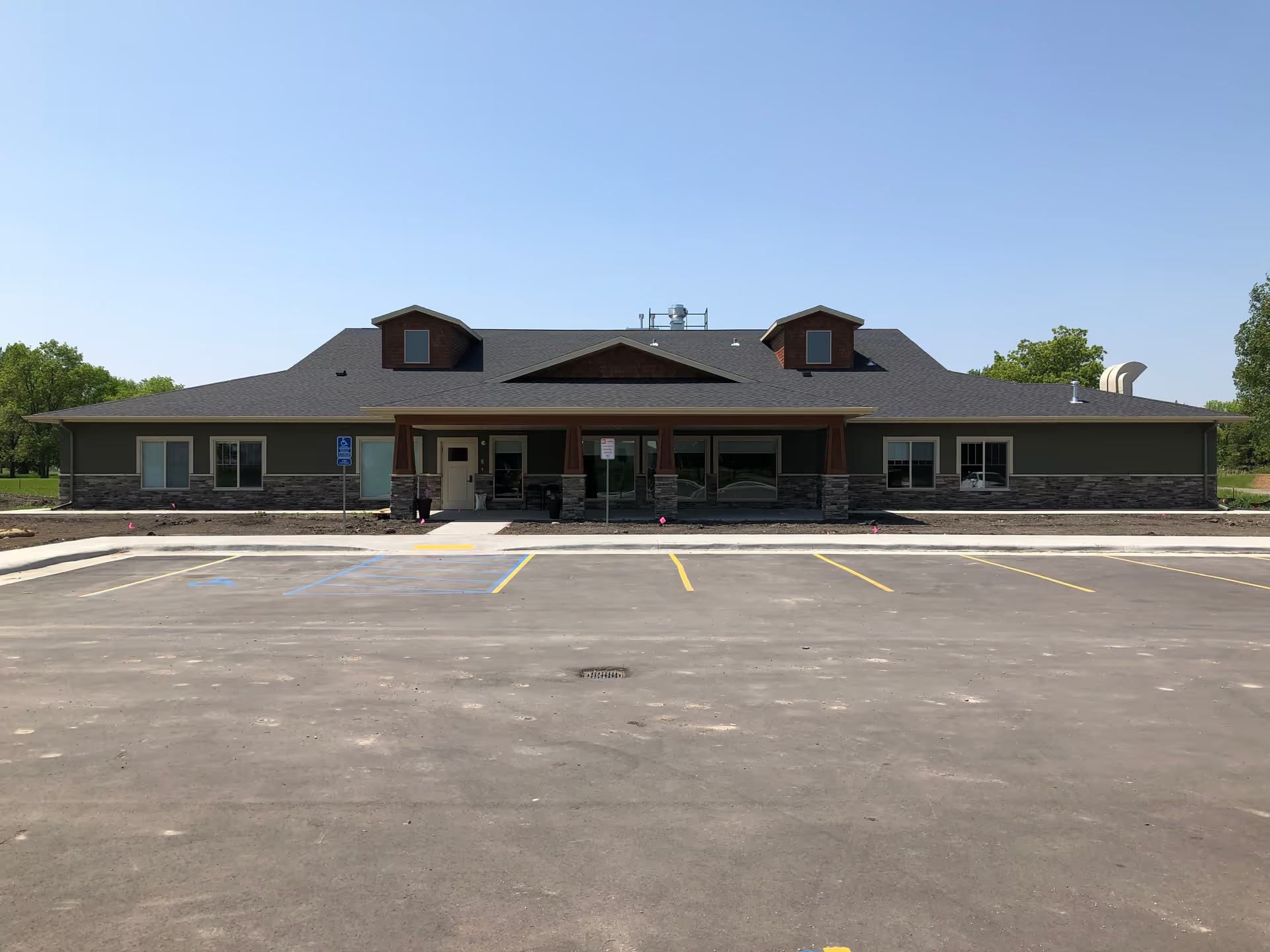
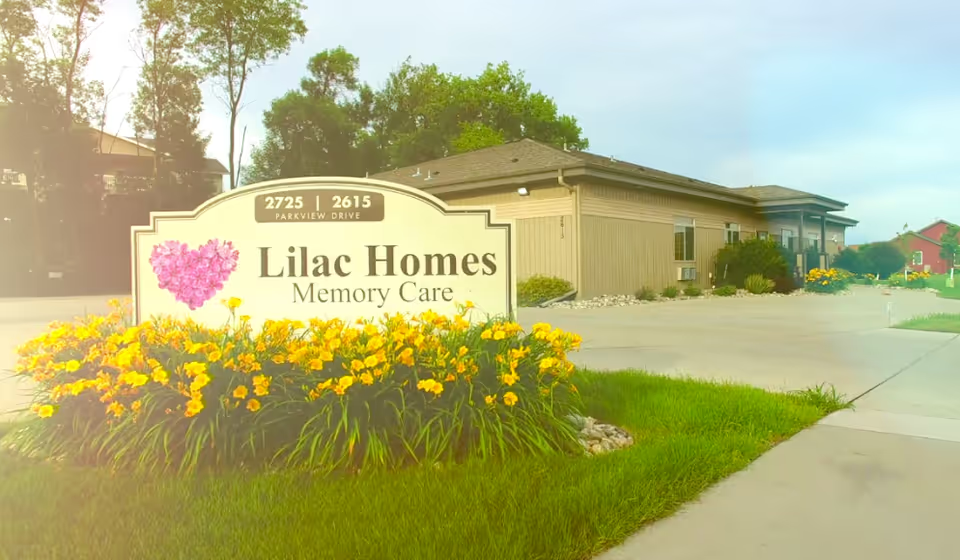
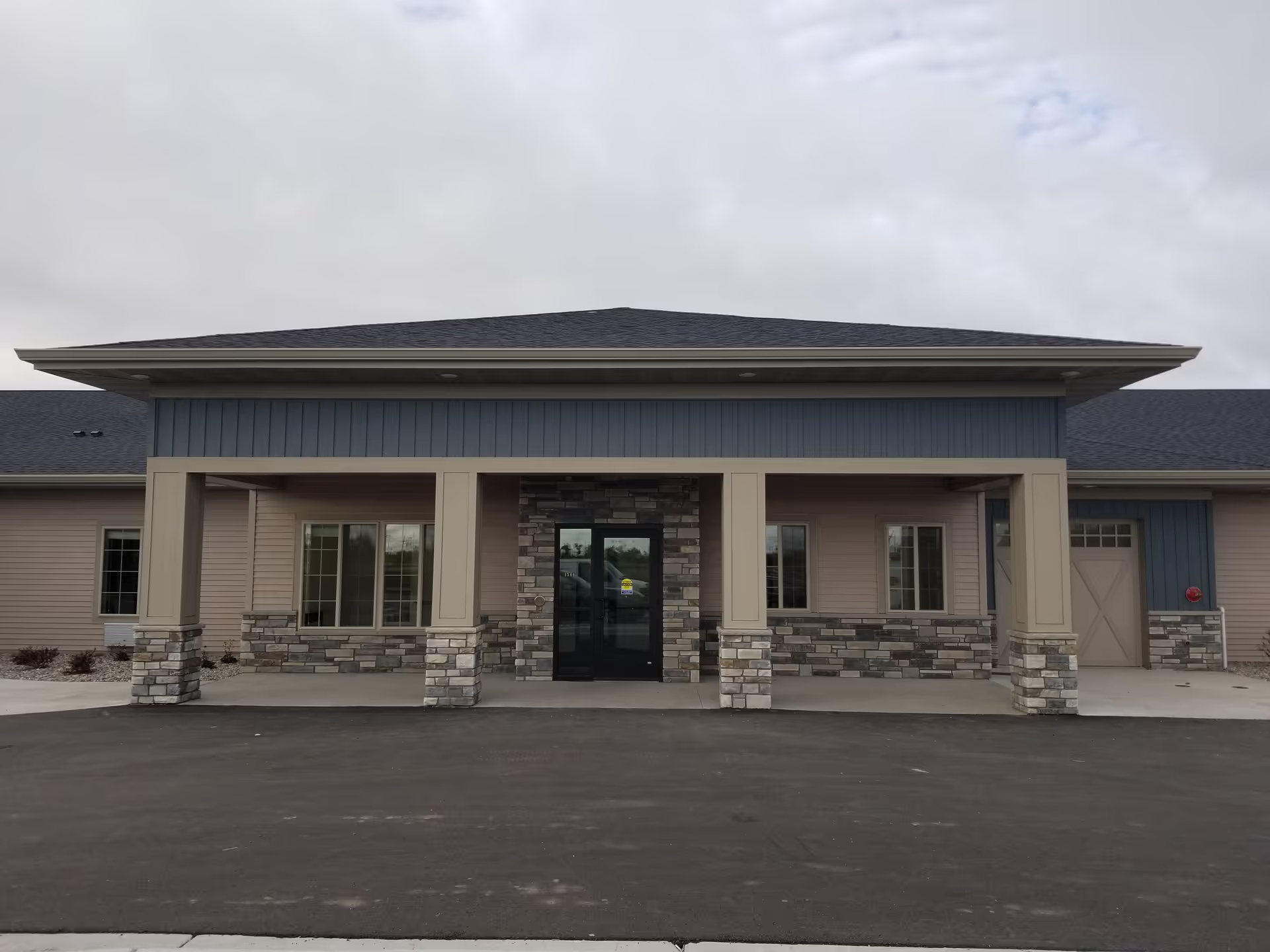
Facilities and household model: The building is repeatedly described as new, clean, and well maintained. The family-style or communal household model is presented as a deliberate design choice: it produces a home-like environment appreciated by many families, but it can also limit privacy and may feel smaller or more insular for other residents. Several reviewers noted that smaller household sizes can reduce opportunities to build larger social networks, so household size is an important fit consideration.
Management and notable patterns: Most feedback centers on positive care and environment, but there is at least one serious allegation involving restrictive visitor practices and involving law-enforcement contact; that report raises concerns about visitor-access controls and management's handling of family grievances. Given the potential seriousness of that claim, prospective families should specifically clarify visitation policies, family-access procedures, and the facility's grievance-resolution process during a tour. Additional practical questions to ask include household size, staff-to-resident ratios, how social programming supports integration in smaller units, privacy options in communal settings, and procedures for escalating family concerns.
Bottom line: The facility scores well on facility condition, dining, daily activities, and compassionate caregiving in many accounts. Key areas for prospective residents and families to vet further are visitation and family-communication policies, how the family-style household model will fit an individual's social and privacy preferences, and the facility's documented processes for addressing family concerns and complaints.