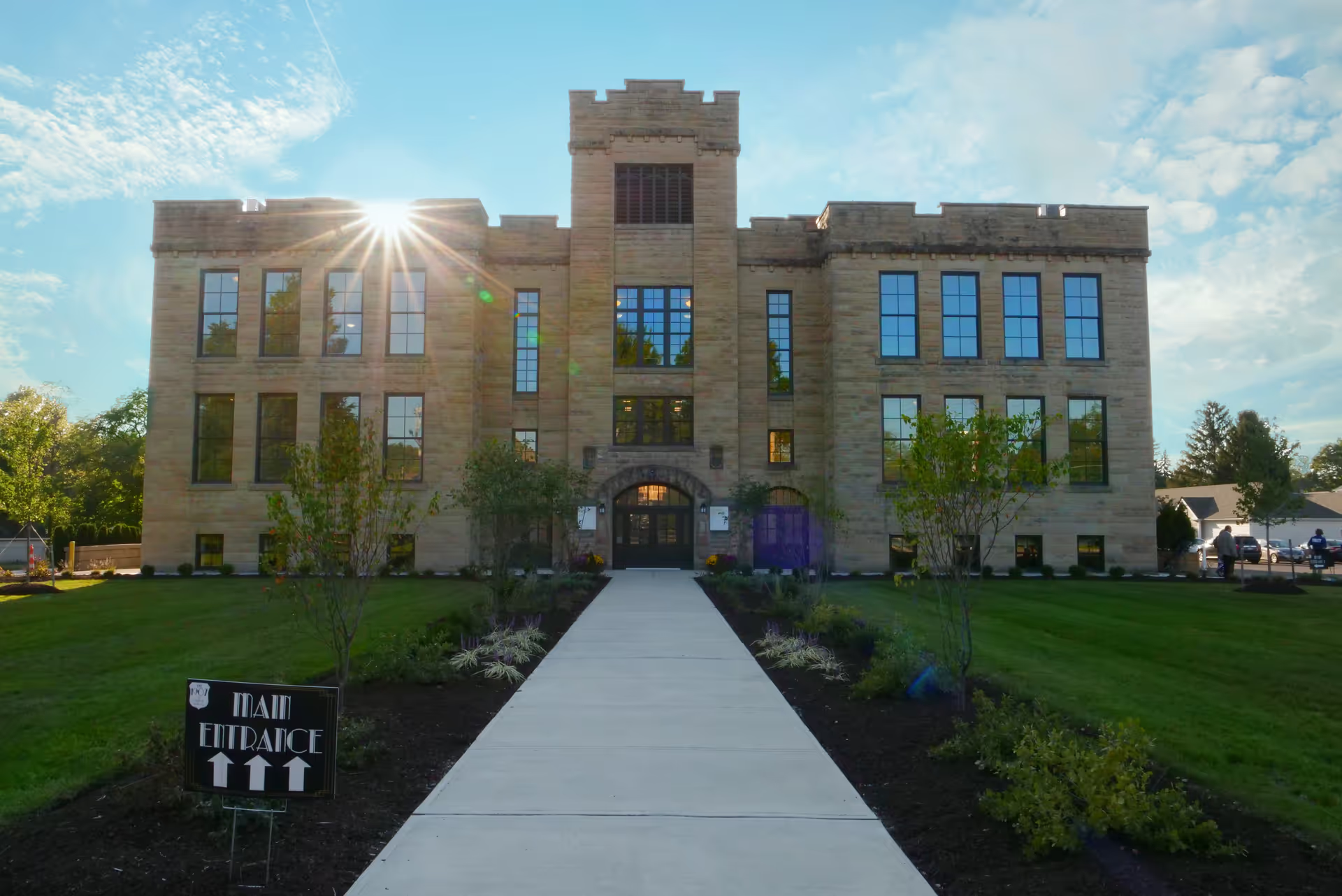
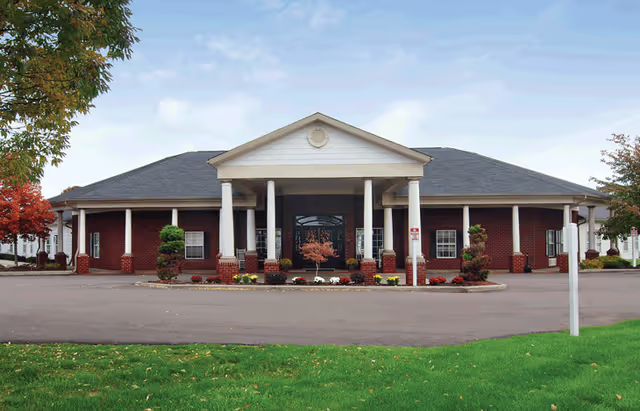
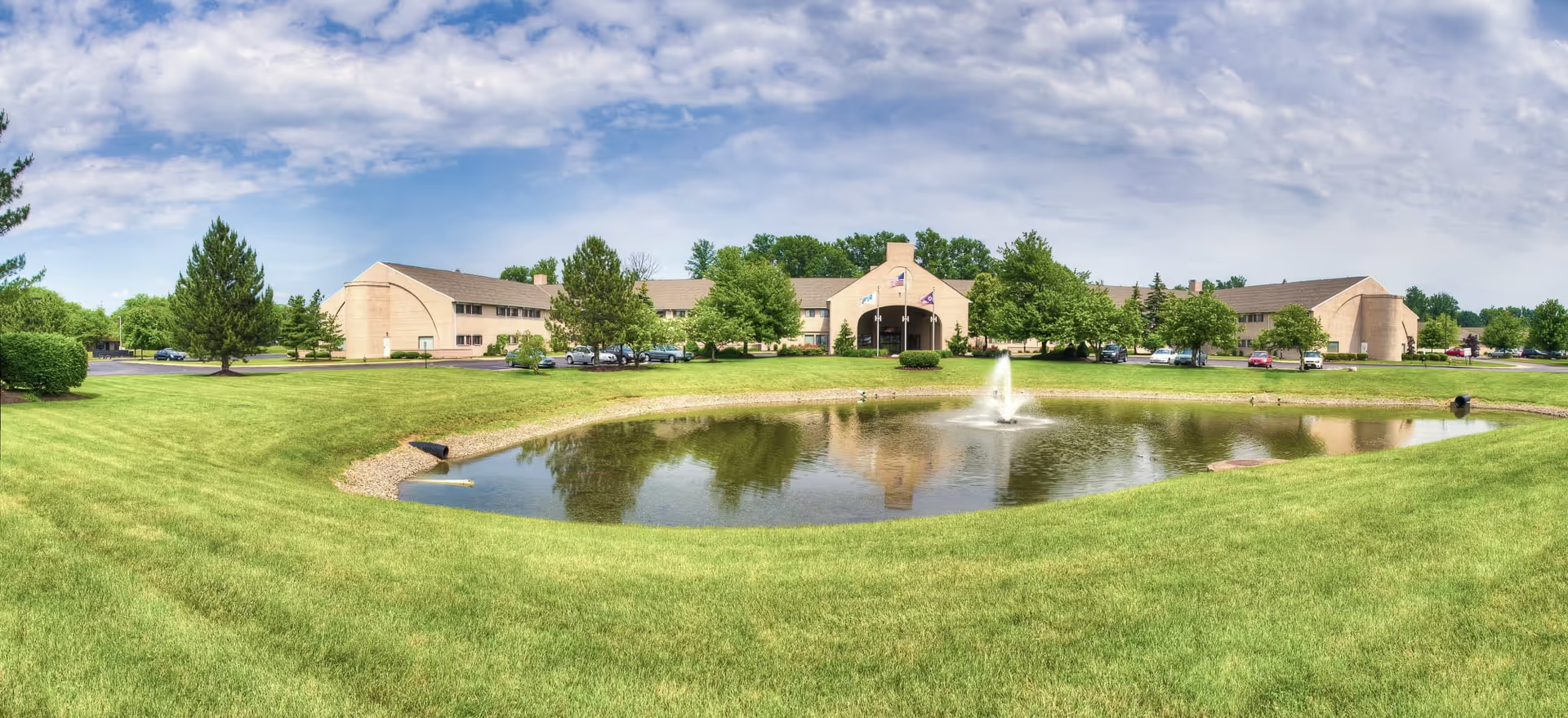
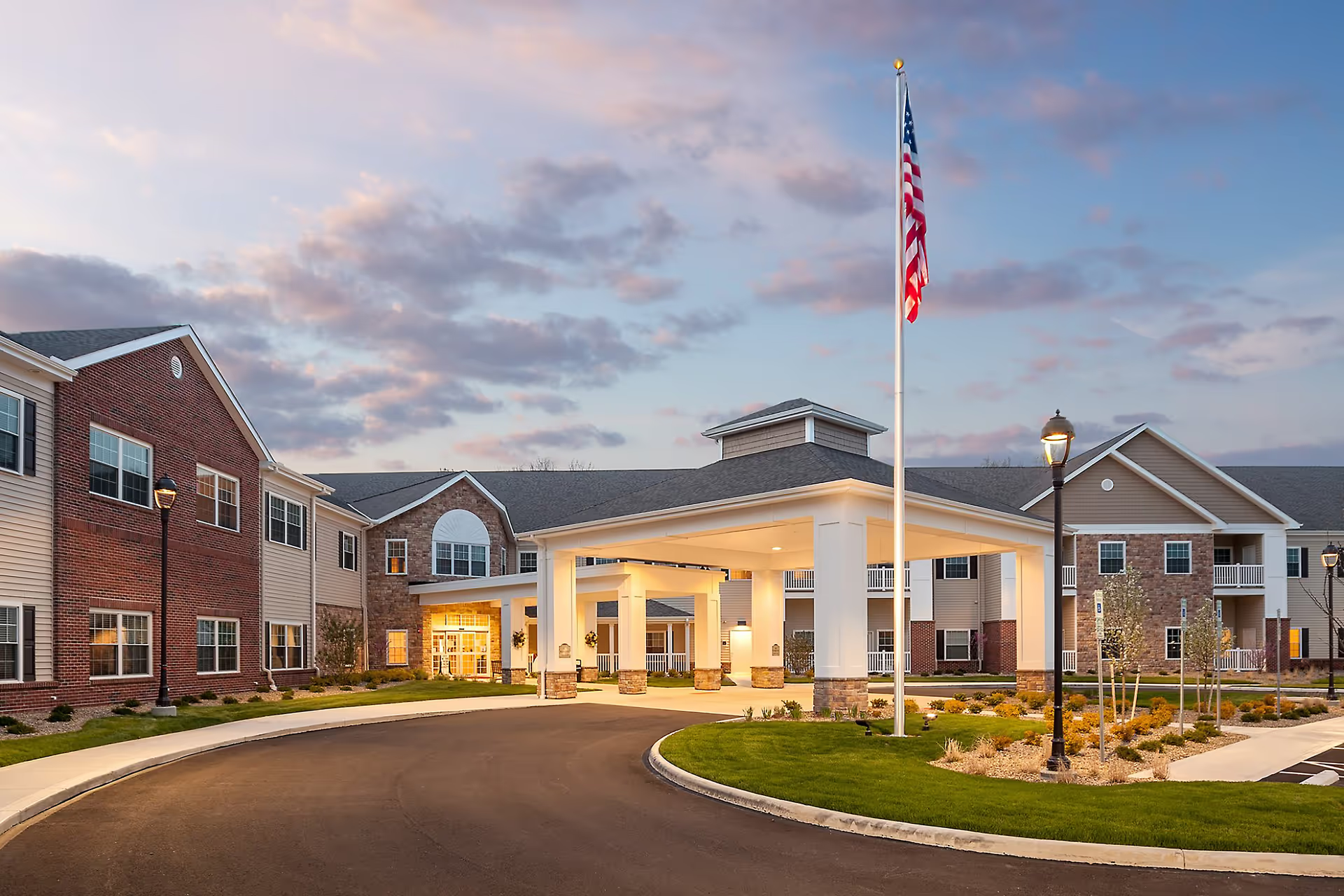
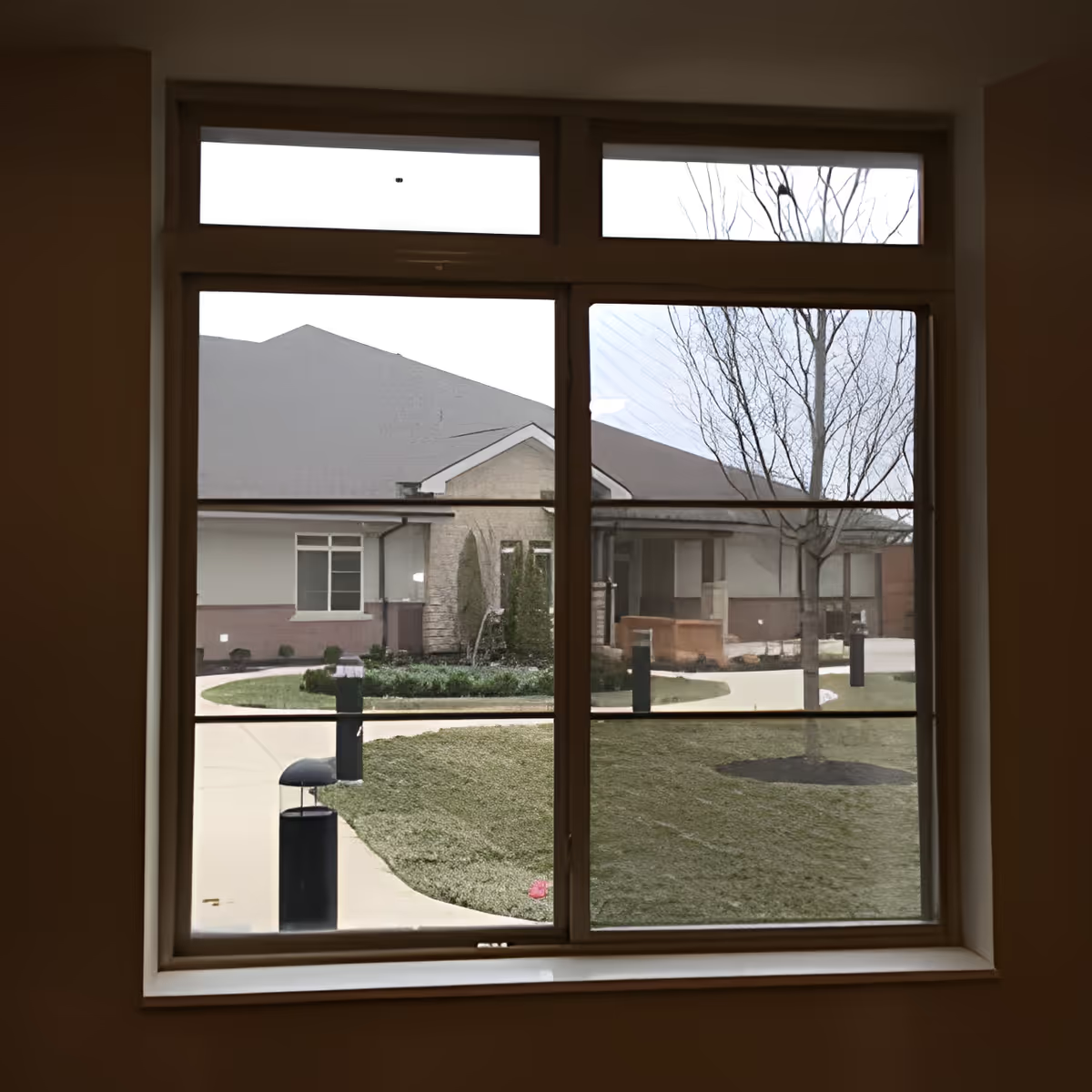
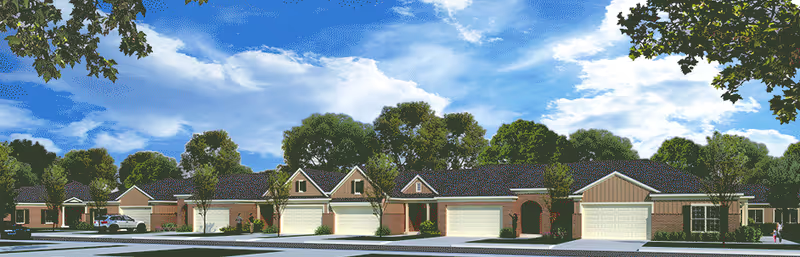
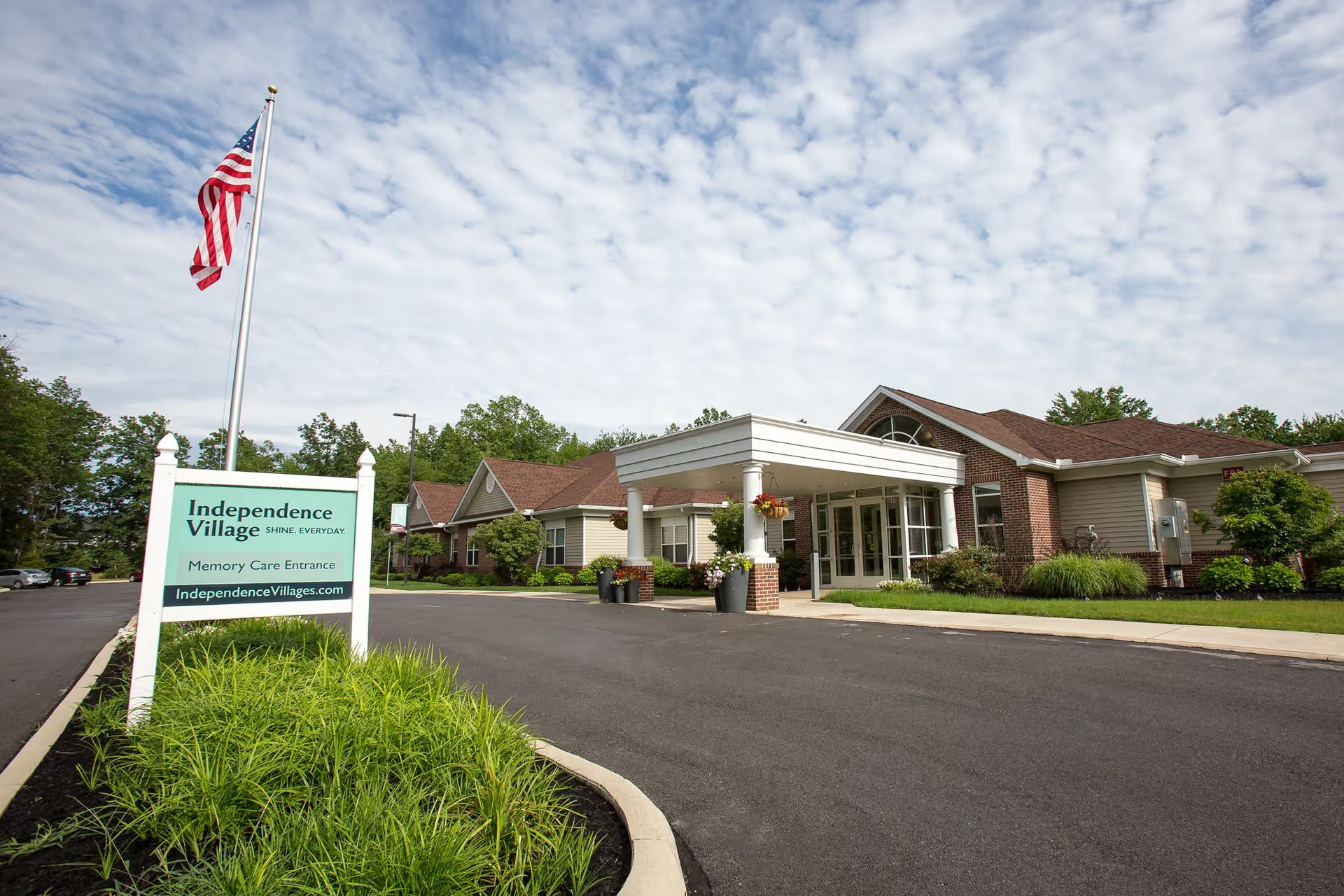
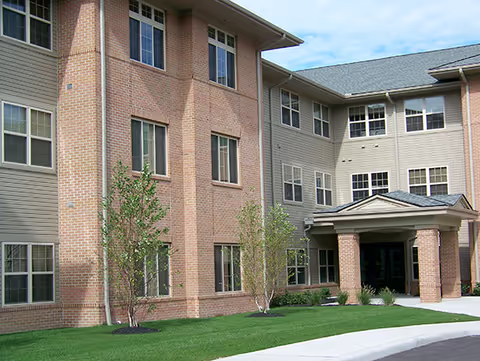
Reviews describe a facility with notable strengths in rehabilitation, therapy outcomes, and individualized compassion from many clinical staff. Physical and occupational therapy teams receive consistent praise for helping residents regain function after surgery or illness; families frequently describe measurable progress and professional, supportive therapists. Several caregivers and nurses are highlighted for their responsiveness and empathy, and the memory-care unit’s controlled-access approach is seen as a security asset. Dining quality, room size, private bathrooms, outdoor landscaping, and a generally pleasant environment are other recurring positives.
At the same time, the dominant pattern across reviews is operational inconsistency driven largely by staffing shortfalls. Chronic understaffing and staff turnover are described as underlying causes of delayed call-light responses, long waits for assistance, uneven nursing-assistant performance, and missed or late medication administration. Those operational pressures are linked to higher-risk clinical outcomes in some accounts, including gaps in clinical monitoring (for example laboratory/INR follow-up), pressure-ulcer prevention, and infection-control follow-up. Reviewers also point to safety oversight issues such as inaccessible call systems, falls, and transfer-related risks that appear connected to limited on-shift coverage.
Communication and coordination between departments are another frequent concern. Families reported difficulties obtaining clear, timely updates and described instances of poor handoffs between nursing, therapy, housekeeping, and administration. These communication gaps extend to discharge planning and insurance-navigation challenges; some families noted delays or denials related to coverage and post-discharge support. Operationally, reviewers also raised sanitation and maintenance issues in parts of the building, inconsistent housekeeping results, concerns about furniture and equipment condition, and problems tracking laundry and personal items.
Activity programming and resident engagement show mixed signals: mobile residents often have access to crafts, bingo, happy hour, and special events, while other units and less-mobile residents experience limited or inactive programming. Front-desk coverage and visitation processes were described as variable, influenced at times by infection-control restrictions.
For prospective residents and families: weigh the facility’s strong rehabilitation credentials and examples of compassionate, committed staff against the operational challenges tied to staffing and coordination. On a visit, ask about current staffing ratios, the facility’s call-light response metrics, protocols for pressure-ulcer prevention and medication administration, infection-control and lab-monitoring practices, laundry and personal-item policies, activity schedules for specific units, and how the facility manages discharge planning and insurance issues. Inquire about recent state citations, corrective actions, and any recent improvements in maintenance and housekeeping to get a clearer sense of current operating performance.