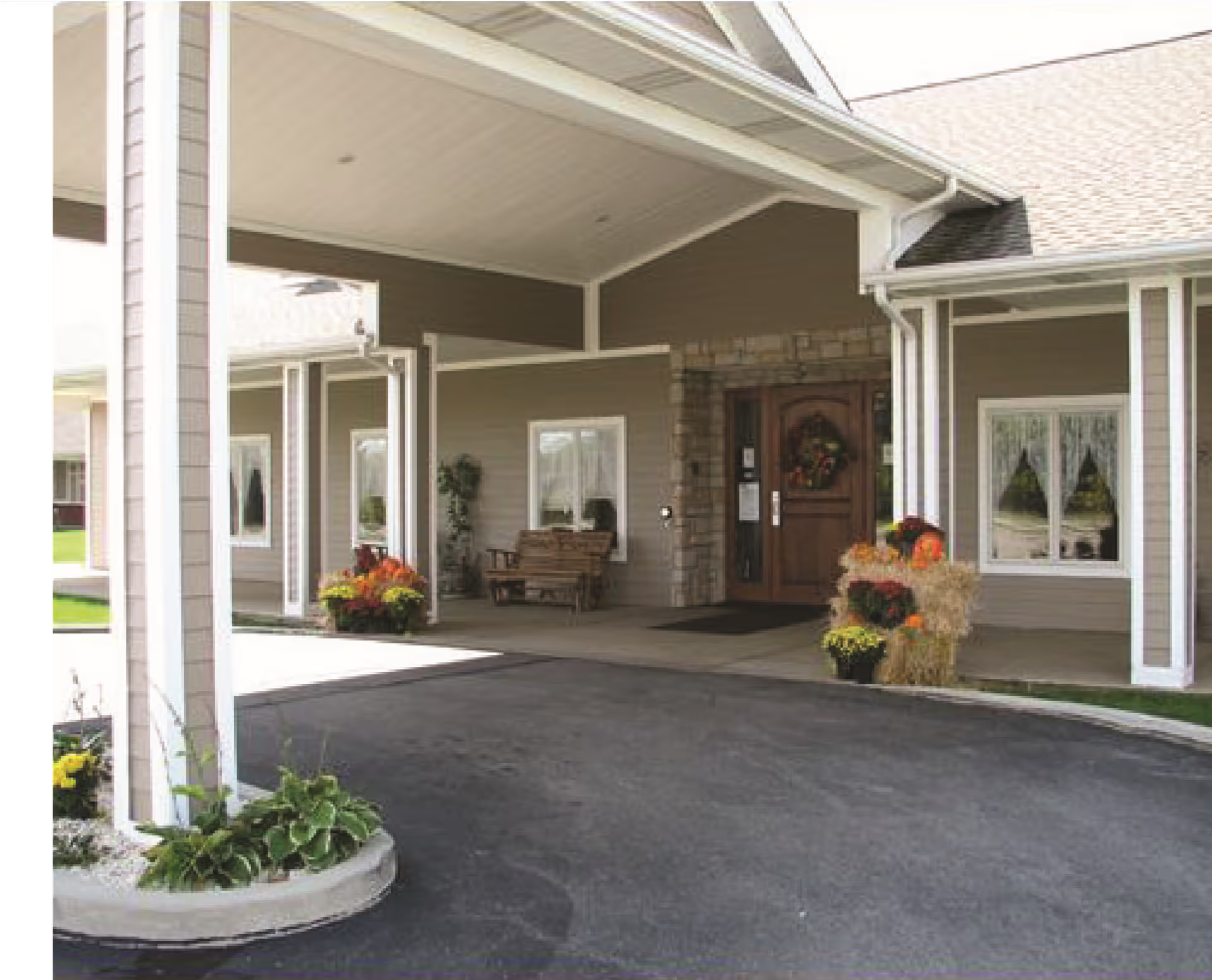
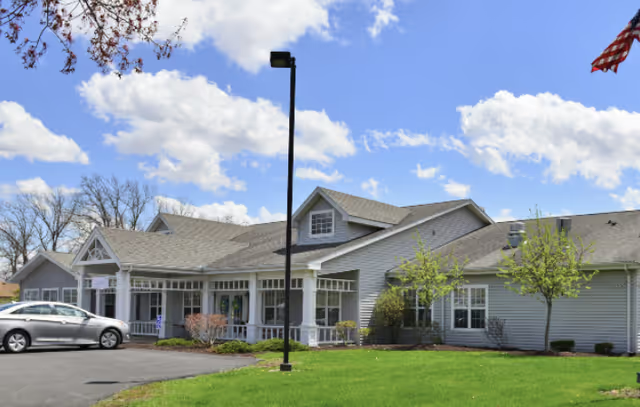
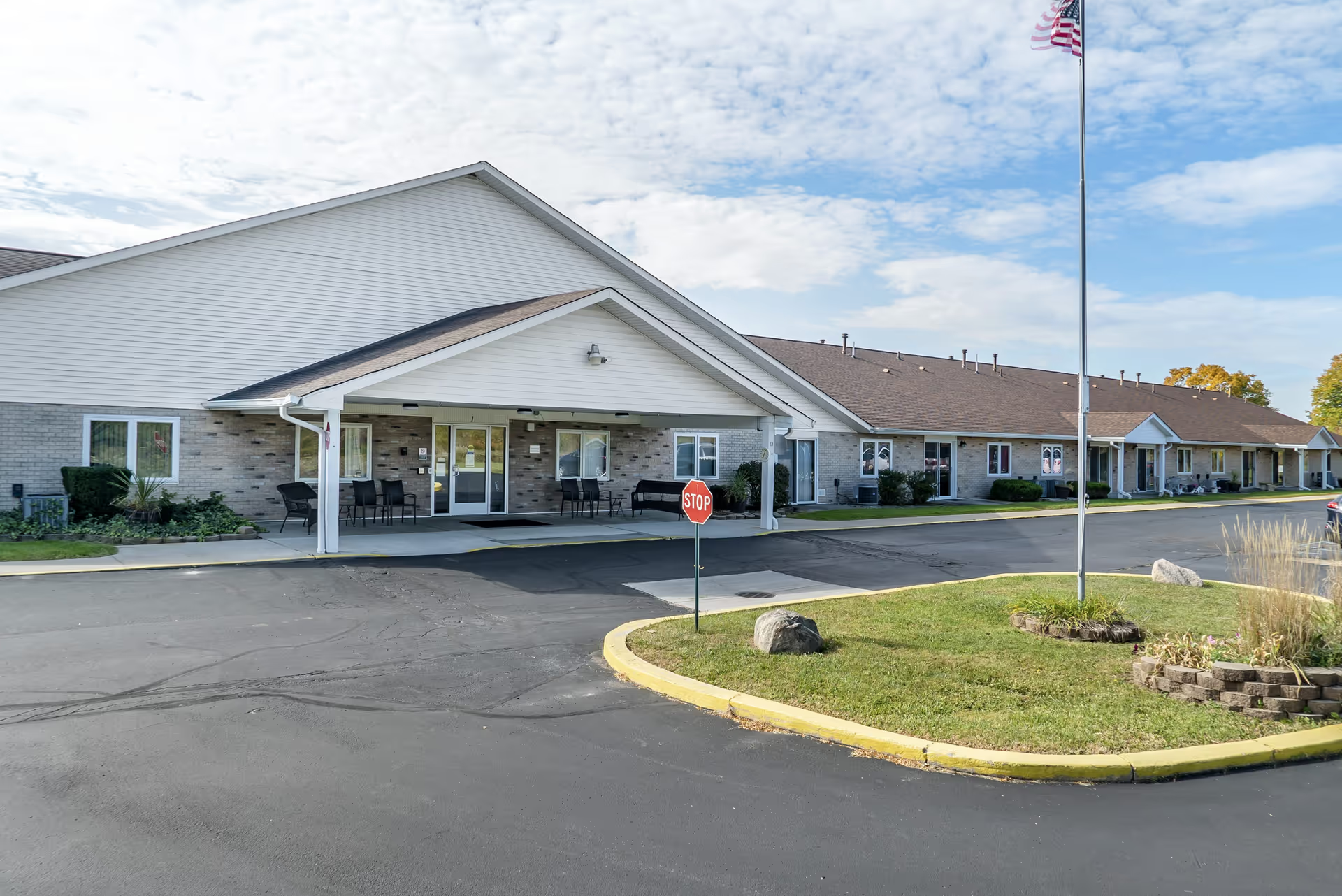
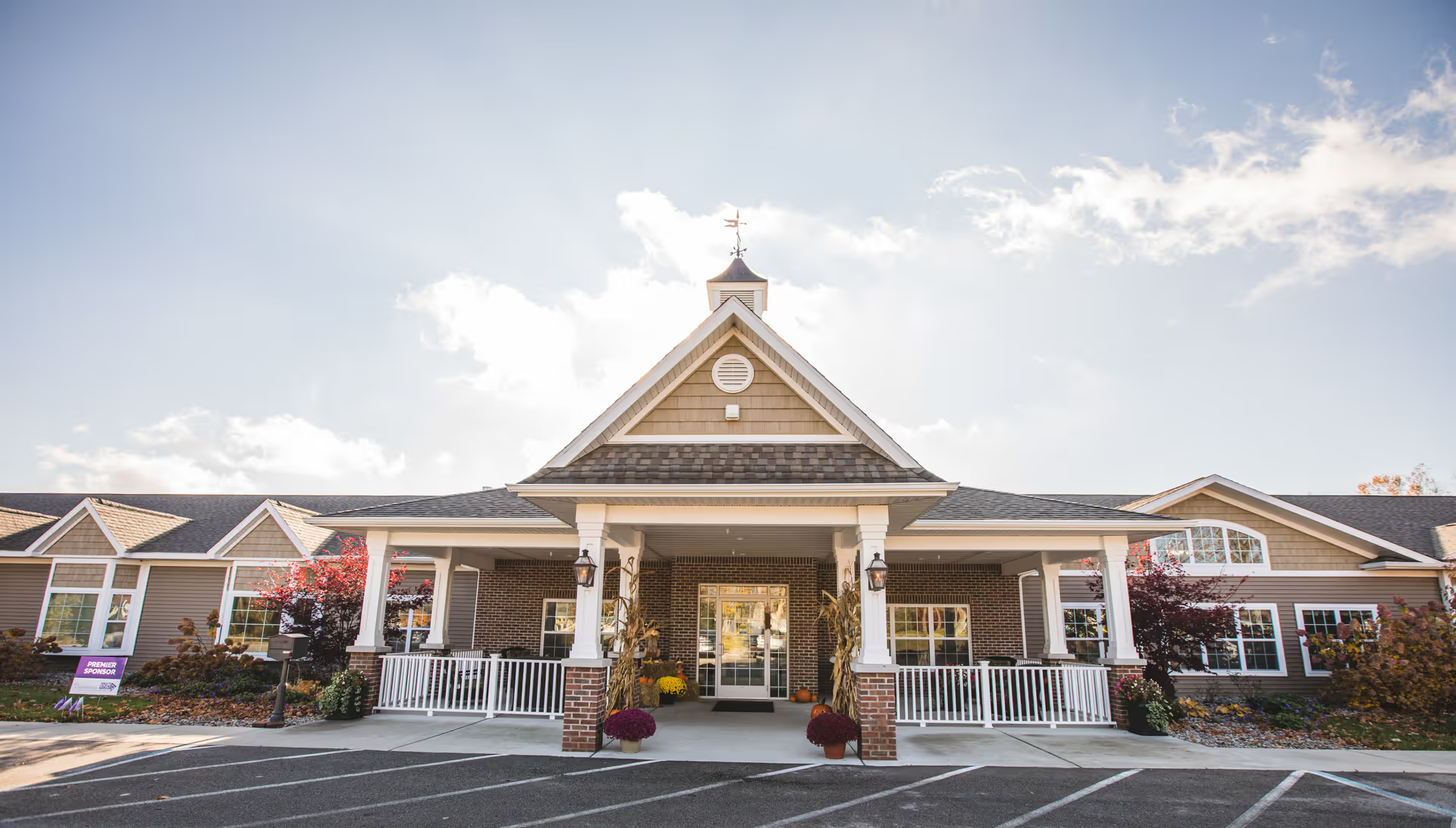
Fairlawn Retirement Community presents as a well-maintained, multi-level senior campus with a strong emphasis on rehabilitation and an active community life. Many accounts highlight the attractive, hotel-like short-term rehab rooms, a visible housekeeping effort, and a range of residential options (duplexes, independent apartments, assisted living and nursing). The site offers frequent chapel services, a varied activities calendar, and long-term residents who contribute to a stable, family-like community identity.
Clinical and caregiving strengths are commonly cited. Reviews consistently praise the physical, occupational and speech therapy teams for effective rehabilitation outcomes, and many families described hospice coordination and clear clinical explanations from individual nurses. Several reviewers emphasized compassionate day-to-day caregiving, warmth from staff, and helpful admission or entry processes that ease transitions. Communication channels such as Skype and proactive visitor assistance were noted as useful for family engagement.
At the same time, there are recurring operational concerns prospective residents should evaluate. Several accounts point to variability in nursing-home level clinical quality and attentiveness during some shifts, with reliance on agency staff contributing to inconsistency. Related themes include uneven staff responsiveness and tone in family interactions, and perceptions of limited oversight of contracted personnel. Reviewers also referenced gaps in how clinical incidents are handled and how follow-up communication with families is managed.
Facility-level tradeoffs are apparent across different housing types. While short-term rehab spaces are described as bright and spacious, some long-term units are characterized by small rooms, limited closet space and layouts that can make family visits feel crowded. Dining is generally regarded positively, but operational pressures such as staffing shortages (especially during heightened public-health periods) were mentioned as influencing day-to-day service. A small number of accounts raised concerns about infection-control or sanitation practices; these warrant direct inquiry during a visit.
For families considering Fairlawn, strengths to confirm include the quality of therapy services, availability of programs and the cleanliness of the specific unit being considered. Important questions to ask management during a tour include current staffing patterns (including use and oversight of agency staff), protocols for clinical-incident response and family notification, room dimensions and storage, and specific infection-control policies. Overall, Fairlawn appears to offer strong rehabilitation and a warm community environment, while also showing variability in some nursing-home–level operations that merit direct assessment by prospective residents and their families.