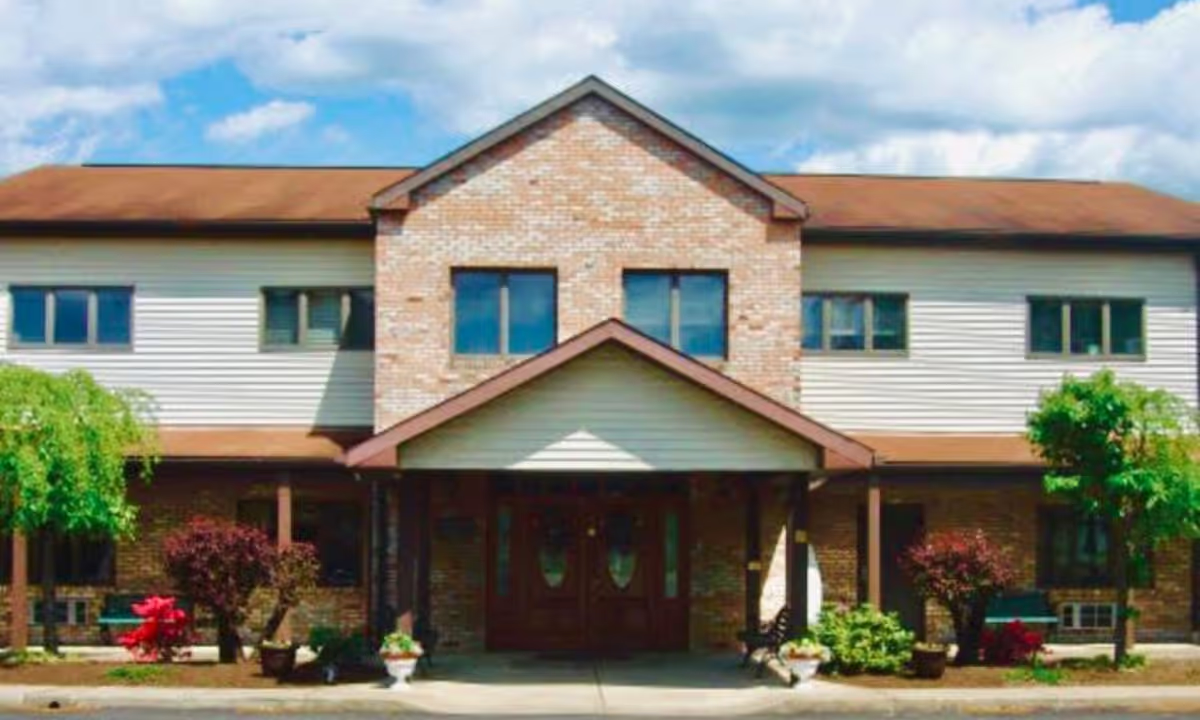
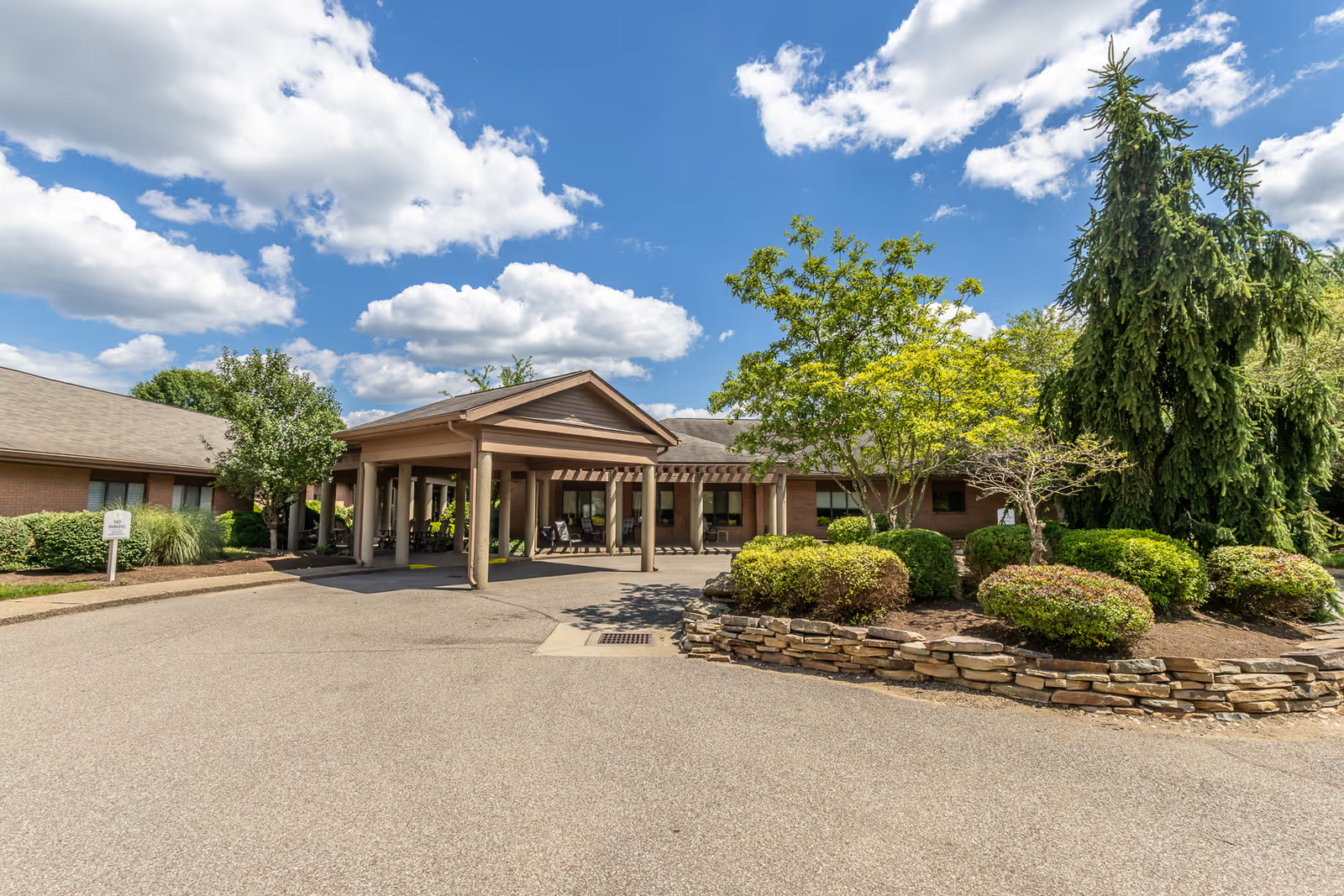
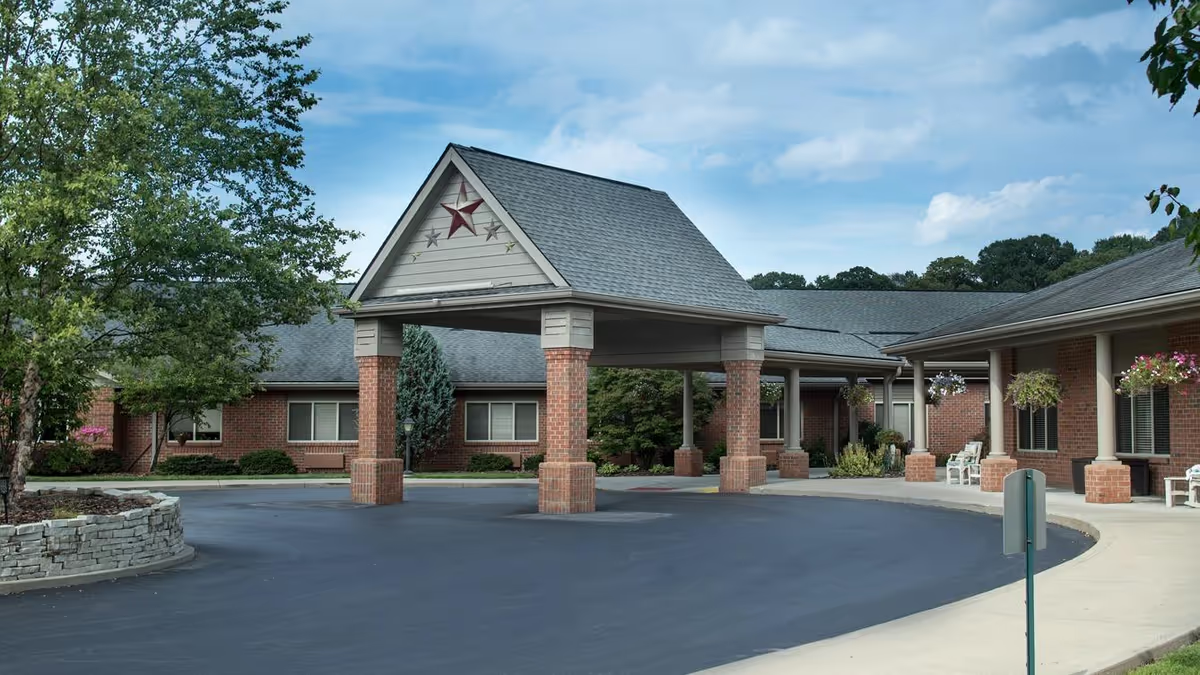
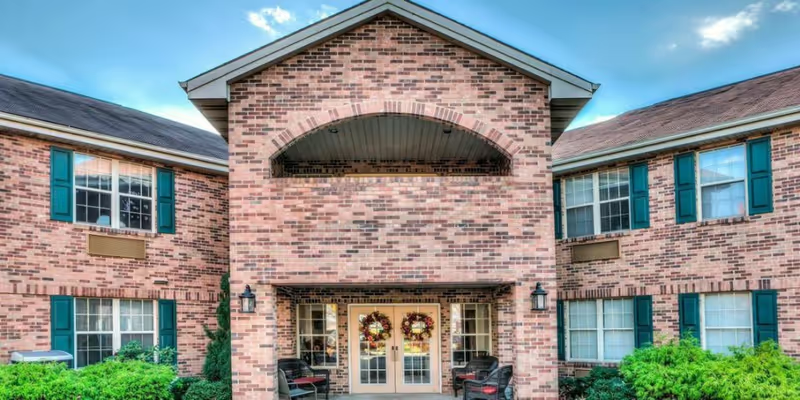
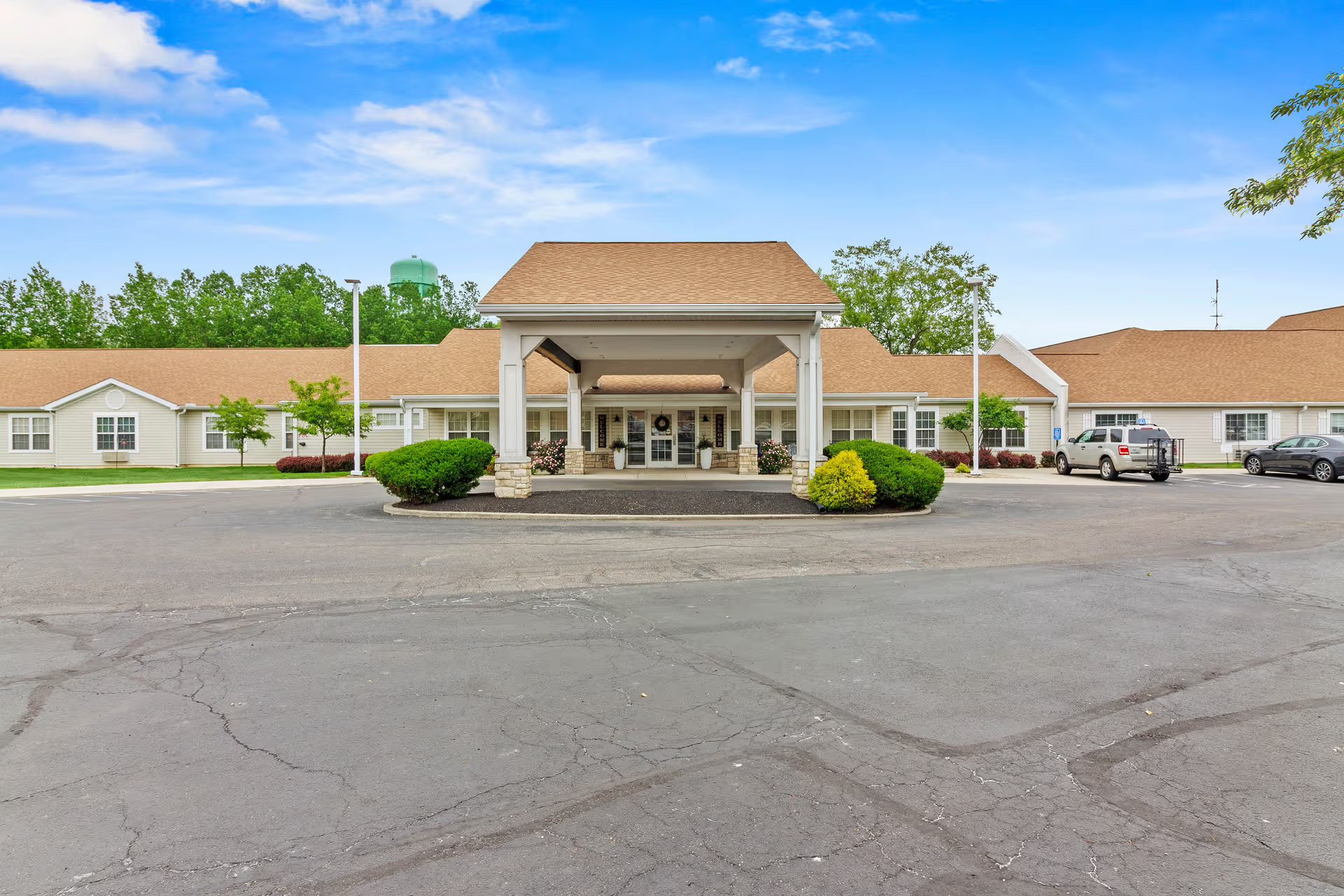
Kimes Nursing & Rehab Center elicits a mixed but distinct pattern of strengths and operational weaknesses. Positive feedback centers on long-tenured, family-owned leadership, a palpable home-like atmosphere, and direct-care staff who are frequently described as compassionate and supportive. Therapy and rehabilitation services receive consistent praise for responsiveness and clinical focus, and many families emphasize management visibility and hands-on involvement. The facility hosts community events and volunteer activities that many families found engaging, and several accounts highlight clean, well-maintained common areas and orderly housekeeping practices.
Clinical quality observations are mixed. Reviewers commonly cite strong day-to-day caregiving and effective rehabilitation, but there are recurring concerns about medication management and timeliness of clinical follow-up. Multiple descriptions imply variability in staffing levels that can lead to slow responses to alarms and missed or delayed care tasks. There are also specific concerns about hospice coordination and timeliness of visits and medication reconciliation during end-of-life care. A small number of comments raise serious process issues, including allegations of record falsification and missing personal property; these are significant and warrant direct verification with regulatory records and facility leadership.
Dining and activities are generally viewed positively where programs are well staffed: residents and families noted nutritious meals, social events, and occasional larger gatherings executed effectively. Conversely, activity engagement appears uneven across units — some households provide a steady calendar of engagement while others describe limited programming and low resident participation.
Facility environment receives largely favorable remarks for cleanliness and maintenance, contributing to a calm, home-like feel for many occupants. At the same time, there are sanitation concerns in certain shared bathrooms and comments about cramped double rooms that reduce privacy and can affect roommate dynamics and comfort. These environmental factors appear to vary by unit and room type.
Management and communication present a split picture. Several families praised administrators who work directly on the floor and maintain transparent communication; others experienced inconsistent updates, difficulty coordinating visits during infection-control periods, and variable responsiveness from nursing leadership. Safety-process concerns such as falls and transfer-related injuries also recur and point to opportunities to strengthen transfer protocols and fall-prevention systems.
For prospective residents and families: the facility offers clear strengths in compassionate caregiving, therapy services, and a community-oriented culture supported by long-standing staff. At the same time, the pattern of concerns around medication practices, staffing variability, hospice coordination, sanitation in shared areas, and documentation integrity suggests areas to probe during a tour. Recommended questions include current staffing ratios, specific hospice and medication-reconciliation protocols, fall-prevention measures, availability of private rooms, cleaning schedules for shared bathrooms, and recent state-survey outcomes. Verifying these points in person and speaking with current residents and families will give the most reliable sense of current performance.