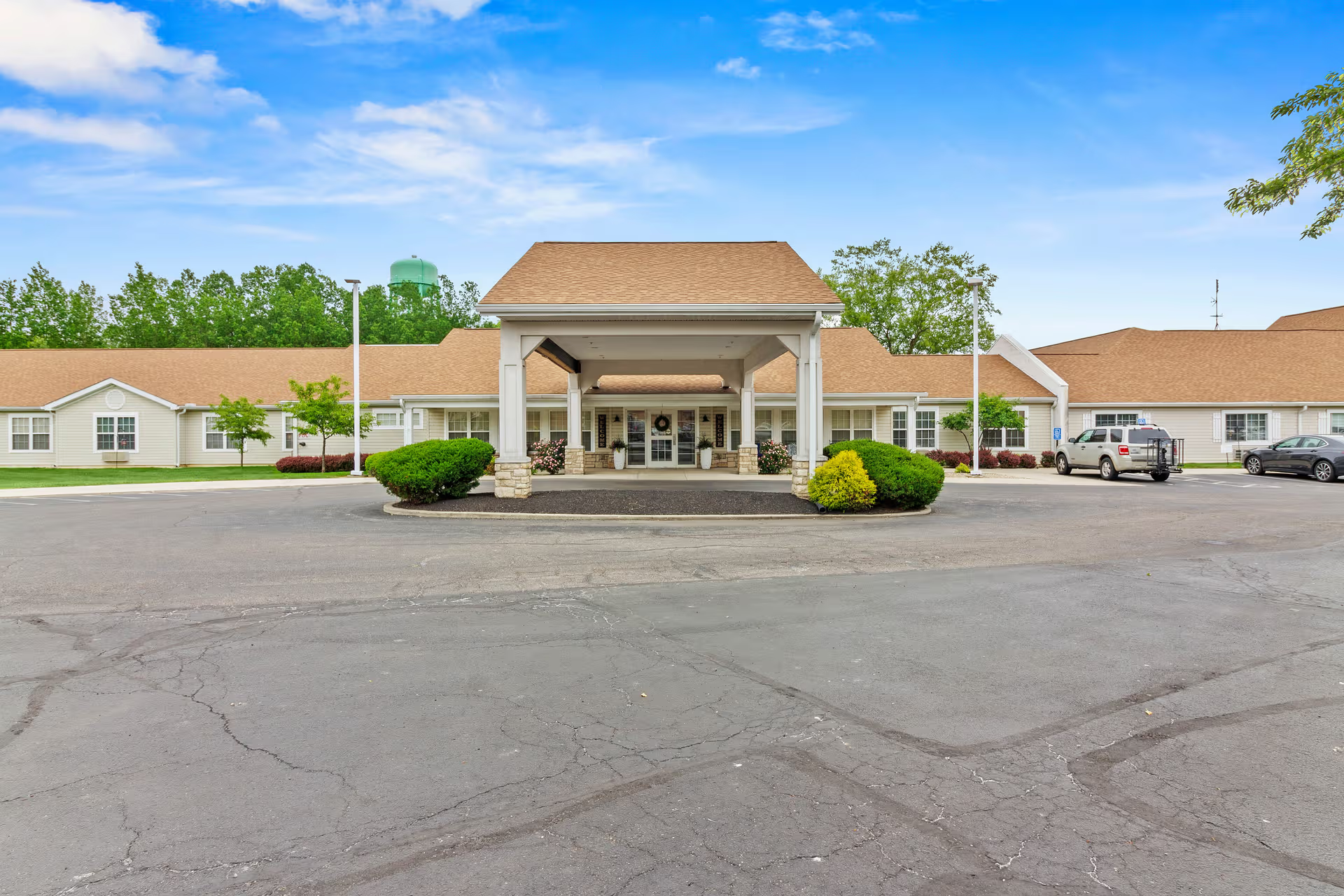
The Laurels of Athens receives a mix of strong praise and substantive operational concerns. Reviewers frequently highlight the facility’s rehabilitation strengths: physical and occupational therapy teams are repeatedly described as skilled, effective, and a key reason families choose the facility for short-term stays. Nursing skill — including wound care and attentive clinical staff on many units — is also commonly praised, and several reviews emphasize positive interactions, thorough discharge planning, and responsiveness from particular nurses and night-shift aides.
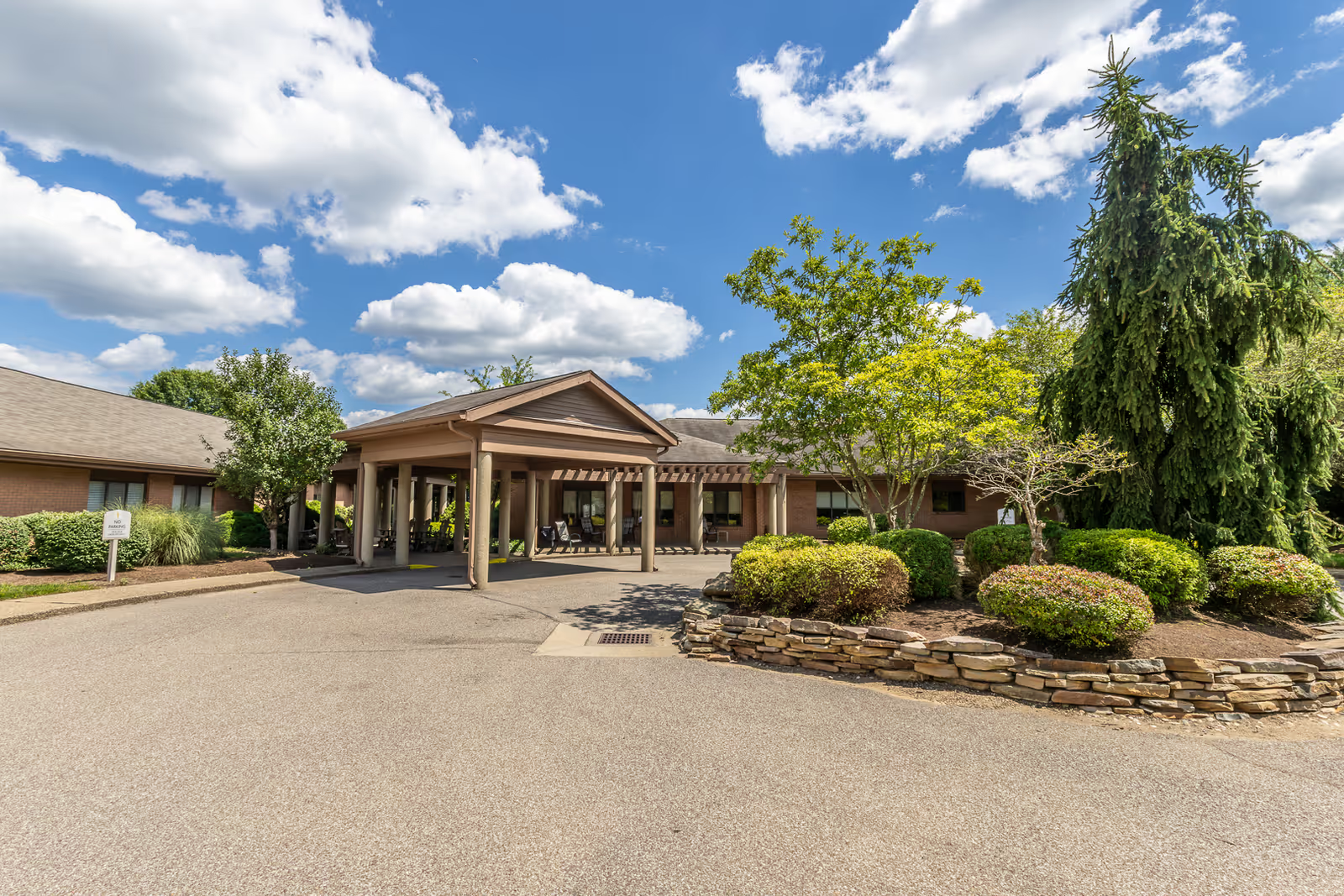
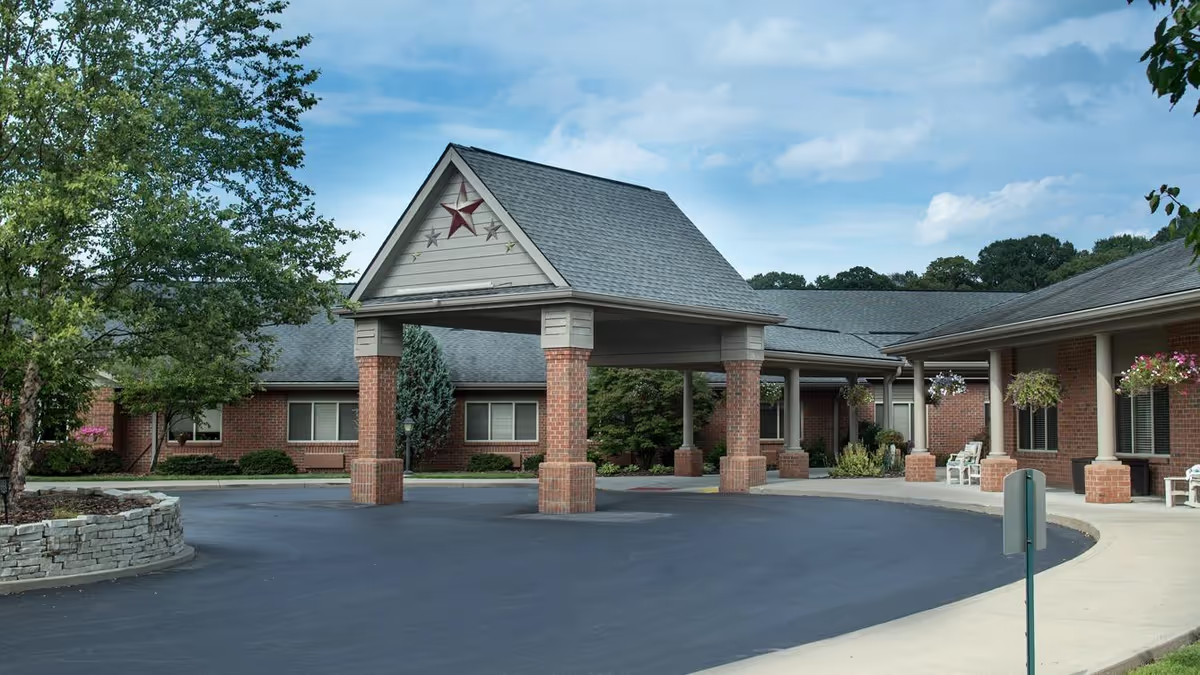
Staff culture and the facility environment are other consistent positives. Many families and residents describe compassionate, family-like relationships with aides, nursing staff, social services, and admissions personnel. The building and resident rooms are often noted as clean and comfortable, with private rooms and en-suite bathrooms receiving favorable mention. Activity programming, transportation services, and on-site amenities support social engagement and recovery for residents in rehab or short-term stays.
However, a number of operational weaknesses recur across reviews and should be considered by prospective residents and families. Dining quality and menu variety are a frequent source of dissatisfaction — reviewers describe repetitive, highly processed options and limited fresh choices. Housekeeping and sanitation are described as uneven; while some units are reported as well-maintained, others are described as having cleanliness lapses. Multiple comments describe intermittent understaffing, delayed call-light responses, and variability in personal-care schedules (including bathing and incontinence-care timeliness). There are also reports indicating medication-timing inconsistencies and occasional staffing turnover in therapy roles, which can affect continuity of care. Cost is also mentioned as a concern by some families.
A small subset of reviews raises serious allegations about care and legal/regulatory issues. These accounts stand in contrast to many positive experiences and represent matters that warrant direct inquiry: families should ask the facility about any investigative or regulatory history and review inspection reports when assessing risk. Communication with families is another mixed area — while admissions and some managers receive praise for being responsive and supportive, other reviewers identify gaps in timely family updates and coordination.
In summary, Laurels of Athens appears to offer strong short-term rehabilitation services, conscientious clinical staff in many units, and a generally comfortable environment. At the same time, recurring issues around dining, staffing consistency, housekeeping, responsiveness, and a limited number of serious care-related allegations suggest prospective residents and families should perform targeted due diligence. Recommended next steps include touring the specific unit of interest, asking about staffing levels and turnover, reviewing recent inspection or complaint history, sampling meal options, and speaking directly with therapy and nursing leadership about continuity of care for longer-term placements.