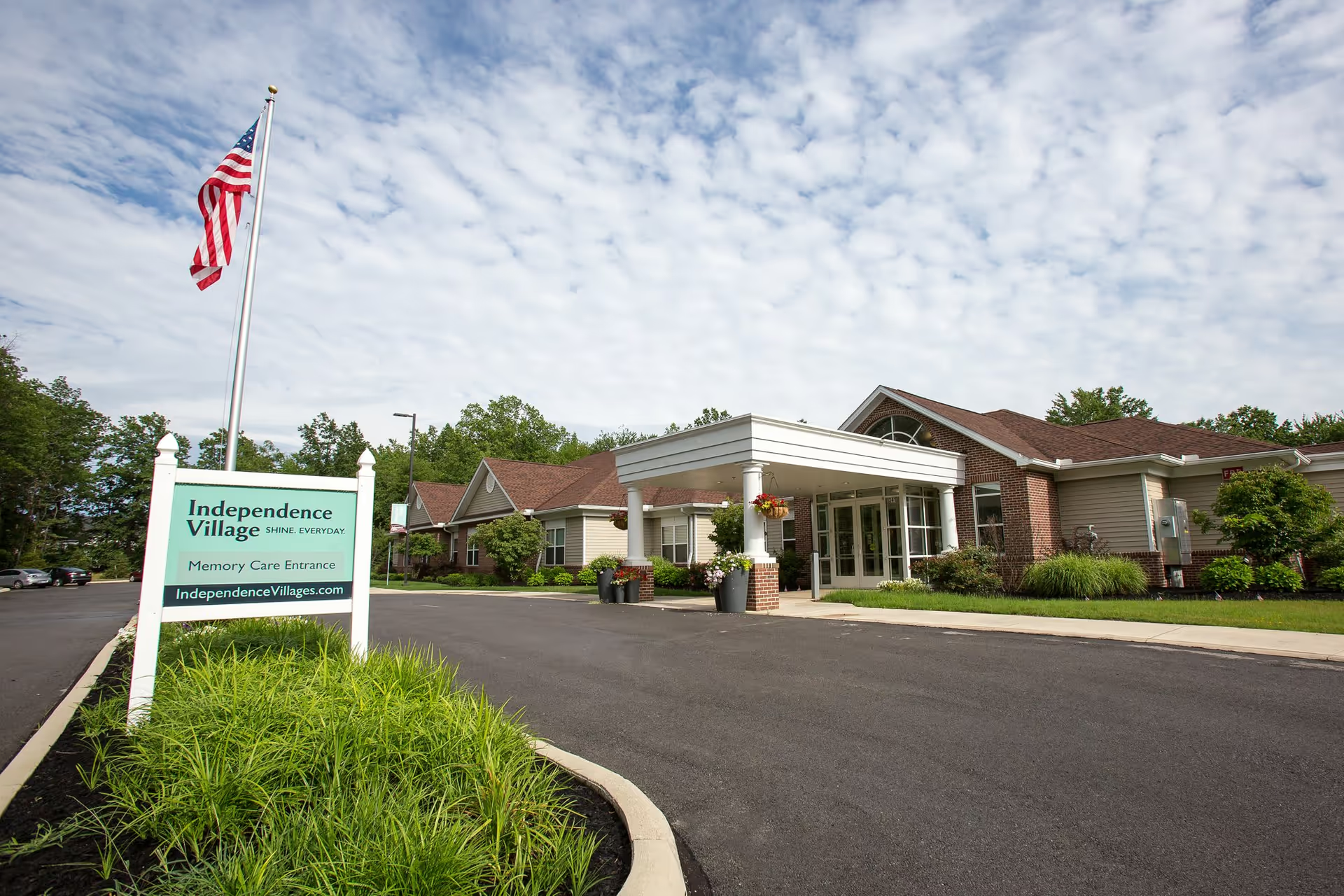
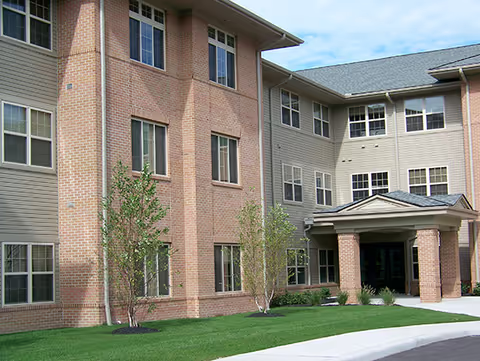
Avon Oaks presents as a small, family-run community with several clear operational strengths and some recurring operational weaknesses. Positive themes across reviews emphasize a clean, well-maintained environment, a home-like atmosphere, and a close-knit staff culture. Many families praised the compassion and attentiveness of caregivers, a favorable nurse-to-resident ratio, and comprehensive documentation and communication with families. The facility also offers private rooms with en suite bathrooms, enclosed outdoor spaces, accessible parking and transportation, and on-site entertainment such as piano, big-screen viewing, bingo, and arts-and-crafts.
Clinical and staff-related observations are mixed. Numerous accounts highlight individualized, dignity-focused care, effective rehabilitation services (PT/OT), and staff who go above and beyond; therapy and rehab outcomes are often described as a strength. At the same time, reviewers describe variability in staff competence and training, with particular concerns about inconsistent nursing responsiveness during nights or off-hours and uneven performance among social-work and admission/discharge staff. Several reviewers described serious safety-related concerns — including delayed escalation associated with infection-related complications and pressure-injury care gaps — which indicate opportunities to review incident-response protocols, wound-care processes, and hospital-transfer timeliness.
Dining and activities are frequently cited as strengths. Many residents and families praised varied menus, notable meals, and a responsive dietary leadership team that addresses meal-related issues. However, diners should be aware of inconsistent meal temperature and portion reports. The activities program is active for a facility of this size: regular group activities, outings, and social events are available and commonly mentioned as enhancing resident quality of life.
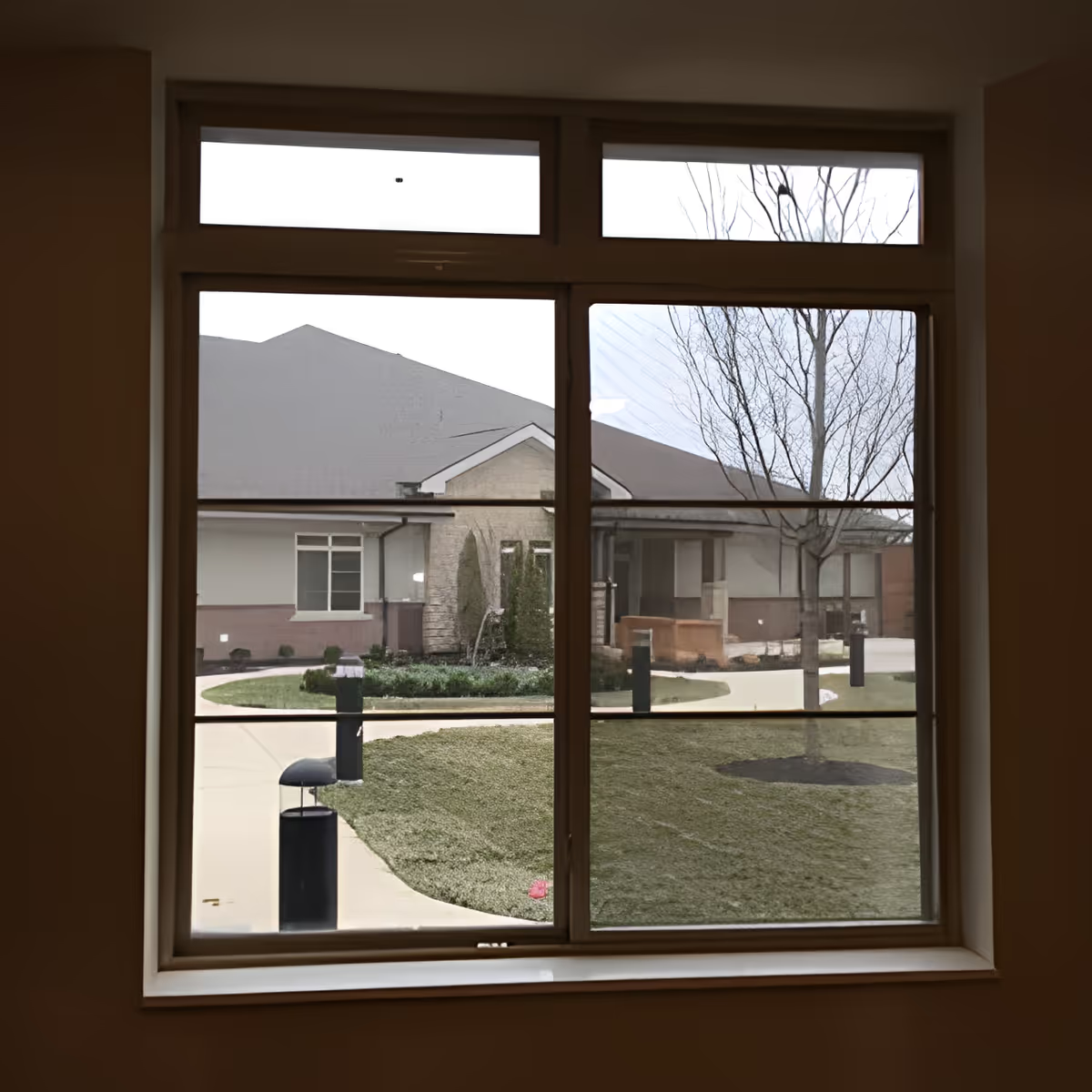
Facility physical plant and amenities reflect a mixed picture. Reviewers repeatedly note cleanliness, well-kept common areas, and sunlight-filled rooms with patios. Conversely, some areas feel dated; landscaping and interior aesthetics could be improved. Room size is a clear operational constraint for some residents — small or shared rooms can feel crowded. Additionally, weak Wi‑Fi in the memory-care wing and occasional limitations in modern infrastructure were mentioned.
Management and administrative patterns show strengths and weaknesses. Administration is often described as accessible and responsive, and the small, family-run model supports continuity and personalized attention. Yet there are recurring concerns about inconsistent case management, discharge-planning follow-through, and perceived financial priorities affecting some clinical or transfer decisions. Nighttime staffing visibility and activity levels also emerged as an area for improvement.
Overall, Avon Oaks may be a good fit for families seeking a small, home-like community with strong interpersonal care, attentive rehab services, and an active social program. Prospective residents and families should prioritize an in-person tour that includes daytime and evening observations, a review of clinical protocols for wound care and infection control, clarification of payer policies and costs, and direct conversations with nursing leadership about staffing patterns and hospital-transfer procedures. These steps will help align expectations with the facility’s strengths and known operational variability.