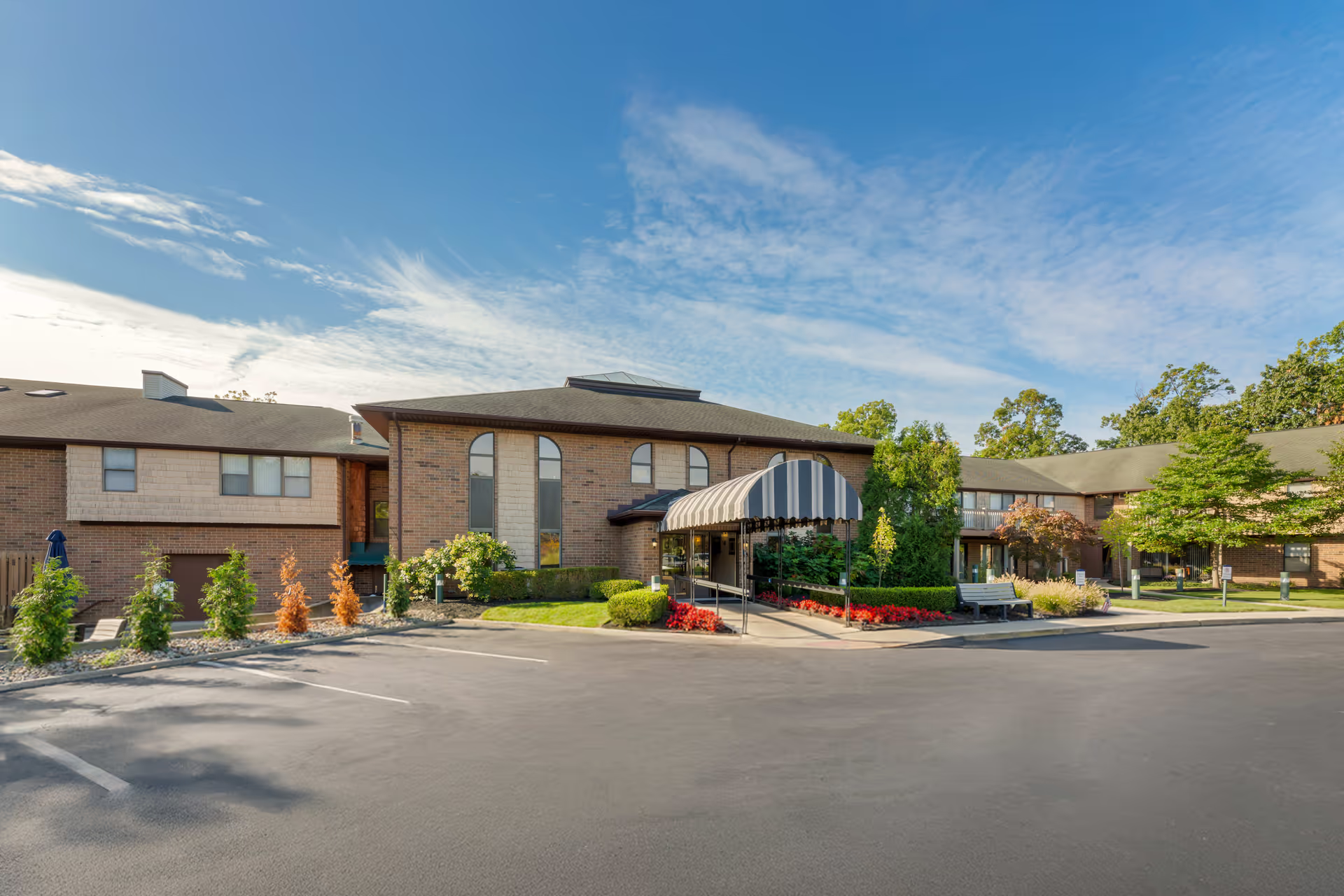
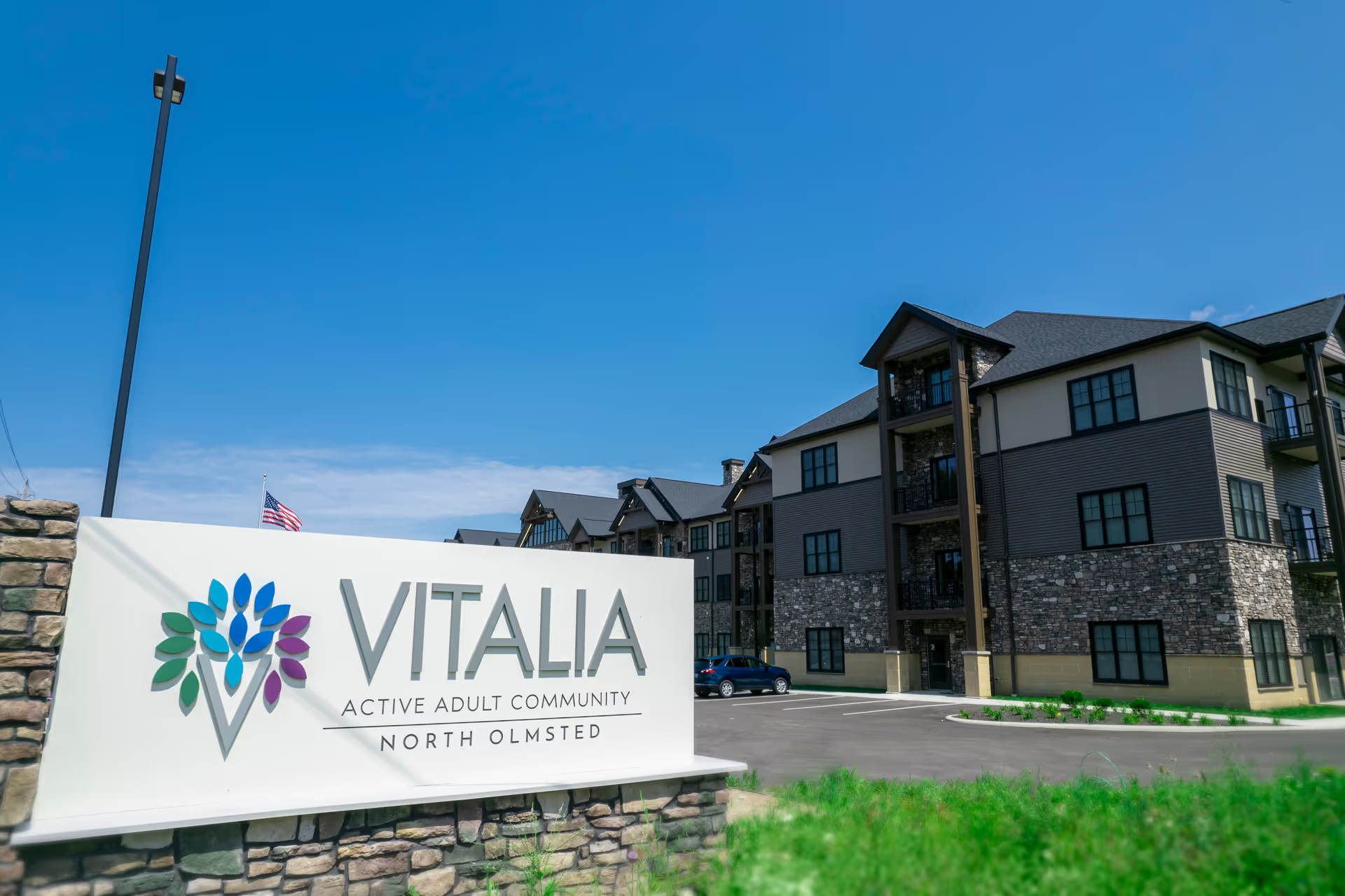
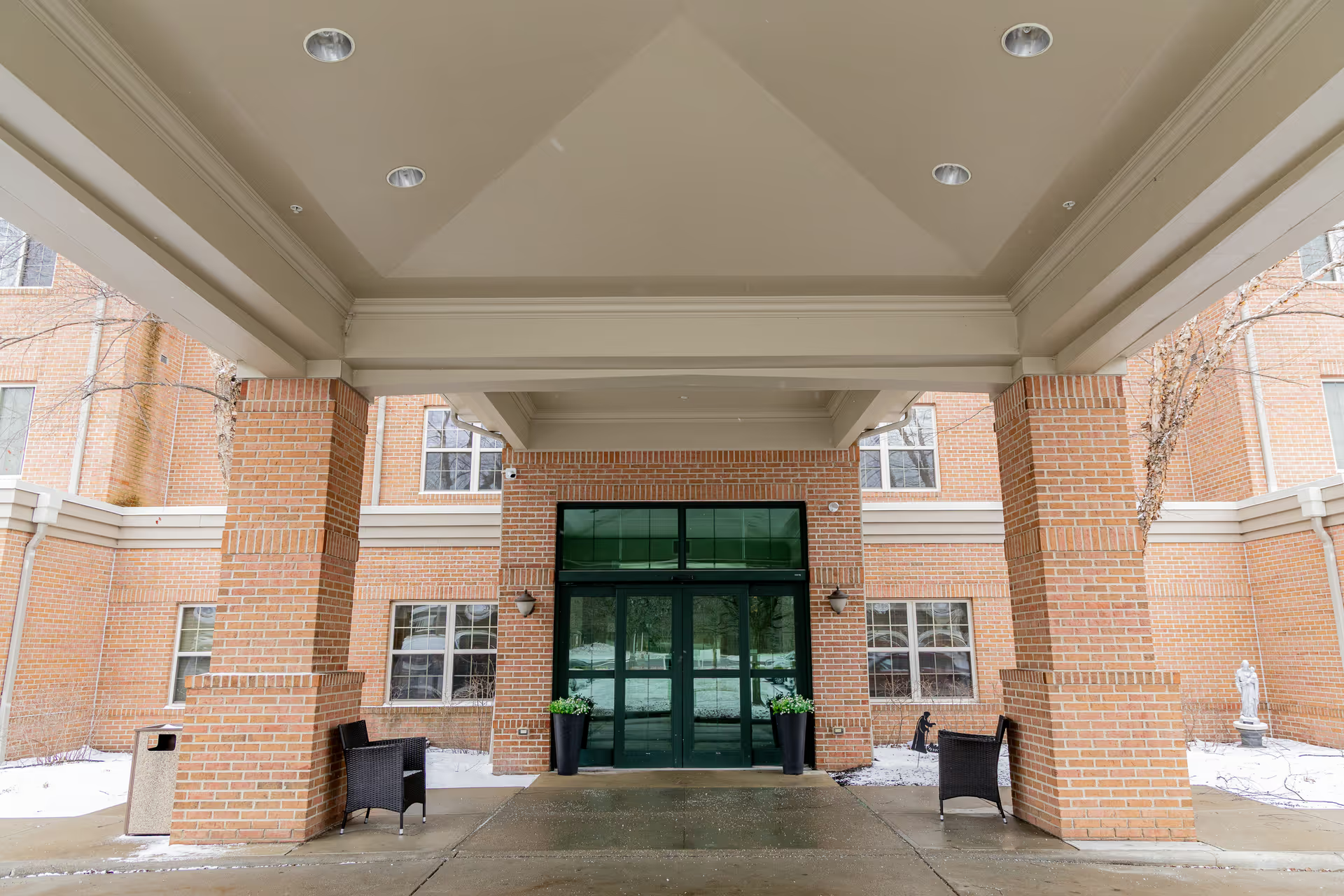
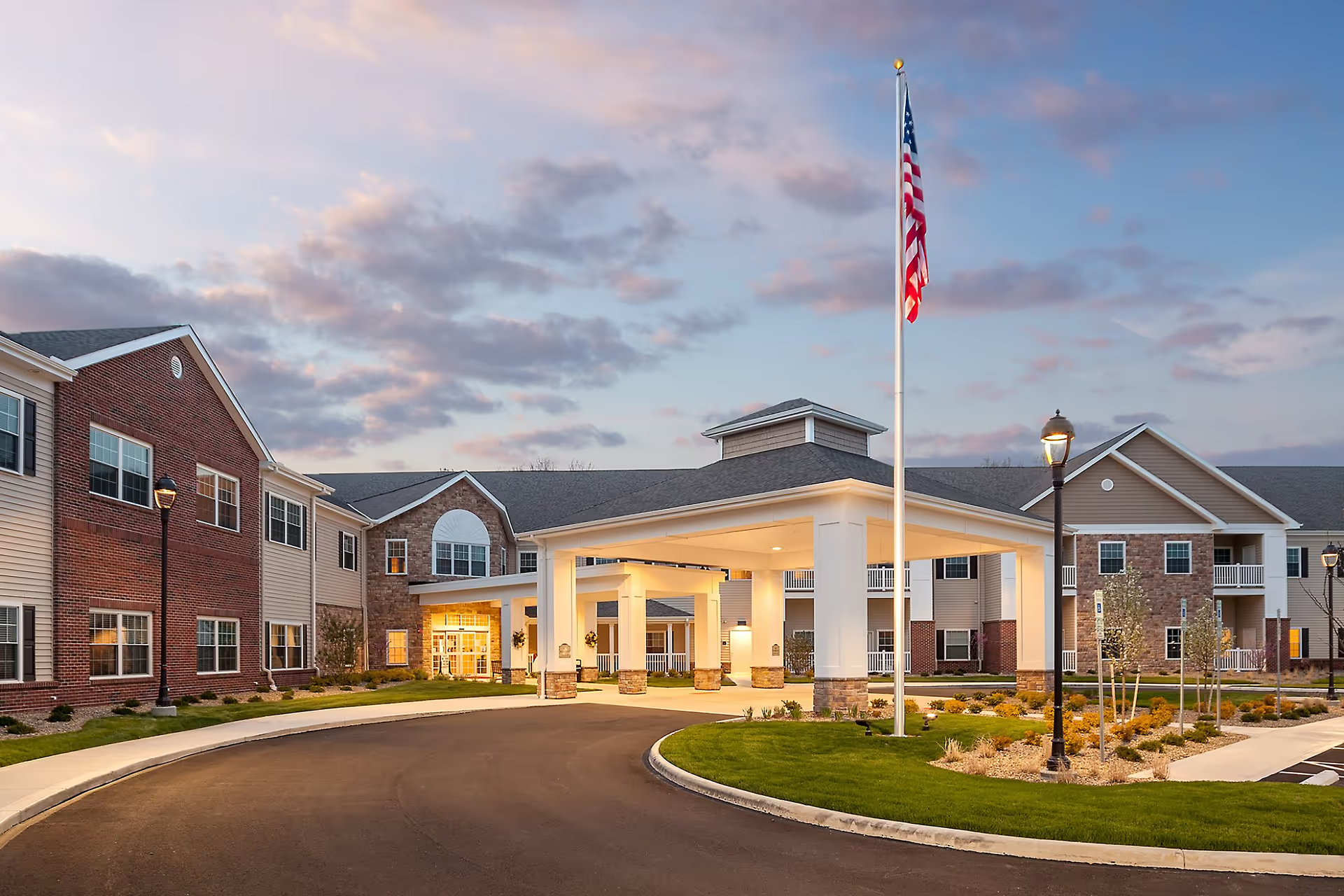
The reviews present a polarized picture of Avon Place Skilled Nursing and Rehabilitation: many families praise the facility’s rehabilitation strengths and its recently refreshed physical environment, while other families describe operational and clinical shortcomings that they found significant. Positive themes include a visible investment in building renovation, a robust therapy/rehabilitation program, and a community-oriented atmosphere with social activities and holiday programming. Multiple accounts highlight attentive physical therapists, caring aides, private social spaces, communal dining, and administrative staff who facilitate admissions and transitions.
Care quality appears mixed. Rehabilitation services and physical/occupational therapy receive consistently strong comments for effectiveness and attentiveness; several reviewers described clear improvements in mobility and weight management after therapy. Conversely, there are substantive concerns about clinical operations that affect long-term and higher-acuity residents: inconsistent responsiveness to call lights, delays in attending to personal-care needs, variability in bathing and turning schedules, and gaps in medication administration and documentation. There are also mentions of wound-care and skin integrity issues that families associated with lapses in routine care. These patterns suggest the facility may perform well for short-term rehab but has variability in sustaining consistent nursing-level care for some residents.
Staffing and staff conduct are described in both positive and negative terms. Many reviews praise long-tenured employees, a family-like culture, and compassionate front-line caregivers. At the same time, reviewers describe understaffing, last-minute shift cancellations, and instances of unprofessional conduct or poor responsiveness during busy shifts. There are also isolated but serious allegations of inappropriate staff behavior; these appear alongside accounts of management praise, indicating unevenness in staff performance and supervision.
Dining and activities are generally regarded as strengths for many residents: homemade-style meals, a helpful dietary manager, communal dining options, and a busy activities calendar that accommodates religious services and family events. However, other families described inconsistent meal quality, missing beverage supplies, and quick discharge decisions related to medical or infection concerns. Prospective residents who prioritize dining consistency should inquire about current menu practices and how meal-service continuity is managed across shifts.
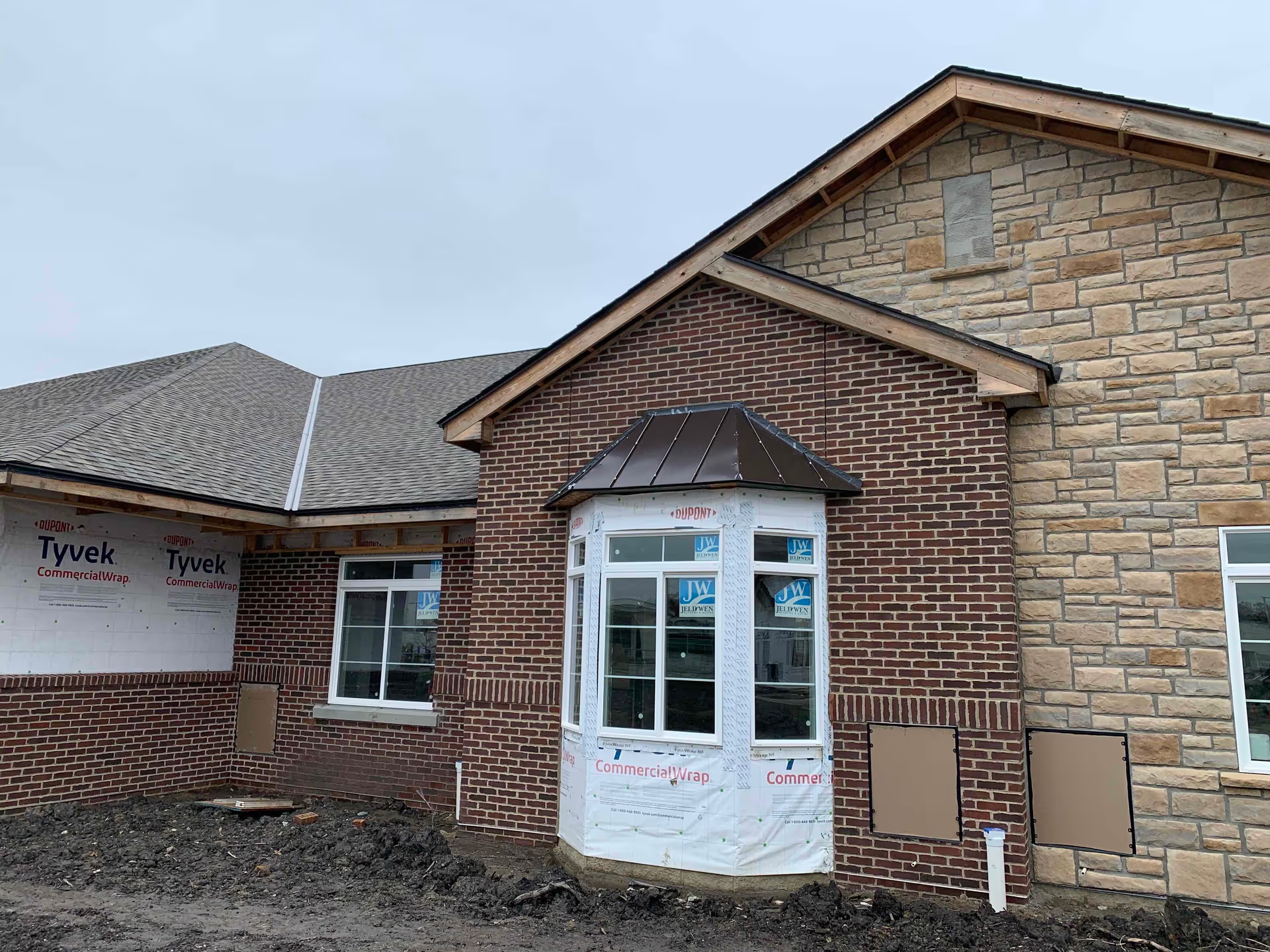
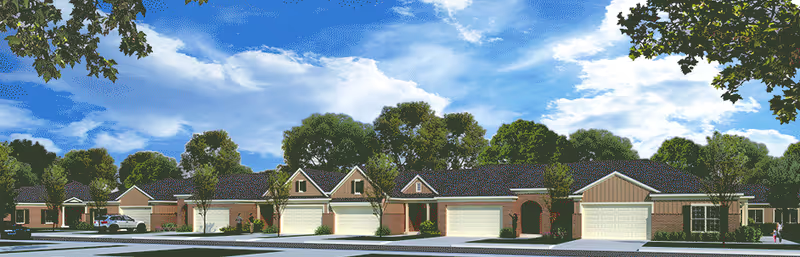
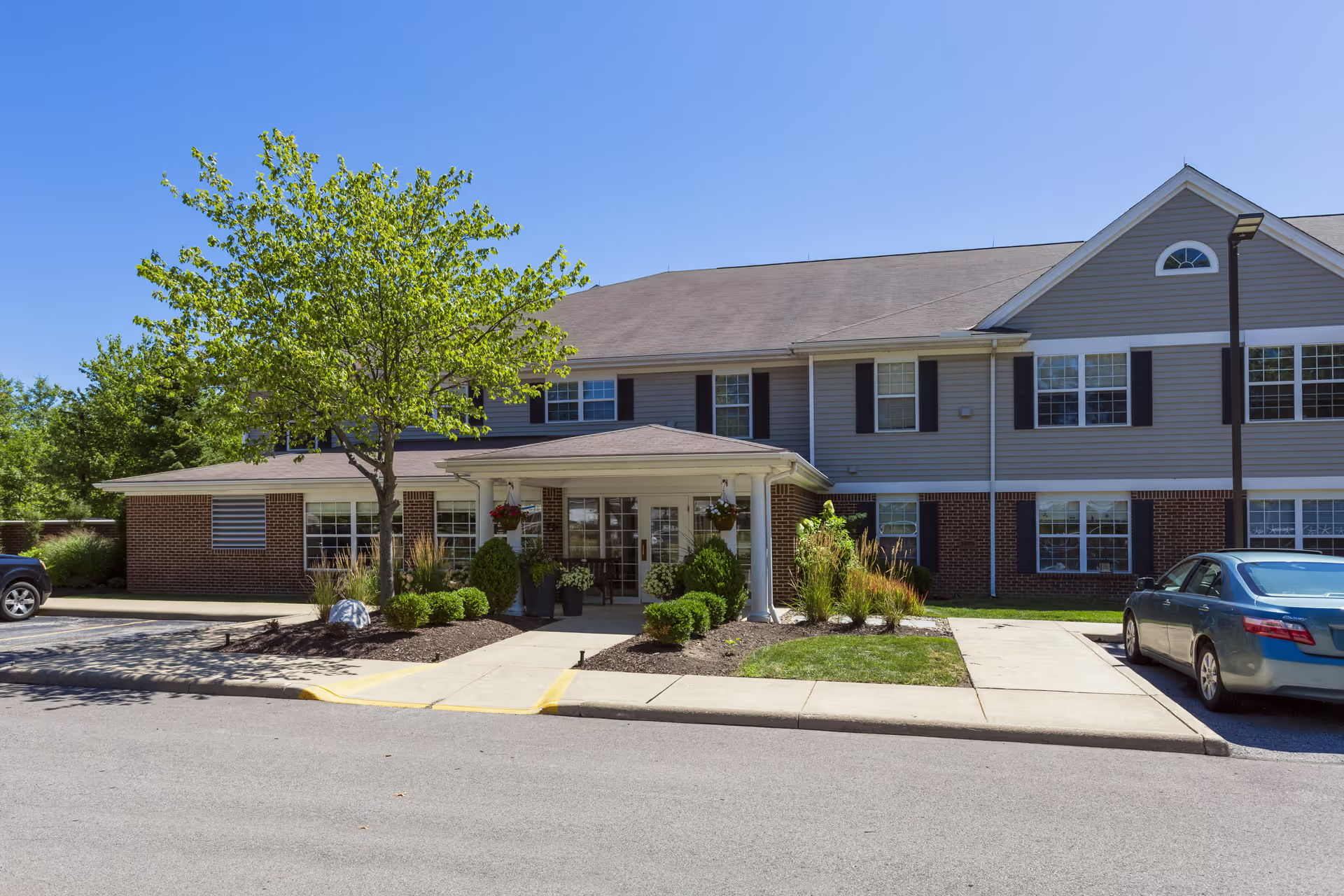
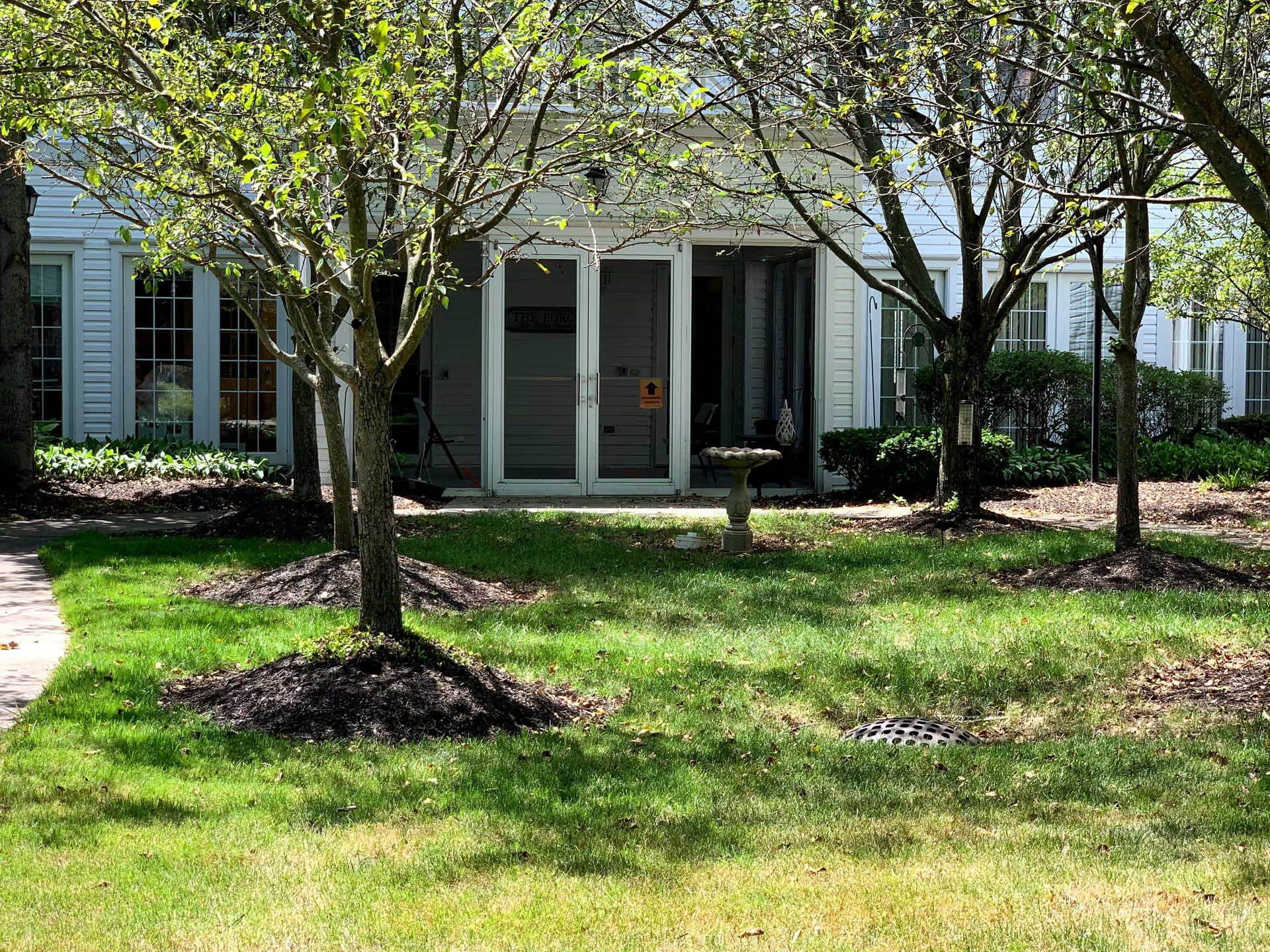
Facility condition varies by unit. Renovated wings and a specialized memory-care unit receive positive remarks for appearance and cleanliness. In contrast, certain areas are described as dated or in need of additional maintenance, and there are specific sanitation and pest-control concerns referenced for particular locations. Some wings also have limited phone or landline access, which can affect family communication during certain shifts.
Management and communication receive mixed evaluations. Several reviewers singled out the administrator, director of nursing, and admissions staff for helpfulness, smooth transitions, and open communication. Others reported delays in follow-up about belongings, inconsistent problem resolution, and limited transparency after significant incidents. The presence of a licensed social worker on staff and a hands-on admissions team are procedural strengths; however, families noted variability in how complaints are escalated and resolved.
Notable patterns: experiences at Avon Place appear highly dependent on unit, shift, and resident acuity. Short-term rehabilitation experiences tend to be more uniformly positive, while long-term and dementia-care experiences show more variability. Key operational areas for prospective families to evaluate in a tour or intake conversation include current staffing levels across shifts, medication-administration protocols and documentation, incontinence- and bathing-care schedules, infection-control and pest-control measures, personal-belongings handling, and dementia-care staffing and alarm/call-button reliability. Overall, the facility demonstrates clear strengths in therapy, community programming, and some aspects of leadership, but the inconsistent operational performance described by reviewers indicates a need for diligence when assessing fit for higher-acuity or long-term care needs.