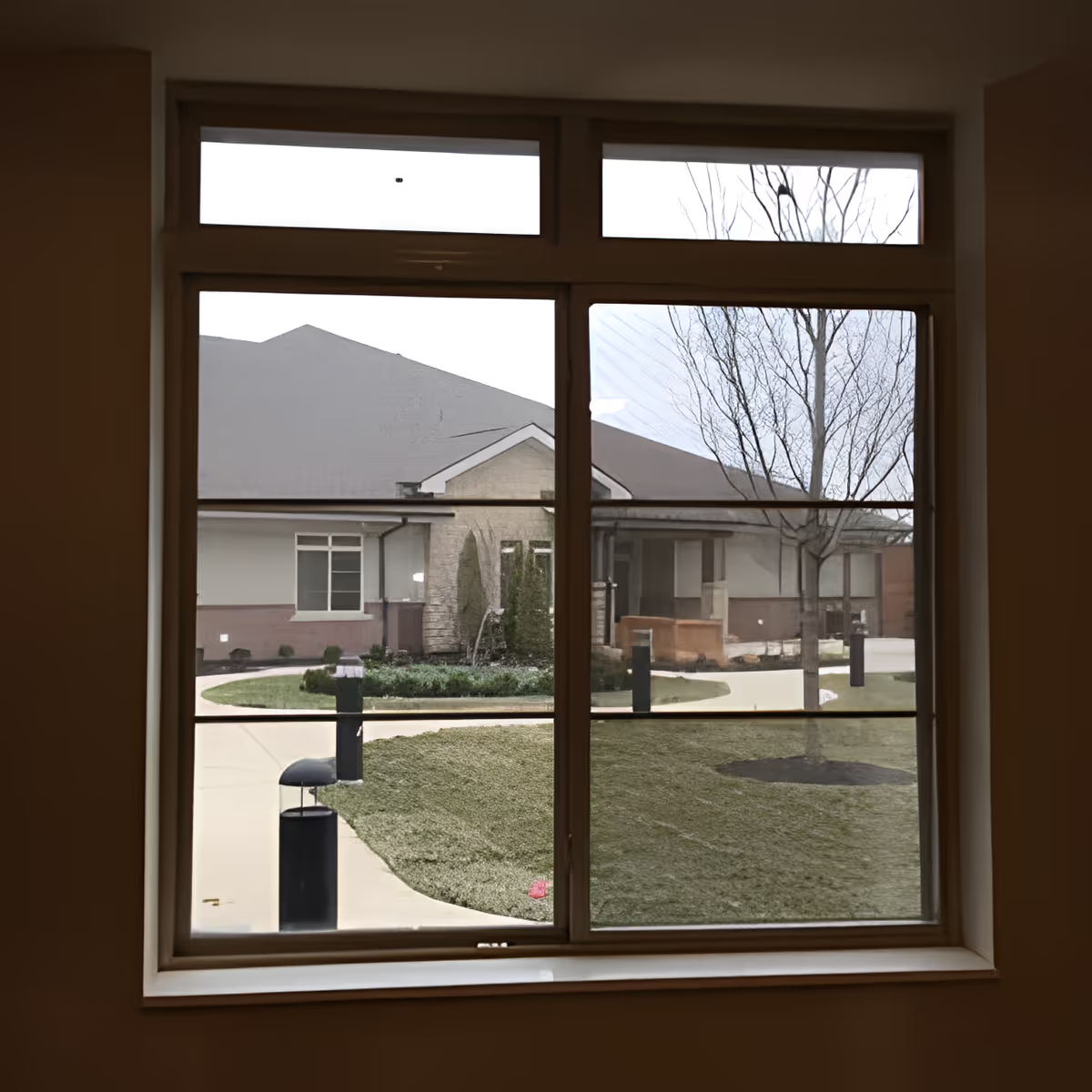
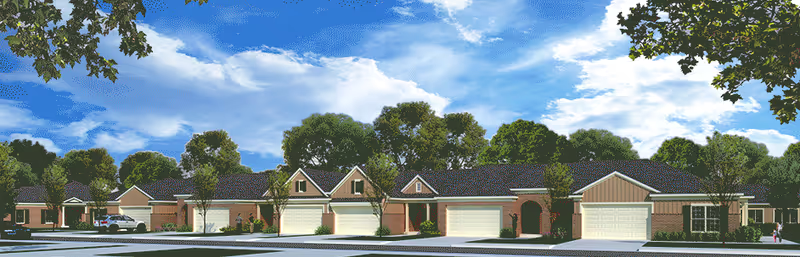
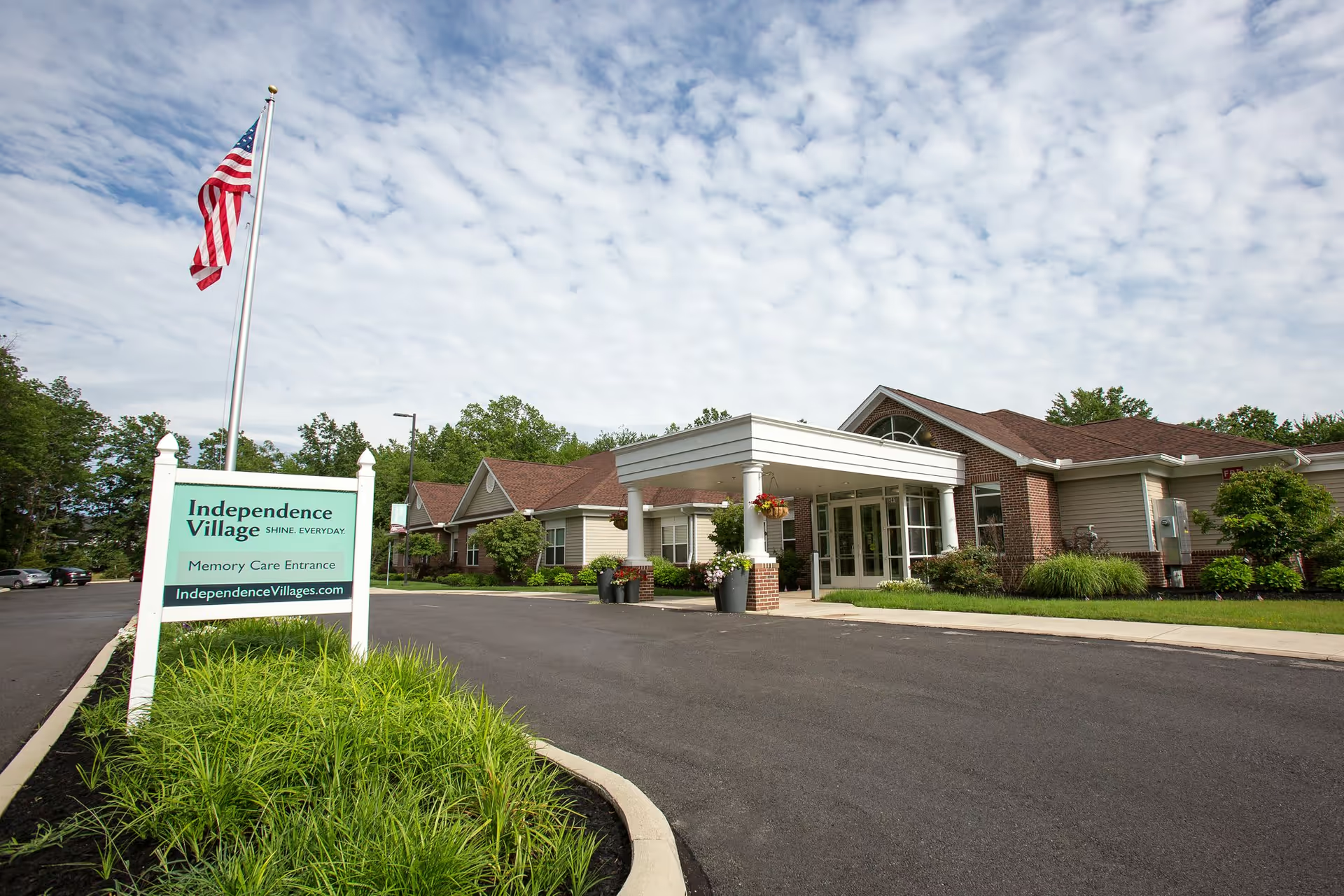
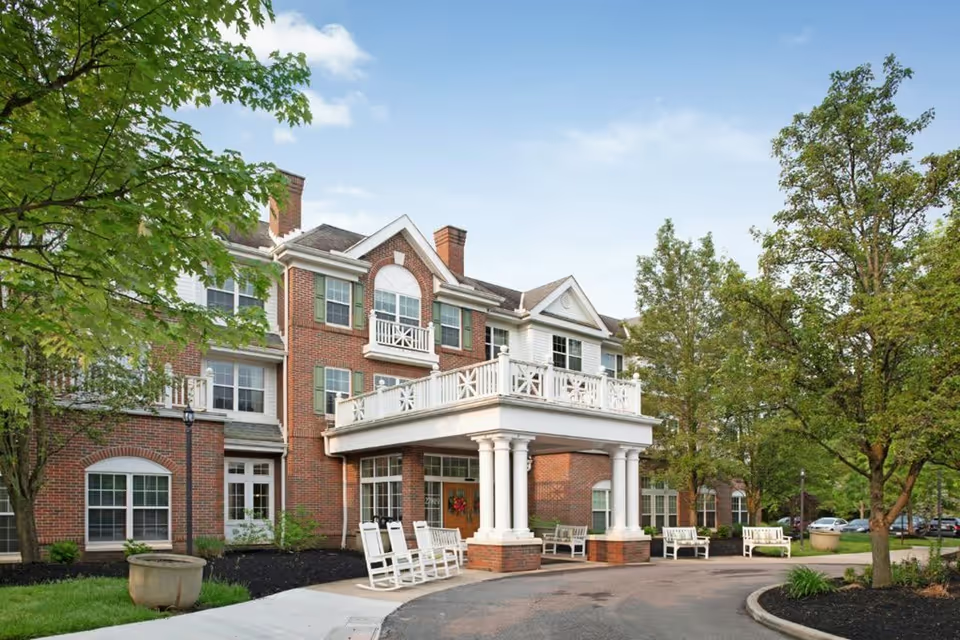
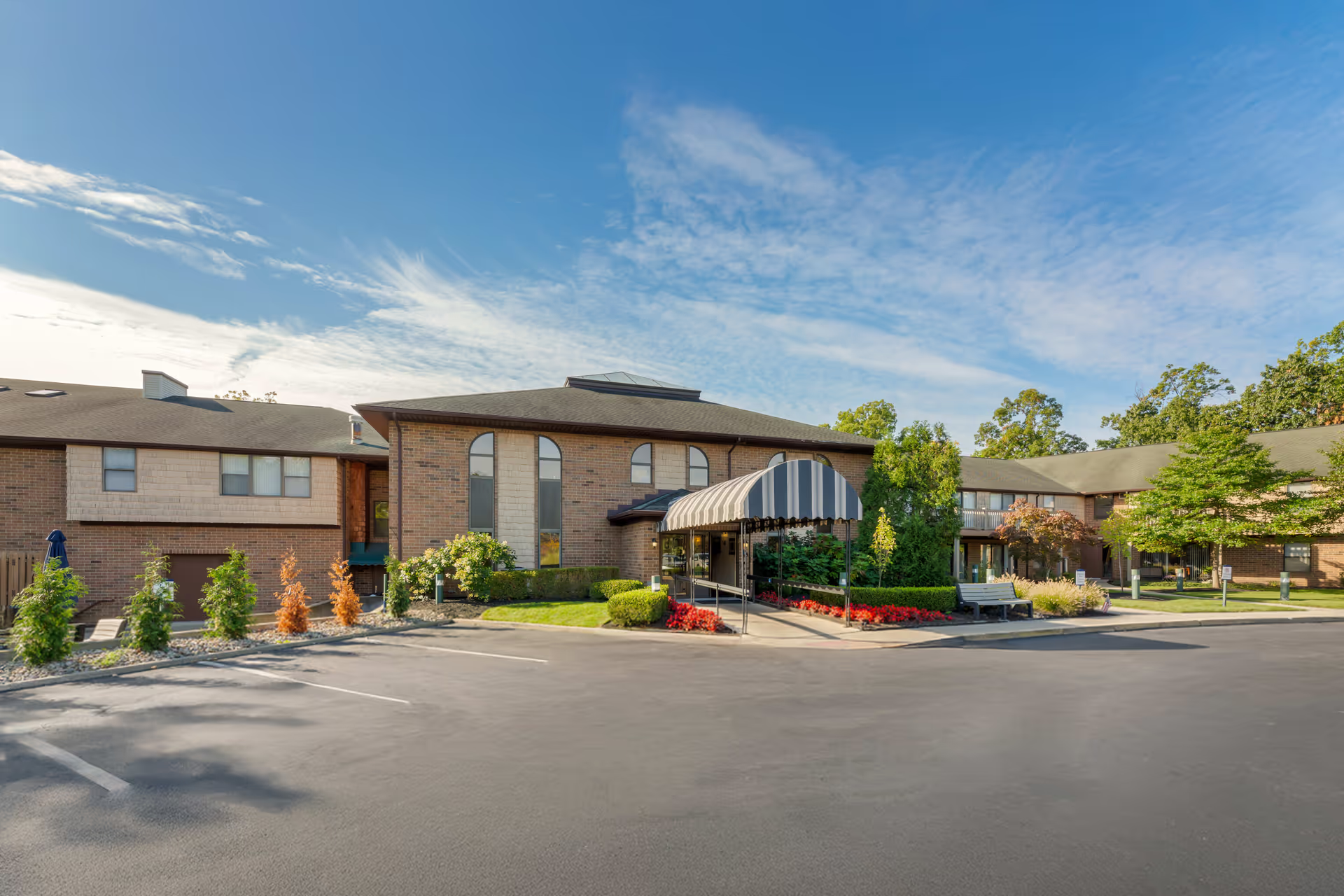
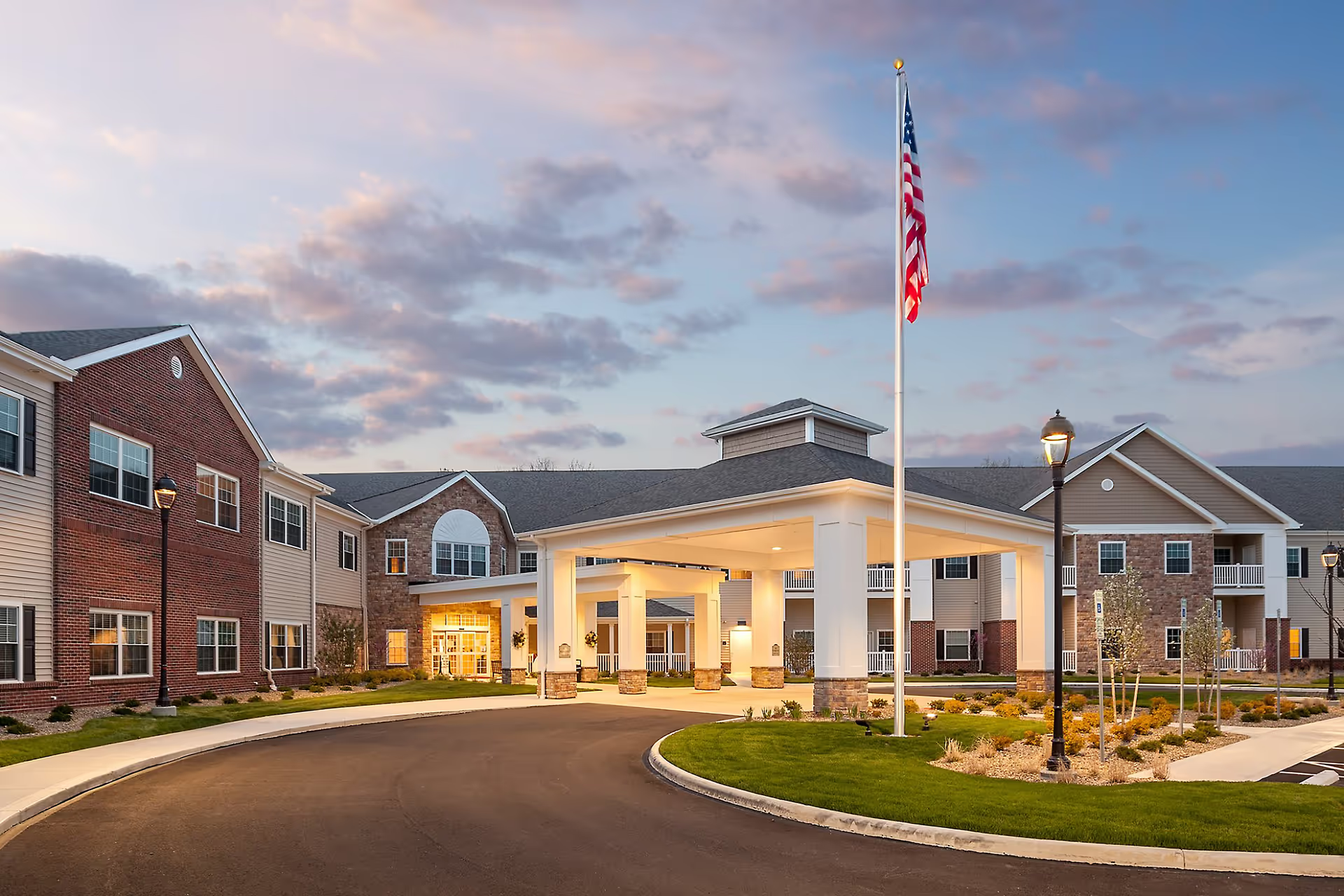
Saint Therese at St. Mary of the Woods presents a mixed picture in these reviews. Many families and residents praise the facility’s physical environment, spiritual life, and therapy capabilities: the campus is frequently described as bright, well maintained, and comfortable, with attractive common spaces, a chapel with regular services, and a variety of amenities (salon, bistro, library, cafe). Activity programming and cultural offerings — musical performances, orchestra visits, exercise classes, and social outings — are recurring strengths, contributing to a sense of community and engagement for many residents.
Clinical and caregiving strengths are also commonly cited. Reviewers highlight compassionate nurses and aides, responsive social-work and pastoral support, and strong rehabilitation teams (physical and occupational therapy) that have helped residents recover and discharge successfully. The facility’s ability to accommodate specific clinical needs, such as enteral feeding support, and the presence of knowledgeable therapists and attentive nursing staff are notable positives for families seeking skilled short-term rehab or continuing-care support.
Alongside those positives, there are consistent operational concerns that recur across reviews. Staffing levels and coverage emerge as a primary issue: delayed responses to call lights, long waits for assistance with bathing or toileting, and variable availability of CNAs and nurses are described. These staffing inconsistencies link to other operational weaknesses — inconsistent hygiene and linen practices, slow medication delivery or documentation gaps, and uneven meal-service execution. Several reviewers described instances that reflect broader safety and monitoring gaps (including falls and subsequent hospitalizations), and some families raised concerns about the facility’s incident-response processes and family notification practices.
Management and culture appear variable over time and between units. Some accounts describe attentive, professional leadership and helpful reception/administrative staff; others point to administrative delays (admission and discharge paperwork, billing/extra-charge practices), perceived prioritization of revenue, and uneven enforcement of staff conduct. Communication — both between shifts and with families — is a recurrent challenge: unclear handoffs, inconsistent updates, and difficulties getting timely explanations for care decisions were noted.
Dining and hospitality receive mixed ratings. Many reviewers praise made-to-order meals, restaurant-quality presentations, and supportive dining staff; other accounts cite inconsistent food quality, meal delivery issues, and surprise charges for dining services. Cleanliness and housekeeping are often lauded for common areas and weekly room cleaning, but isolated sanitation and linen-care concerns were reported in resident rooms and during busy staffing periods.
In sum, Saint Therese offers strong environmental amenities, spiritual programming, and effective therapy/rehab services for many residents. Prospective residents and families should weigh those strengths against recurring operational concerns: staffing consistency, response times, safety monitoring, and communication practices. For families considering this facility, direct conversations with leadership about staffing ratios, fall-prevention protocols, bathing schedules, medication administration procedures, and billing policies are advisable, along with regular in-person check-ins during initial stays to confirm care expectations are being met.