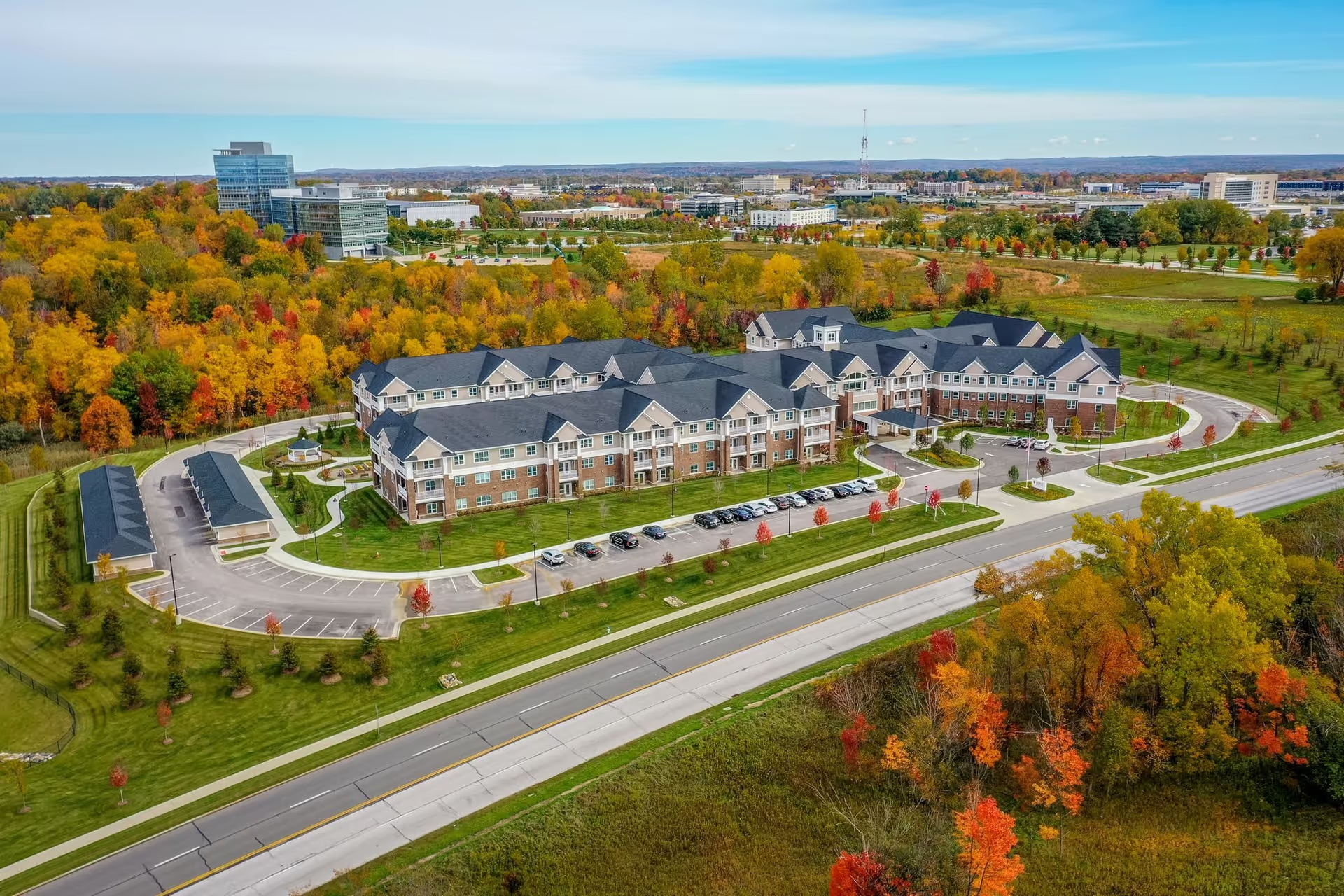
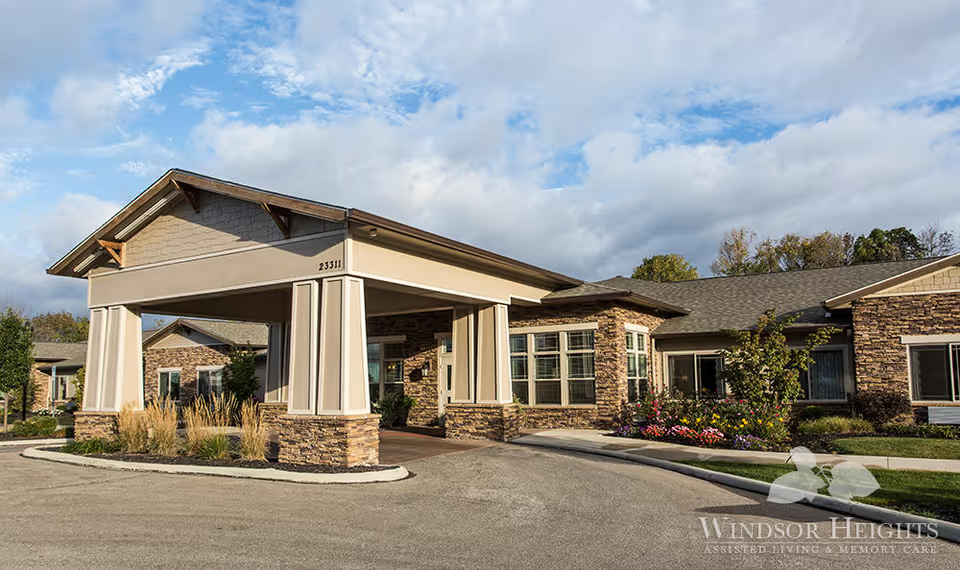
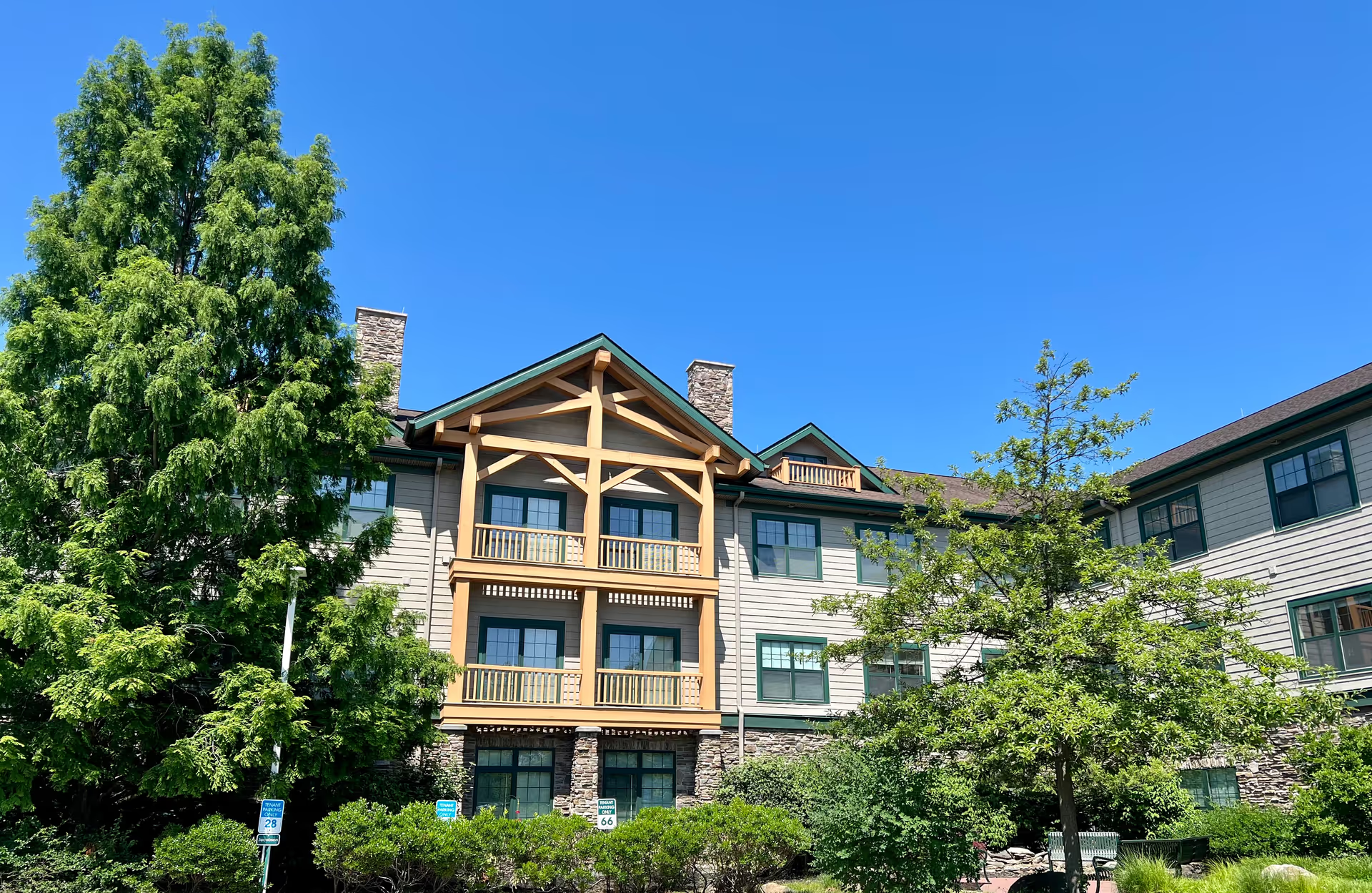
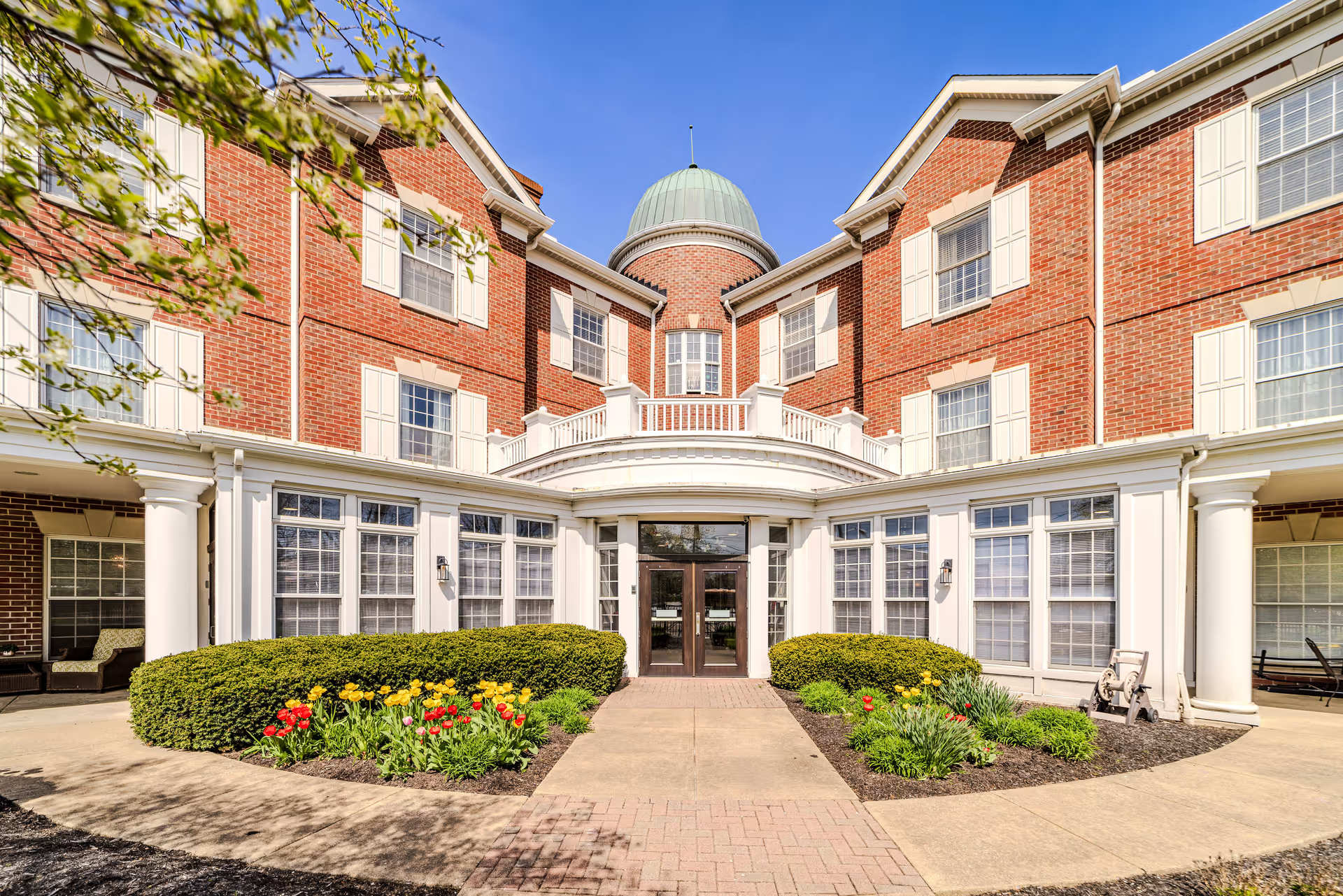
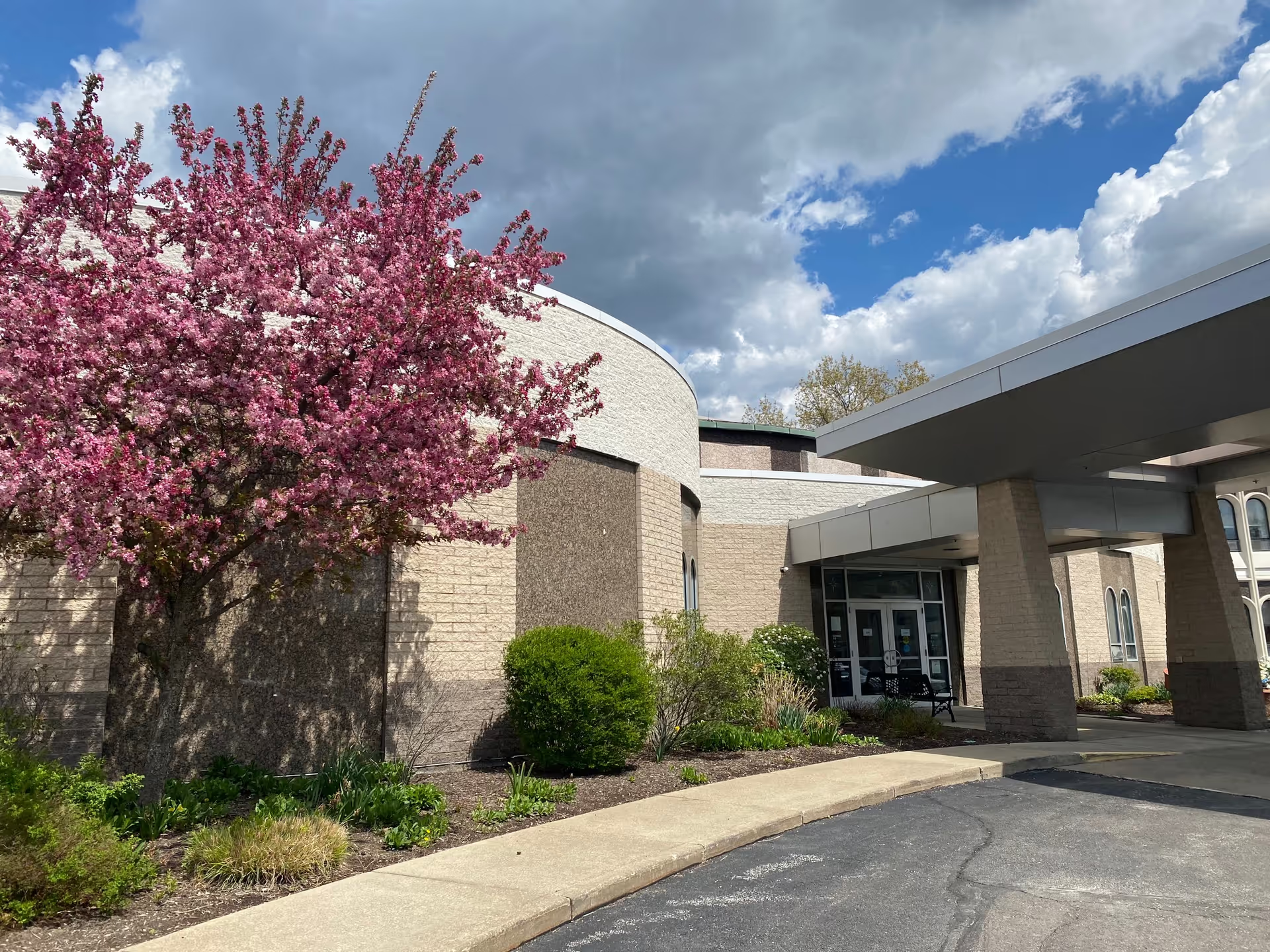
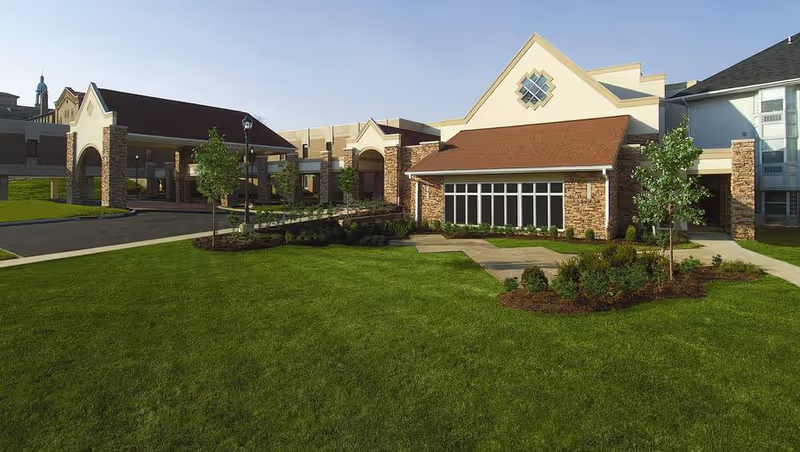
The reviews for Park East Center reflect a mixed picture with distinct strengths in therapeutic and clinical offerings alongside recurring operational and facility concerns. Therapy services—specifically daily physical and speech therapy—are consistently cited as a positive, and families also note an on-site physician, a memory-care program, and regular social programming (bingo, arts and crafts). Some staff members, including nursing personnel and the maintenance director, are described as helpful and attentive. Several reviews also mention recent management and nursing leadership changes that families perceive as an effort to improve long-term care operations.
Care quality and staffing present the clearest pattern of variability. Multiple accounts describe slow response times to call lights and prolonged waits for assistance, which reviewers characterize as delays in routine resident checks and support. There are also concerns about continuity of care related to frequent agency staffing; while an individual agency nurse was praised in one account, reliance on agency personnel is tied to inconsistent performance and less predictable staff continuity. Communication issues are noted as well—families report instances where clinical concerns felt ignored or handled inconsistently, though other accounts describe helpful, communicative staff.
Dining and daily routines appear inconsistent. Reviewers note recurring delays in meal service and examples of meals arriving late with excuses. These comments point to gaps in meal-service coordination and routine scheduling rather than single isolated incidents. Activities and therapy schedules are cited positively, indicating that the facility does provide structured programming and rehabilitation resources that can support residents’ engagement and function.
Facility condition and operations draw significant criticism in several summaries. Concerns include sanitation and pest-control problems in common areas and some rooms, general housekeeping and organization weaknesses, and instances of rooms lacking basic amenities such as televisions. Operational coverage issues are also highlighted: an absence of front-desk staff or unanswered phones on at least one unit was reported, and reviewers describe staff distraction from personal devices and workplace conversation that can undermine professionalism.
Management feedback is mixed. Some reviewers call for leadership change and criticize how complaints were handled; others acknowledge a new administrator and a DON who are actively addressing problems. This suggests recent or ongoing transitions in leadership with variable family perception of progress. There are also isolated allegations about hiring practices and HR conduct that indicate tensions around staffing recruitment and retention.
For prospective residents and families, the pattern suggests clear strengths in therapy services, daily programming, and some engaged staff, but also operational risks tied to staffing consistency, cleanliness standards, meal reliability, and front-desk coverage. An in-person visit that includes asking about current staffing models (including agency use), typical call-light response times, cleaning and pest-control protocols, meal schedules, and recent quality-improvement initiatives under the current administration would help assess whether recent changes have addressed the concerns raised in these reviews.