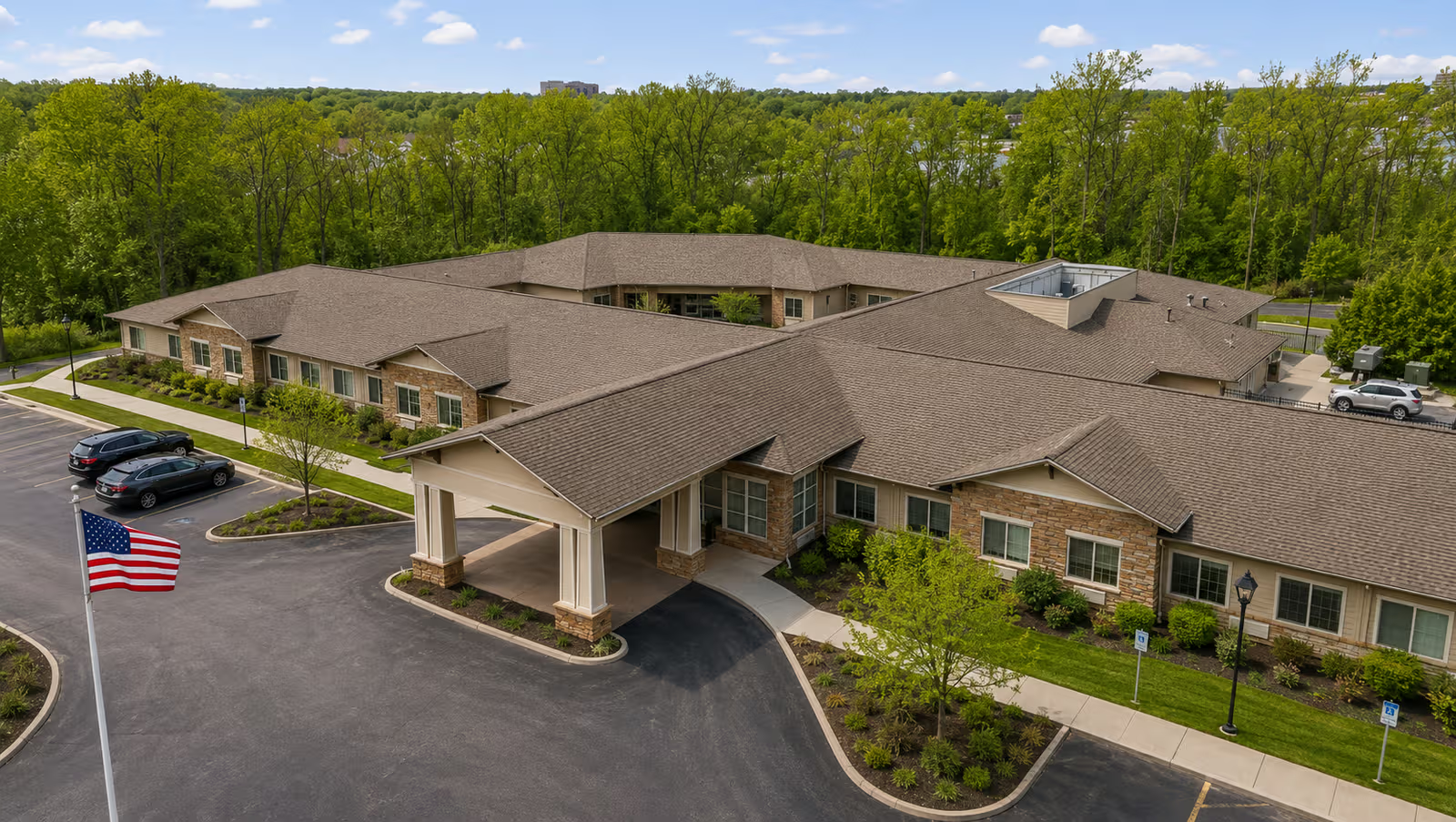
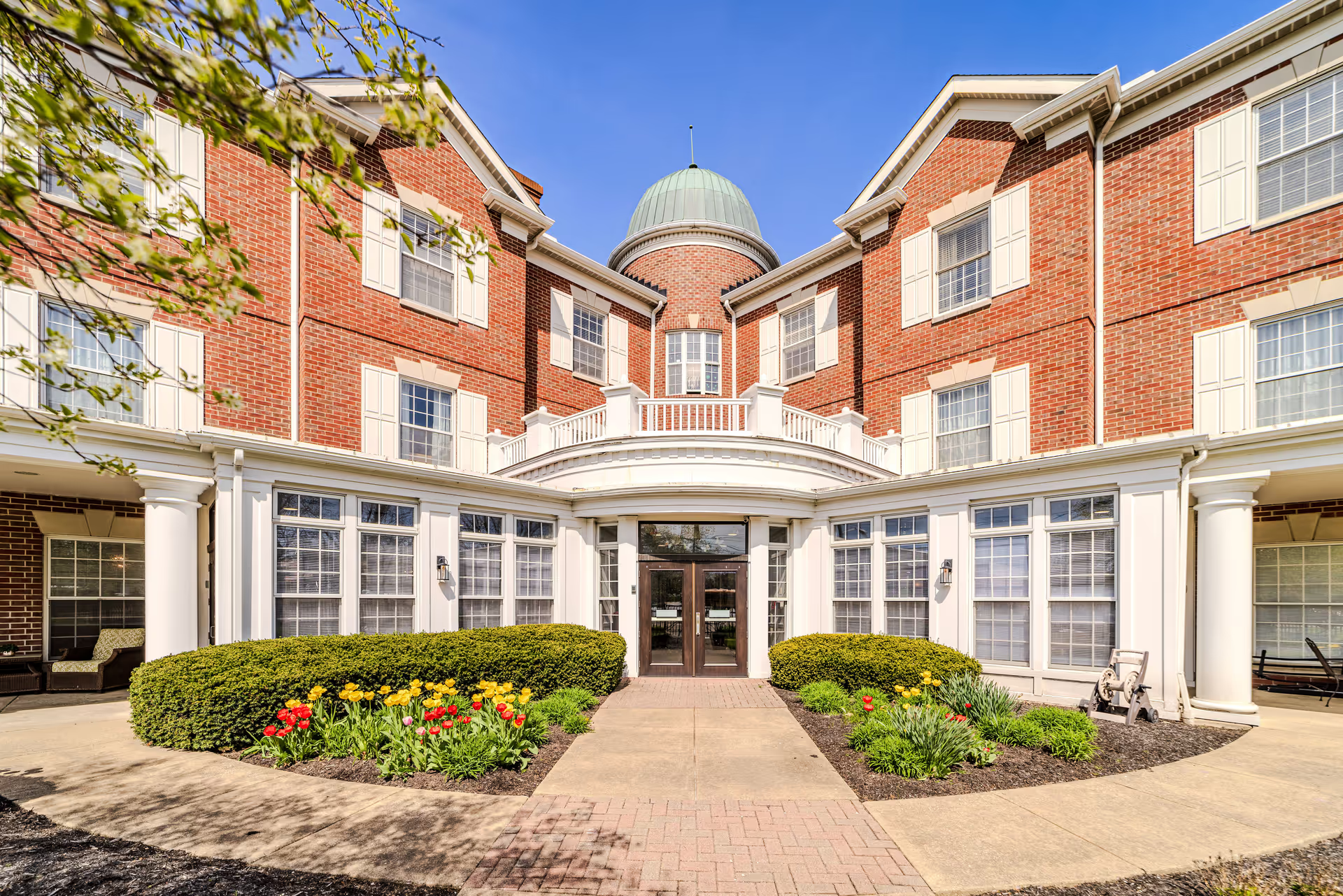
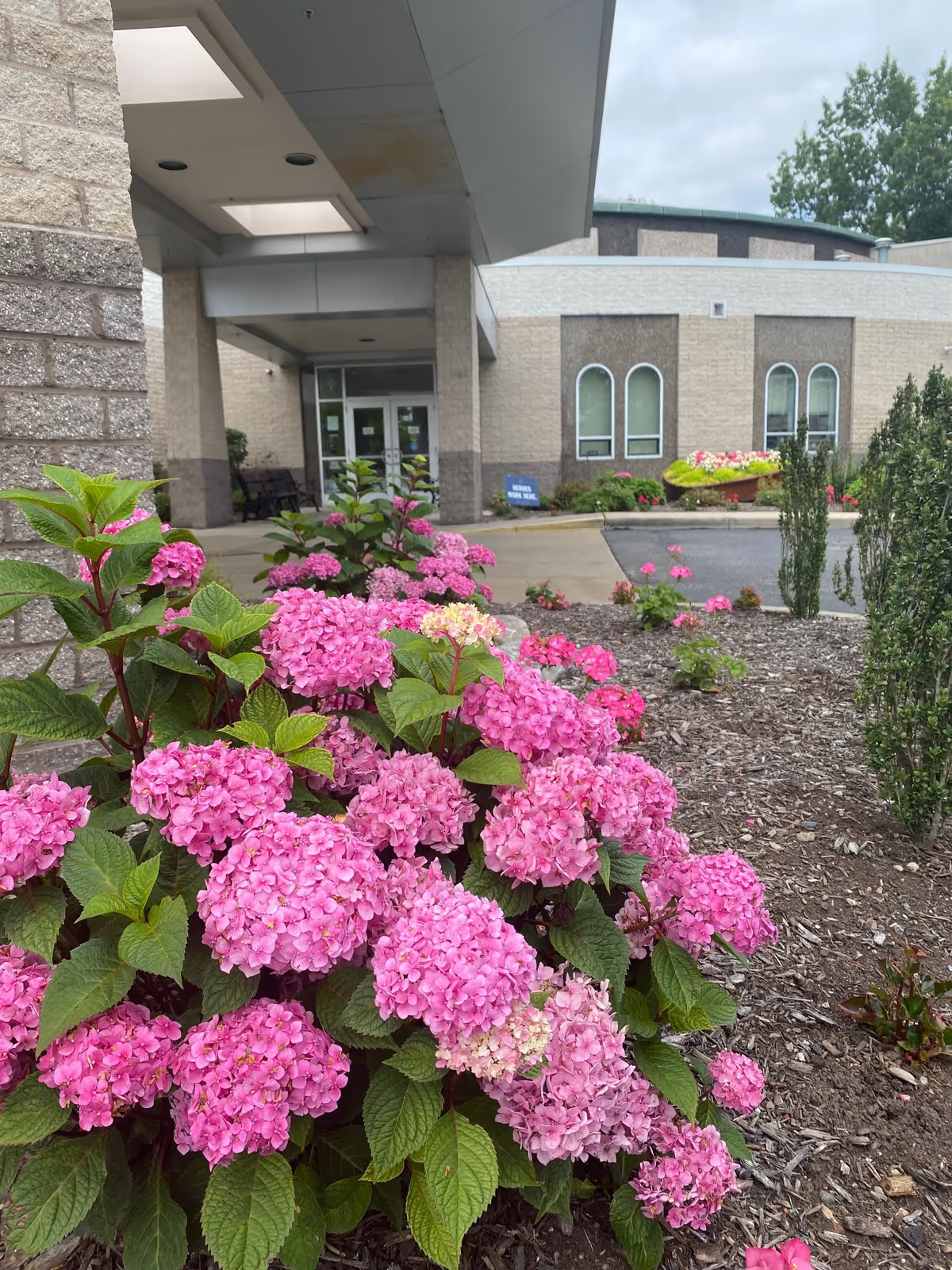
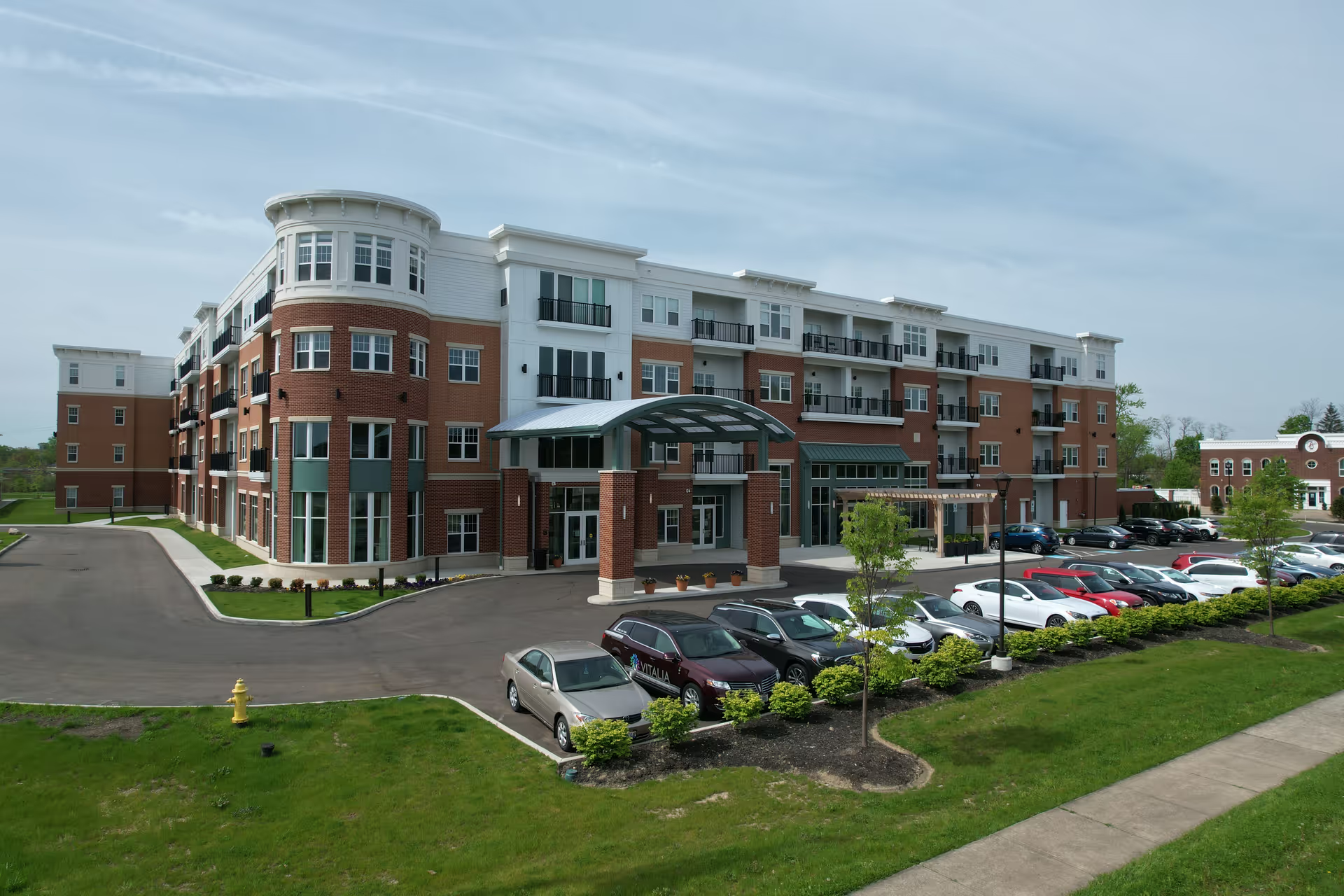
Reviews of Shaker Gardens present a mixed picture with distinct positive strengths alongside recurring operational concerns. Many families and residents praised specific caregivers, therapy staff, and front-line employees for compassionate, attentive care and strong rehabilitation outcomes. The facility’s activity schedule (bingo, movie nights, crafts, celebratory events and social offerings) and assistance with move-in logistics and transportation were singled out as valuable supports. Several comments also described spacious rooms and clean dining areas, and a number of reviewers recommended the facility for short-term rehabilitation stays based on therapy performance.
At the same time, reviewers highlighted a number of consistent operational issues. Staffing levels and coverage appear to be uneven: comments described periods of short staffing, limited presence on weekends and holidays, and variability in caregiver responsiveness. These patterns were linked to longer wait times for assistance, inconsistent mealtime support, and delays in clinical escalation and hospital transfers. Reviewers also raised concerns about pressure-injury prevention and timely incontinence care, indicating gaps in routine clinical attention for some residents.
Facility upkeep and safety were other recurring themes. Several accounts noted delayed replacement or repair of furniture and equipment, water-damage areas, and ongoing maintenance backlogs. Odor concerns and cleanliness inconsistencies in some common areas and rooms were reported, alongside worries about elevator reliability and building security (for example, access control and a single small elevator servicing multiple floors). These infrastructure and sanitation concerns were frequently cited as affecting resident comfort and safety.
Management and communication practices received mixed feedback. While some families described helpful coordination by specific staff members who arranged housing and visited in person, others described unreturned calls, delayed responses to family inquiries, and an overall perception of disorganized or unprofessional leadership. Multiple reviewers described inconsistent staff conduct, including distractions during care activities and variable training or tone when interacting with residents. There were also serious claims of missing valuables and other financial concerns; these were presented as allegations and indicate a need for careful documentation and follow-up.
Dining and nutrition emerged as an inconsistent area: some reviewers praised the dining environment, while others criticized meal quality, poor nutrition, and lack of assistance during meals. Activity availability was similarly uneven—active programming was praised when present, but several accounts described markedly reduced engagement on weekends or holidays.
Taken together, the reviews suggest Shaker Gardens offers notable strengths in compassionate caregiving and rehabilitation services, and can provide a positive short-term therapy experience. However, prospective residents and families should evaluate operational reliability—especially staffing levels, clinical escalation processes, sanitation and maintenance schedules, dining continuity, and facility security—before making placements. Visiting the unit during weekends and meals, asking for documentation of staffing ratios, maintenance plans, emergency-transfer protocols, and procedures for safeguarding residents’ valuables are practical steps to clarify whether the facility’s current operations meet a family’s needs.