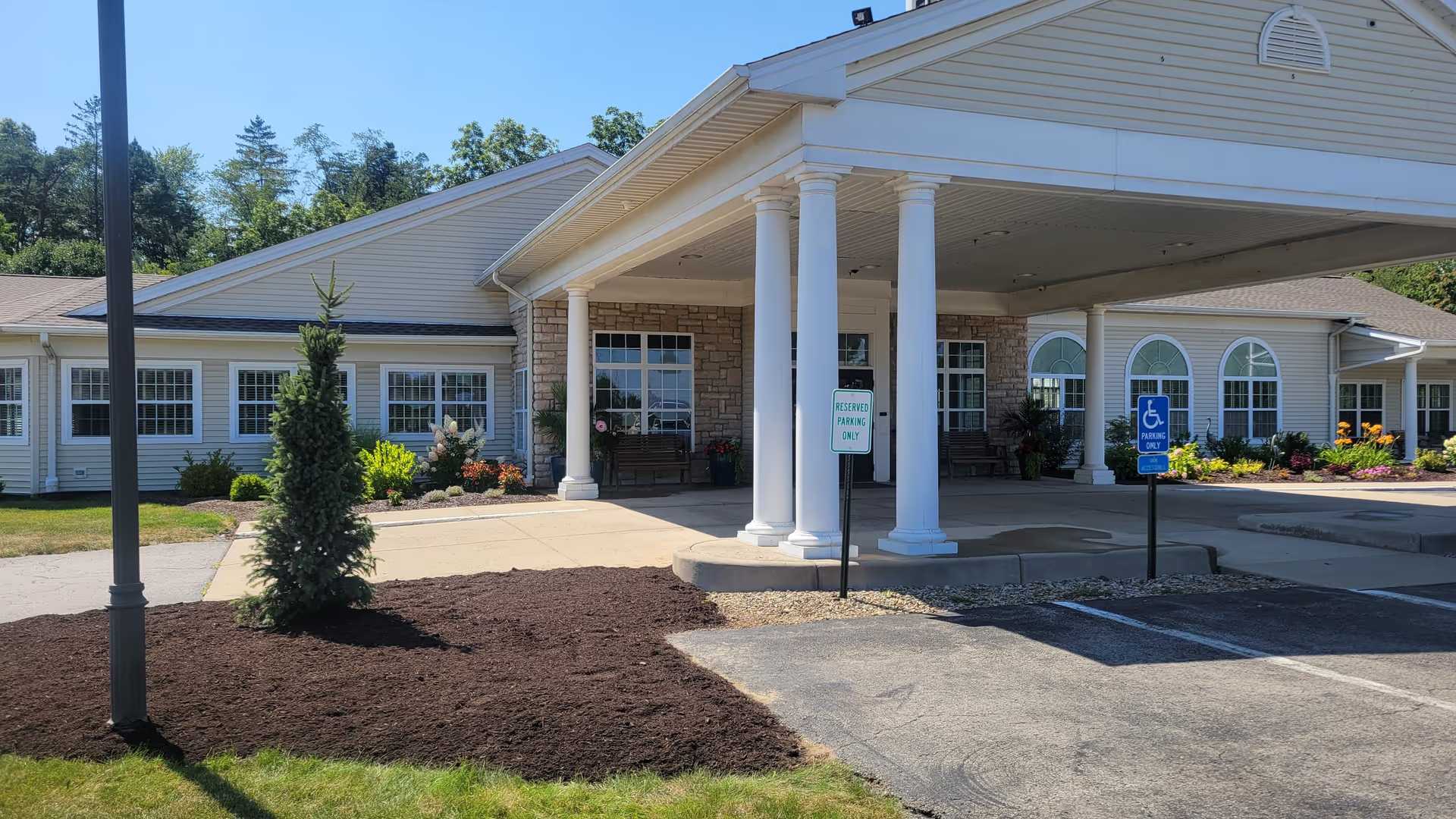
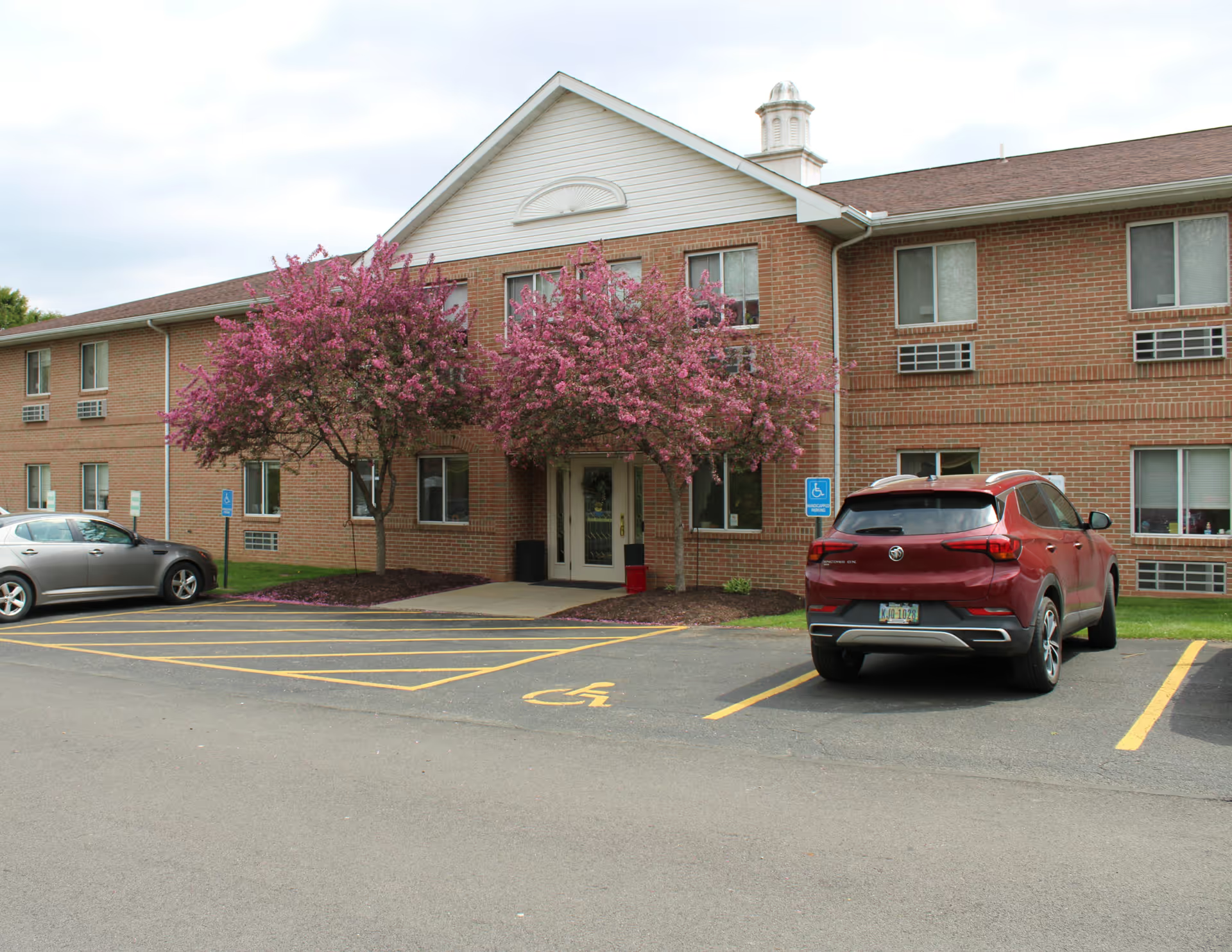
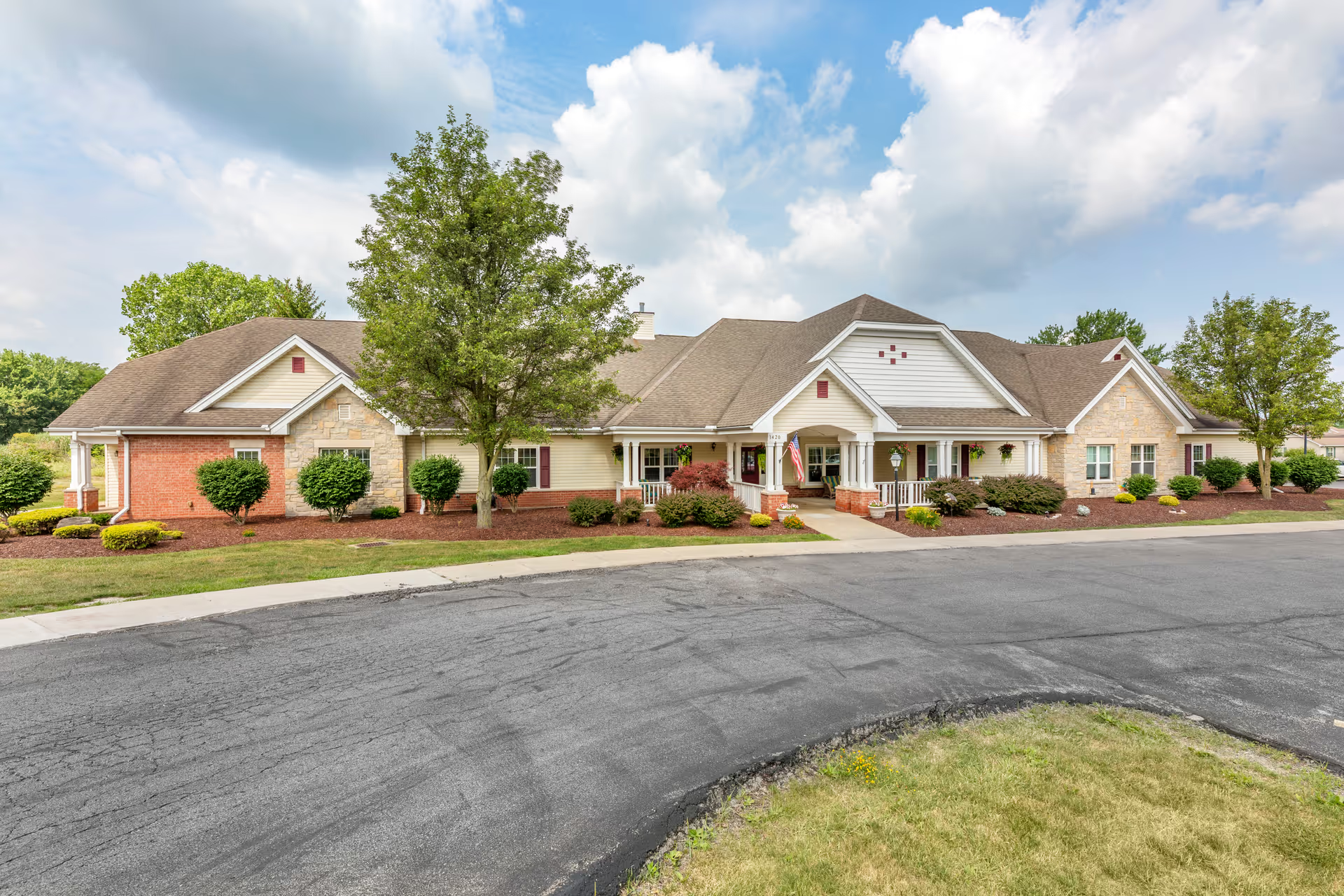
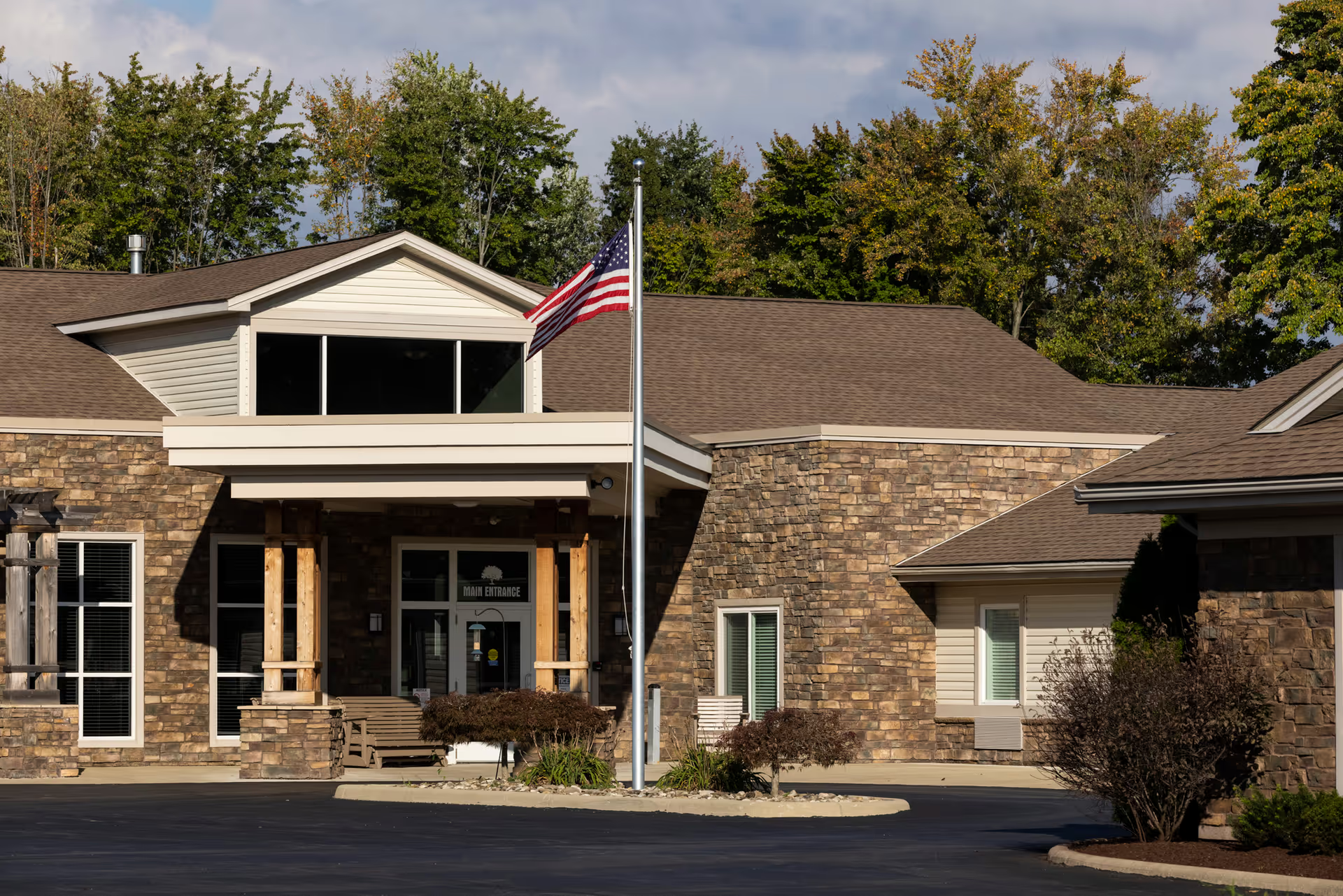
The reviews present a mixed picture of Greenbriar Healthcare Center, with a clear division between consistently positive experiences—especially around rehabilitation—and a number of serious operational concerns. Many families praised the facility’s therapy department, noting measurable functional gains and successful discharges after short-term rehab. Direct-care staff and some nursing teams are described as compassionate, attentive, and family-oriented; social work and case management received specific commendation for accessibility and problem-solving. Several reviewers also highlighted the physical environment positively: updated therapy areas, comfortable rooms with in-room bathrooms, attractive common spaces, and engaging volunteer and activity programs.
At the same time, a substantial portion of feedback points to recurring operational weaknesses. Staffing instability and shortages are a prominent theme and appear to underlie several downstream problems: delays in responding to call lights, inconsistent bathing and personal-care schedules, and gaps in supervision. Relatedly, reviewers identified variability in staff conduct and responsiveness—some staff are praised as excellent, while others are characterized as rude or unresponsive—suggesting inconsistency in training, oversight, or shift coverage. Concerns about clinical oversight and medication administration were raised, including anxiety about monitoring and timely delivery of prescribed treatments.
Dining and environmental maintenance are areas of mixed performance. Multiple accounts describe enjoyable meals and attentive dining staff, while others cite inconsistent meal execution, missing menu items, and limited beverage availability. Cleanliness and sanitation assessments vary across reviewers: many describe well-kept, renovated spaces and pleasant smells, whereas others raised sanitation concerns and odor issues in specific units or at particular times. Incontinence-care scheduling and laundry turnaround times were also identified as recurring service problems that affect resident comfort and dignity.
Communication and management emerged as another pattern. Families cited difficulties reaching staff by phone, delays in callbacks, and variable follow-through on complaints. There are indications of high staff turnover and low morale in some reports, which can exacerbate inconsistency in resident care. More serious allegations appear in a subset of reviews, including claims of theft and references to Ombudsman involvement and a state-level inquiry; there are also concerns following a COVID-19 outbreak. These items suggest that prospective families should review public quality and inspection records and ask facility leadership about corrective actions and oversight.
For prospective residents and families, the overall pattern is one of strong rehabilitation capability and genuinely caring employees in many departments, tempered by operational reliability issues tied to staffing, supervision, and communication. Practical questions to ask when evaluating the facility include current staffing ratios and vacancy rates, policies and monitoring for medication administration, infection-control and sanitation audits, how the facility handles personal-care scheduling, the meal-substitution process when menu items are unavailable, and recent regulatory or Ombudsman actions and their resolutions. Visiting the unit at different times of day may help gauge consistency in responsiveness, dining service, and cleanliness.