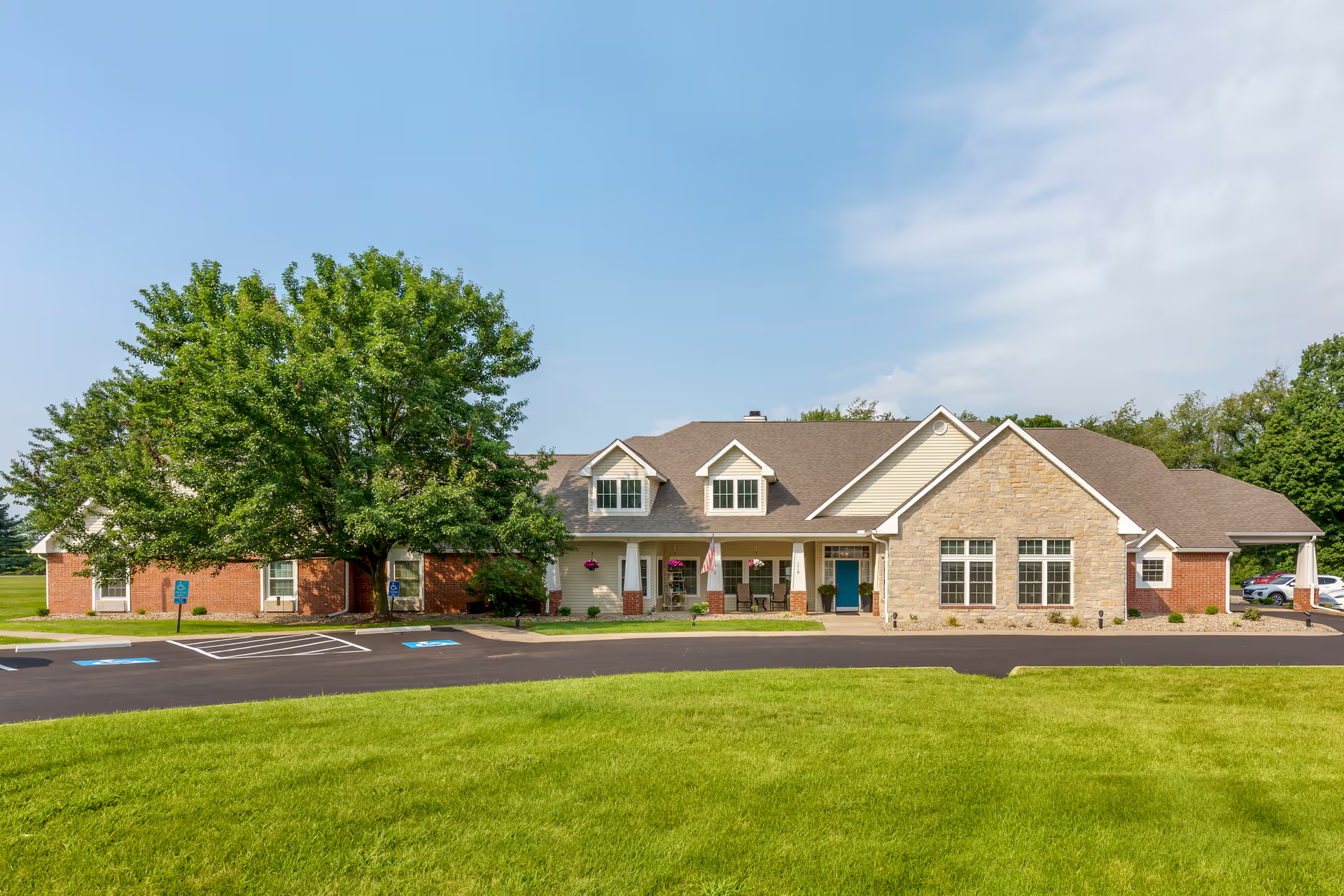
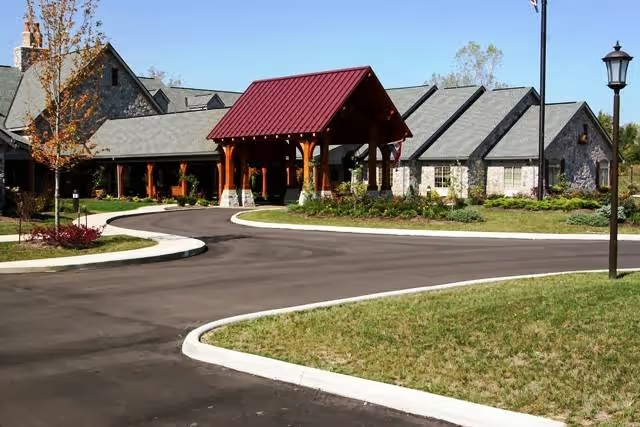
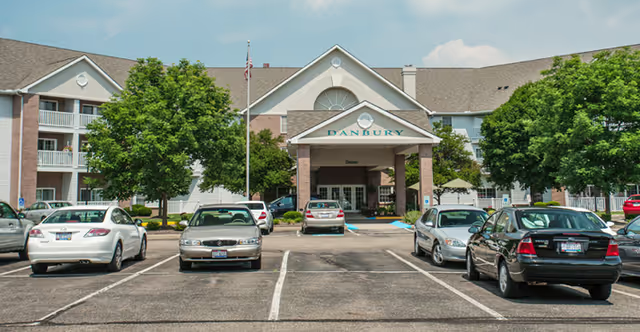
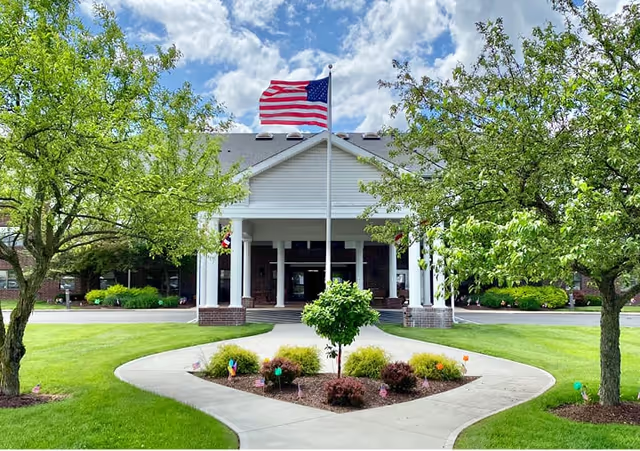
The Chapel Hill Community is described by many families as a campus with substantial strengths in setting, amenities and social programming. Reviewers frequently cite a pleasant rural setting with lake and wooded views, well-kept grounds, trails and outdoor seating. The campus offers a true continuum of care—independent living homes and cottages, assisted and memory-support units, on-site therapy and hospice resources—which some families found helpful when care needs changed. Independent-living cottages are noted as spacious and accessible, often with attached garages and included services such as landscaping, snow removal, housekeeping and transportation.
Activity and social life are consistently identified as strong points. The community offers a broad slate of activities (group games, crafts, music, prayer groups, yoga, outings, therapy-dog visits and special programs) and centralized social spaces including a clubhouse and dining room that support resident engagement. Spiritual care is available on campus through an on-site chapel and full-time pastoral/chaplain support. Several reviewers praised therapy and rehab staff for effective short-term rehabilitation and return-to-function outcomes.
Staffing and care quality present a mixed pattern. Numerous reviewers describe compassionate, attentive nurses and caregiving staff who go beyond expectations and maintain positive, family-oriented relationships. Named staff members and front-desk liaisons received repeated praise for helpfulness and effective communication. At the same time, a substantial number of accounts point to chronic understaffing, slow responses to call lights, inconsistent medication or therapy administration, and uneven clinical coordination. These operational gaps have translated, in some cases, into delayed assistance, missed or late medications and frustration around care transitions.
Dining and housekeeping elicit varied feedback. Many families value the communal dining room, occasional special treats, and flexible meal options; others report inconsistent meal temperatures, service delays and variability in food quality. Housekeeping and property maintenance are generally appreciated for landscaping and exterior upkeep, but several reviews describe interior maintenance deficits—deteriorating finishes, incomplete renovations and other infrastructure issues—that affect perceived value for cost.
Management, communication and administrative practices are another area of divergence. Positive anecdotes note front-desk staff and named administrators who facilitate smooth move-ins and ongoing family communication. Contrasting reports describe difficulty reaching staff by phone, inconsistent follow-through on requests, billing and paperwork errors, and weak responsiveness from leadership during clinical concerns. There are also mentions of privacy and property-handling issues and, in a few stronger accounts, allegations of staff misconduct or inappropriate behavior; such claims underscore the importance of direct family engagement and oversight during admission and while care is ongoing.
In summary, Chapel Hill offers attractive campus amenities, a broad activity program, spiritual resources and a care continuum that appeal to many residents and families. These strengths coexist with recurring operational challenges—principally staffing consistency, response times, care coordination, cleanliness in some areas and facility maintenance—that have led some families to seek alternative placements. Prospective residents and families should consider visiting multiple units, asking about current staffing ratios and recent quality-improvement actions, reviewing contract and billing practices carefully, and verifying communication protocols before committing.