Overall impression: Reviews reflect a facility with clear clinical strengths and a generally warm, social atmosphere, coupled with operational inconsistencies that affect resident experience. Many families emphasize compassionate, patient-centered caregiving, strong rehabilitation services, and visible coordination among physicians, nursing, and therapy staff. At the same time, recurring operational issues — particularly at the room level and in some units — temper otherwise positive clinical impressions.
Care and staff: Clinical care and frontline staff receive frequent praise. Reviewers commonly highlight attentive nursing, caring aides, skilled physical and occupational therapists, and 24-hour nursing availability. Staff are often described as compassionate, patient-focused, and willing to advocate for residents; the Alzheimer unit and rehab teams receive specific commendations. However, there is variability between units and shifts: some accounts describe delayed responses to call lights, slow assistance during personal-care events, and concerns about the tone or conduct of particular employees. These patterns suggest generally high-quality clinical skills with occasional lapses in responsiveness and interpersonal consistency.
Dining and activities: The activity program and social engagement are noted strengths — residents are described as interacting, enjoying planned events, and benefiting from an engaged activity coordinator. Conversely, meal quality is inconsistently described: some families are satisfied while others report subpar meals. Prospective families should ask about current dining menus, special-diet handling, and mealtime oversight during tours.
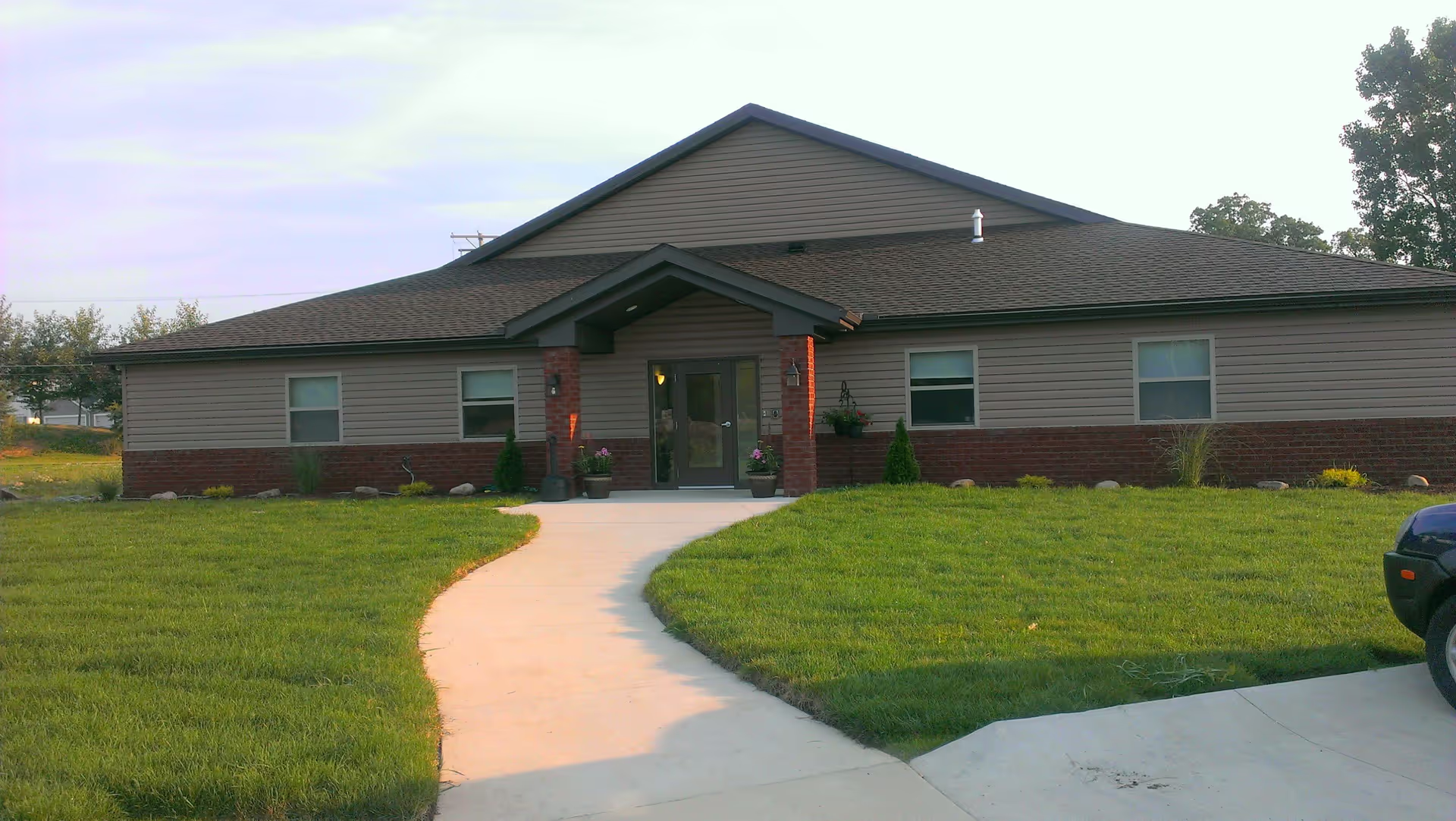
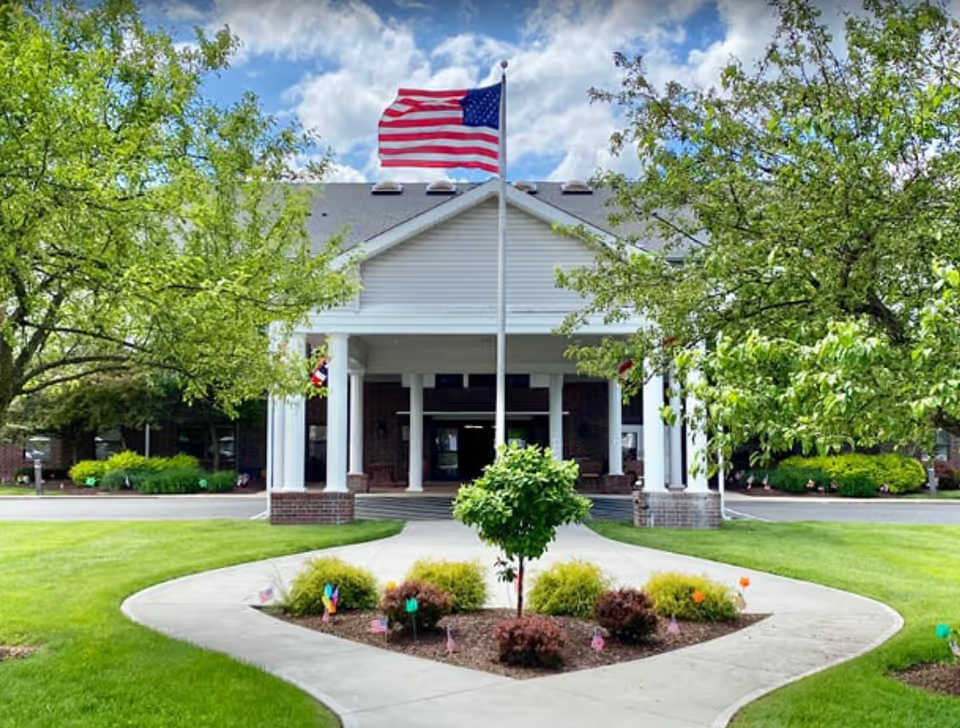
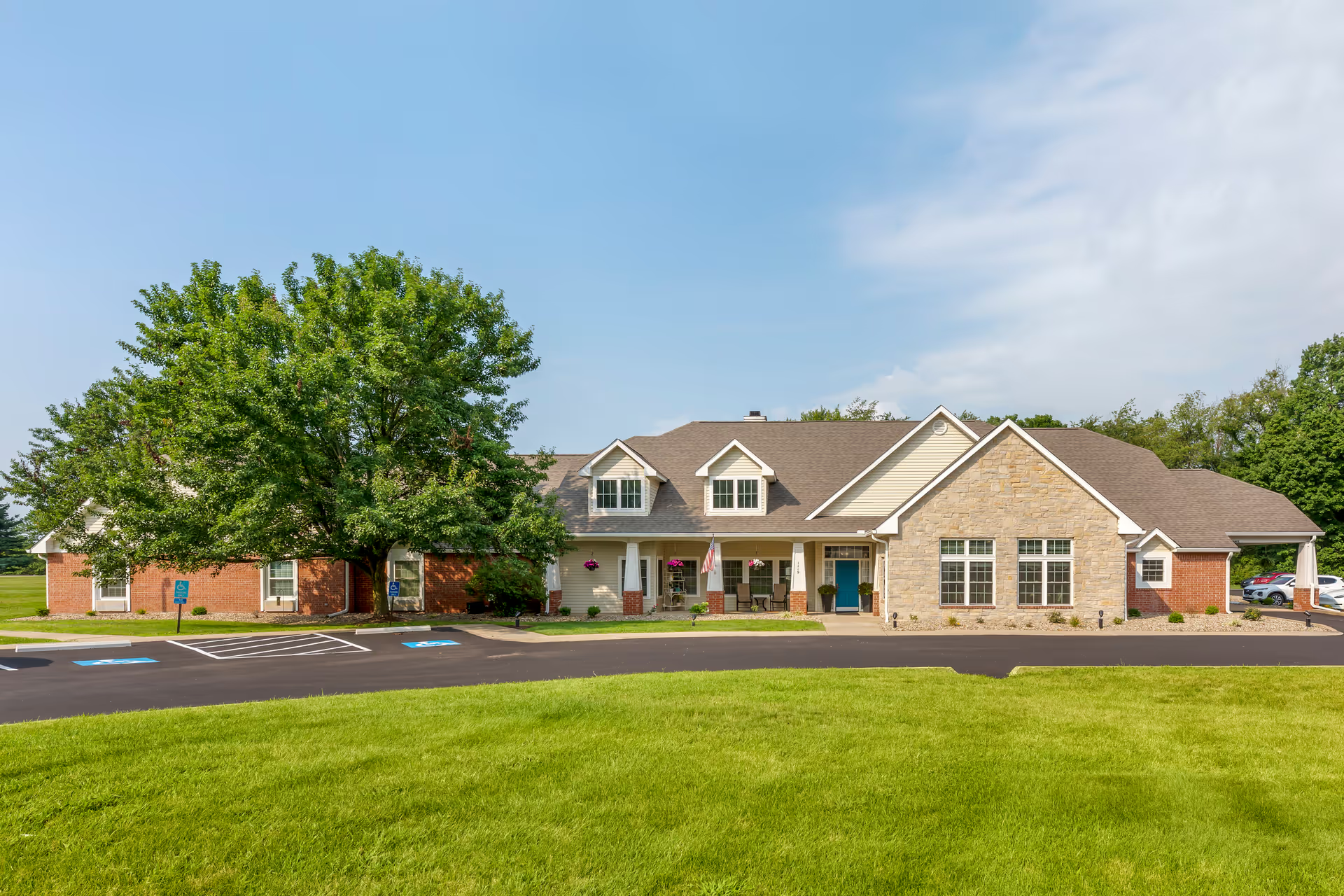
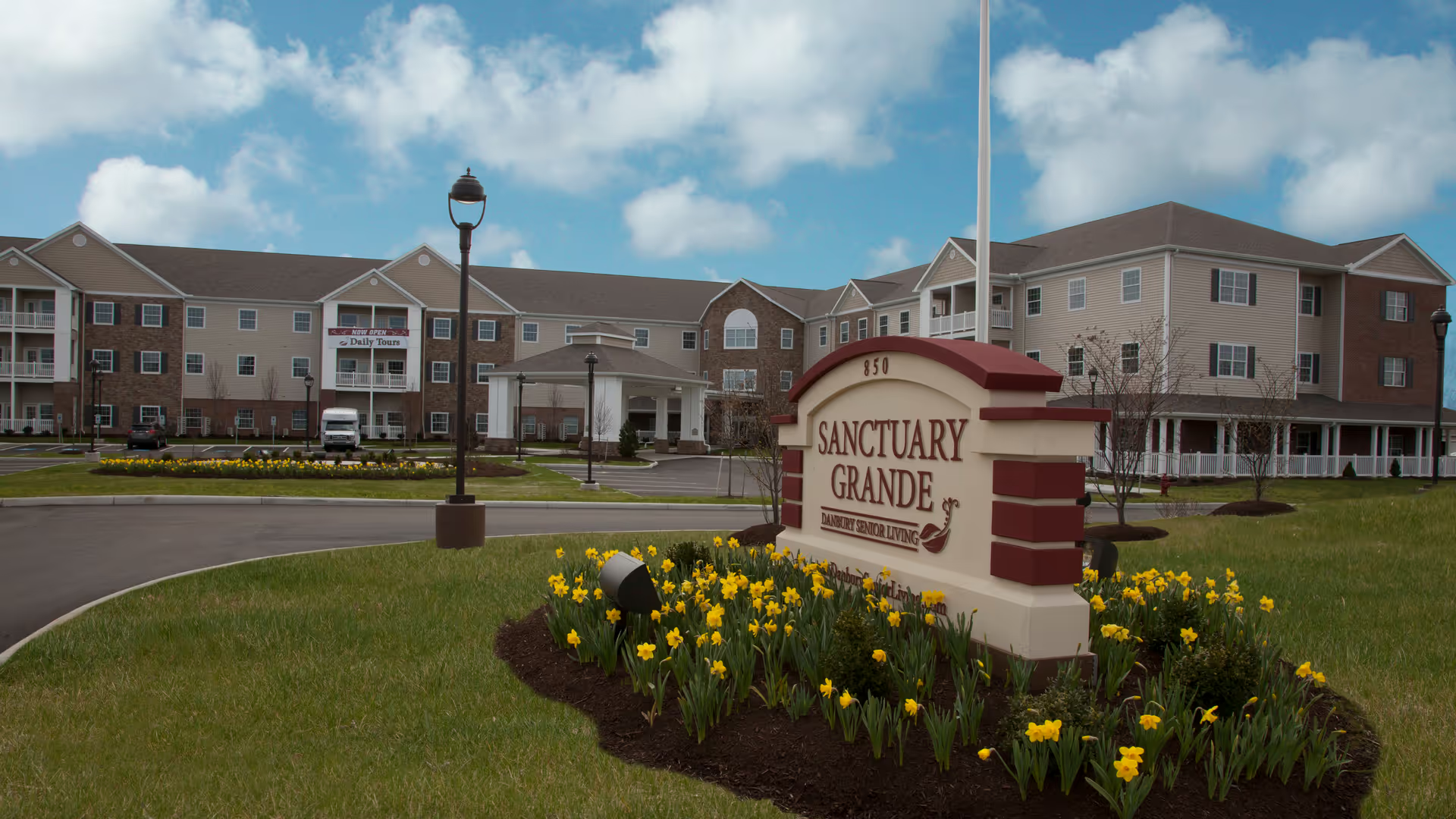
Facilities and cleanliness: Common areas and many parts of the building are described as clean and well-maintained, and housekeeping receives positive mentions. There are also multiple reports of room-level maintenance and sanitation deficits: missing or damaged fixtures, temporary repairs, taped surfaces, and instances of rooms not being fully prepared at admission. Several comments also reference localized odor concerns and broader sanitation or infection-control questions. These mixed observations indicate that facility upkeep is acceptable in public spaces but may be inconsistent at the individual-room level.
Management and operations: Admissions staff and some administrators are praised for being helpful, honest, and responsive; positive vendor and billing interactions are also noted. Conversely, other reviews describe gaps in communication, incomplete admission procedures, incorrect room assignments, phone/phone-answering issues, and limited follow-through from ward leadership. There is at least one serious complaint alleging financial mishandling. Collectively, these items point to uneven operational reliability and suggest prospective families should clarify admissions checklists, complaint escalation pathways, and financial policies during the placement process.
Notable patterns and guidance for families: The facility appears to offer strong rehabilitative care, a caring culture among many staff, and active social programming. Recurrent operational issues — inconsistent room maintenance, intermittent staffing shortages, variable responsiveness to call lights, and uneven meal service — are significant because they directly affect daily quality of life. When evaluating this facility, consider touring multiple units, meeting therapy and nursing staff, asking about staffing ratios and call-response metrics, reviewing current infection-control practices, and confirming how management documents and resolves complaints. These steps will help families weigh the facility’s clinical strengths against the operational inconsistencies described by reviewers.