Reviewers describe a facility with clearly positive clinical and social strengths alongside persistent operational weaknesses. Strengths most often cited include compassionate direct-care staff, particularly nurses and aides, and a strong rehabilitation/therapy program that families credited with measurable gains. The activities program — exercise classes, music and religious services — and several accounts of respectful, family-like interactions contribute to a sense of social engagement for many residents. Some areas of the facility, notably rehab spaces, are newer and better equipped, and several family members praised smooth admissions and helpful social-work support during transitions.
Care quality is mixed. Many families praised individual nurses, aides, and therapists as attentive and professional, while other accounts describe delays in basic assistance and unmet needs tied to staffing shortages. Specific operational patterns include slow alarm and call-button response times, delays in assistance for toileting and bathing needs, and occasional timing problems with medication and clinical coordination. Reviewers connected these issues to understaffed shifts — particularly nights and weekends — and use of agency staff, which appears to contribute to inconsistency in day-to-day care.
Staff and management impressions are polarized. Several reviewers singled out particular leaders and staff (including nursing leadership and admission coordinators) for timely communication and strong advocacy; others described unresponsive or discourteous administrative interactions, inconsistent social-work engagement, and poor phone-handling. Where families noted strong leadership, they also reported improved communication and problem resolution. However, administrative gaps — delayed callbacks, voicemail routing problems, and inconsistent follow-through — remain a recurring theme.
Dining and housekeeping show variability. Multiple accounts describe inconsistent meal quality, cold trays, and limited menu options; a number of reviews also raised concerns about kitchen cleanliness and pest-control issues. Housekeeping and maintenance complaints included delayed room cleaning, carpeting and common-area cleanliness issues, delayed bathroom cleaning, and supply shortages (toilet paper, towels, ice). These operational shortfalls, when present, were cited as affecting resident comfort and perceived safety.
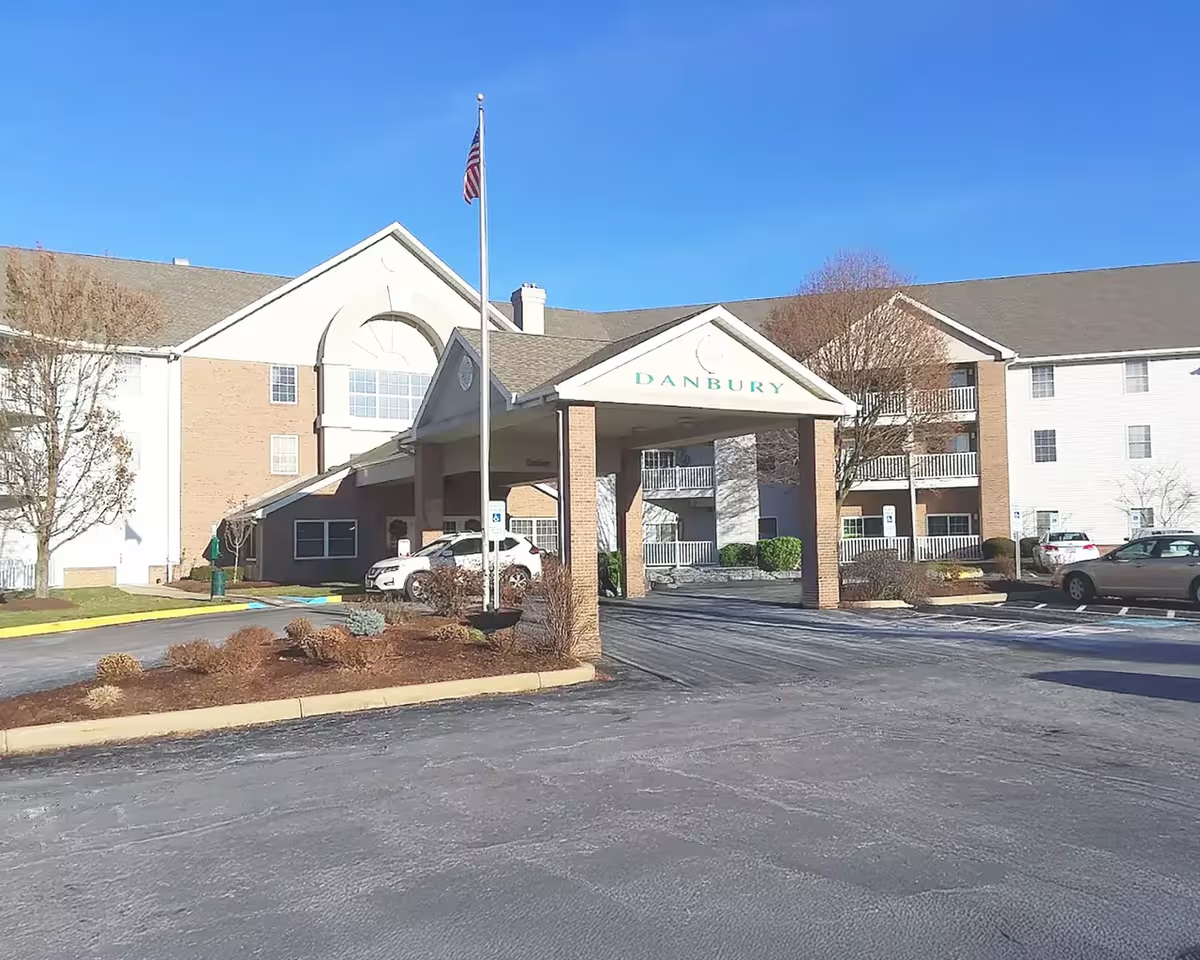
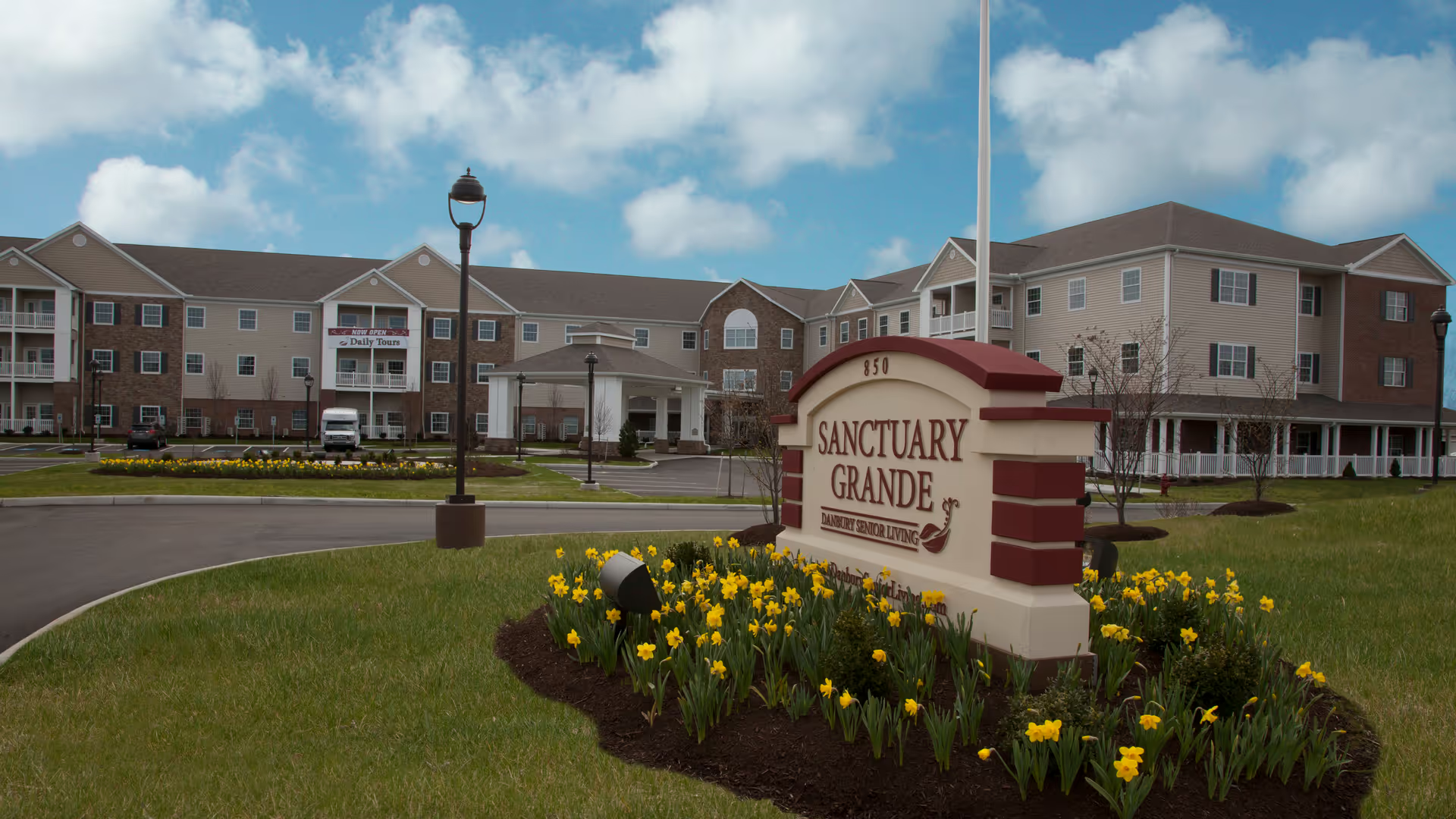
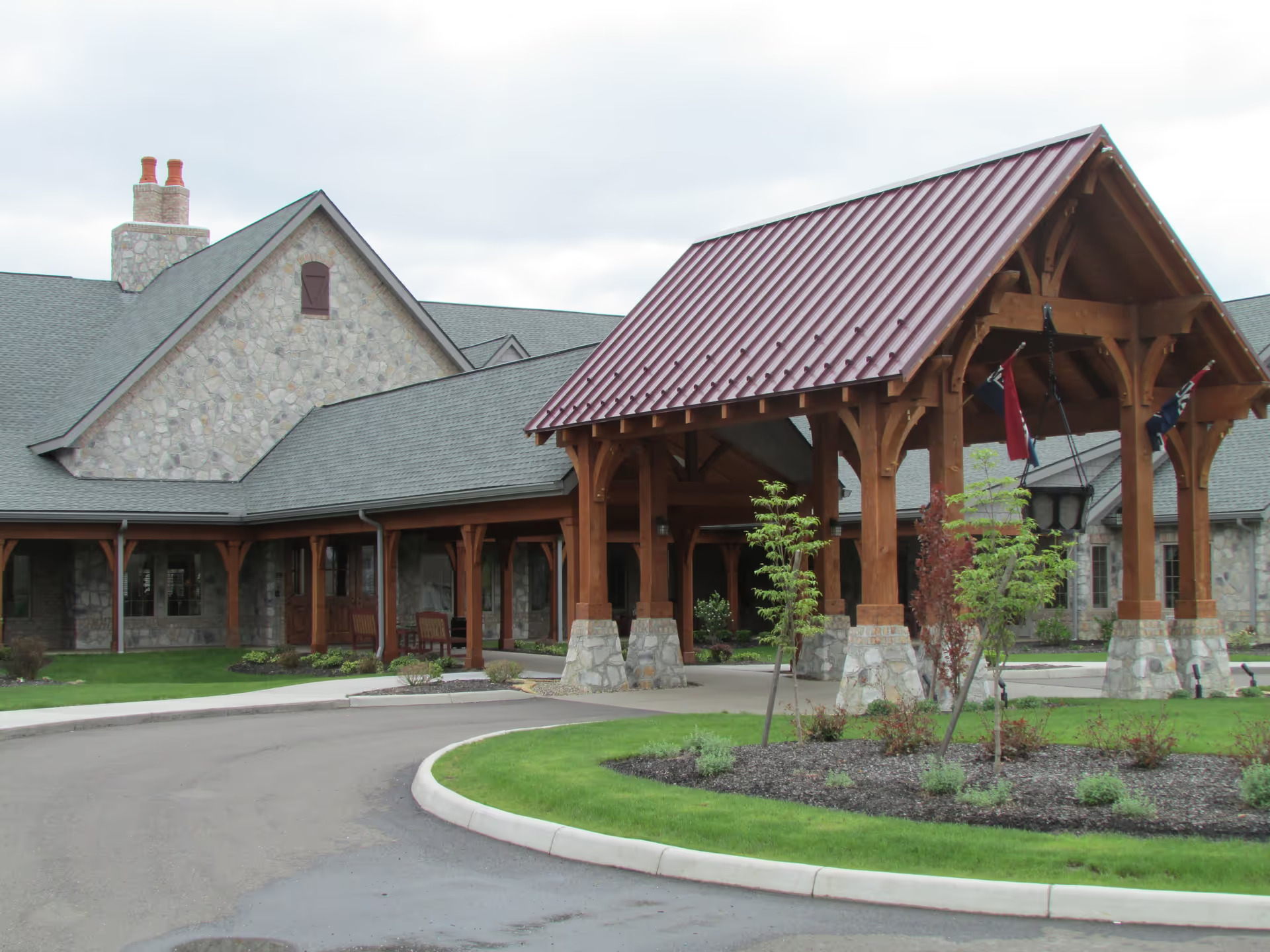
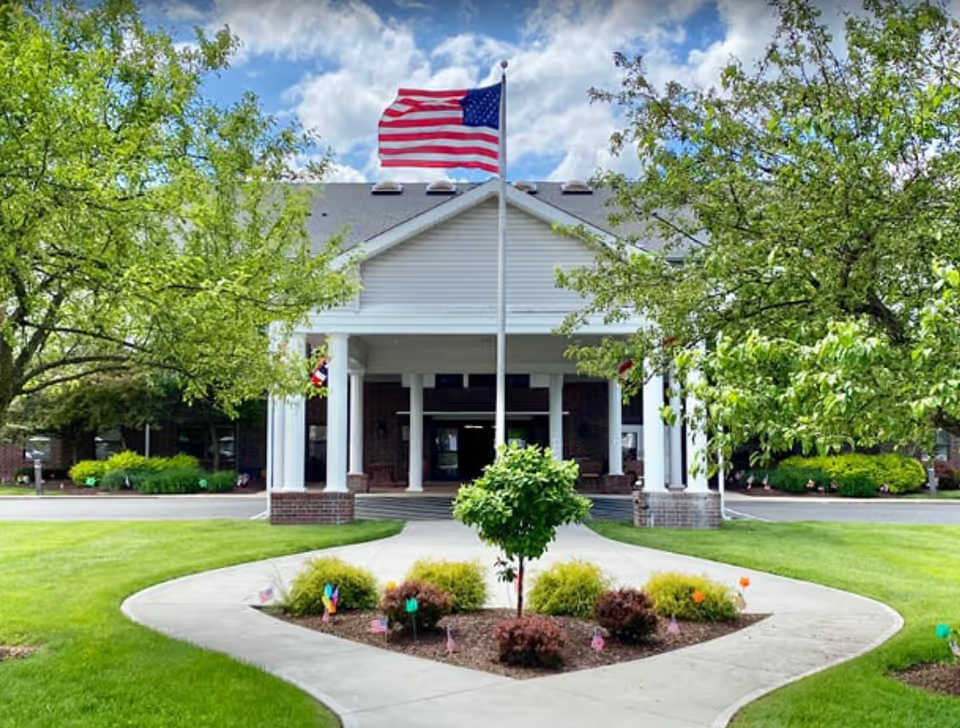
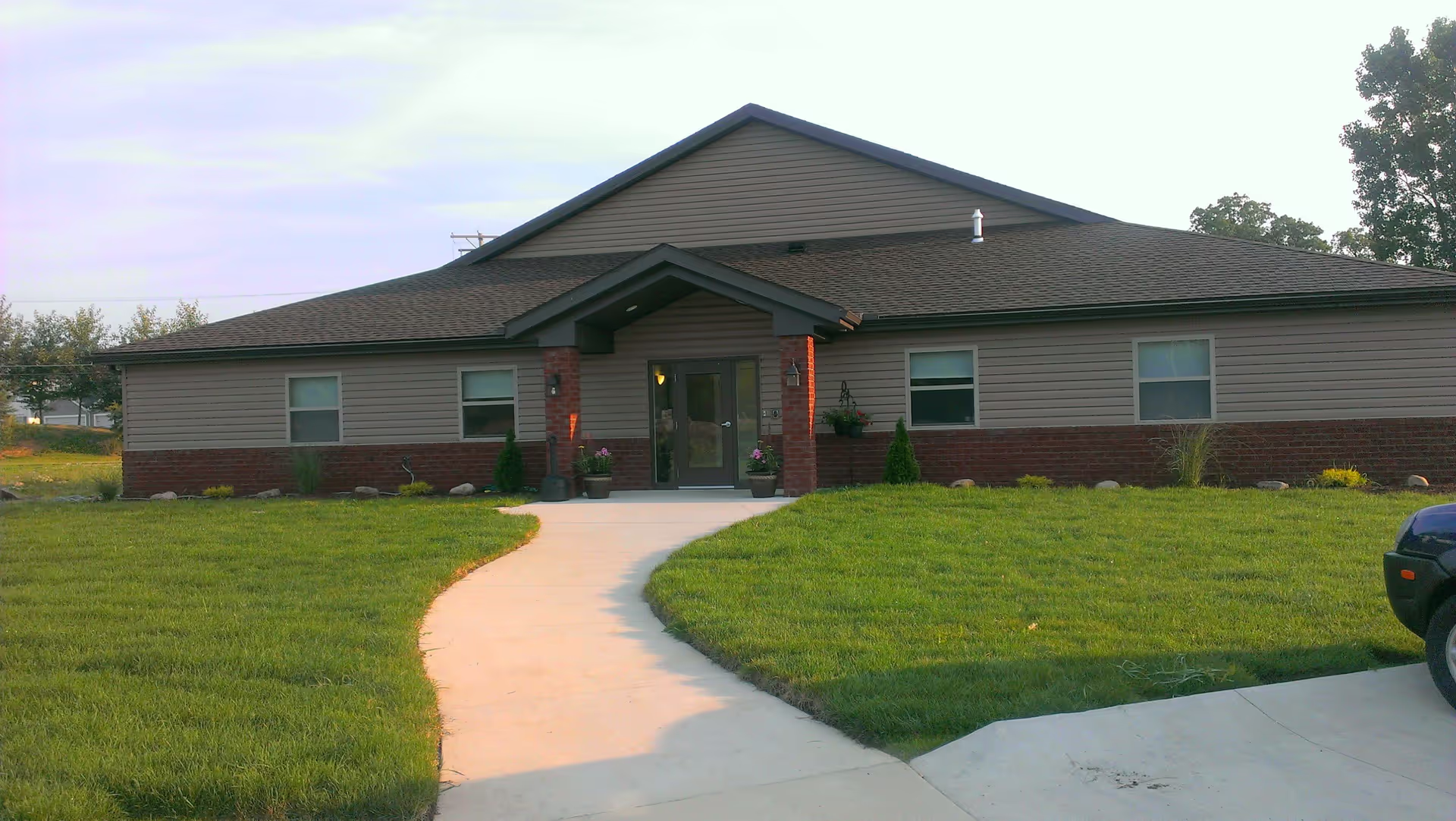
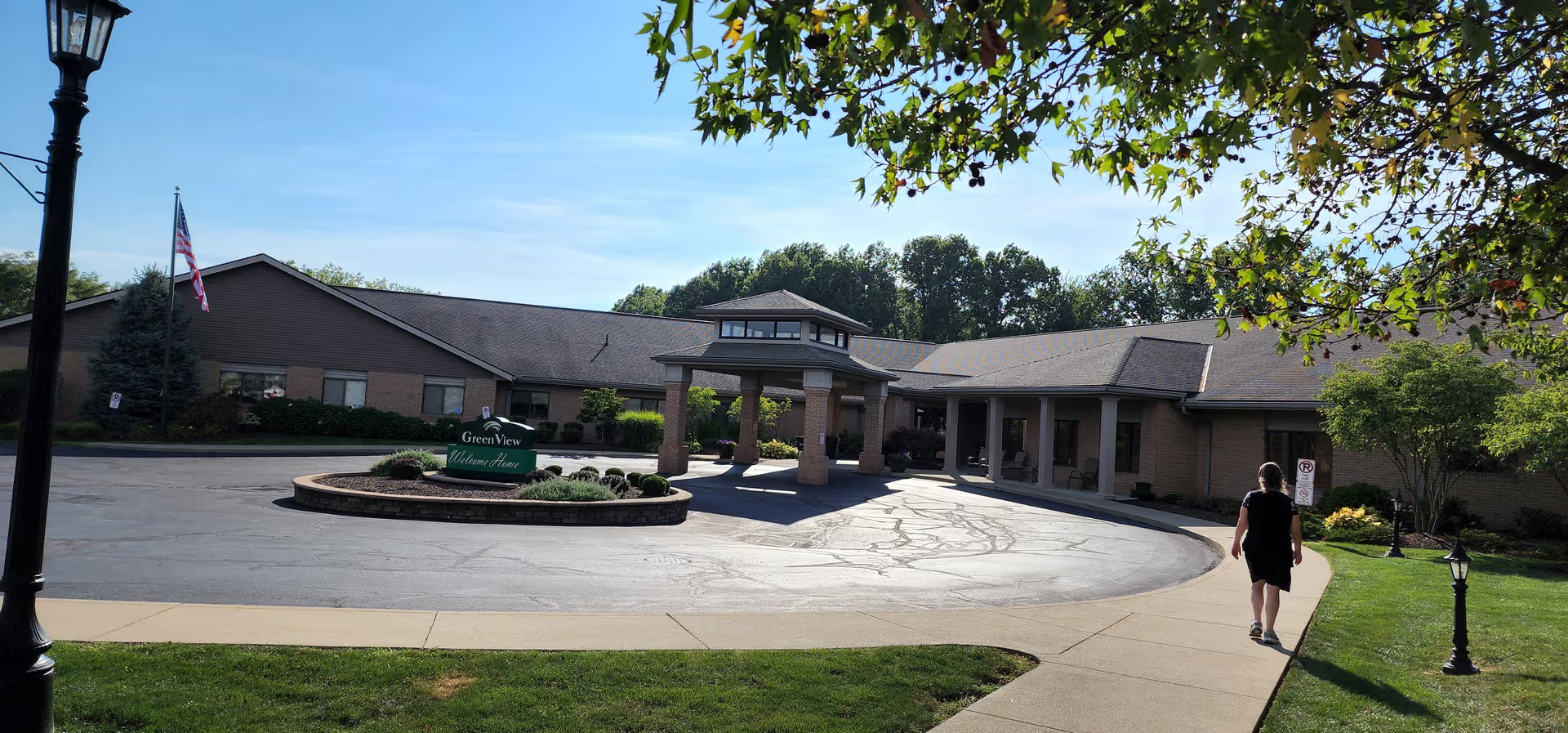
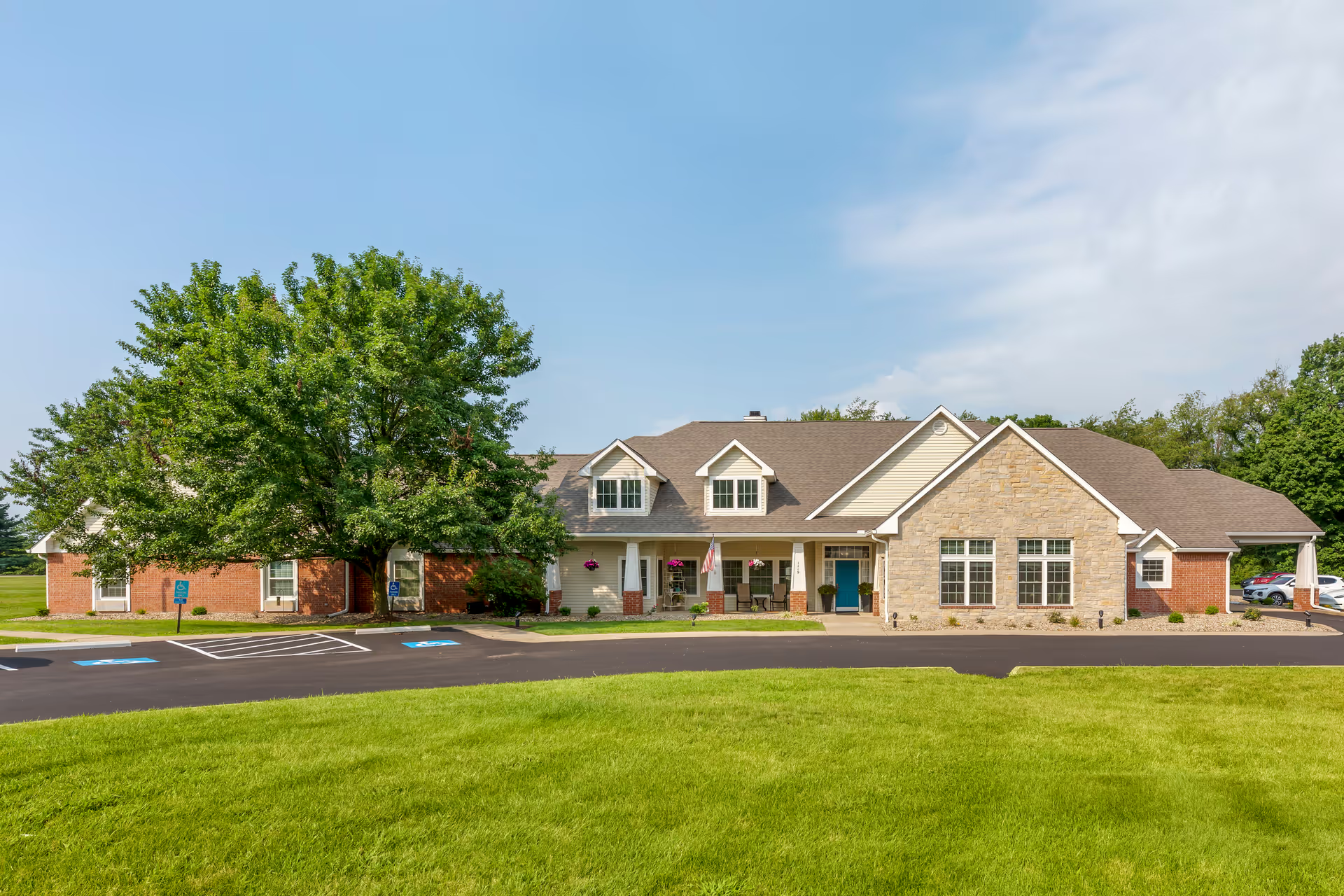
Facilities and environment are described as a mix of older and updated spaces. Some units are noted as dated and in need of updating, and families reported problems with temperature control (heat running continuously, AC or hot-water outages). At the same time, the rehab unit and certain newer areas were viewed positively for layout and equipment. Memory-care presentation drew mixed impressions: some found it institutional, others appropriate for clinical needs.
Notable patterns across reviews are the clear polarity of experiences and a link between staffing/operational consistency and family satisfaction. Where staffing, housekeeping, communication, and leadership are functioning well, reviewers describe dignified, high-quality care and strong therapy outcomes. Where those systems are weak, families reported safety and comfort concerns, and there were isolated, serious allegations about property mishandling and regulatory concerns. Prospective residents and families should tour the specific unit, ask for current staffing ratios, observe call-response times, review housekeeping and infection-control protocols, inquire about meal-service practices, and seek clarity on how the facility secures personal belongings and addresses family concerns. These targeted questions will help assess whether the facility’s strengths are reliably in place for a particular resident.