Cottingham Retirement Community elicits a mix of strongly positive and strongly critical feedback. Strengths commonly described include a friendly, attentive front-line staff and a broad, active programming schedule that offers arts and crafts, music, chapel services, outings, and regular social events. Dining is often characterized as a positive feature — many families praised the food and shuttle access to local restaurants and grocery shopping. Practical conveniences such as weekly housekeeping, included utilities in some rent plans, on-site transportation and medical-assistance options, pet-friendly policies, and multiple care levels (independent, assisted, memory) are also noted as benefits.
Care quality and staffing present a mixed picture. Many reviewers praised direct caregivers, individual nurses, and engagement from activities staff; however, recurring themes point to inconsistent staffing levels, high turnover, and insufficient night-shift coverage. Those operational gaps are linked to longer response times, irregular resident checks overnight, and family concerns about monitoring of clinical equipment and medication administration. Medication handling and distribution emerged repeatedly as a point of concern—families described delays, missed doses, or tracking problems that required follow-up.
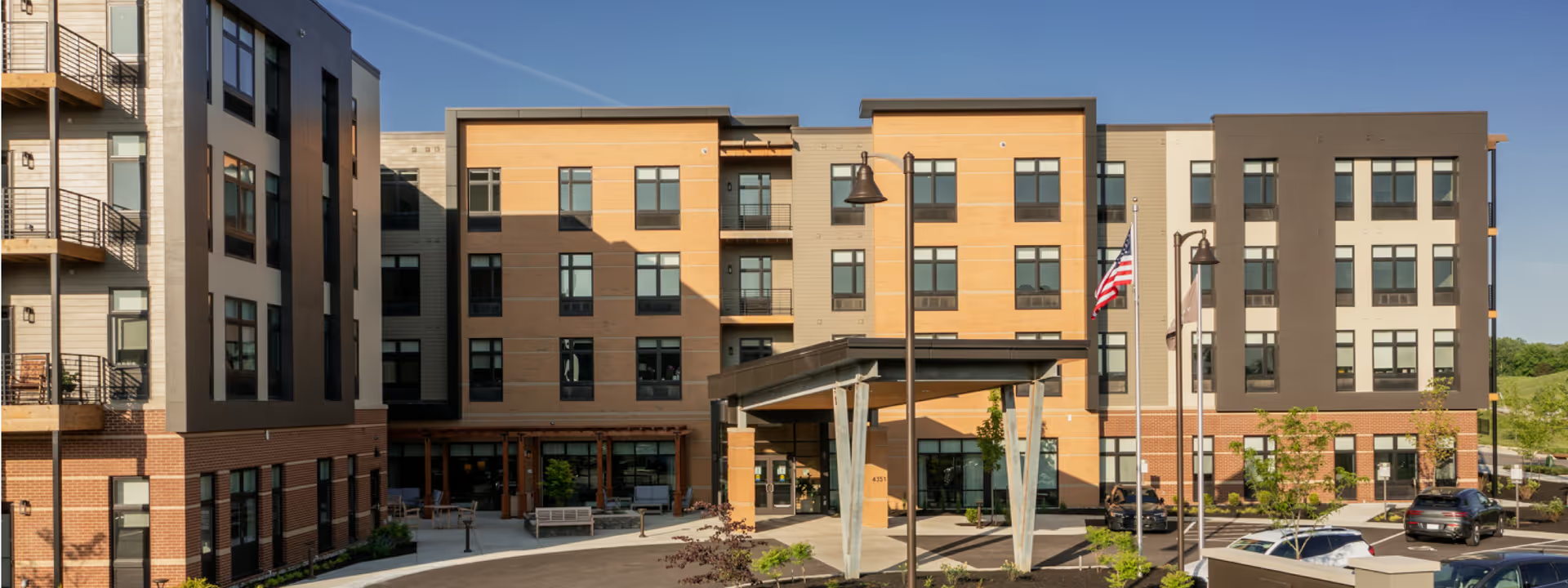
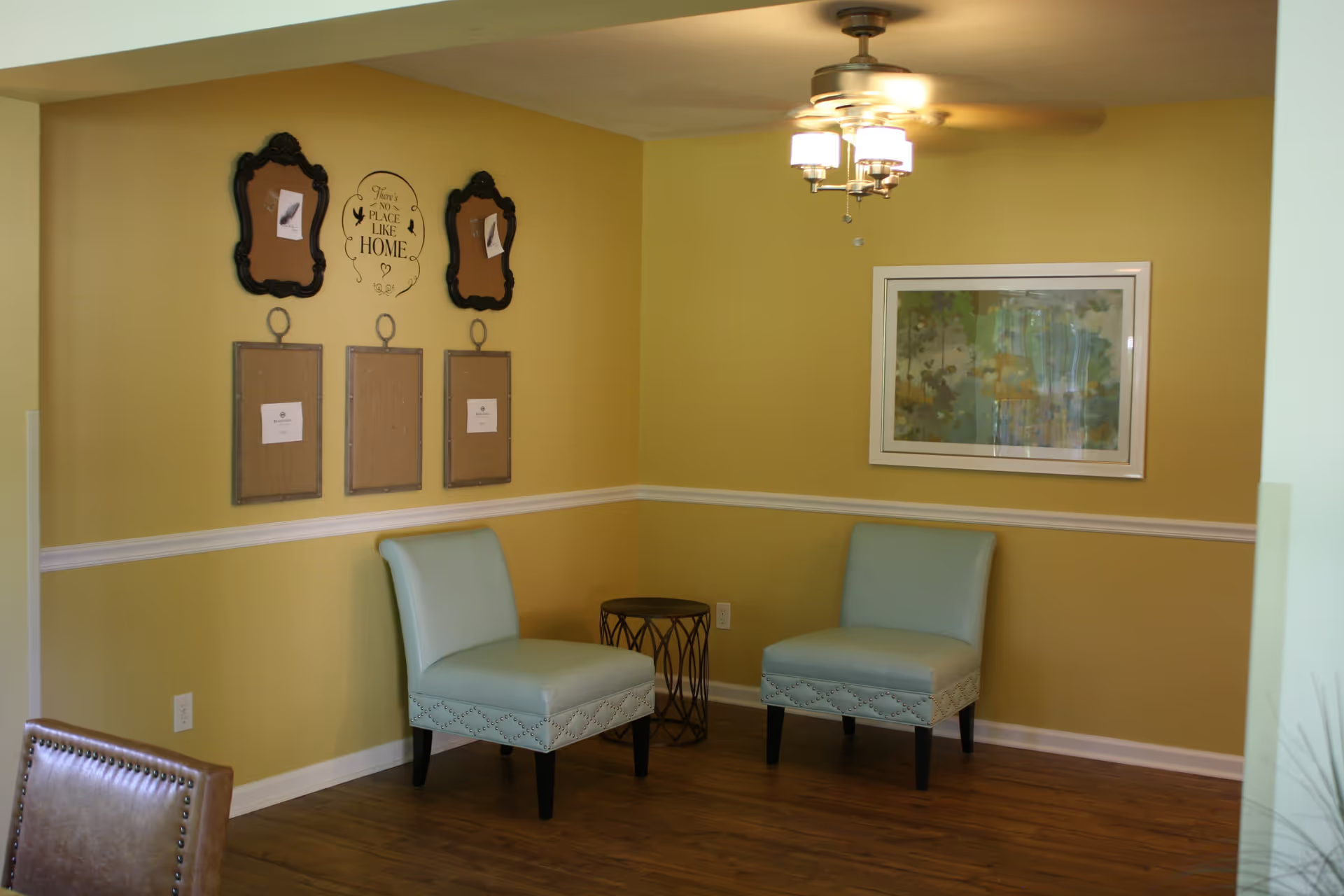
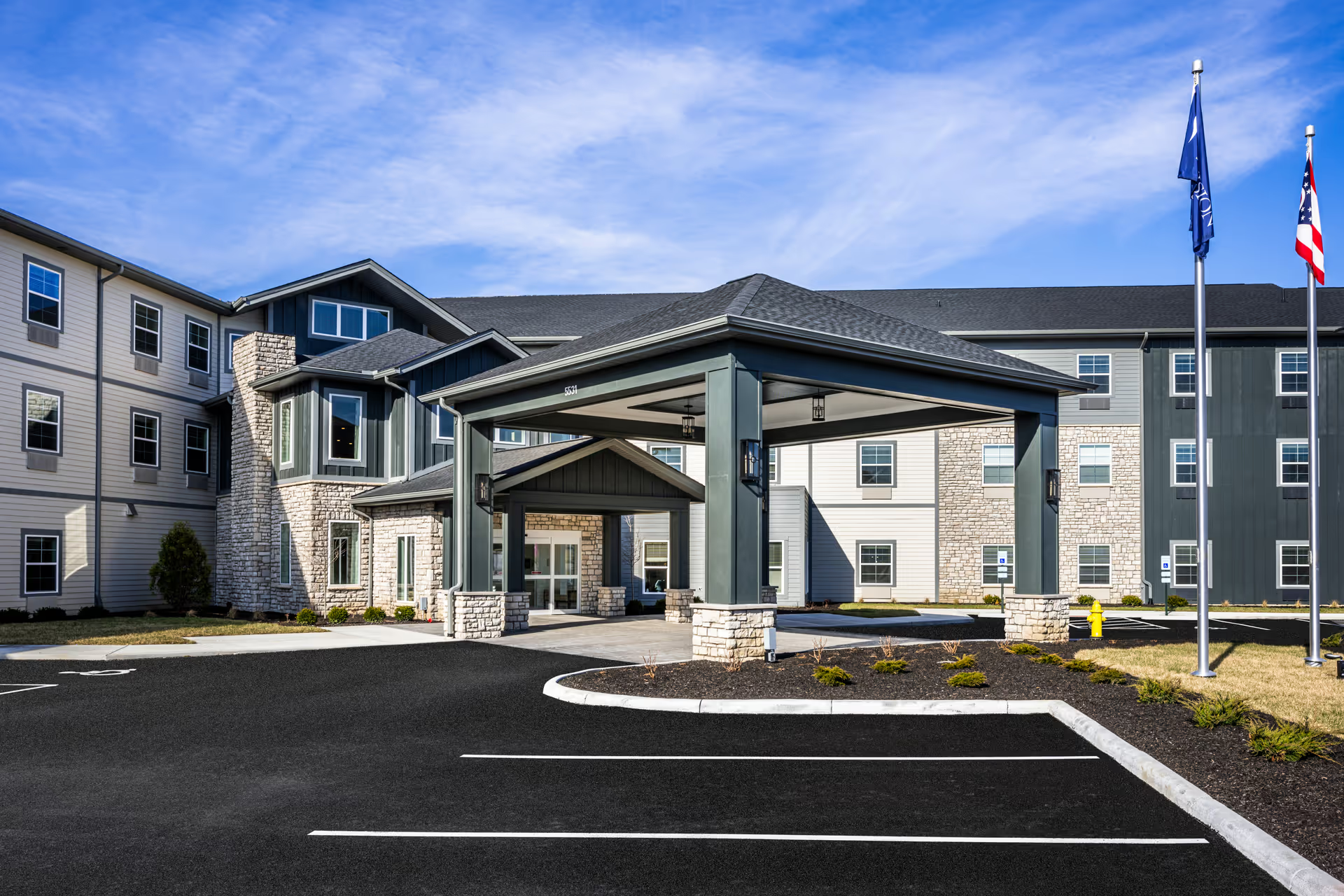
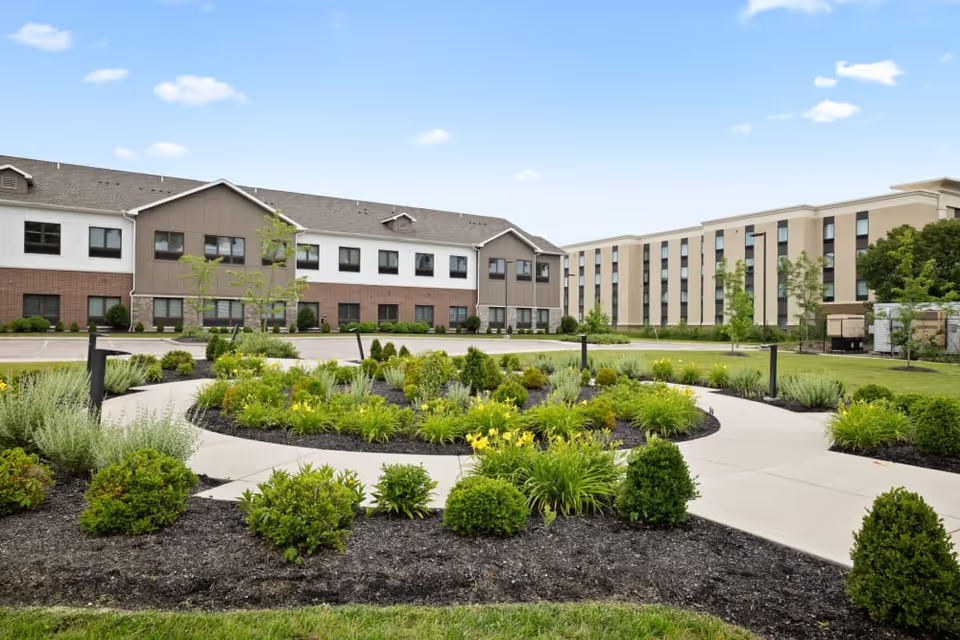
Facilities and maintenance are similarly mixed. The community is often described as clean and bright in public areas and some updated apartments show recent renovations (new cabinets, flooring, appliances). At the same time, reviewers raised facility-level infrastructure issues: aging building systems, HVAC and air-circulation problems, evidence of water leaks and dust/mold in some areas, and less-updated wings that feel dated or hospital-like. Specific apartment layouts were flagged for accessibility problems—particularly small bathrooms that are not well configured for wheelchair users. Sanitation and odor control were satisfactory for many families but inconsistent for others.
Management and administrative practices drew praise in some interactions but consistent criticism in others. Positive accounts cite helpful admissions staff and caseworkers who assist with Medicaid and move-in logistics. Critical accounts highlight variable communication, poor follow-up after tours or inquiries, front-desk and phone responsiveness problems, and gaps in property-accountability (lost or missing personal items, laundry issues). A small number of reviewers described serious individual incidents (missing personal property, medication lapses, and an injury) that prompted elevated concerns and, in some cases, regulatory or grievance action; these accounts underscore the need to examine internal incident-reporting and follow-up processes when evaluating the community.
Activities and social life are clear strengths: residents and families frequently note plentiful programming, a welcoming atmosphere, and a sense of community that supports social engagement and wellbeing. Dining is generally well regarded but can be inconsistent in variety and presentation. Memory-care services exist on-site but several reviewers described that the memory-care wing operates separately and is sometimes excluded from broader community activities; limited connectivity and fewer amenities were also reported in that unit.
Advice for prospective residents and families: tour multiple times (including during meal service and evening/night periods), ask for current staffing ratios by shift, review medication-management and incident-reporting protocols, request specifics about memory-care inclusion and accessibility features in target apartments, and clarify communication practices for families. Cottingham offers many community and service strengths valued by residents, but the facility exhibits operational variability that warrants careful due diligence to ensure it meets a given resident’s clinical, social, and accessibility needs.