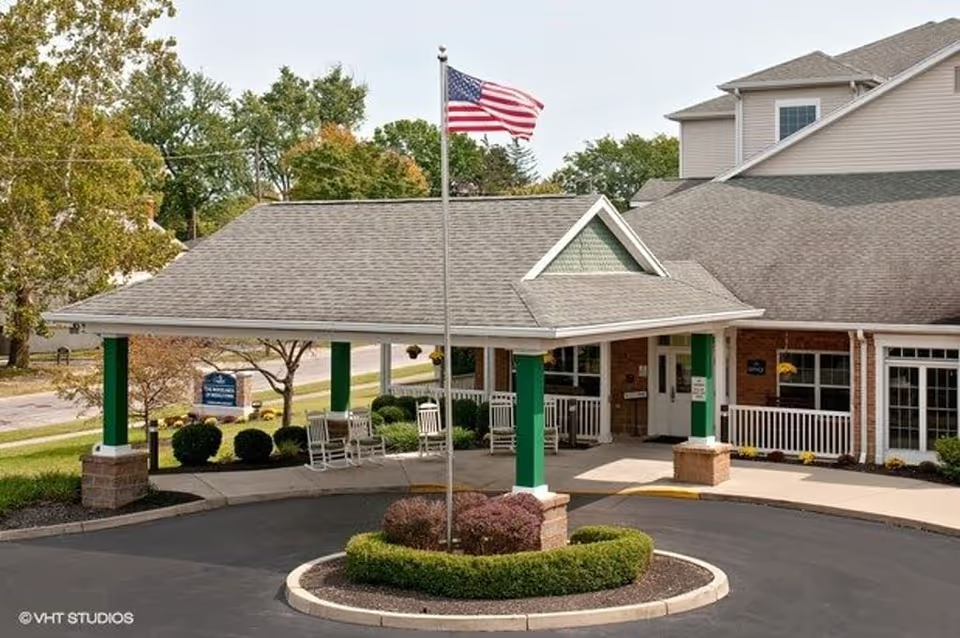
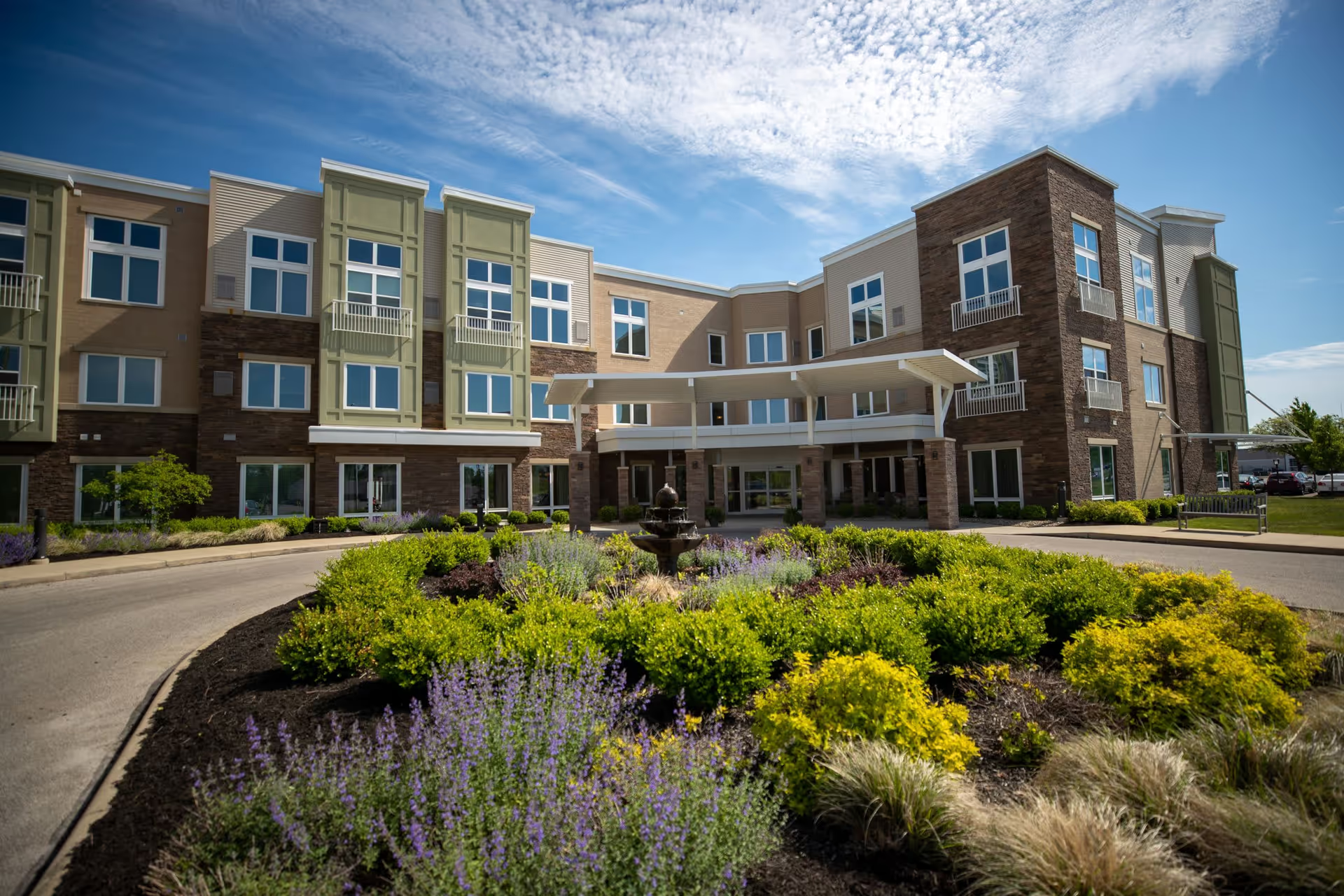
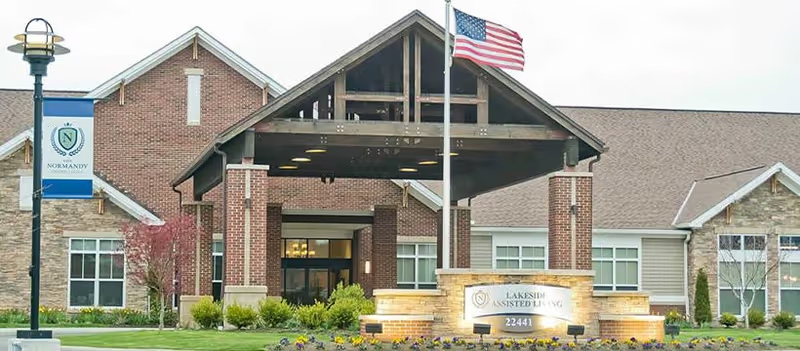
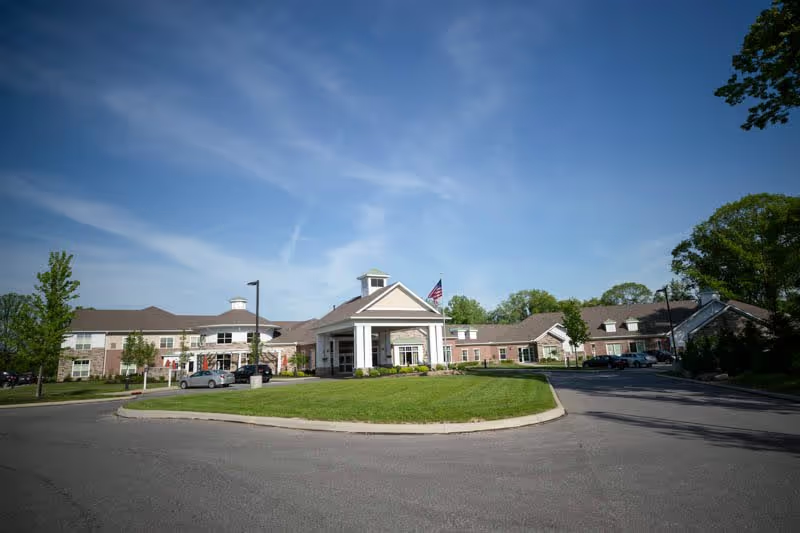
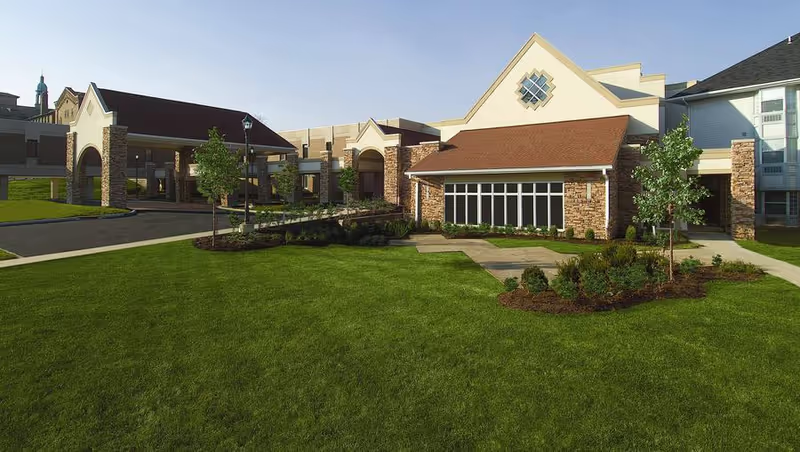
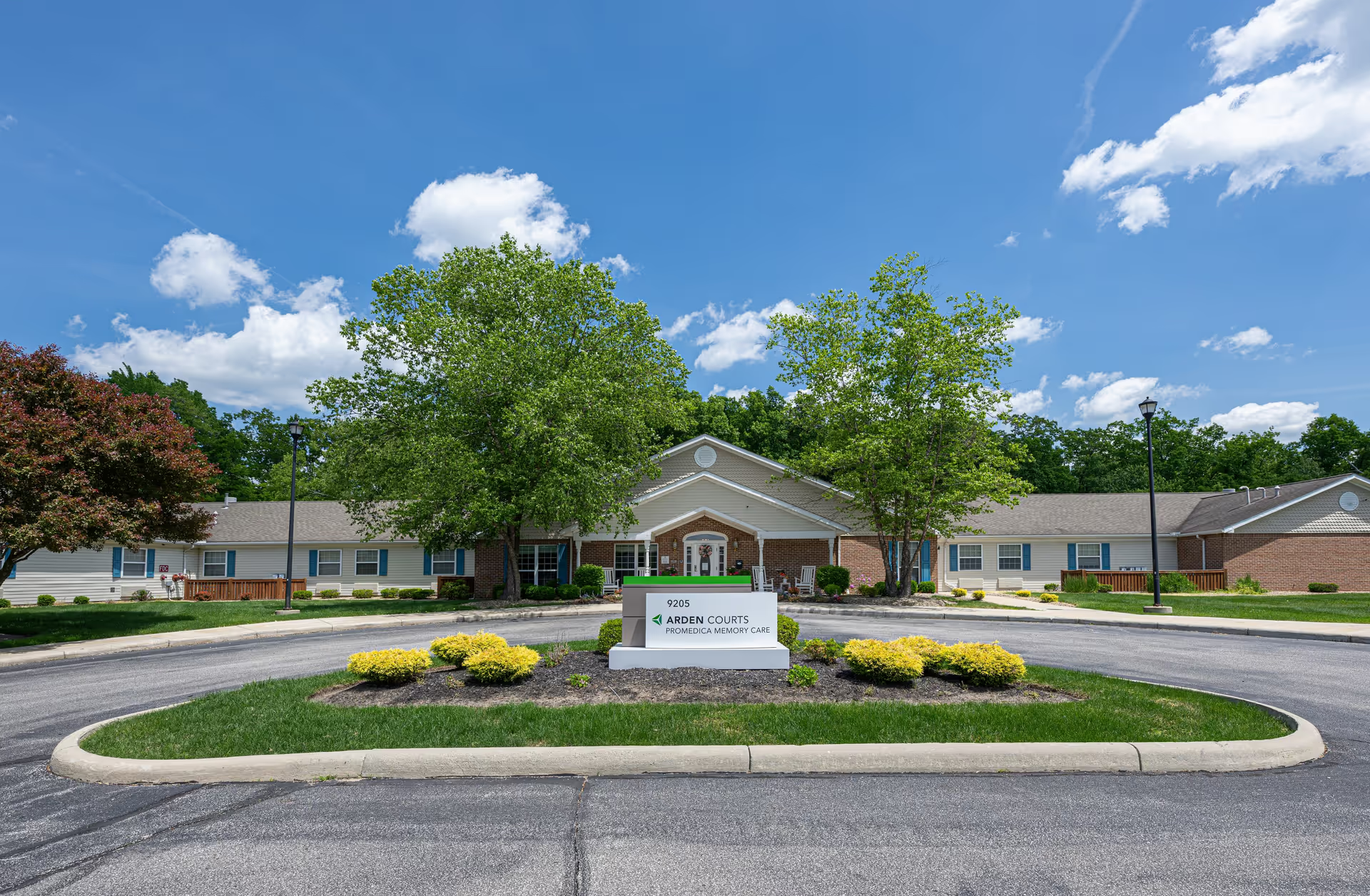
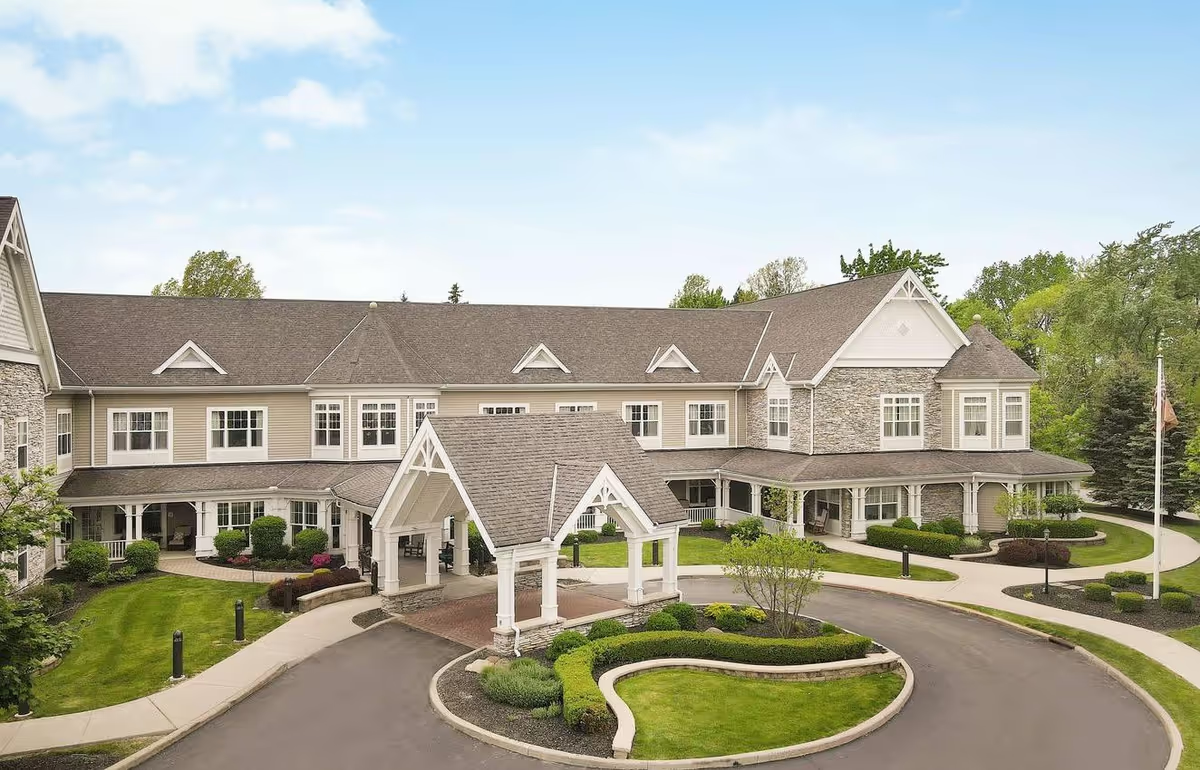
Eliza Jennings Health Campus elicits a strongly mixed but instructive set of impressions. Many families and visitors praise the front-line caregiving team: nurses, aides, therapists, and kitchen staff receive frequent commendation for compassionate, personalized attention. The facility offers visible strengths in dementia- and memory-focused programming, an active adult day unit, coordinated hospice support, and on-site therapy services that some reviewers described as proactive during the initial weeks of care. The campus environment and common areas are frequently described as attractive and welcoming, and activity programming — including music and meaningful social engagement — is a repeated positive that contributes to resident mood and stimulation.
Counterbalancing those strengths are a number of operational concerns that recur across reviews. Staffing consistency is the most prominent issue: delayed responses to call buttons and long wait times for assistance were reported, and several comments link understaffing to slower care delivery. Reviewers also cite problems with medication management and reconciliation, which in at least one account had serious consequences; there are also multiple mentions of pressure-injury prevention shortfalls. Transportation reliability and communication around pick-ups and delays emerged as a separate pattern, and several reviewers described limited therapy coverage on weekends. More systemic critiques point to inconsistent leadership and supervision, perceived favoritism in assignments, and concerns about staff conduct and tone — issues some families felt warranted external review.
On dining, activities, and social services the facility generally receives positive marks: kitchen employees and volunteers are described as pleasant, programming is varied, and social-work involvement and hospice partnerships are seen as helpful for families navigating transitions. The adult day program and opportunities for meaningful interaction are highlights for residents who respond well to structured engagement. That said, infection-control periods and isolation (for example during COVID-19) were associated with negative impacts on social engagement and, according to some families, on cognitive condition.
For prospective residents and families, the pattern suggests a facility with clear strengths in person-centered, dementia-capable care and an engaging campus life, but with operational areas that merit specific inquiry. Recommended questions include current staffing ratios on relevant units and shifts, protocols for medication administration and reconciliation, procedures for preventing and treating pressure injuries, weekend therapy availability, transportation scheduling practices, and the facility's complaint-resolution and staff-supervision mechanisms. Given the seriousness of some allegations, families may also wish to review recent inspection reports and ask how leadership addresses quality concerns and staff professionalism.