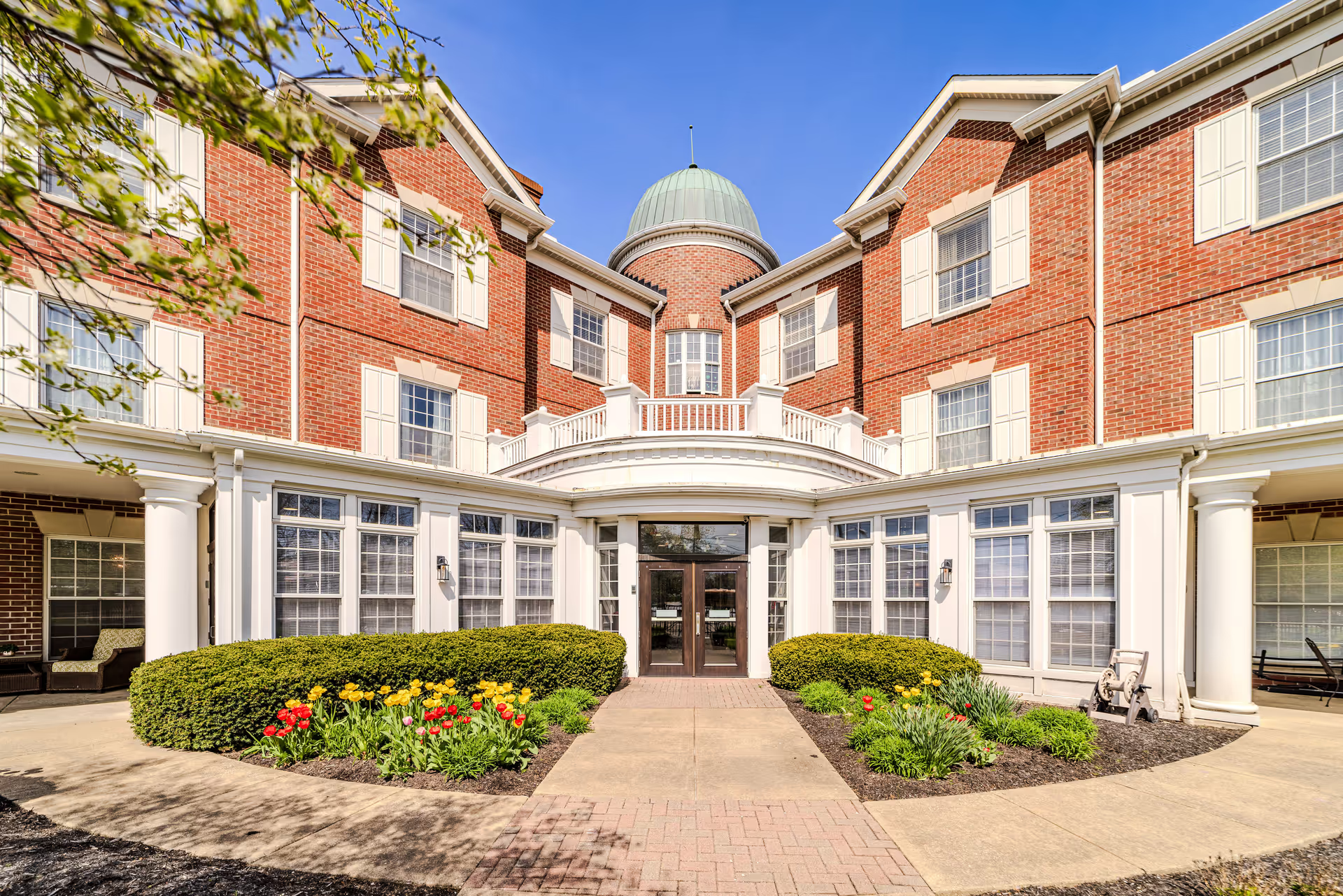
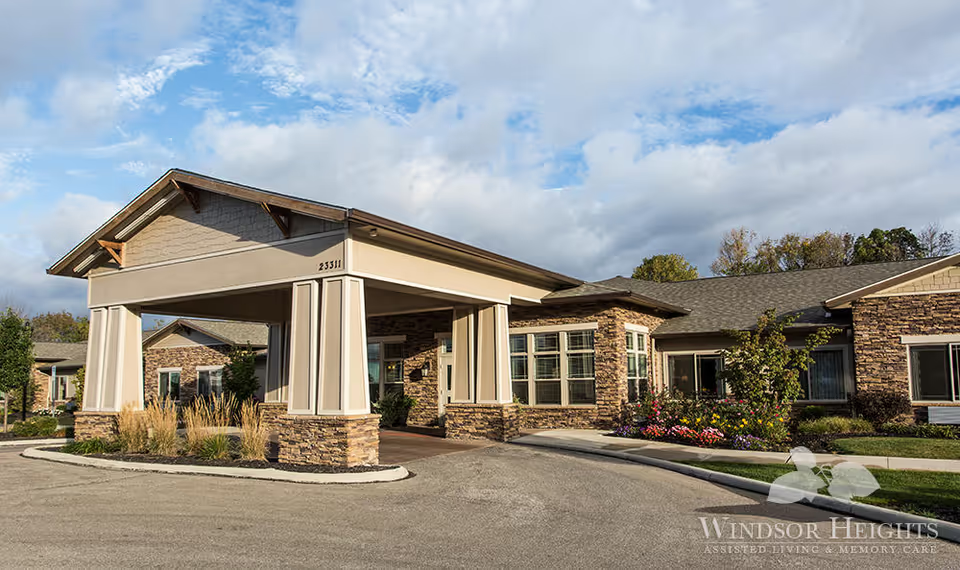
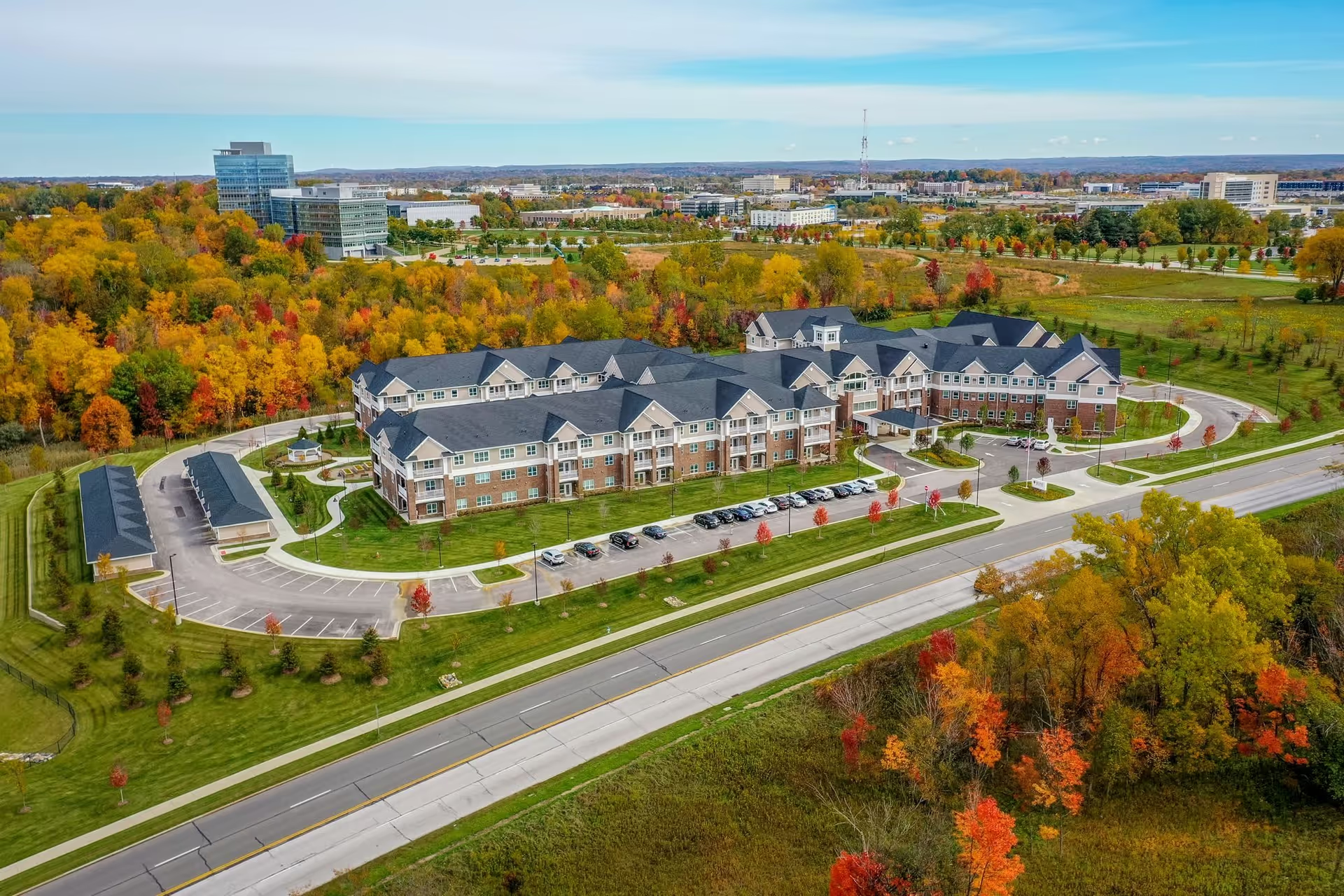
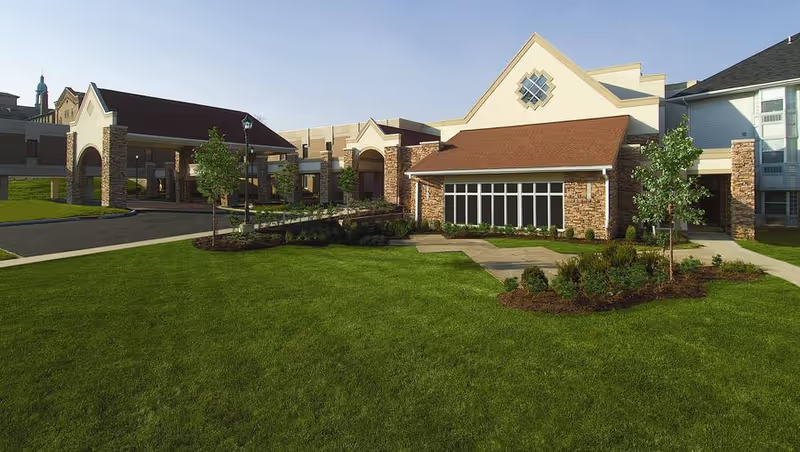
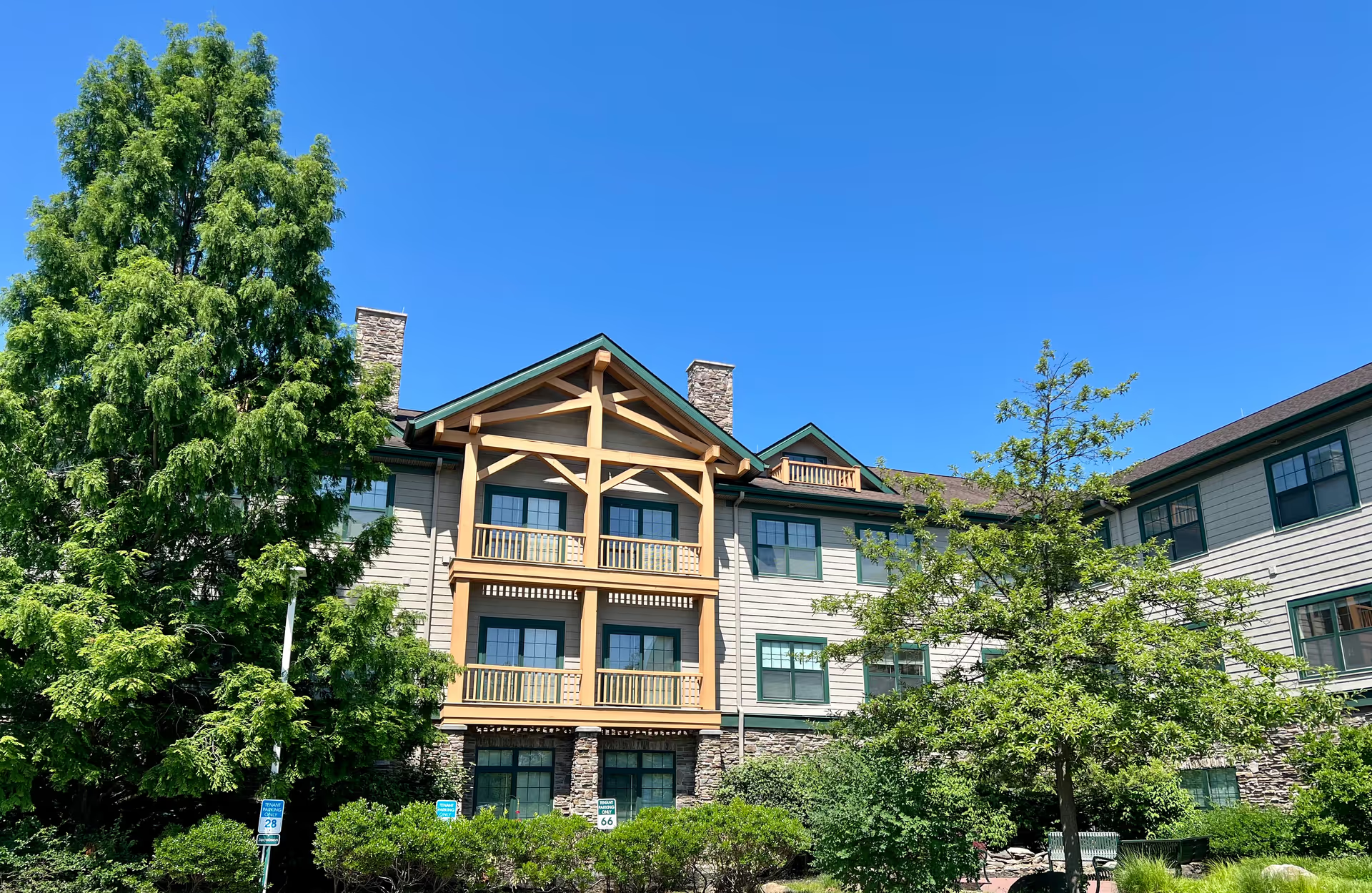
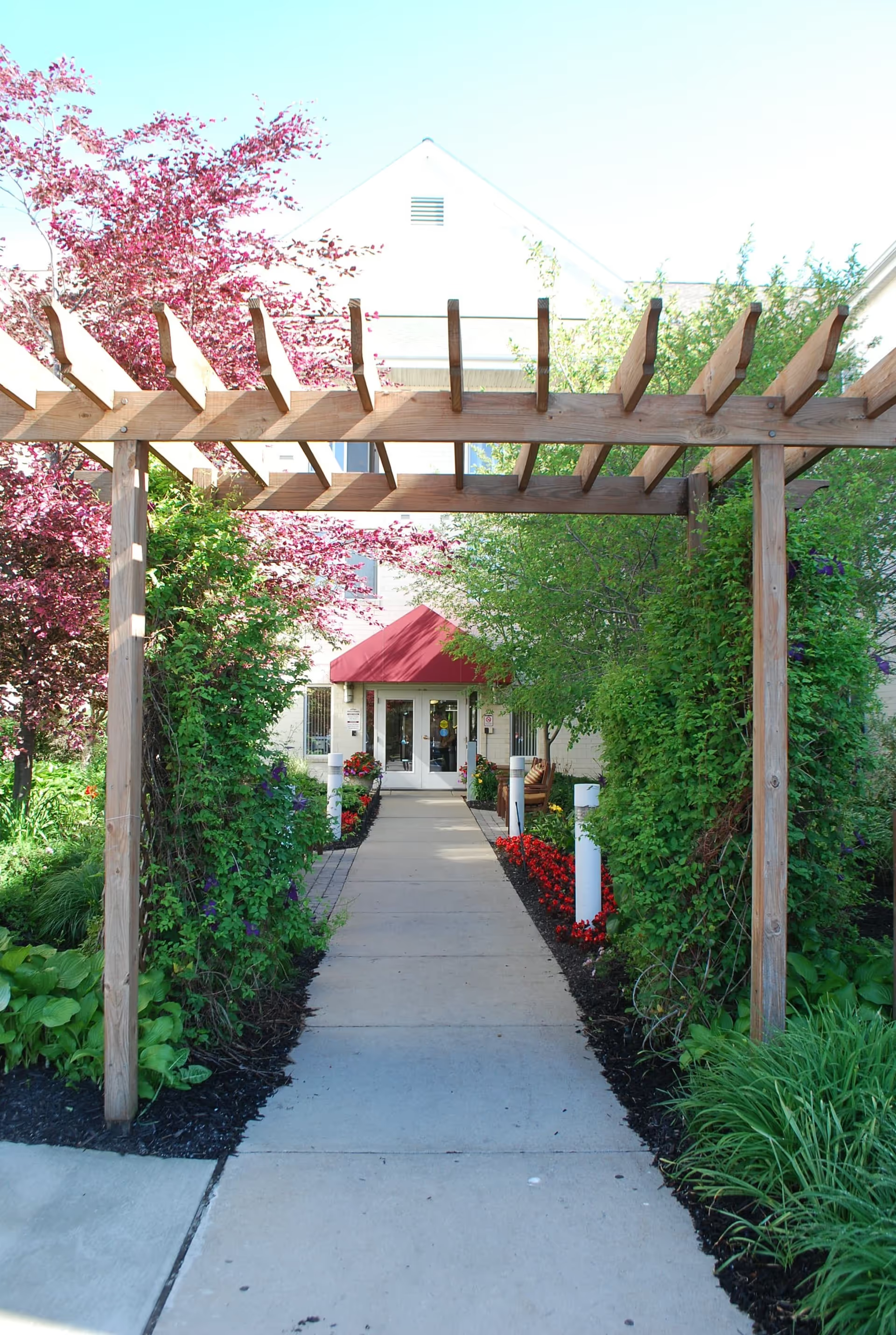
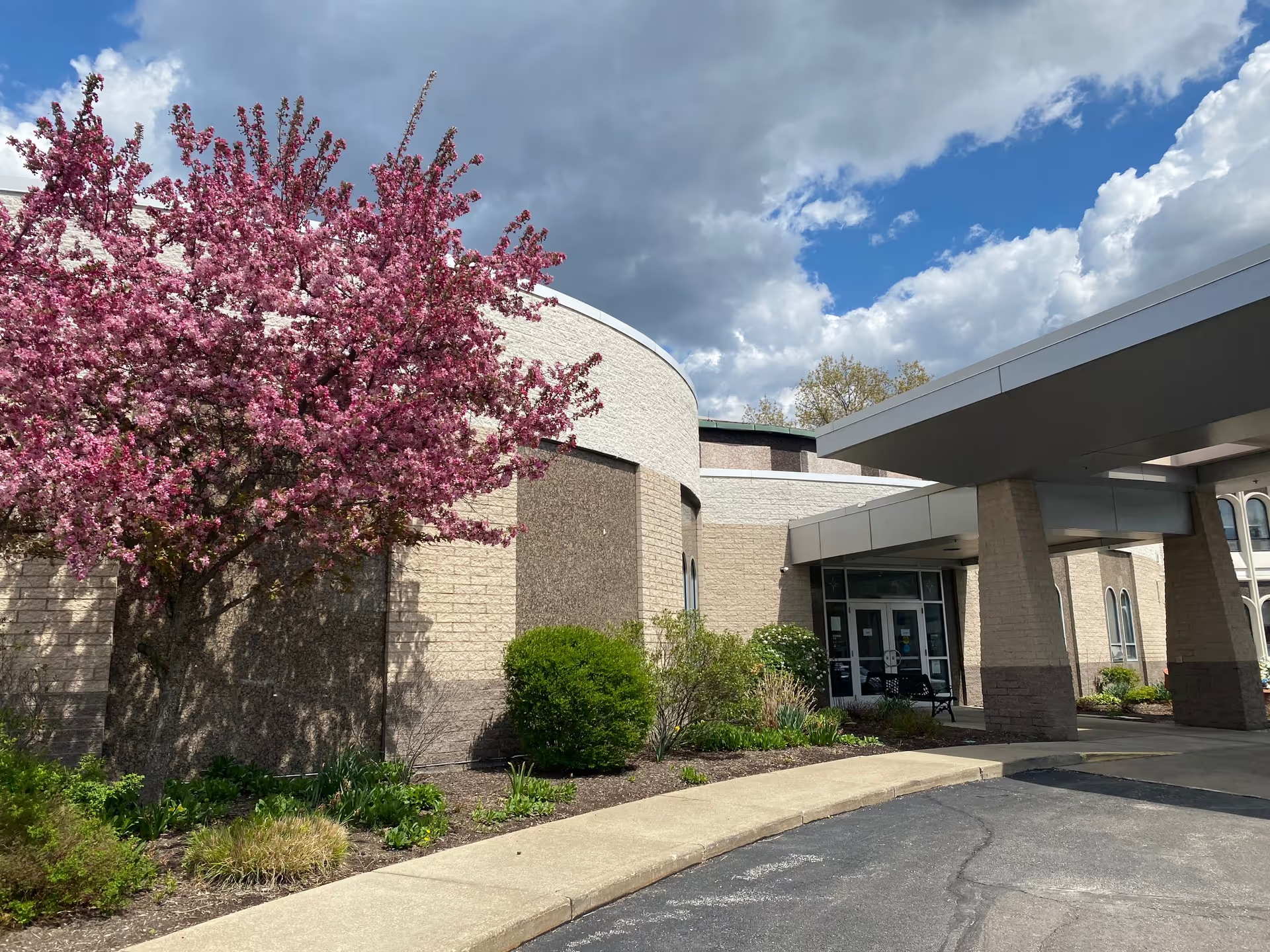
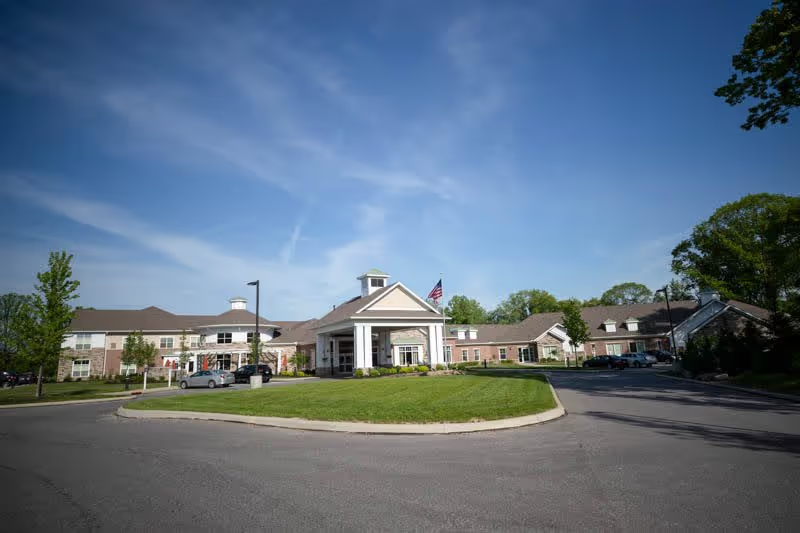
The reviews for Harvard Gardens Rehabilitation and Care Center present a deeply mixed picture, with distinct areas of noted strength alongside recurring operational concerns. Many families and patients praised the clinical rehabilitation and therapy teams, describing measurable functional improvements and strong therapeutic engagement. Nursing staff are frequently characterized as compassionate and attentive, and several comments credit new leadership and ownership with cultural and process improvements. The facility’s recent lobby and entrance renovations receive repeated positive mention and contribute to a more welcoming first impression.
However, there are consistent complaints that point to systemic operational weaknesses. Staffing levels and responsiveness are commonly cited as uneven, producing long waits for aides, delayed clinical response to concerns, and variability in the quality of direct care. Several reviews describe concerns about how staff interact with residents and about maintenance of dignity; these are best understood as issues with conduct standards and supervision rather than isolated personality conflicts. Communication systems are another recurring problem — families reported difficulty reaching staff by phone, including extended outages on particular units, which undermines timely updates and care coordination.
Facility maintenance and housekeeping are described inconsistently across reviews. While some areas and common spaces are reported as clean and organized, other accounts raise sanitation and odor concerns, lapses in linen and room maintenance, and pest-control concerns. Room-level issues include dated furnishings, thin mattresses, failing window treatments, and incomplete renovation work on specific floors. These physical-condition items, combined with reports of inconsistent laundry and personal-item management, suggest gaps in routine facilities oversight and inventory control.
Clinical governance and administration also show mixed signals. Several reviewers praised clear family communication, an involved administration, and visible improvements under new management. At the same time, there are reports indicating gaps in medication documentation and clinical incident follow-up, difficulty obtaining records, billing irregularities, and at least one serious post-incident concern raised by a family regarding clinical care and outcomes. These items point to the need for stronger clinical governance, clearer documentation practices, and improved transparency around incidents and billing.
Dining and activities received variable feedback. Some families noted helpful dining staff and accommodating service, while others described inconsistent meal quality, cold or poorly presented meals, lack of posted menus, sticky dining surfaces, and limited social programming. Activity offerings appear uneven between units; a few families praised spiritual or community programming, but others described little engagement for residents with limited mobility, leading to hallways used as informal seating areas.
Notable patterns to weigh when considering this facility: (1) rehabilitation and therapy are often strong and get positive outcomes; (2) new ownership and management appear to be driving visible improvements in leadership and front-of-house appearance; and (3) operational areas — staffing consistency, infection-control and sanitation processes, communication systems, medication documentation, and room-level maintenance — are the primary recurrent weaknesses. Prospective residents and families should confirm current staffing ratios, review recent inspection or licensing records, ask for written policies on medication management and incident reporting, tour both renovated and non-renovated units, and verify billing and personal-item procedures before placement.